





 Portuguese
  English
  Spanish
  4 min of reading
  0 comments


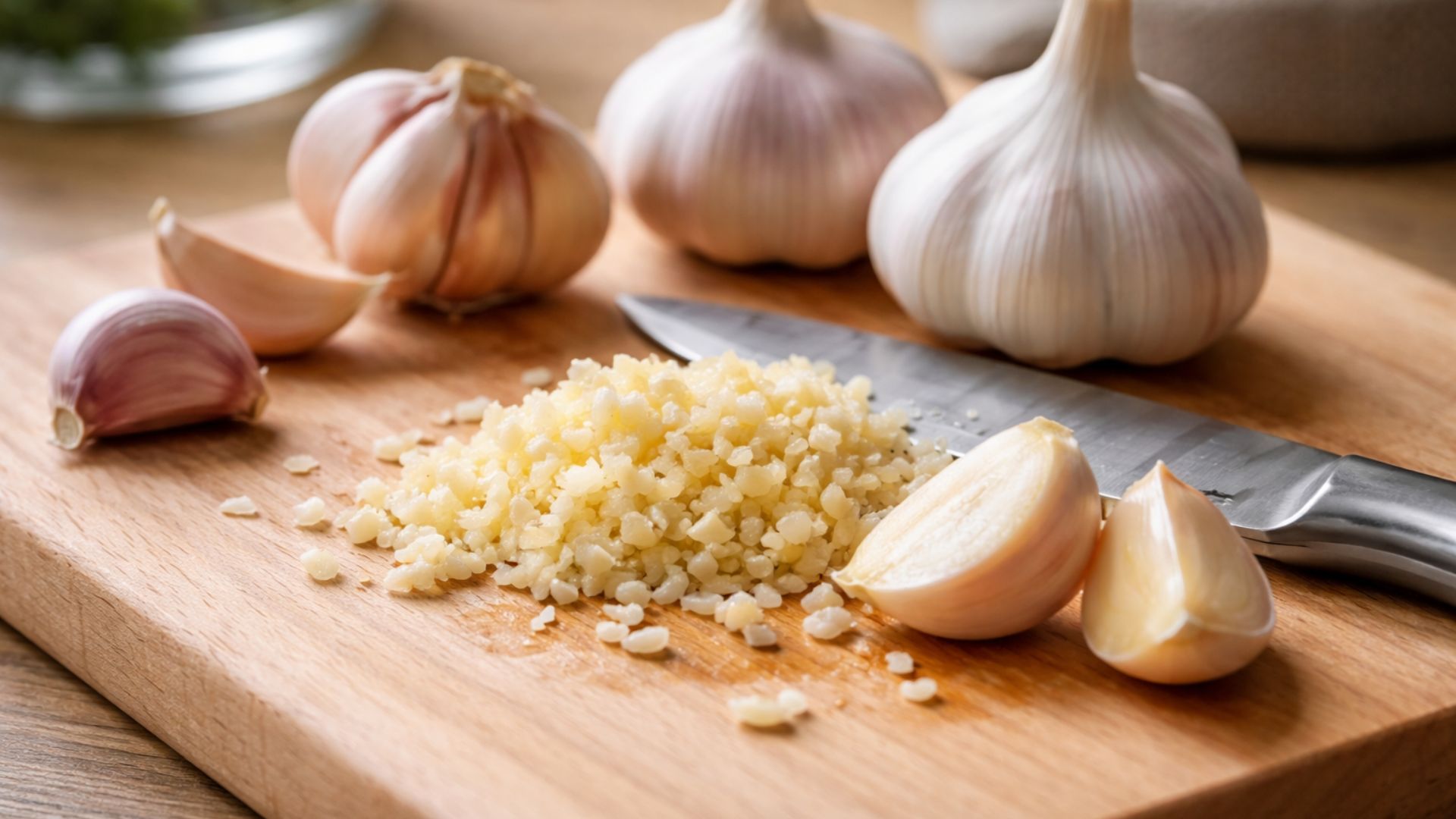
Natural compound of garlic sparks scientific interest for effects on blood pressure and cholesterol, with evidence from clinical studies involving different populations and forms of consumption.
Present in kitchens of different countries, garlic has also drawn attention outside the plate for containing sulfur compounds that have been studied for their effects on cardiovascular markers.
The main one is allicin, formed when the clove is cut, crushed, or chopped.
In clinical trials and systematic reviews, standardized garlic preparations have been associated with reduction of blood pressure in people with hypertension and improvement of part of the lipid profile in adults with high cholesterol.
-
Neither in the refrigerator nor in a poorly sealed bag: this is the correct way to store bread.

-
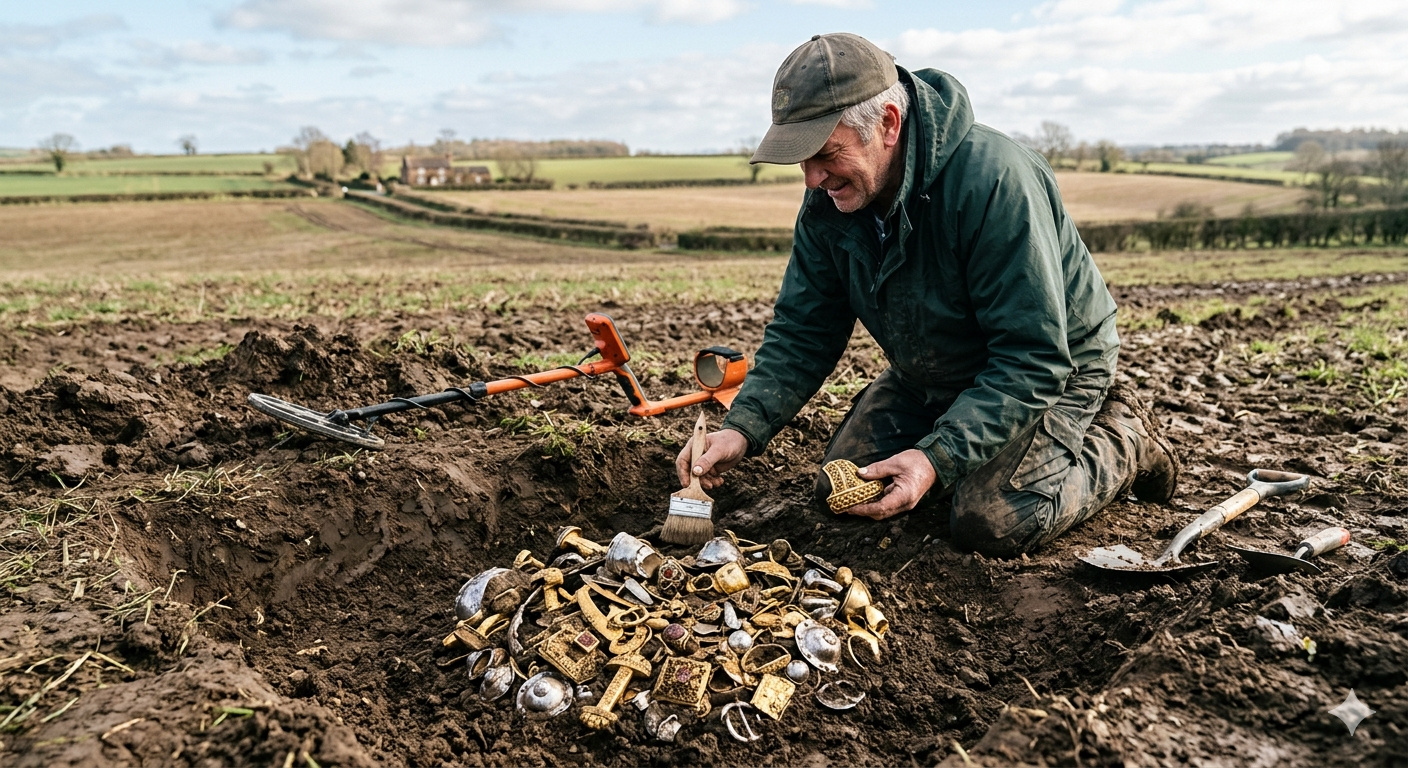
The largest Anglo-Saxon treasure ever found was discovered by a worker with a metal detector in a field in England and revealed more than 4,600 pieces of gold and silver from the 7th century, a collection with 5 kg of gold valued at £3.285 million.
-
Man transforms old bus into a house on wheels with wooden furniture, rooftop terrace, and solar power system.

-
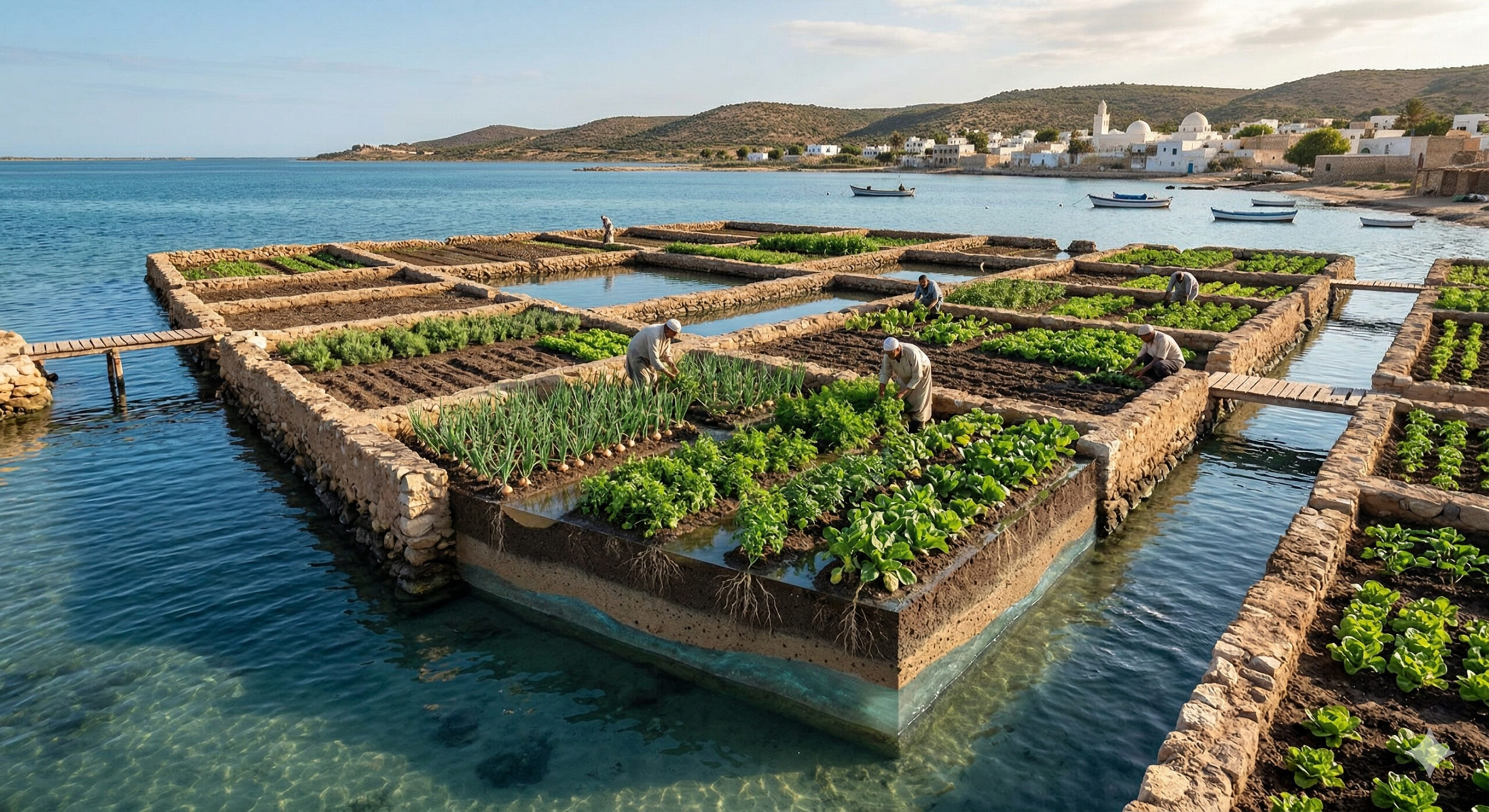
Since the Aztecs, farmers in Mexico have built artificial islands surrounded by canals and maintain a highly productive system that still challenges the logic of conventional agriculture today.

Clinical studies reinforce garlic’s effect on blood pressure
The scientific interest did not arise from isolated observations.
One of the most cited reviews on blood pressure, led by Karin Ried, concluded that garlic preparations outperformed placebo in reducing pressure in hypertensive individuals.
In a later update, the same group reported an average drop of 8.3 mmHg in systolic pressure and 5.5 mmHg in diastolic pressure in participants with high blood pressure, results that kept the food at the center of research on cardiovascular risk.
The most recent studies have expanded this picture.
A meta-analysis published in 2026, with 108 randomized clinical trials and 7,137 participants, found average reductions of 3.71 mmHg in systolic pressure and 1.97 mmHg in diastolic pressure, as well as improvement in indicators such as total cholesterol, LDL, and triglycerides.
The authors highlighted that the effects tend to be more pronounced in adults who already have unfavorable risk factors, such as hypertension, altered cholesterol, or other metabolic changes.
Impact of garlic on cholesterol and lipid profile
Cholesterol entered this discussion through a similar route.
In a meta-analysis of 39 clinical trials involving about 2,300 adults, the use of garlic preparations for more than two months was associated with a mean reduction of 17 mg/dL in total cholesterol and 9 mg/dL in LDL in people with elevated levels, especially above 200 mg/dL.
At the same time, the effects on HDL and triglycerides appeared more variably among studies, which helps explain why the literature often treats garlic as a potential adjunct.
How allicin is formed in the body
The explanation begins with the chemistry of the food itself. The intact bulb does not store allicin in large amounts.
This compound arises when the structure of garlic is broken and the enzyme alliinase comes into contact with alliin.
The reaction produces the substance responsible for the characteristic smell of fresh garlic.
Biochemical reviews describe allicin as a reactive organosulfur compound, capable of crossing membranes and interacting with cellular processes.
Preparation method influences the amount of allicin
This immediate formation of allicin helps to understand why the preparation method matters.
Studies on bioavailability show that heating can reduce the activity of alliinase.
As a result, the generation of allicin can be limited, especially when garlic is cooked whole or minimally processed.
In practical terms, raw or freshly crushed garlic tends to preserve this mechanism better.
Difference between culinary consumption and research use
This does not mean that cooked garlic loses culinary relevance.
The majority of the most consistent evidence did not come from everyday sautéing.
The most robust results were observed in supplements, aged extracts, and tablets with controlled composition.
This detail weighs in the interpretation of results, as researchers work with defined doses and follow-up for weeks or months.
Complementary use and limits of observed effects
Scientific articles avoid treating garlic as a substitute for medication.
What the data supports is the potential complementary use in specific groups.
The proposed mechanisms involve pathways associated with nitric oxide and hydrogen sulfide, linked to vascular relaxation.
Still, the intensity of the effect varies according to the preparation, dose, and health profile of the participant.
Safety and possible drug interactions
In the field of safety, most reviews describe good tolerability. The evaluated preparations generally presented mild adverse effects.
However, there is an important point of attention. Garlic supplements may increase the risk of bleeding and interact with anticoagulants and other medications.
Why garlic continues to be prominent in research
The familiarity of the ingredient helps explain the ongoing interest. Garlic is common in diets, but it contains a specific biochemical chain.
This sequence begins with the cutting of the clove and extends to measurable effects on blood pressure and cholesterol.
This contrast between everyday habit and scientific evidence keeps the ingredient in the focus of new research.
At the same time, careful reading of studies avoids exaggerated interpretations. Not all preparations offer the same yield of active compounds.
Not every effect observed in supplements can be reproduced in daily consumption.
What the literature indicates is the convergence between culinary tradition, well-described chemistry, and clinical results that continue to be investigated.





Seja o primeiro a reagir!