





 Portuguese
  English
  Spanish
  4 min of reading
  0 comments


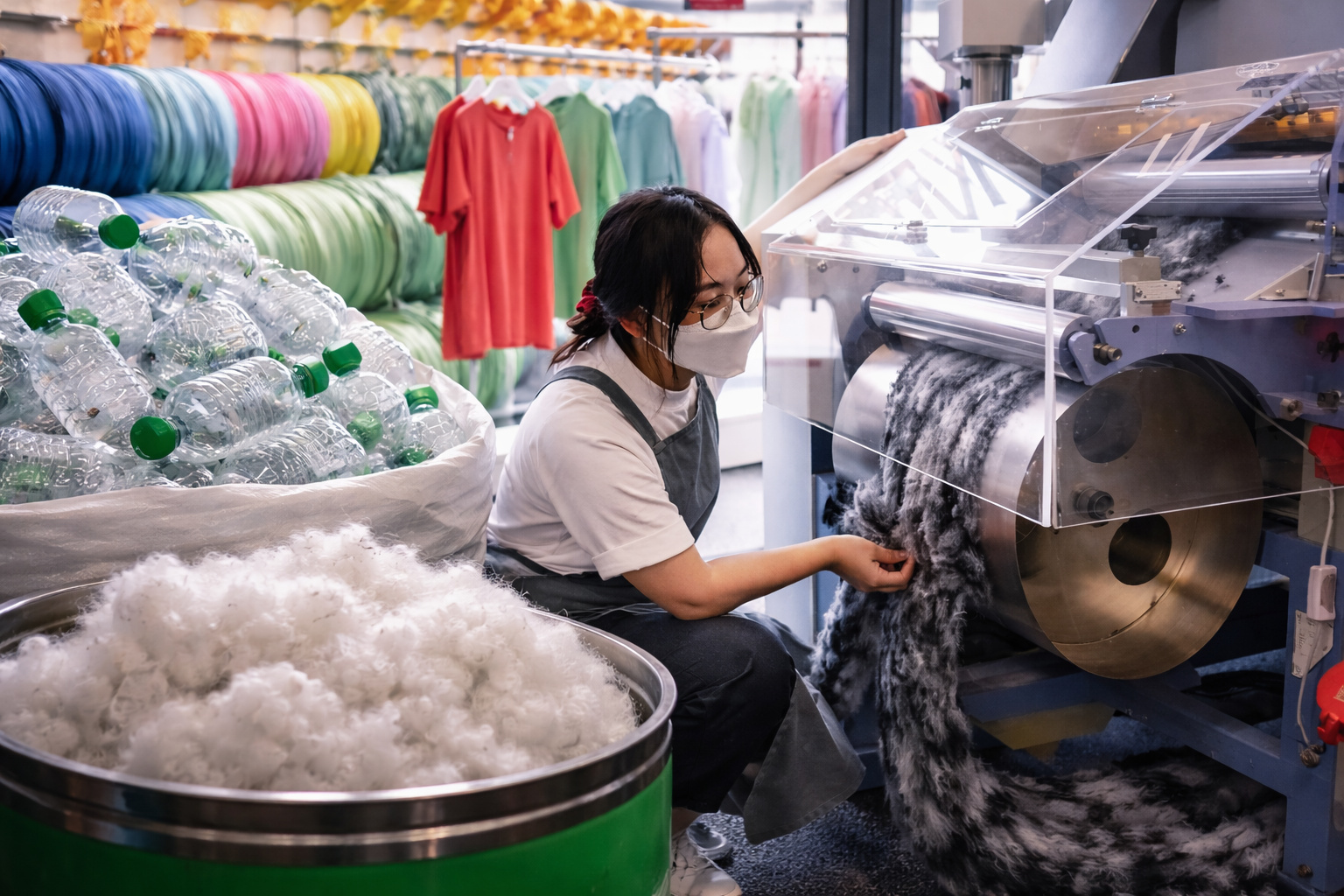
Process transforms bottles into recycled polyester, reduces environmental impact, and boosts sustainable fashion with large-scale plastic reuse
The production of clothing from recycled plastic bottles is already happening on a large scale and is gaining traction in the fashion industry. Every day, millions of packaging that would be discarded are transformed into recycled polyester, a material present in more than half of the clothes worn worldwide.
This movement draws attention for combining two important factors. On one hand, the reuse of plastic waste, which would reduce pollution. On the other, the growth of so-called sustainable fashion, which seeks to lessen environmental impacts without halting production.
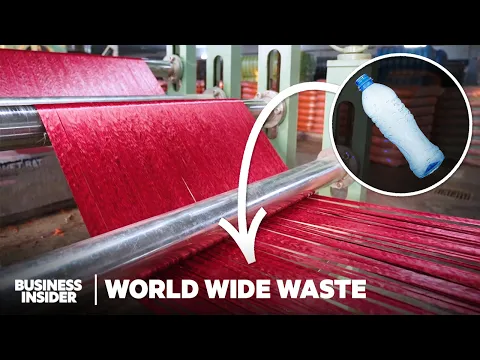

Transformation of plastic bottles into clothing is already happening on an industrial scale
The Indian company Shree Renga manages to transform about 1.5 million plastic bottles per day into textile fibers. The volume shows how the process has moved from being experimental to becoming a relevant part of the global fashion chain.
-
Sitting on the sidewalk at the end of the afternoon: the simple habit that brought neighbors together, slowed down the routine, and reveals why social interaction was stronger before the digital age.
-
Daughter of a public servant, a young woman from MA turns her fight for the environment into a victory and secures a full scholarship at a university in the USA.

-
Psychology explains why the generation that grew up in the 60s and 70s became so tough but still struggles to ask for help even when they are drowning, and the cost of this is extremely high.

-
The lemon that grows alone in Brazilian backyards has powers you can’t even imagine: it lowers high blood pressure, prevents kidney stones, fights cholesterol, and even removes rust from any surface.
The report was published by Business Insider, an international digital journalism and economics portal. The company’s daily production reaches about 25 tons of polyester, with expectations of growth in the coming years.
This type of material is made from PET, a plastic commonly found in packaging. It has a molecular structure that allows for the creation of strong, lightweight, and flexible fibers, ideal for clothing.
Steps show how plastic turns into fabric in everyday life
The process begins with the collection of used bottles. Next, they undergo sorting to separate PET from other plastics, such as caps and labels, which do not enter production.
After that, the bottles are crushed into small pieces called flakes. These fragments go through several washes to remove dirt and residues. The clean material is then melted and transformed into filaments.
These filaments are stretched and treated until they become fibers. They are then converted into threads and subsequently into fabrics. The final result can be used in the production of t-shirts, sportswear, and other textile products.
Big brands bet on recycled polyester to grow
Companies like Adidas, Nike, Zara, and Shein already use recycled polyester in their collections. The trend follows the pressure for more sustainable practices within the fashion industry.

Business Insider highlighted that more than 120 companies in the sector have committed to increasing the use of this material in their lines.
Nevertheless, traditional polyester still dominates the market. In 2020, global production was enough to fill about 2.5 million garbage trucks, with less than 15 percent coming from recycled material.
Environmental impact still concerns even with recycling
Despite the benefits, the use of recycled polyester does not eliminate all problems. Washing synthetic clothes releases microplastics, very small particles that end up in rivers and oceans.
These fibers can account for more than a third of the plastic present in the sea. Additionally, when discarded, clothes made from this material do not decompose easily.
Another challenge lies in recycling the clothes themselves. Many pieces mix polyester with cotton or other materials, making complete reuse difficult.
New technologies attempt to recycle clothes into clothes
Recent projects aim to transform used clothing into new pieces. One example is the system developed with support from H&M, which can recycle a piece in about three days.
The process involves cleaning, removing accessories, and transforming the fabric into new fibers. Even so, it is still necessary to add new material to ensure durability.
Today, less than 1 percent of old clothes are turned back into new clothes. Industrial scale remains one of the main challenges for this technology.
Sustainability grows but faces economic limits
Recycled polyester can generate about 70 percent less emissions compared to virgin material. This helps explain the growing interest from the industry.
On the other hand, cost remains an obstacle. New polyester continues to be cheaper and easier to produce in large quantities.

Meanwhile, fast fashion continues to expand and is expected to increase the use of synthetic fibers in the coming years.
The transformation of bottles into clothing shows an important path, but it does not solve the problem of waste and excessive consumption on its own.
The trend indicates that the future of fashion will depend on new technologies, changes in consumption, and greater reuse of materials.
Did you like the topic? Leave your comment and share this content with those who are also interested in sustainability and innovation.






Seja o primeiro a reagir!