





 Portuguese
  English
  Spanish
  3 min of reading
  0 comments


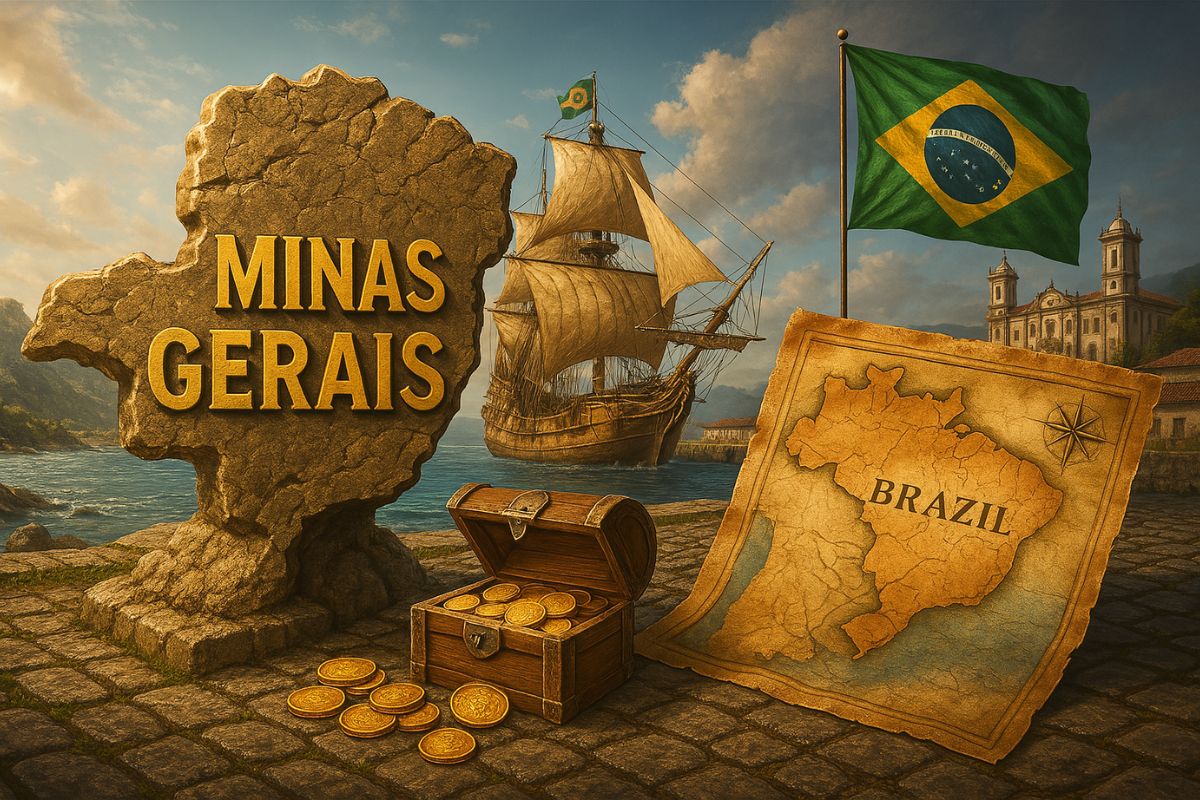
Minas Gerais was once the crown jewel of Portugal, but it never had access to the sea, and this was not by chance. Discover the astonishing truth behind this geographical isolation.
Minas Gerais, one of the most populous, wealthy, and influential states in Brazilian history, has never had a coastline. It seems just a geographical detail, right? But what if I told you that this isolation from the sea was intentional and that both the Portuguese crown and neighboring states worked hard to keep Minas at the mercy of the trade routes of others? Get ready, because this story involves sabotage, gold, politics, and even a silent war for economic influence.
Despite being only 100 km from the Brazilian coast, Minas Gerais is the only one of the large states that has never touched the sea. While all the others – Bahia, São Paulo, Rio de Janeiro, and Espírito Santo – secured their place on the coast, Minas was left out. But this did not happen by chance or geographical limitation. The story begins back in 1720, when the then captaincy of São Paulo and Minas de Ouro was divided.
Gold, Power, and Fear of Rebellion in Minas Gerais
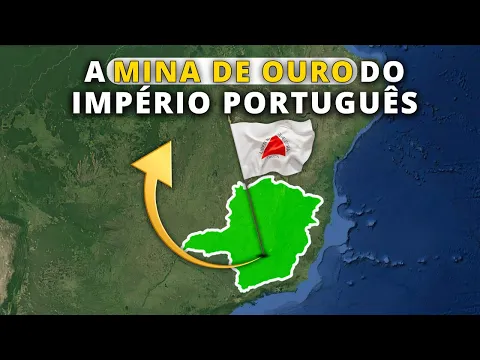

At that time, Minas Gerais represented 85% of all gold production in the Portuguese empire. The gold came primarily from Ouro Preto and nearby towns, being transported to the ports of Rio de Janeiro via the roads known as Caminho Velho and Caminho Novo. For the crown, it made perfect sense to maintain total control over the outflow of gold. And granting access to the sea for Minas? It would be like handing over the key to the safe.
-
Neurologist Richard Restak issues a severe warning to all people over 65: there is a daily habit he recommends completely eliminating from your life because it is destroying your neurons and accelerating memory loss.

-
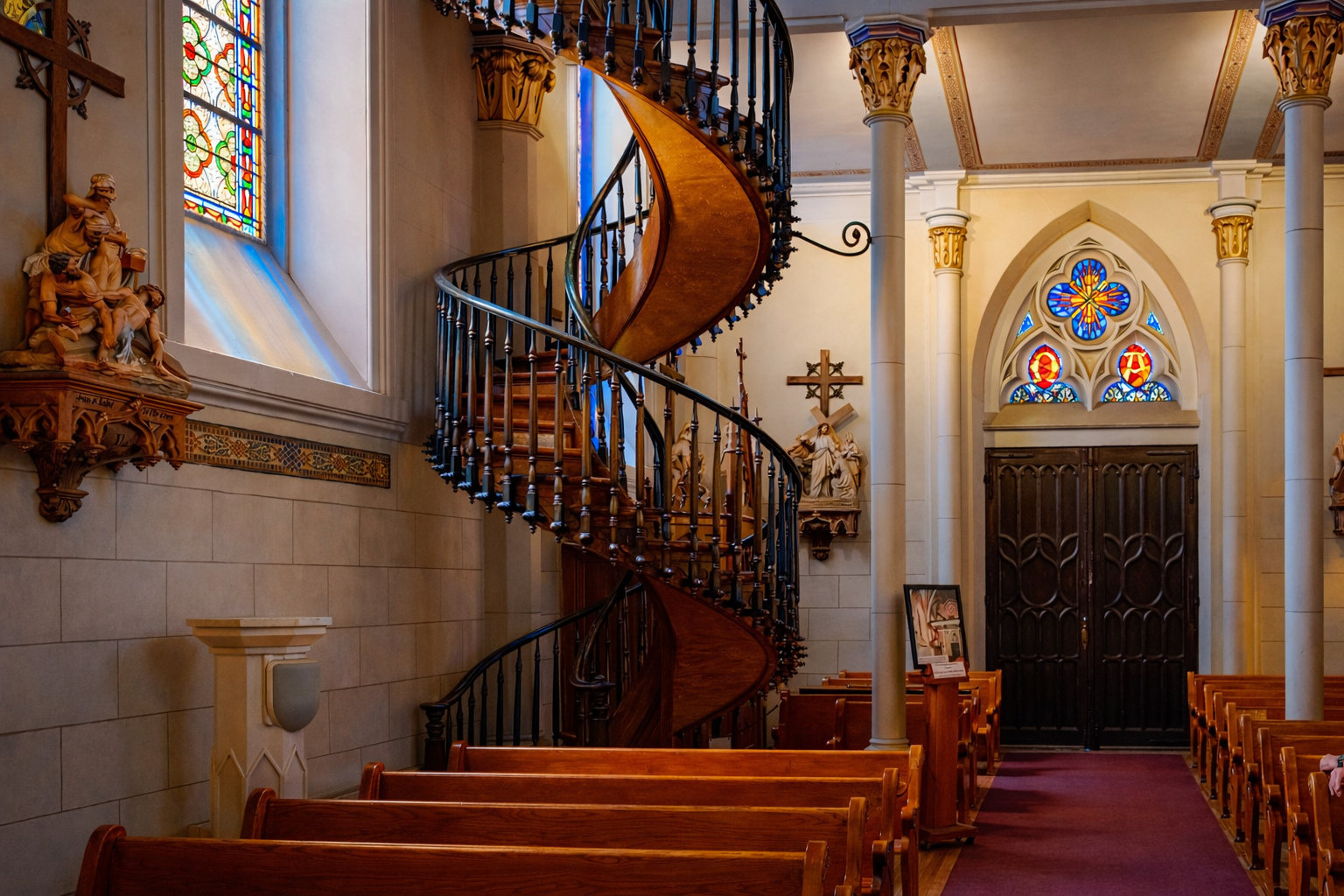
With 6.1 meters and 33 steps, the spiral staircase of the Loretto Chapel in the United States gained fame worldwide for making two complete 360-degree turns without a central support.
-
With 30 meters in length, a house in England appears to float in the air and surprises engineers and architects around the world due to its visual effect and construction method suspended over sloped terrain.

-
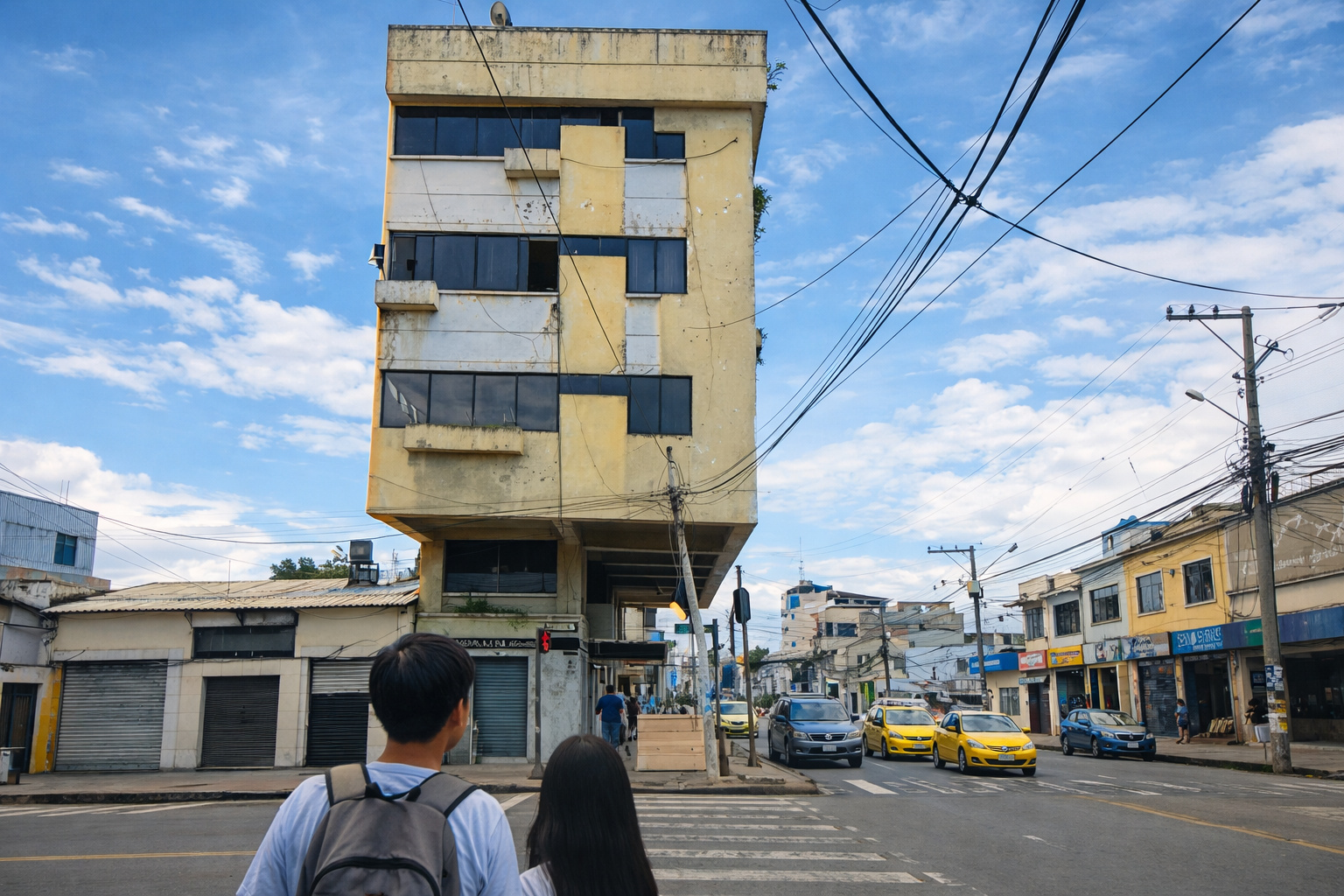
Called El Inmortal, the building that survived earthquakes in Ecuador seems to balance, defies the laws of physics, and impresses with its bold construction structure.

Absolute Control: Rio de Janeiro as the Sentinel of Gold
The Portuguese plan was clear: keep Minas Gerais surrounded and subordinate to the ports of Rio de Janeiro. Without a coastline, Minas could not export on its own, remaining dependent on external transport channels, controlled, of course, by the crown’s interests.
The Paulista Sabotage: Coffee, Railways, and Political Influence
Decades later, with the rise of coffee, Minas shone again. The south of Minas became one of the largest production hubs in the country. But again, the state hit a wall due to its lack of coastline. São Paulo, with its political influence in the federal government, systematically sabotaged Minas’ infrastructure projects. A classic example? The railway to Angra dos Reis, which would provide direct access to the sea, was stalled by Paulista pressure.
And Espírito Santo? There Was Even an Attempt to Annex Caparaó
There was a proposal to give Minas Gerais a strip of coastline in the Caparaó region of Espírito Santo. But guess what: it never left the drawing board. Neighboring states did everything they could to avoid losing territory and power. Even today, Minas relies on ports like Tubarão, where it has only an “economic space” leased, without geographical sovereignty.
Even isolated from the sea, Minas Gerais remains one of the pillars of the national economy, especially in the mining, coffee, and manufacturing sectors. But the truth is that its coastal isolation is a direct result of a cruel combination of politics, economic interests, and fear of its potential.
What could Minas have become with its own coastline? Perhaps even more powerful than it ever was. But that, as we know, never interested those who control the ports.






-

Uma pessoa reagiu a isso.