





 English
  Francês
  Alemão
  Italiano
  Japonês
  Norueguês
  Portuguese
  Spanish
 3 min of reading


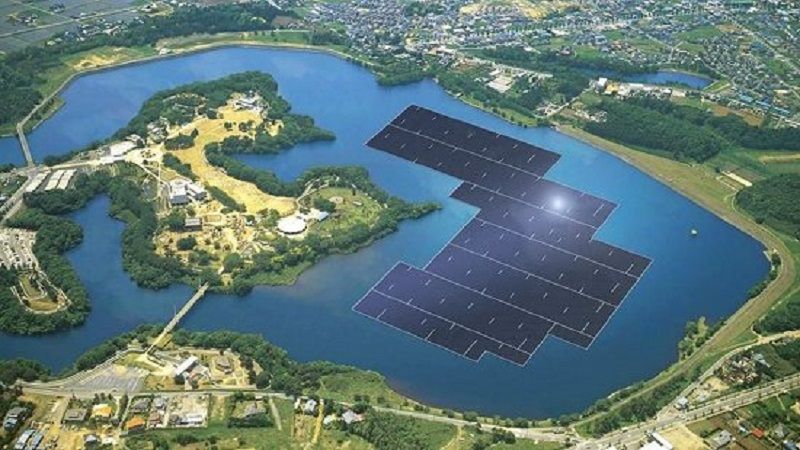
Five Solar Power Plants Will Be Installed in Goiás and the Federal District, Ensuring Regular Supply During Drought Periods
The French multinational Engie, together with the BC Energia Group, has confirmed the installation of seven solar power plants in Brazil, two of which have already been confirmed for implementation in the state of Minas Gerais. The other photovoltaic plants will be implemented in Goiás and the Federal District, respectively. With all the plants combined, the expected capacity will be 10.8 megawatts-peak.
The cost of these investments has not yet been disclosed; however, according to Emílio Lacerda, one of the leaders of this project, by 2021, approximately 20,000 households will be served, with a maximum capacity of 35.5 GWh with the addition of these plants.
Read Also
- Macaé Port Is Authorized to Receive Large Vessels from Petrobras
- Nearly 10,000 People Mobilized by Petrobras Socioenvironmental for Biome Preservation
- Traditional Manufacturer of Pipes and Fittings for Fluid Transportation, Saint-Gobain Opens Applications for Its 2021 Trainee Program
To give you an idea, with just these two solar power plants implemented in Minas Gerais, it will represent around 6 GWh / 3 MWp. It has not yet been informed which municipalities in the state will receive this endeavor from Engie and BC.
-
Rio Grande do Sul accelerates energy transition: State invests in renewable technologies and consolidates decarbonization strategies and pathways to attract billions in new industrial investments.

-
With 160,000 m² of collectors, an area larger than 20 football fields, Silkeborg, in Denmark, hosts a solar thermal plant that heats 19,500 homes and could become the largest solar heating plant in the world.

-
A study reveals the expansion of renewable energy procurement in Brazil and shows how companies are taking advantage of opportunities to reduce expenses, ensure energy efficiency, and strengthen strategic environmental commitments.

-
Mato Grosso do Sul excels in the sugar-energy sector: the state reaches a milestone of 22 operating mills and accelerates the production of clean energy in MS with a focus on sustainability.


About the Solar Power Plants in Goiás and DF
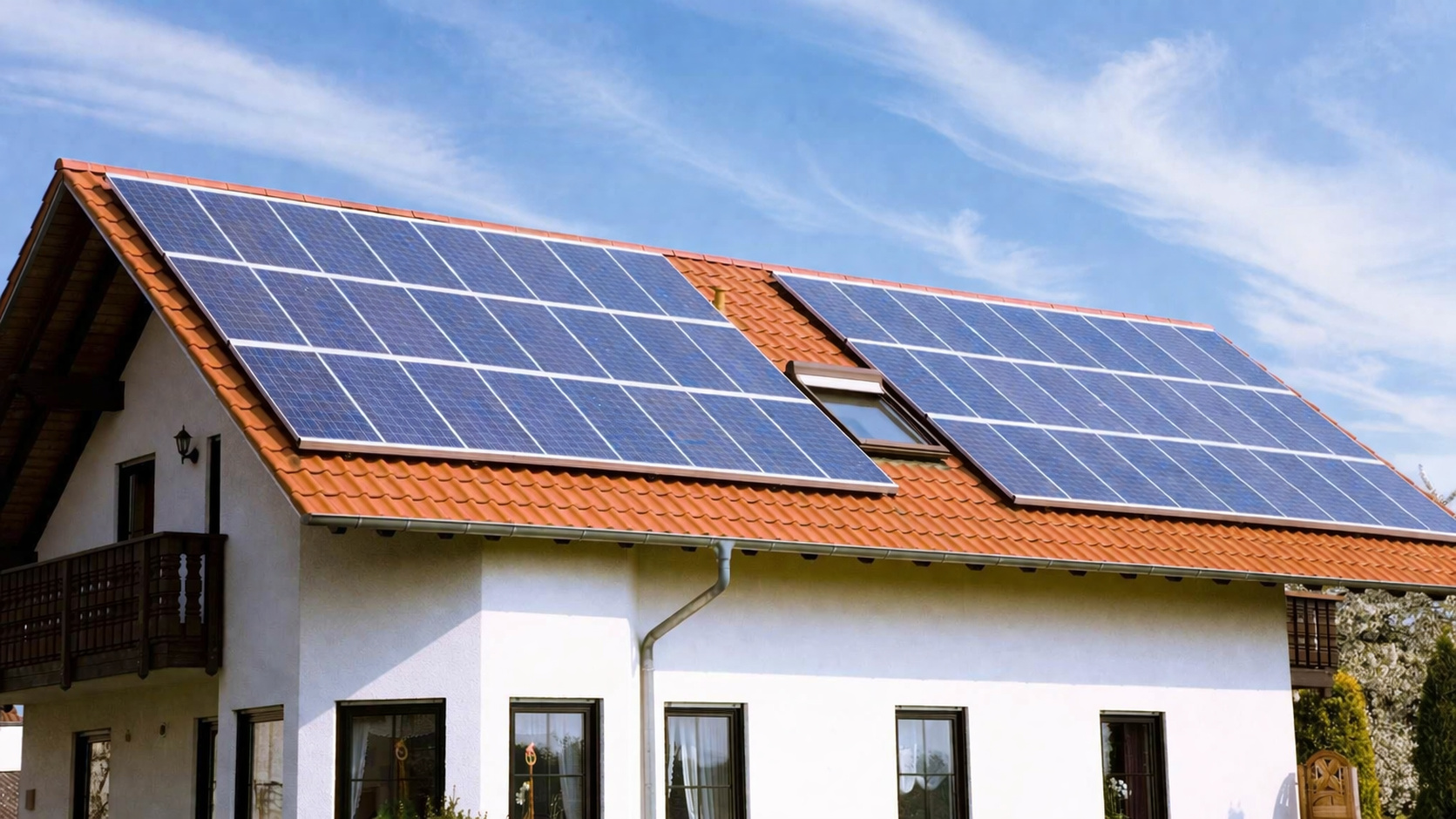
Three plants are planned to be built in Goiás, which could mean an increase of more than 4.6 MWp in the state’s energy matrix, with BR Energia holding about 6% of the production. In the Federal District, two plants will be implemented, adding 3MWp of energy, with BC holding 10% of the generation.
“This project was effectively developed collaboratively, with technical characteristics and final purposes developed jointly by Engie and BC. We have been working since the beginning of the year, which allowed us to complete the first phase by mid-April and the second by the end of June,” said Emílio.
According to Emílio, the implementation schedule for the photovoltaic plants is as follows: First in Goiás and DF (two plants), which are already underway. The second phase will be in Minas Gerais and the remaining five plants.
“According to the schedule established with BC, we will have two or three more projects to be implemented this year, with two or three remaining for the first four months of 2021. We are trying to expedite these timelines, especially for the plants in the Federal District and Minas, so that BC can operationalize its clients’ supply,” he added.
Hybrid System: Solar Energy + Hydroelectric
This is not the first time that Engie and BC Energia have worked on implementing projects. In 2018, the first hybrid plant was built in the city of Caiapônia, Goiás, where the energy source is derived from both hydroelectric and solar. This plant is located within the Rio Bonito complex, operated by BC Energia, which also owns two CGH (Small Hydroelectric Plants), named Rio Bonito I and II, with a nominal capacity of 1,900 KVA.
By incorporating solar energy production into its operations portfolio, it is possible to maintain a certain stability in energy production, unlike hydroelectric energy, which produces less during drought periods, often causing CGH’s to enter contingency mode.
This project is one of the largest in Brazil for hybrid generation that forms part of the energy injection compensation system, where what is not consumed is returned to the grid and converted into credits for later consumption.






Seja o primeiro a reagir!