





 English
  Francês
  Alemão
  Italiano
  Japonês
  Norueguês
  Portuguese
  Spanish
 3 min of reading


The Innovative Agreement Aims to Mine Oxides in Rare Earths from Byproducts of Mosaic in Uberaba, Minas Gerais
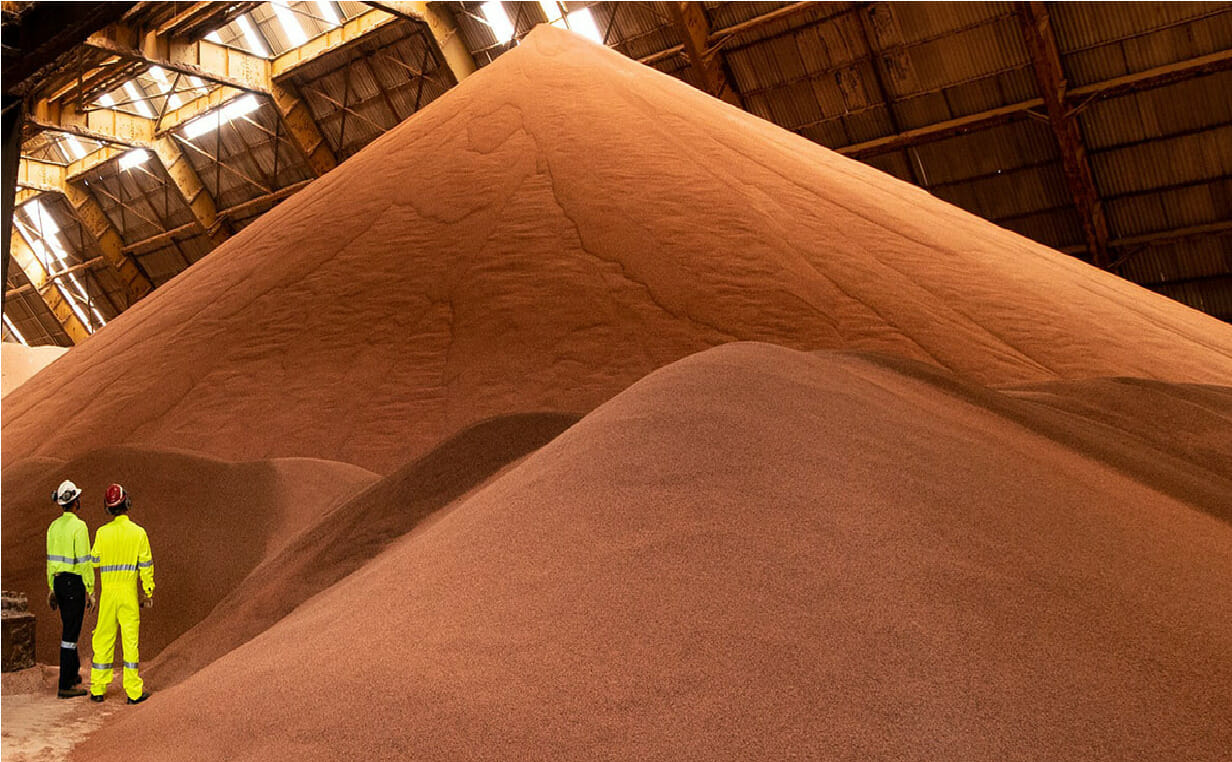
The rare earth market has gained prominence with the recent partnership between Rainbow Rare Earths and Mosaic Fertilizers. The British miner Rainbow and the Brazilian fertilizer producer Mosaic have entered into an agreement to develop a rare earth mining process from Mosaic’s phosphogypsum pile in Uberaba, part of the Triângulo Mineiro region in Minas Gerais.
The expectation is that the material extracted by the miner will have a content and composition of rare earth elements similar to Rainbow’s project in South Africa, due to the similarities of the raw materials.
The extraction of rare earths by the miner in Minas Gerais will take place from byproducts of phosphoric acid production, mainly composed of hard rock carbonatite. Although the carbonatite does not contain enough rare earth elements to be mined solely for these elements, Mosaic’s plant processes allow for the concentration of the amount of rare earths present, resulting in higher concentrations than those found in the original rock.
-
Brazil extracts 26.3 million tons of ore from what was previously treated as waste, transforming residues into wealth, producing over 3 million tons of sand, and demonstrating how national mining is relearning to generate value.

-
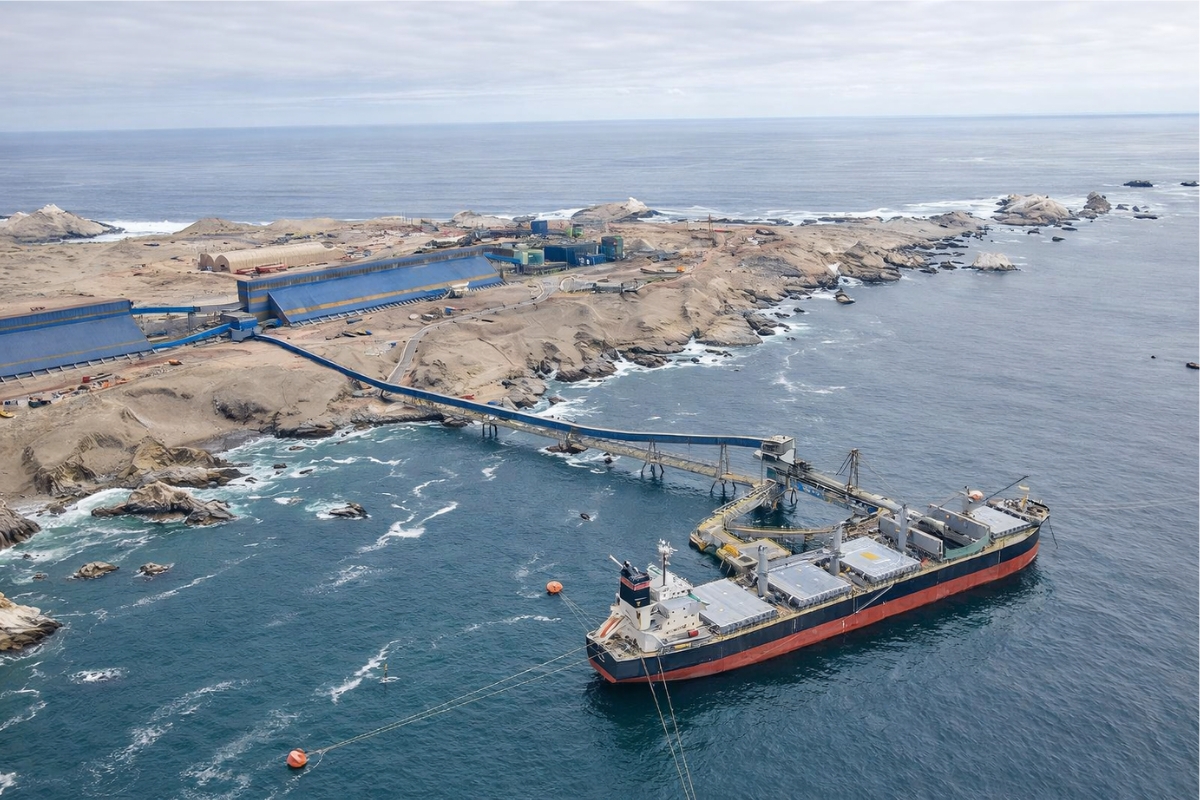
A $3.5 billion megaproject in Latin America pumps desalinated seawater at 1,050 liters per second over 194 km to keep a copper supermine in the Andes operational for another 20 years.
-
New shoe factory in Ceará is expected to create 400 jobs and strengthen the local economy.
-
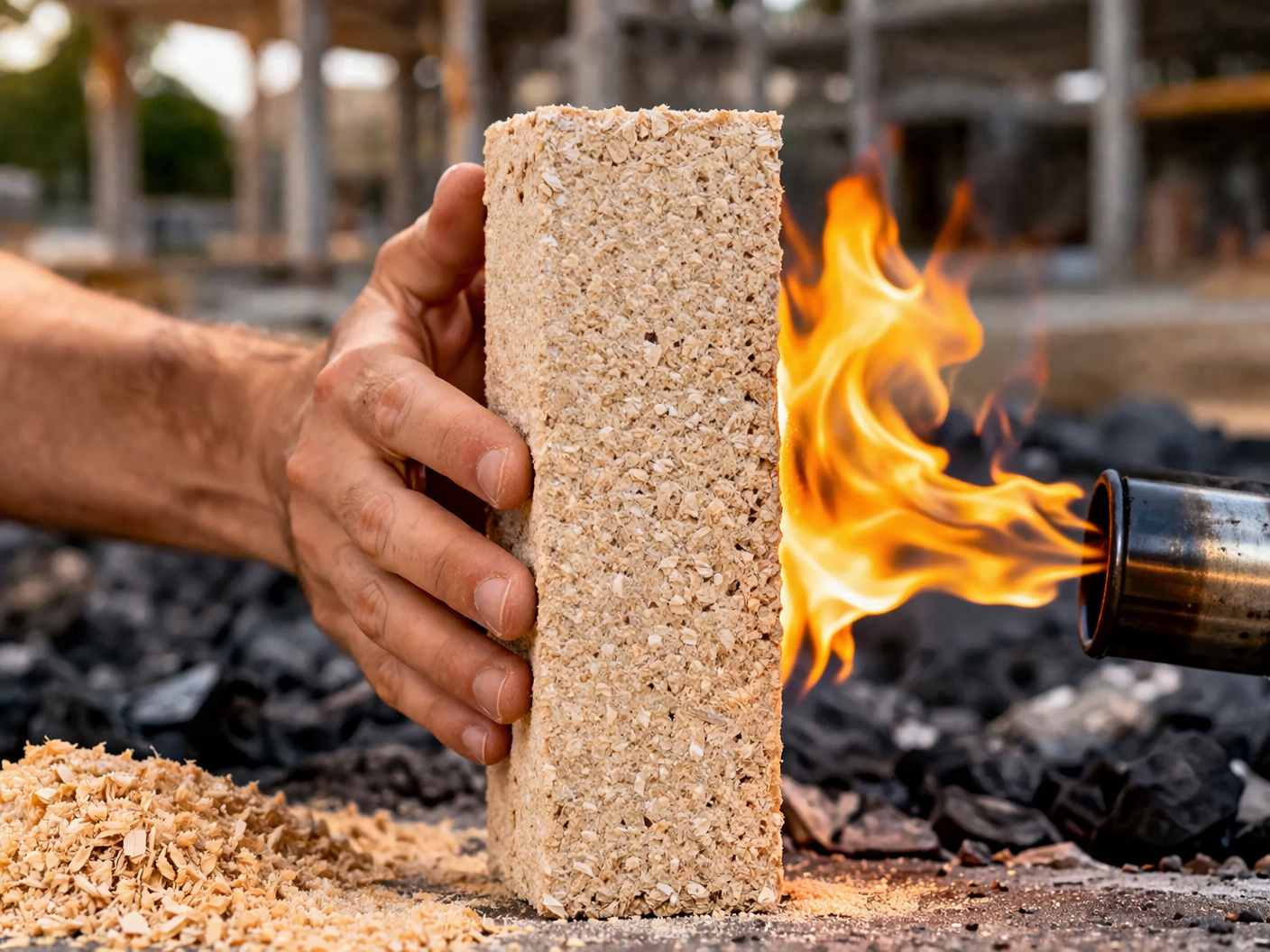
No one imagined it, but a mixture of sawdust with a mineral that fights fires surprises scientists with a result that changes the course of fire-resistant construction.

The Mining Process in Minas Gerais
The miner’s process in Minas Gerais also subjects the material to sulfuric acid and heat, leading to the formation of chemically ‘broken’ phosphogypsum material. This mining method by the miner in Minas Gerais makes the rare earth elements associated with phosphogypsum susceptible to direct leaching with acid, enabling a simpler hydrometallurgical process to produce separated and purified rare earth oxides.
The agreement between Rainbow Rare Earths and Mosaic in Minas Gerais aligns with the principles of sustainability and socio-environmental responsibility. Mosaic has been investing in initiatives to transform products from the mining process into specialties, making the operation more sustainable and generating greater value for the business.
For Rainbow, the mining partnership in Minas Gerais represents an opportunity to apply extraction technology developed in collaboration with K-Tech to become a producer of multiple rare earth elements from secondary sources. This diversification of the mining portfolio in Minas Gerais further reduces risks and positions Rainbow as a pioneer in establishing an independent and ethical supply chain for rare earth elements.
Strengthening Sustainable Rare Earth Mining Production in Minas Gerais
Mosaic’s Senior Vice President, Corrine Ricard, emphasized the importance of innovation and sustainability for the fertilizer company. She highlighted that mining rare earth oxides from the company’s gypsum deposit is a natural extension of the work already being done by the company in reusing gypsum. This miner’s initiative contributes to Mosaic’s mission to provide food for the world, by leveraging the shared value of the co-products it produces.
The mining partnership between Rainbow Rare Earths and Mosaic Fertilizers represents an important step towards sustainable rare earth production in Brazil, strengthening the supply chain of these essential elements for the transition to green energy. With this innovative agreement, the industry gains new short-term production opportunities, boosting the circular economy and promoting sustainability in the oil and gas sector.






Seja o primeiro a reagir!