





 English
  Francês
  Alemão
  Italiano
  Japonês
  Norueguês
  Portuguese
  Spanish
  3 min of reading


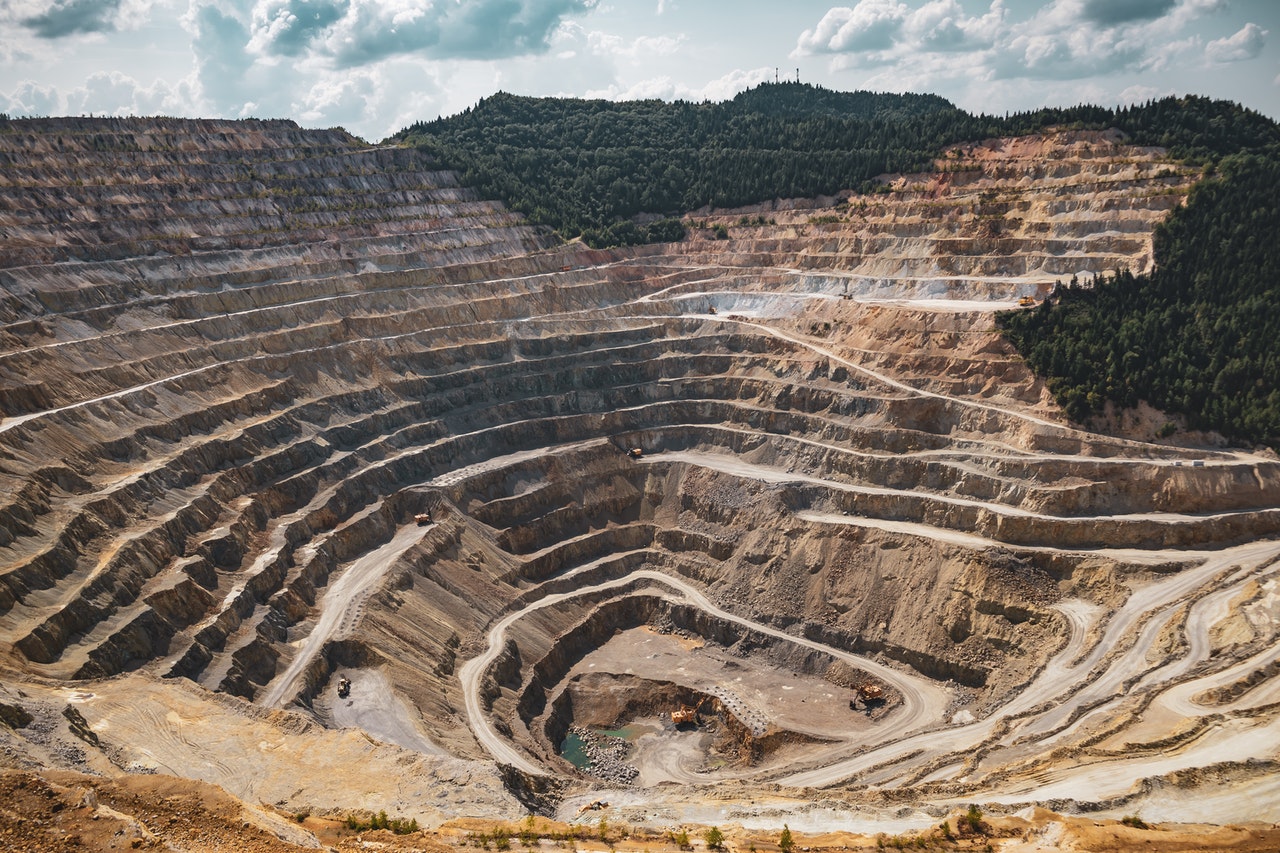
Decline Of 20% In Revenue From Minerals In Brazil Is Due To Climatic Impacts In Minas Gerais And Price Control And Covid Combat Measures Employed By China
As a result of climatic factors related to heavy rain in Minas Gerais and external factors linked to China’s restrictions, the mineral industry in Brazil experienced a downturn in the first three months of this year. When compared to the first quarter of 2021, mineral production saw a decrease of 13%, while revenue fell by 20% in the first quarter of 2022, according to information released by the Brazilian Mining Institute (Ibram). The production in question amounted to 200 million tons, and the corresponding gain was R$ 56.2 billion.
The Brazilian Mining Institute also stated that the reduction in the mineral industrial sector can be attributed to the heavy rainfall in the state of Minas Gerais – the second-largest mineral producer in Brazil – which led to a decline in the country’s iron ore production, and to the isolation measures implemented in multiple cities in China due to Covid-19.
According to an article by Iuri Corsini for CNN, published on 04/26, China, Brazil’s main partner in the mineral sector that has already purchased more than 60% of production, reduced the amount of minerals imported from Brazil by 12%, resulting in a 31% drop in import values in the first three months of this year compared to the same period last year, and a 29% decline when considering the last quarter of 2021. Ultimately, there was a reduction of 22.8% in Brazil’s exports during this period.
-
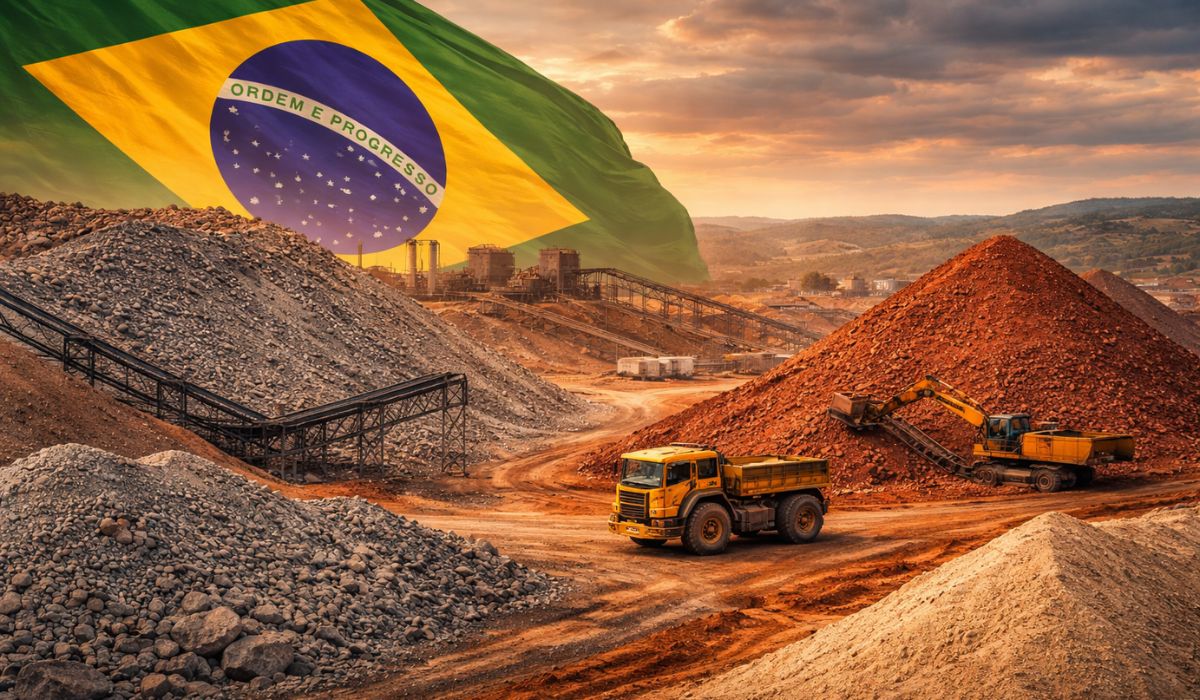
Brazil extracts 26.3 million tons of ore from what was previously treated as waste, transforming residues into wealth, producing over 3 million tons of sand, and demonstrating how national mining is relearning to generate value.
-
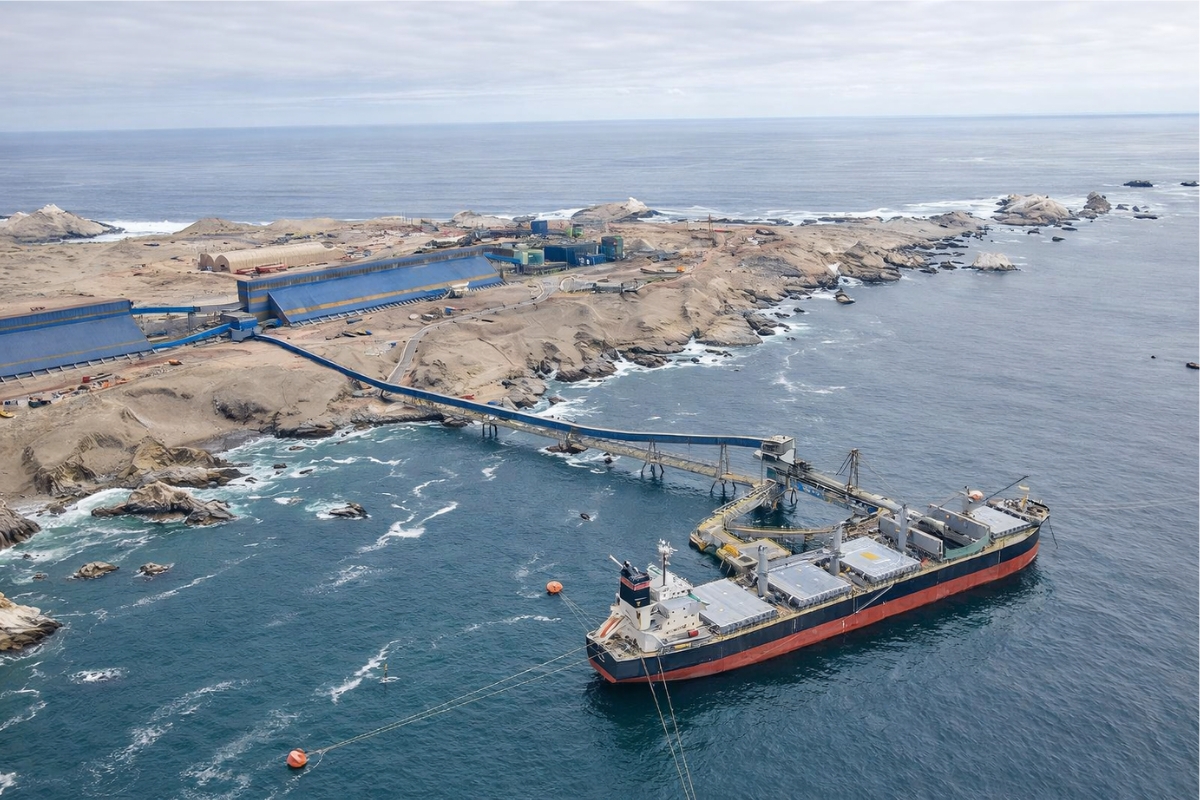
A $3.5 billion megaproject in Latin America pumps desalinated seawater at 1,050 liters per second over 194 km to keep a copper supermine in the Andes operational for another 20 years.
-
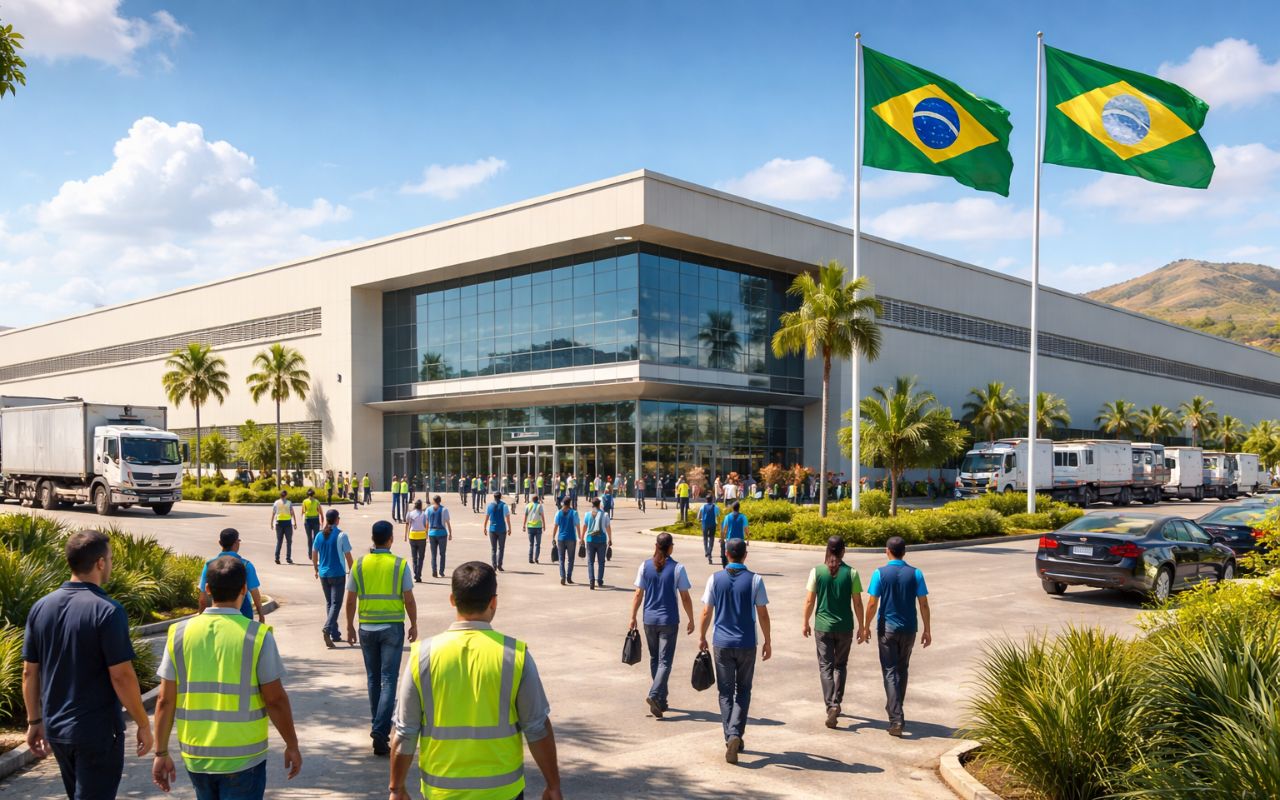
New shoe factory in Ceará is expected to create 400 jobs and strengthen the local economy.
-
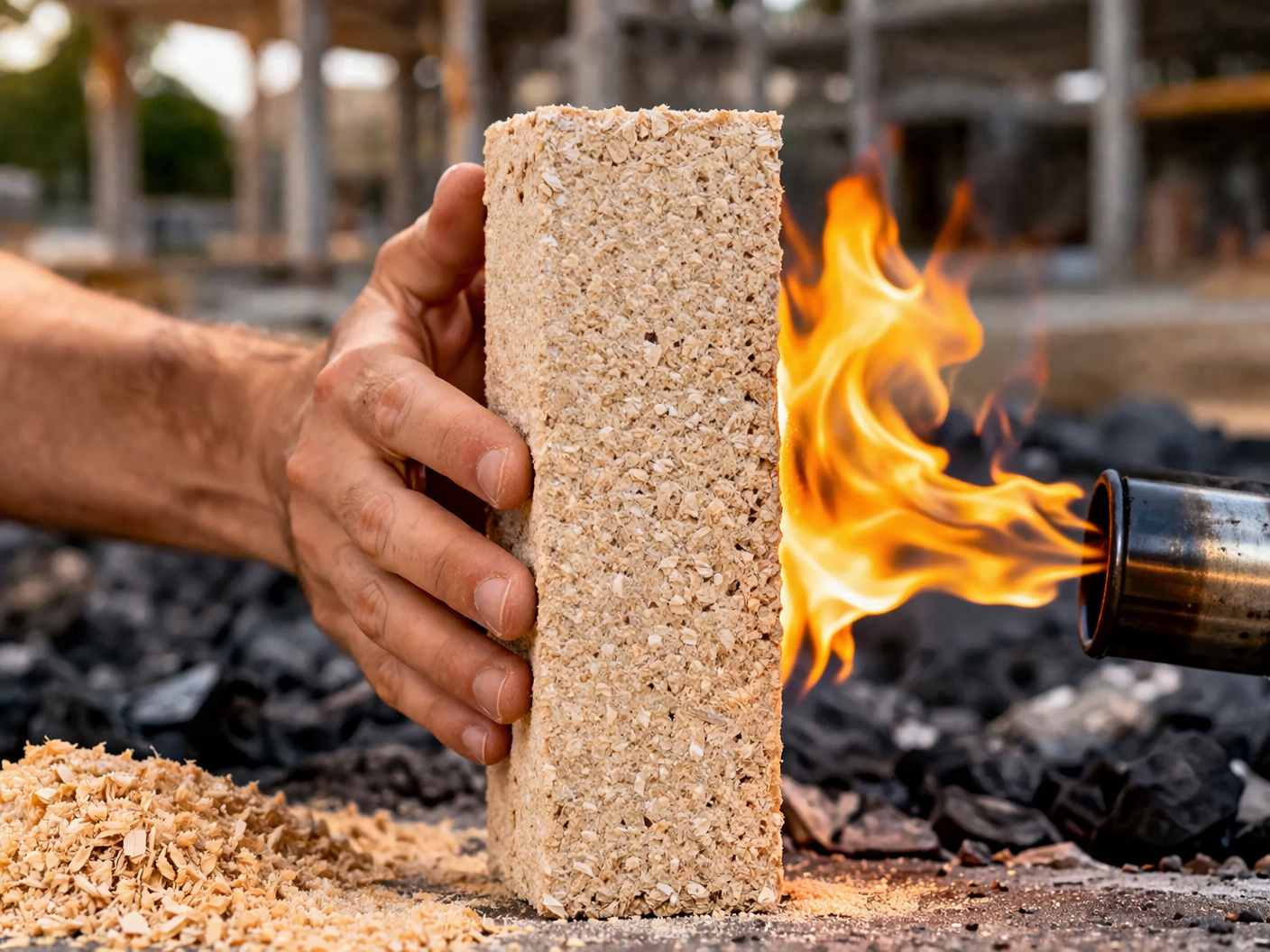
No one imagined it, but a mixture of sawdust with a mineral that fights fires surprises scientists with a result that changes the course of fire-resistant construction.

Despite this, Brazil recorded a positive mineral trade balance of US$ 6.2 billion, receiving R$ 19.4 billion (20% lower) in taxes and royalties.
Iron Ore Leads In Revenue Percentages
The highest revenue is due to iron ore, which accounts for 58.1% of the total earnings of the mineral industry, totaling R$ 32.7 billion (a 33% drop compared to the first quarter of 2021 and a 43% drop compared to the last three months of that year). The second and third places belong, respectively, to gold and copper, which account for 11% (R$ 6.5 billion) and 9% (R$ 5 billion) of the total revenue. Regarding the minerals imported by Brazil in the first three months of 2022, the most important were potassium, which is essential for fertilizer production and accounted for 46% of imports, and coal, which accounted for 40%.
Additionally, Ibram established that the expected capital investments for the next five years – from 2022 to 2026 – in the mineral sector amount to US$ 40.4 billion, of which US$ 36.2 billion is aimed at production and infrastructure, and US$ 4.2 billion corresponds to socio-environmental investments. Of the total amount, 46% is already underway.
Ibram Director Highlights Importance Of The Mineral Sector For The Brazilian Economy
According to Ibram’s president, Raul Jungmann, the data shows that the large amounts of investments highlight the importance of the mineral industrial sector for Brazil’s economy, despite the declines observed compared to the previous year.
The director also stated that: “Even when there is a decline in results, mineral exports generate foreign exchange that the country cannot forgo. Therefore, it is very convenient for the country to stimulate mineral research so that there can be planned expansion of sustainable mining and, in addition, there needs to be an understanding that this industry cannot be exposed to repeated attempts to bleed its competitiveness through elevated taxes and charges, as has been observed.”
Regarding the relationship with China, Jungmann pondered whether Brazil’s dependence on the country might be excessive, as when China changes its policies, Brazil’s mineral industry is immediately affected.
Even though China may continue to employ strategies to regulate mineral prices, Ibram anticipates a slight recovery in results during the remainder of the year. This is because, according to the institute, climatic impacts are more common at the beginning of the year, so production in Brazil should no longer be impacted by them.






Seja o primeiro a reagir!