





 Portuguese
  English
  Spanish
  5 min of reading
  0 comments


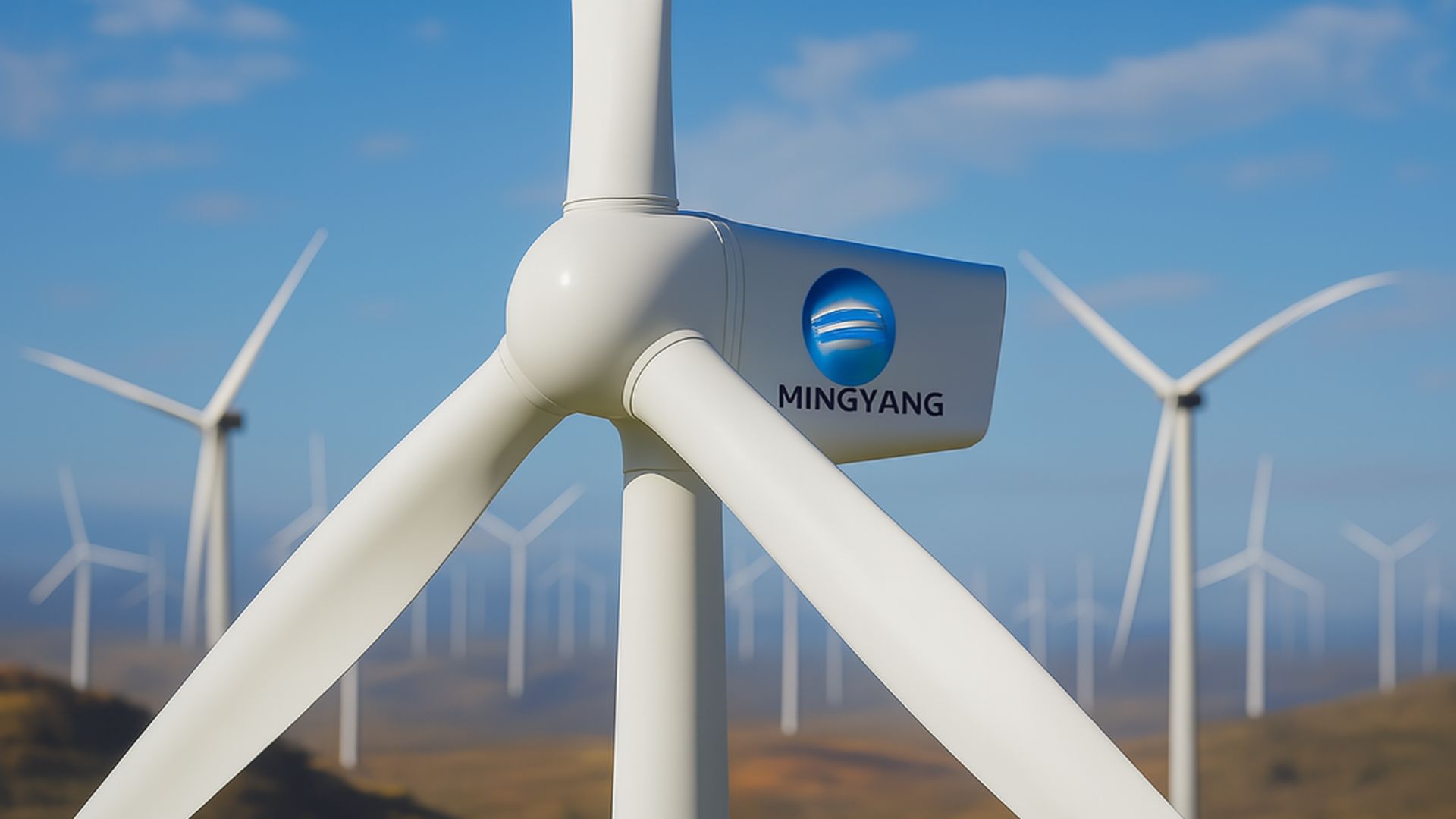
Ming Yang Expands Its International Presence with New Wind Energy Hub in Scotland, Reinforcing Billion-Dollar Investments in Wind Turbines and Sustainable Innovation in the Global Energy Sector
On October 13, 2025, the Chinese company Ming Yang Smart Energy Group Limited announced a strategic project to build an integrated manufacturing base for wind turbines in Scotland.
According to information from Investing.com, with an investment of £1.5 billion, the initiative aims to strengthen the company’s global presence in the wind energy sector and boost the energy transition in the United Kingdom.
Wind Energy Project in Scotland: Key Highlights
The new facility will be built in three phases, with the first expected to be operational by the end of 2028. The chosen location is the port of Ardersier, in the Scottish Highlands, a region with strong potential for offshore wind energy generation.
-
Renewable energy advances over protected areas in Brazil, and a survey by the Energy Transition Observatory reveals silent impacts that challenge environmental conservation and pressure sensitive traditional territories.

-
Rio Grande do Sul accelerates energy transition: State invests in renewable technologies and consolidates decarbonization strategies and pathways to attract billions in new industrial investments.

-
With 160,000 m² of collectors, an area larger than 20 football fields, Silkeborg, in Denmark, hosts a solar thermal plant that heats 19,500 homes and could become the largest solar heating plant in the world.

-
A study reveals the expansion of renewable energy procurement in Brazil and shows how companies are taking advantage of opportunities to reduce expenses, ensure energy efficiency, and strengthen strategic environmental commitments.


- The first phase will receive £750 million in investments.
- About 1,500 direct jobs will be created initially.
- The base will produce nacelles and blades for wind turbines, essential components for offshore wind farms.
Billion-Dollar Ming Yang Investment and Economic Impact in Scotland
The £1.5 billion investment will be distributed over the three phases of the project, focusing on infrastructure, technology, and workforce training. The first phase will be dedicated to constructing the initial facilities and training the local workforce.
This is one of the largest foreign investments in the UK clean energy sector. The expectation is that the project will boost the Scottish economy, attract new businesses, and strengthen the wind energy supply chain.
Additionally, Ming Yang’s initiative directly contributes to the Scottish government’s climate goals, which aim to achieve net-zero carbon emissions by 2045.
Structure of Ming Yang’s Integrated Wind Turbine Base
The base will be the first of its kind in the United Kingdom, with the capacity to integrate all stages of wind turbine manufacturing. This includes:
- Assembly of nacelles, which house the mechanical and electrical components of the turbine.
- Production of aerodynamic blades, responsible for capturing wind power.
- Port infrastructure to facilitate transportation and export of equipment.
The integration of these stages will allow for greater operational efficiency, cost reduction, and faster project delivery.
Ming Yang’s Global Expansion in the Wind Energy Sector
The construction of the base in Scotland is part of a global plan by Ming Yang to consolidate its presence in the European and British markets. The company already operates in several countries in Asia and is expanding its presence in regions with high potential for wind energy generation.
With this initiative, Ming Yang reinforces its commitment to decarbonization and technological innovation.
The company also plans to use the Scottish base as a platform to export wind turbines to other countries in Europe, strengthening its position as a global leader in renewable energy solutions.
Data and Statistics from the Wind Energy Sector in the United Kingdom
According to the WindEurope report, Europe added 16 GW of wind capacity in 2024, with 11 GW onshore and 5 GW offshore. The United Kingdom leads investments in offshore wind energy, with over 14 GW installed by 2025.
Other relevant data includes:
- Wind energy accounts for about 25% of the UK electricity matrix.
- The United Kingdom has over 40 offshore wind farms in operation.
- Scotland accounts for about 60% of the country’s offshore wind potential.
These figures demonstrate Scotland’s strategic role in the European energy transition.
Institutional Partnerships and Support for Ming Yang’s Investment
The Ming Yang project has the support of local and national authorities, including:
- Scottish government, which offers tax incentives and infrastructure support.
- Regional development agencies, which work on professional training and integration with universities.
- Local companies, which will be partners in the supply chain of materials and services.
The collaboration between the public and private sectors is essential for the success of the venture. Furthermore, the base could attract new investments and stimulate the creation of technological hubs focused on renewable energy.
Sustainability and Innovation in Wind Turbine Manufacturing
Ming Yang is recognized for developing state-of-the-art wind turbines, focusing on energy efficiency and low environmental impact. The new base in Scotland will be equipped with advanced technologies, such as:
- Remote monitoring systems for real-time operation.
- Artificial intelligence for predictive maintenance.
- Use of recyclable materials and sustainable processes.
These innovations ensure greater durability, safety, and performance of the turbines.
Why Scotland Was Chosen for Ming Yang’s Project?
The choice of Scotland as the project’s headquarters was strategic. The country offers:
- Abundant natural resources, with strong and consistent winds.
- Modern port infrastructure, ideal for exports.
- Advanced environmental policies, with ambitious carbon reduction goals.
Scotland can establish itself as a strategic hub for the development of wind energy in Europe. Additionally, the Ardersier region has an industrial history and is being revitalized to host large sustainable enterprises.
Challenges and Perspectives for the Future of Wind Energy
Despite the optimism, the project faces significant challenges:
- Environmental licensing, which requires detailed studies on the construction impact.
- Training the local workforce, especially in technical and engineering areas.
- International competition, with European companies vying for market share in wind turbines.
However, Ming Yang shows confidence in the project’s viability and has already started negotiations with local authorities and preliminary technical studies. The expectation is that the base will be fully operational by 2030, significantly contributing to the global energy transition.

What’s at Stake with Ming Yang’s Investment in Scotland?
Ming Yang’s announcement in October 2025 may represent a turning point for the renewable energy sector in the United Kingdom. With a robust investment, cutting-edge technology, and a focus on sustainability, the construction of the integrated wind turbine base in Scotland promises to generate jobs, boost the economy, and accelerate decarbonization.
Additionally, it reinforces Scotland’s role as a leader in wind energy and highlights the importance of global partnerships to tackle climate challenges.







-

Uma pessoa reagiu a isso.