





 English
  Francês
  Alemão
  Italiano
  Japonês
  Norueguês
  Portuguese
  Spanish
  4 min of reading


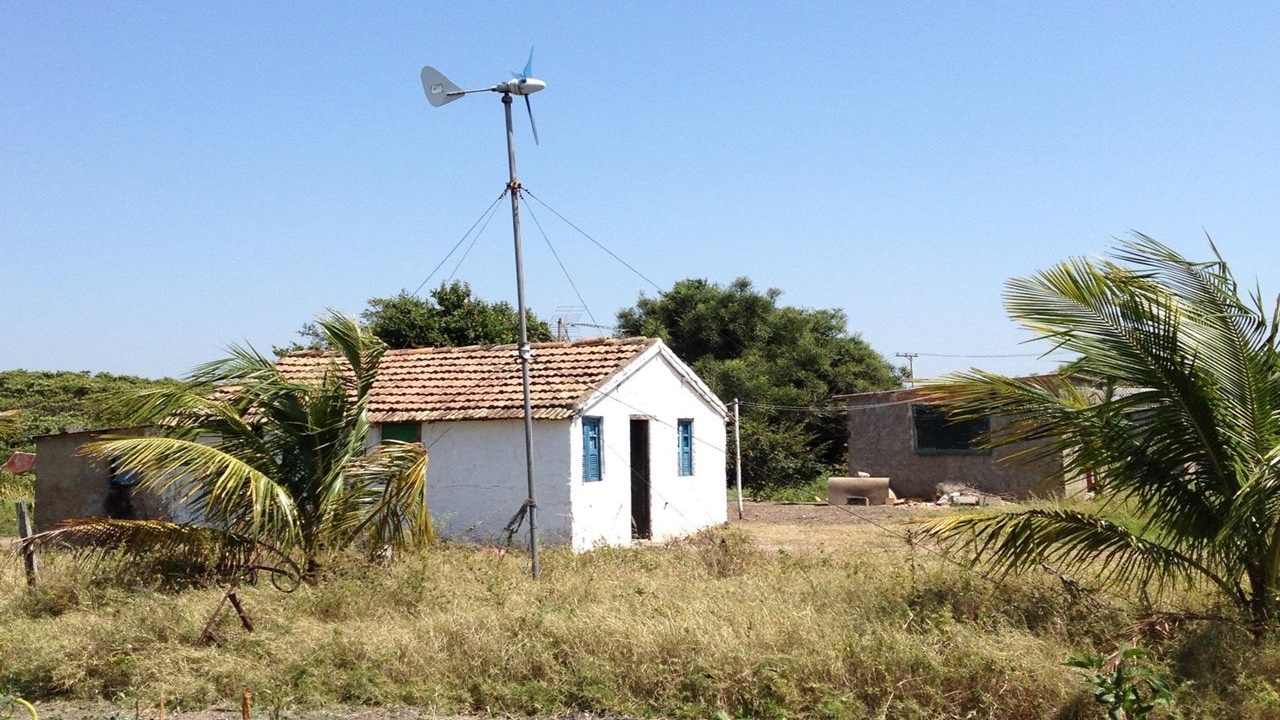
Home Wind Energy Works Similar to Large Turbines in Wind Farms, However, in a Reduced Size.
Only in Ceará, there are 27 mini plants distributed across eight different municipalities, which supply 90 units. With a still incipient market throughout Brazil, the use of mini wind turbines (wind generators) for Distributed Generation of energy is not yet well known. The production of wind energy at home works similarly to large wind farms, but in a reduced size.
With the high cost of electricity throughout Brazil, due to the water crisis and the use of thermoelectric plants, wind energy may gain new supporters in the country, just as solar energy does.
Watch the Video Below and See How to Install Your Mini Wind Turbine
High Cost of Electricity in Brazil Drives Brazilians to Switch to Wind and Solar Energy
With the high cost of electricity throughout Brazil, due to the water crisis and the use of thermoelectric plants, wind energy may gain new supporters in the country, just as solar energy does.
-
A study reveals the expansion of renewable energy procurement in Brazil and shows how companies are taking advantage of opportunities to reduce expenses, ensure energy efficiency, and strengthen strategic environmental commitments.

-
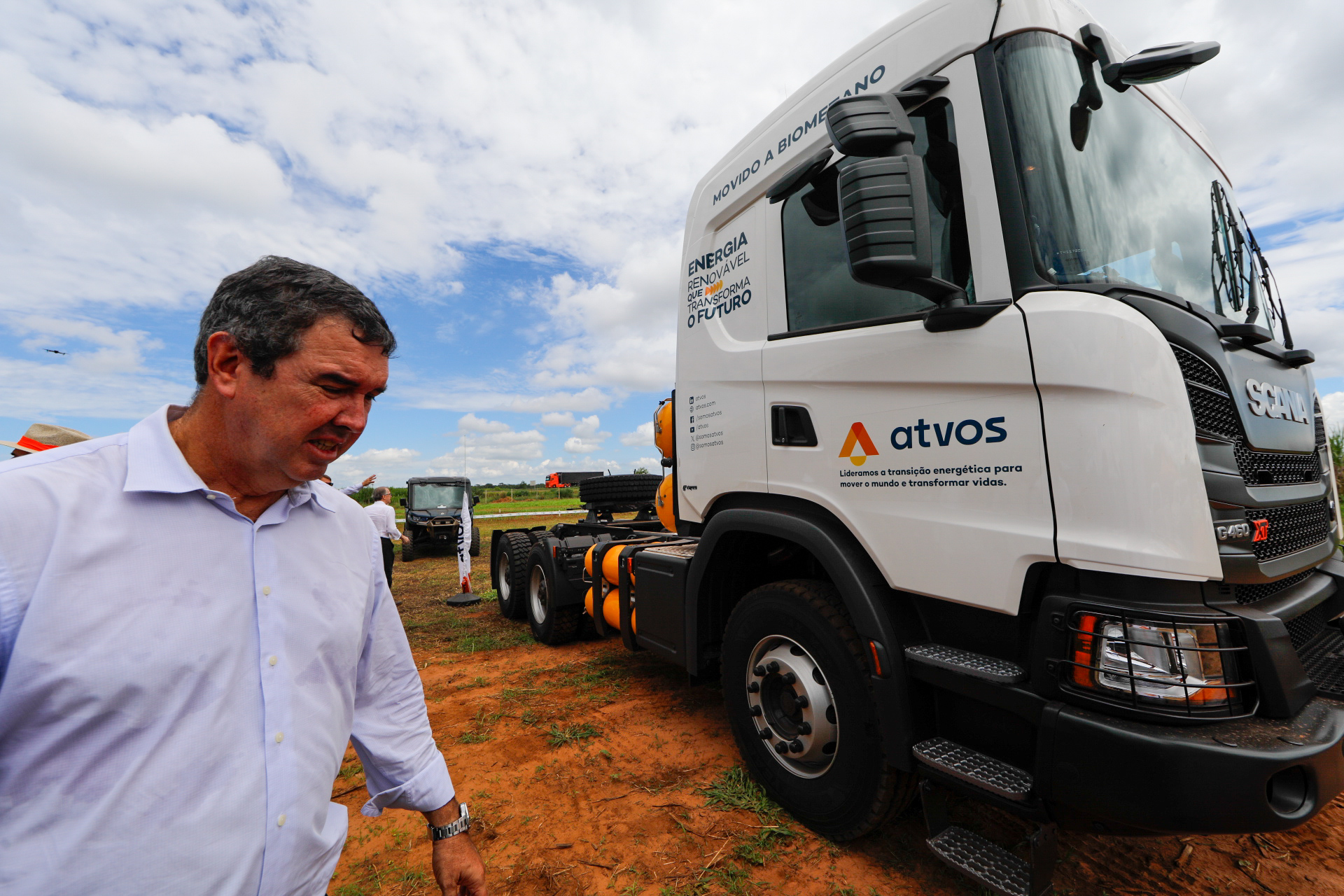
Mato Grosso do Sul excels in the sugar-energy sector: the state reaches a milestone of 22 operating mills and accelerates the production of clean energy in MS with a focus on sustainability.
-
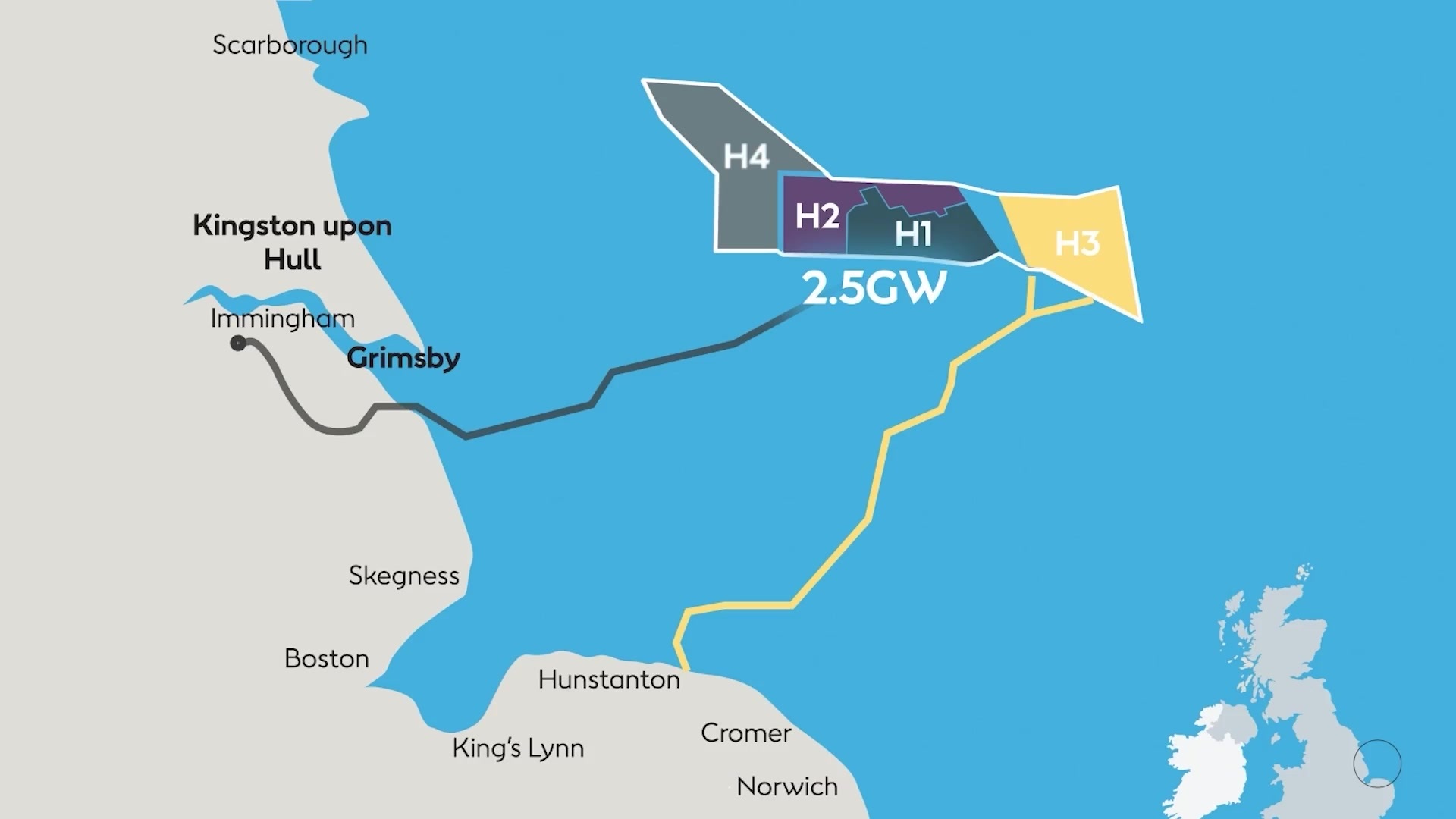
231 turbines of 260 meters at 160 km from the coast, monopiles weighing as much as nine blue whales embedded in the North Sea, and a crane ship taller than the Eiffel Tower: Hornsea 3 will be the largest offshore wind farm on the planet by 2027, and its first components have already arrived in England.
-
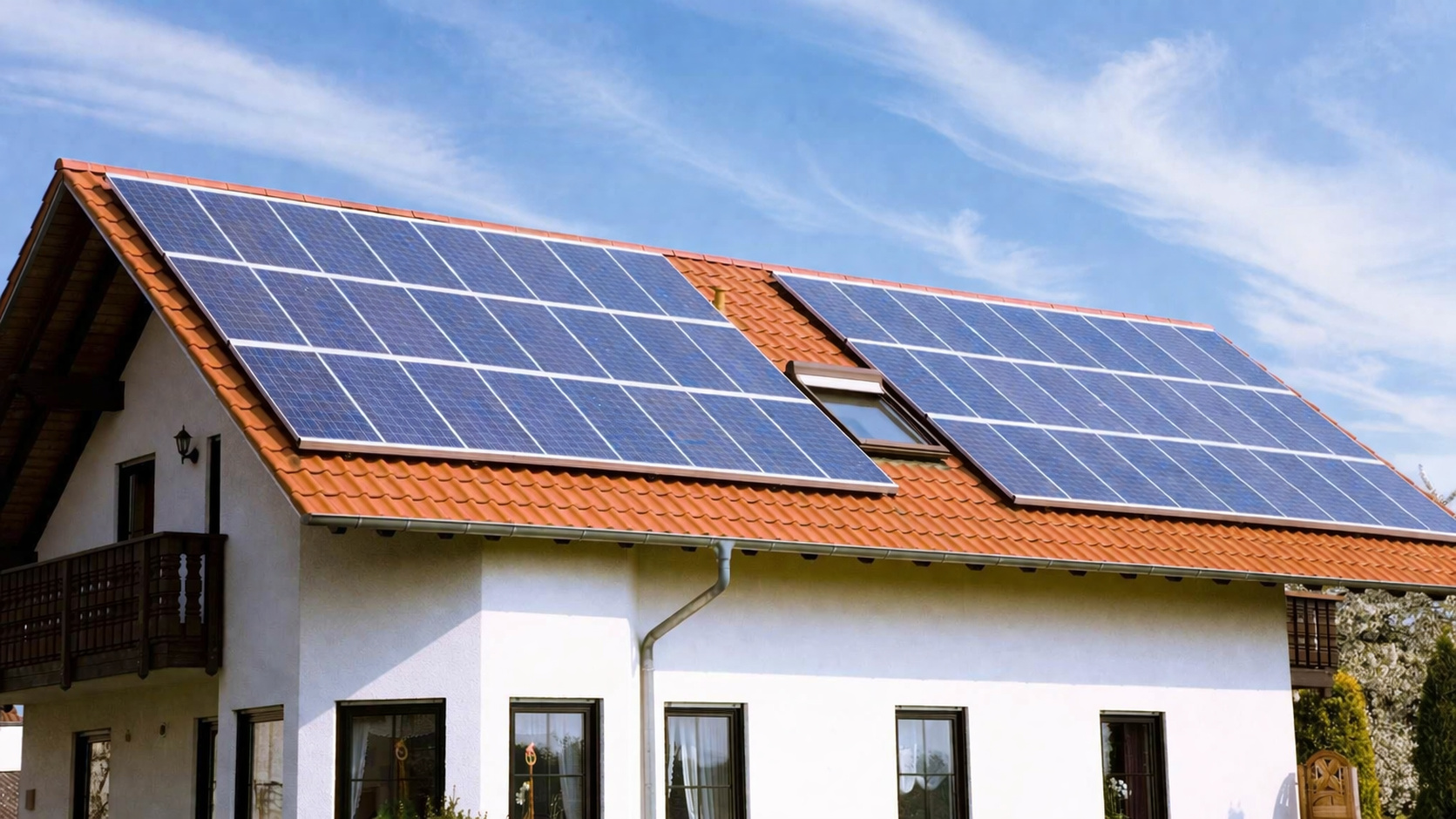
National energy dilemma: Brazilians support clean energy but reject increases in tariff costs to finance the sustainable transition.

According to data from the National Electric Energy Agency (Aneel) provided by the Union of Industries of Energy and Electrical Sector Services in Ceará (Sindienergia-CE), from 2008 to 2021 Ceará has 27 mini plants in eight municipalities, which supply 90 units, as one plant can provide energy for more than one residence.
Mini Turbines Operate Similarly to Large Wind Generators
The coordinator of the Electrical Engineering course at the Federal University of Ceará (UFC), Raphael Amaral, explains that their operation is quite similar to that of large wind generators.
“The difference is that it must be adapted to the urban perimeter, which is why they are not as widespread as solar energy,” said Raphael Amaral, professor of Electrical Engineering at UFC.
“They operate in the same way and have the same components. There is a blade system that absorbs energy from the winds, converts it into motion, and activates a generator that supplies electrical energy in different ways to the unit,” adds mechanical engineer Luiz César Sampaio.
For the system to work, it is necessary to use a technology capable of transforming the captured energy so that it can be used as electricity, as Sampaio explains, also director and founder of Enersud, a company that works with distributed generation devices for residences.
“One of these methods is to take the energy and pass it to a device called an inverter, which will transform this energy. This applies to both small systems and large ones. With this technology, it is possible to inject it into your home’s grid and even export it to the street.”
There is also a more traditional system known as off-grid. In this system, accumulators, or batteries, are used to store energy when the wind is strongest. The energy is “stored” in the battery and it, through another type of inverter, makes the transformation for use.
“This energy generated from the battery normally cannot be injected into the grid; it has to be used in isolation, so it is very good for isolated houses, isolated systems. It is beneficial for properties that frequently experience power outages, as in this wind system, you capture the energy generated by the turbine, store it in the battery, and when needed, it’s available,” points out Sampaio.
Another option is to use only the turbine and, with electronic devices that cost less than R$ 10, directly supply lighting poles and grids. “You take the energy directly from the turbine and distribute it for specific uses, however, the condition is that there must be a consistent wind, in addition, the application is simpler.”
Who Is the Use of Wind Turbines Recommended For?
According to Sampaio, wind turbines are most useful in off-grid applications. However, to determine if it is advantageous, it is necessary to evaluate the environmental conditions in which the residence is installed, since a good circulation of winds is required for the system to operate.
Therefore, one recommendation from the engineer is to complement the wind system with solar, in order to ensure a complete supply of electrical energy from renewable sources.
“The solar system suffers a lot from the drainage it experiences at night, when there is no sun. Wind energy, on the other hand, increases the energy autonomy time. In places where the wind is very good, you can use wind generation alone; in places with high cloudiness, both complement each other,” states Luiz César Sampaio, mechanical engineer.
The coordinator of Electrical Engineering at UFC also points out that the wind system has some inconveniences. “There is noise and the fact that it requires more frequent maintenance due to the moving parts. It is a more advantageous option for those with large plots of land.”
How Much Does It Cost to Have Your Own Plant?
The costs for installing a wind system vary according to the desired power, which can range from 500 W to 6,000 W, with prices ranging from R$ 2,700 to R$ 50,000.










-

2 pessoas reagiram a isso.