





 Português
  Inglês
  Espanhol
  3 min de leitura
  1 comentário




From Vertical Tulip-Shaped Wind Vibrators to Portable Microturbines: The Latest Generation of Wind Turbines Is Ready to Change Everything
You have probably seen those giant traditional wind turbines dotting the landscape, but did you know there’s an entire world of innovative and unprecedented wind turbines out there? The concept of harnessing the power of the wind is not new. In fact, the first documented wind-powered machine was a musical organ created by Greek inventor Hero of Alexandria around 100 A.D.
This organ was powered by a wind wheel, considered the precursor to the modern wind turbine. Over the centuries, wind energy technology has evolved, helping farmers in Persia and China increase food production. From those humble beginnings, wind energy has come a long way, according to a video from the Ecotecnologia channel.
Modern Wind Turbines
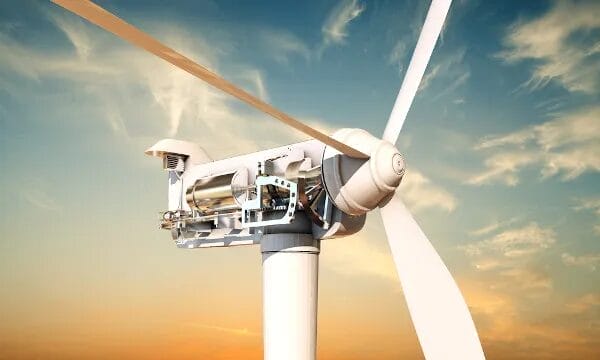
The wind turbines we know today are enormous structures that can reach over 250 meters in height. These giants provide power to thousands of homes and, in this game, bigger is truly better. But why bother with small wind turbines? They are like small cars compared to large trucks, serving different functions.
-
Renewable energy advances over protected areas in Brazil, and a survey by the Energy Transition Observatory reveals silent impacts that challenge environmental conservation and pressure sensitive traditional territories.

-
Rio Grande do Sul accelerates energy transition: State invests in renewable technologies and consolidates decarbonization strategies and pathways to attract billions in new industrial investments.

-
With 160,000 m² of collectors, an area larger than 20 football fields, Silkeborg, in Denmark, hosts a solar thermal plant that heats 19,500 homes and could become the largest solar heating plant in the world.

-
A study reveals the expansion of renewable energy procurement in Brazil and shows how companies are taking advantage of opportunities to reduce expenses, ensure energy efficiency, and strengthen strategic environmental commitments.


Small wind turbines serve a different purpose: they are for individual use. Whether you are a business owner, a farmer, or a homeowner, if you have a suitable location, you can generate your own electricity. Small wind turbines have a rotor sweep of less than 200 m², and beyond that, the possibilities are nearly endless. The rotor sweep is the area swept by the rotating blades of a wind turbine and determines how much wind energy can be captured.
Types of Small Wind Turbines
There are different types of small wind turbines, typically divided into two categories: horizontal and vertical.
Horizontal Turbines
- The rotor shaft is aligned with the wind direction and must be actively oriented.
- Generally, they are more efficient and offer a better return on investment.
- They have two or three blades that rotate like a propeller, similar to their larger counterparts.
Disadvantages: they can be noisy, require more space, and can pose a threat to birds.
Vertical Turbines
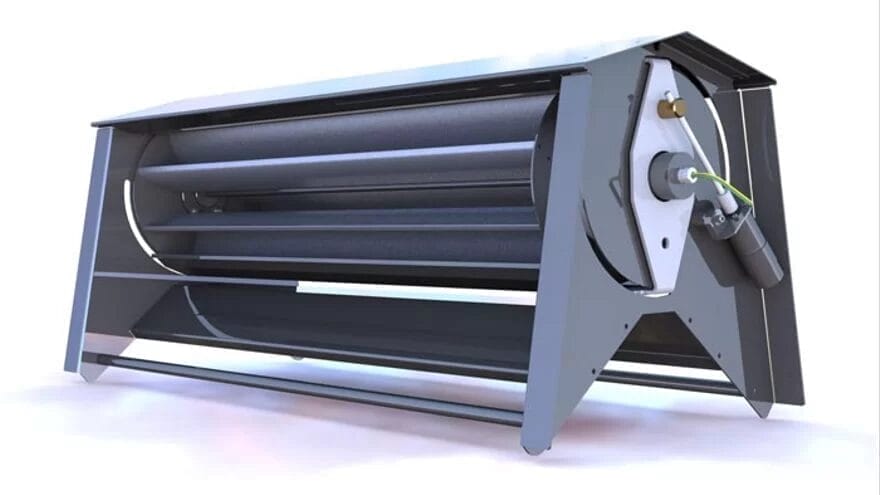
- The rotor shaft is perpendicular to the wind direction and does not need to be oriented.
- They have several blades arranged in a spiral or helical shape, giving them a distinct appearance.
Advantages: they are quieter, easier to maintain, and take up less space.
Disadvantages: they are less efficient and more expensive than horizontal turbines.
Innovations in Small Wind Turbines
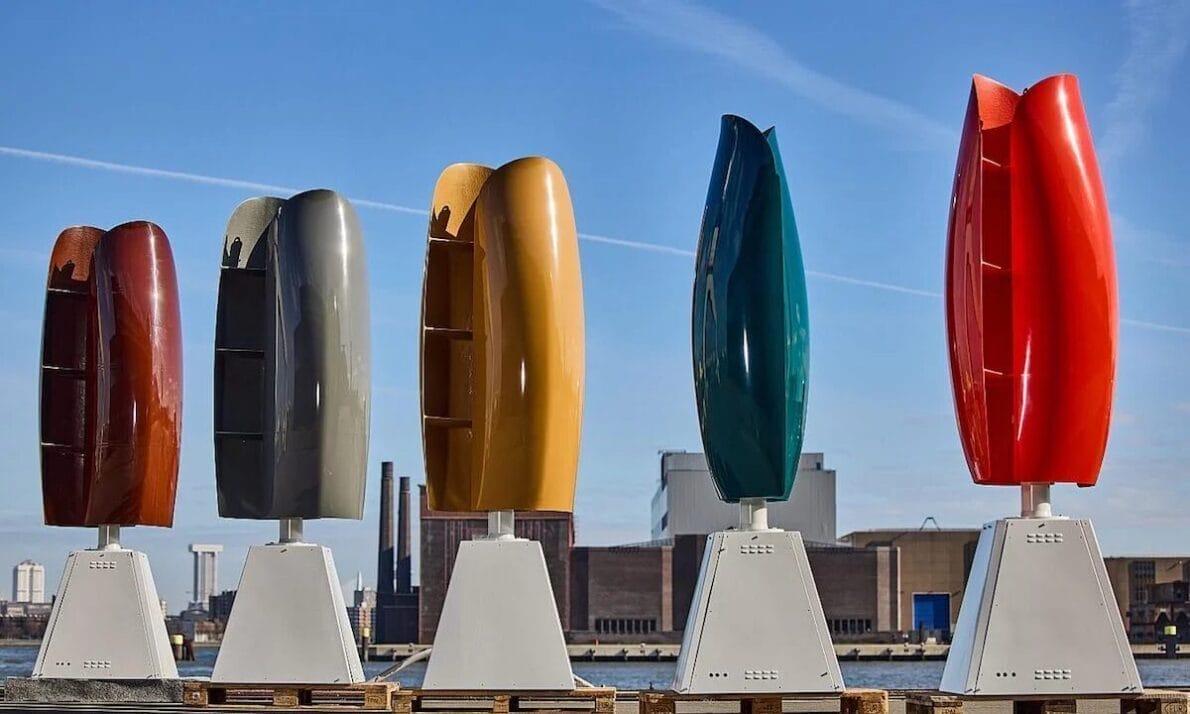
Innovation is happening rapidly in the world of small wind turbines. In addition to traditional horizontal and vertical turbines, a third category of omnidirectional turbines is emerging, designed to harness wind from all directions.
- Omnidirectional Turbines: They have a vertical shaft and a conical shape that captures more wind energy, with flexible poles that sway with the wind and generate electricity through piezoelectricity.
- Blade-less Turbines and Kite Turbines: Blade-less turbines use aerodynamic induction to generate electricity from the wind, being quieter and more friendly to birds.









Muito bom!!