





 Portuguese
  English
  Spanish
  4 min of reading
  1 comment


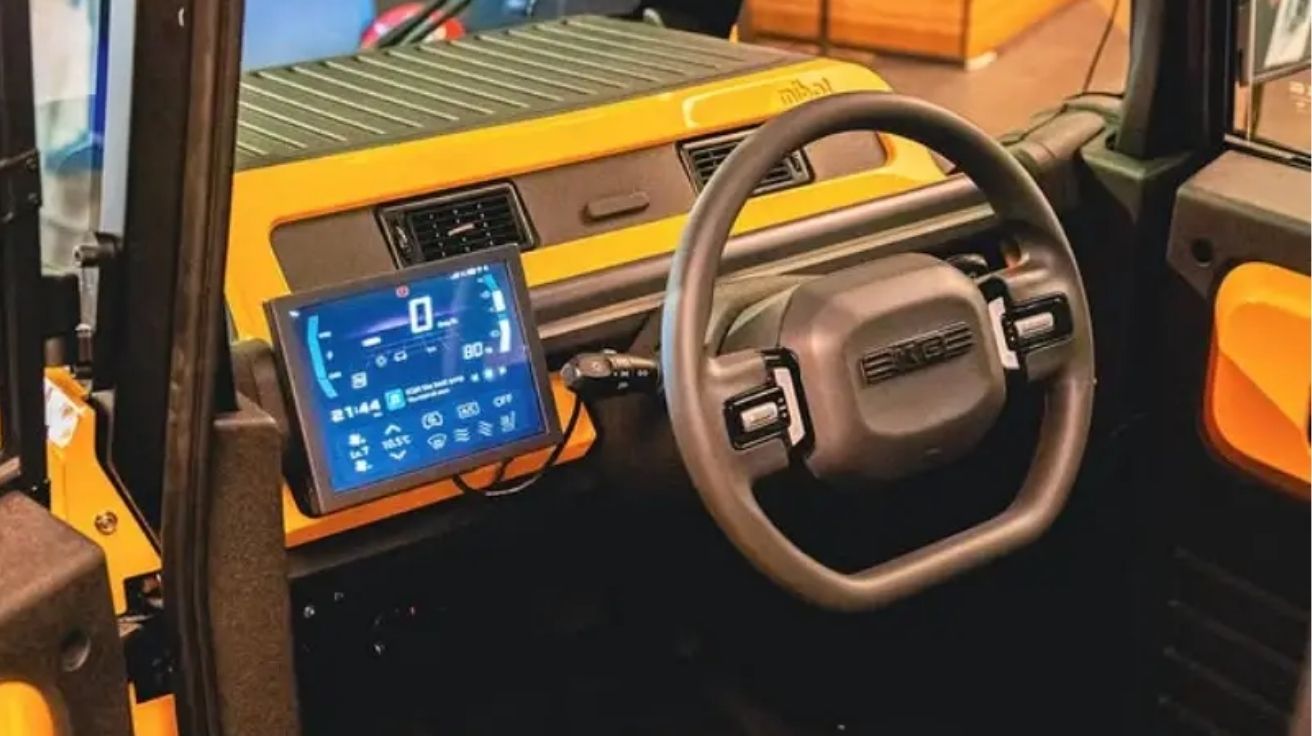


Mini Electric Car Is Winning With Record Sales Even Before Production, A Surprising Innovation That Promises To Revolutionize Individual Urban Mobility With Compact Size, Affordable Price, And Advanced Technology.
The Mibot, an electric mini car manufactured in the Japan by the startup KG Motors, has caught the attention of the automotive market for an uncommon feat: it has already accumulated 1,650 reservations even before starting mass production, surpassing sales of major automakers in the country.
For comparison, Toyota, one of the largest manufacturers in Japan, sold 1,012 units of its electric model bZ4X throughout the year 2024.
The Nissan sold 23,000 units of the Sakura, its 100% electric vehicle, in the same period.
-
A forgotten cord on the floor of a basement in Vienna leads a plumber to a box containing 30 kilograms of gold with Mozart’s face, hidden before World War II. The treasure, worth 2.3 million euros, was just centimeters away from a worker who ignored the sign a day earlier.

-
An irregular parking case gains attention after a Mercedes Classe A was removed in such a strange way that it even raised doubts about damage to the car.

-
A couple buys an old chalet, breaks the kitchen floor for renovation, and finds over a thousand coins of gold and silver hidden since the English Civil War over 4 centuries ago.

-
Rigid bags with their days numbered: new trend prioritizes comfort in 2026.


This scenario reinforces the rise of the Mibot, a compact vehicle designed for short trips and individual urban commuting, which has gained traction due to innovation and practicality.
The Project Of The Japanese YouTuber
Ideated by the Japanese YouTuber and entrepreneur Kazunari Kusunoki, 43, the Mibot was created to rethink urban mobility, offering an electric, affordable, and minimalist alternative for those looking to escape traffic troubles and parking difficulties.
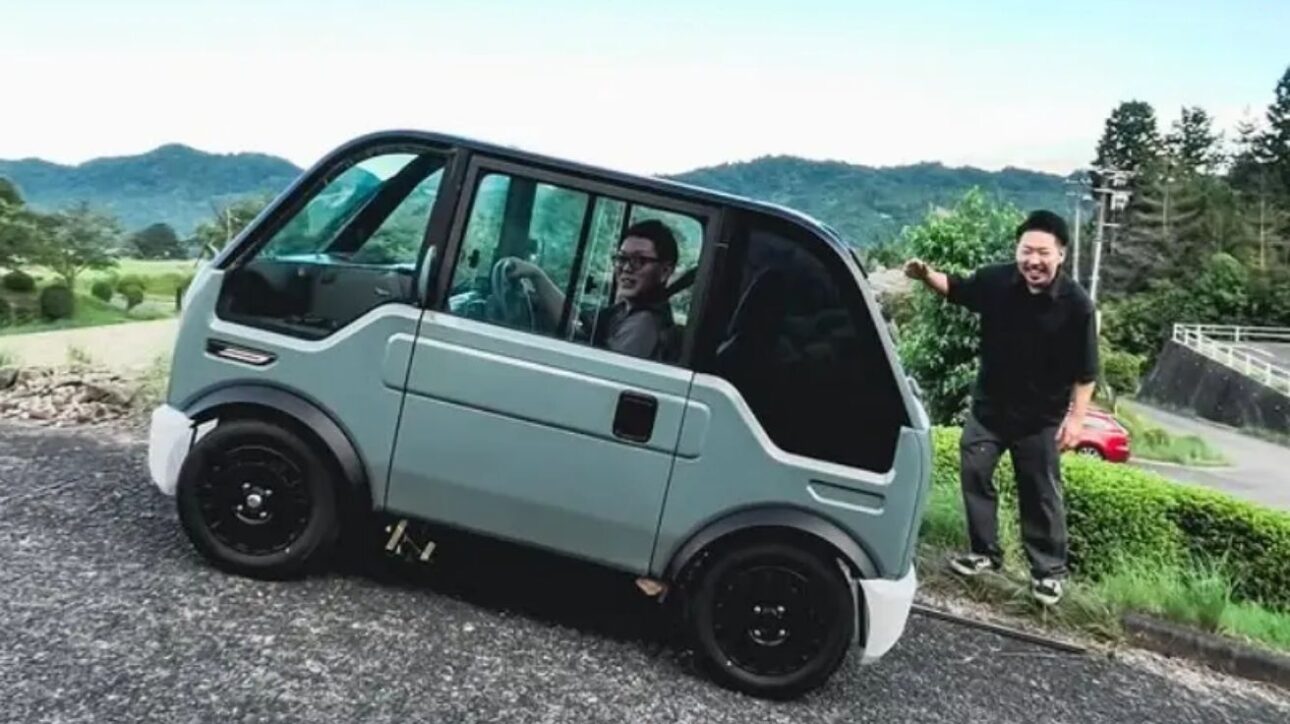
With just 1.1 meters wide and 2.5 meters long, the vehicle is extremely small — its design accommodates only one occupant, and the maximum capacity is limited to 100 kg, making it suitable for specific user profiles.
Kusunoki’s strategy included total transparency in the creation process, with disclosures on the KG Motors YouTube channel, where he shared all stages: from initial research to prototype development, testing, and assembly.
This daily follow-up attracted an engaged community, which already has over 213,000 subscribers to the channel.
The direct engagement with the audience helped build trust and curiosity around the project, boosting pre-sales.

Technical Features And Performance Of The Mibot
The Mibot delivers a range of up to 100 km on a single charge, which is sufficient for common urban trips, such as commuting to work, quick errands, and short city travels.
Charging is simple and can be done at standard 100V AC sockets, taking about five hours to reach a full charge.
In terms of speed, the model reaches up to 60 km/h, a speed suitable for urban conditions and ensuring the driver’s safety.
In addition to performance, the mini car impresses with its practicality.
Its reduced size allows it to be transported inside a van, opening possibilities for various commercial uses, including urban deliveries and logistical support in congested areas.
Price And Color Options
The price is also attention-grabbing, especially in Japan, where electric vehicles tend to be expensive.
The Mibot is sold for approximately 1 million yen — equivalent to about R$ 39,000 — a competitive price that makes it attractive for those seeking sustainable mobility without spending a fortune.
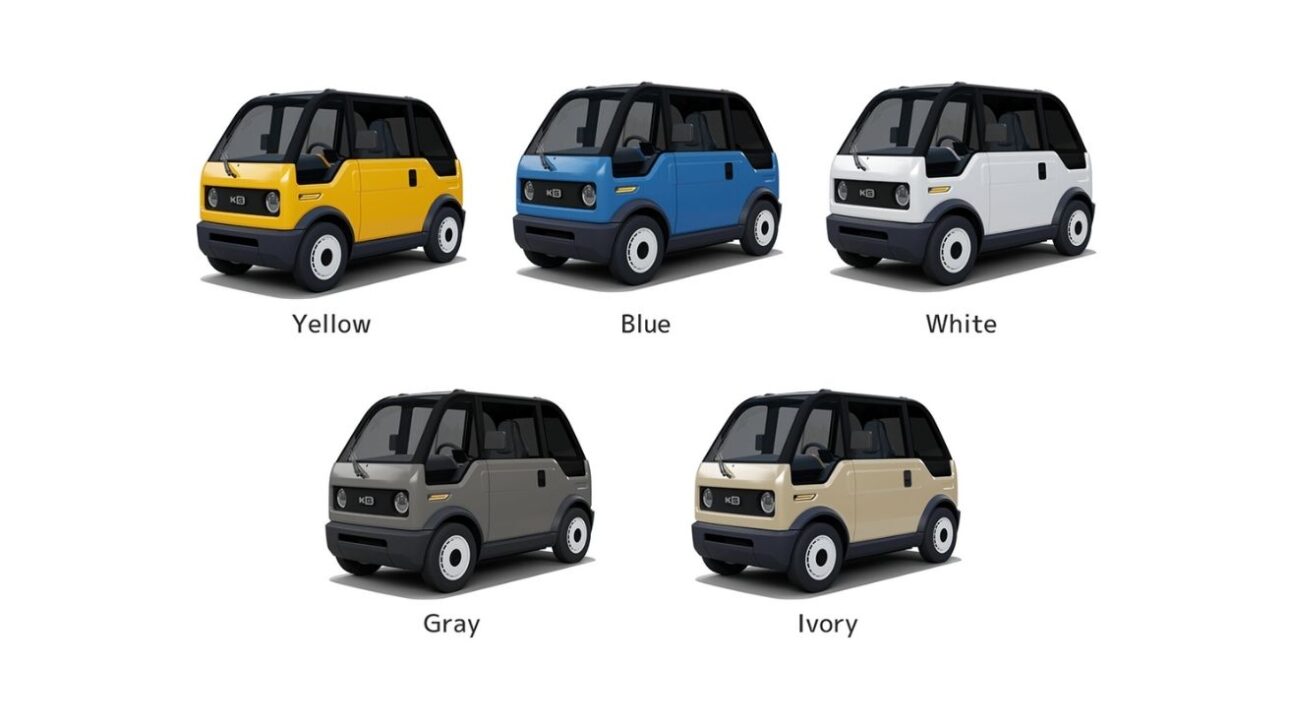
It is available in various colors, such as blue, white, yellow, gray, and ivory, to cater to different tastes.

Trends In The Global Mobility Market
This initial success of the Mibot is indicative of an important trend in the global market: the search for ultra-compact electric vehicles that meet individual mobility needs, offering practicality, economy, and low environmental impact.
This category of cars can change the way people move within cities, especially in places with narrow streets and high congestion rates, like the large Brazilian metropolises.
In Brazil, interest in electric vehicles is growing rapidly, driven by incentive policies and increasing environmental awareness.
However, the supply is still limited and heavily focused on larger, more expensive models.
Compact and economical models like the Mibot could be an ideal solution for Brazilian cities, reducing traffic problems and offering a practical alternative for short trips.
Although there are currently no official plans from KG Motors to launch the Mibot in Brazil, the project’s repercussions and its business model — based on innovation, transparency, and digital connection — point to interesting future possibilities.
The Impact Of Urban Electric Mobility
The global mobility market is undergoing a full transformation, and the Mibot emerges as a clear example that startups and entrepreneurs can compete and even surpass large traditional automakers by betting on innovation and agile business models.
Vehicles like the Mibot meet the so-called “last mile,” a term that defines the final stretch of urban trips, often the most challenging for both collective and individual transport.
With adequate autonomy and ease of charging, the Mibot positions itself to complement public transport, offering an efficient, sustainable, and economical solution.
The trajectory of the Mibot also highlights the importance of digital platforms as channels to create engagement, build community, and validate innovative products, something that is likely to become increasingly common in the automotive sector.
The success of the mini car in Japan reinforces the potential of compact electric vehicles to transform the urban mobility landscape worldwide, especially in countries where traffic is a constant challenge.
Do you believe that the Mibot, or similar electric mini cars, can become a reality on Brazilian streets?







Grades bost@. Todo dia tem anúncio igual a este. Falando de carros baratos em outro país. Eee daí…. ? Não devem ter oque publicar né.