





 Portuguese
  English
  Spanish
  4 min of reading
  1 comment


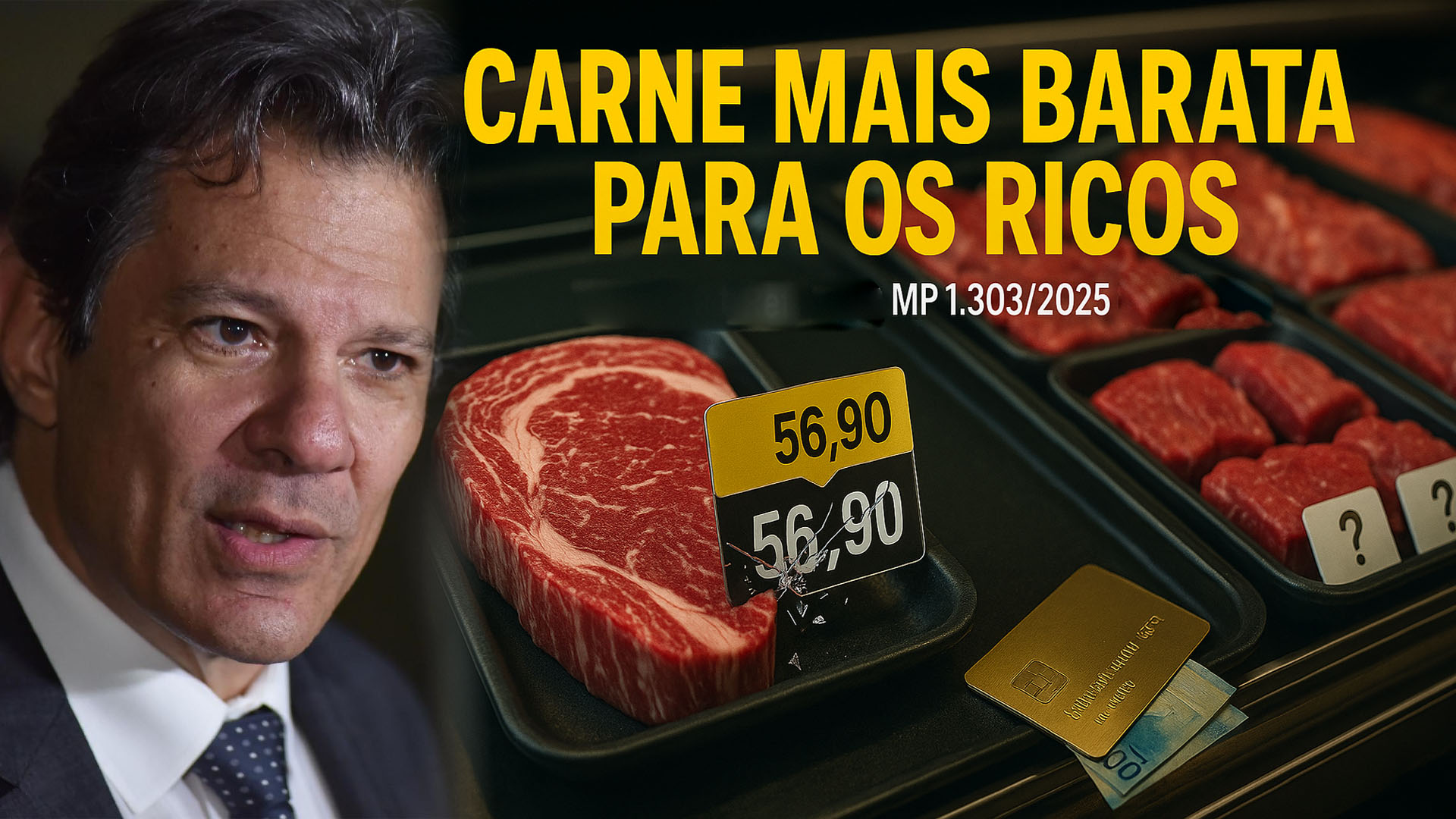


In A Hearing Before The Agriculture Commission, The Minister Said That The Tax Exemption On Meat Decided By Congress Will Reduce Prices “For Any Social Class” And Asked For The Approval Of MP 1.303 To Sustain The 2026 Budget.
The Minister of Finance, Fernando Haddad, stated that “Even The Rich Will Pay Less For Meat” Because Of The Tax Exemption Approved In The Consumption Tax Reform, During A Hearing At The Agriculture Commission Of The Chamber Of Deputies On September 24, 2025. His Statement Reinforced That The Reduction Will Apply To All Income Ranges Starting With The Implementation Of The New System.
In The Same Session, Haddad Defended The MP 1.303/2025, Which Increases Taxation On Financial Investments Currently Exempt, Arguing That The Measure Is Necessary To Close The 2026 Budget Without Cuts In Amendments And Agricultural Policies.
Meat Was Included In The Basic Basket With Zero Rate During The Regulation Of The Reform Approved By Congress In 2024. The Senate Listed Meats Among The Exempt Items, Consolidating The Decision That Prevail Over Alternative Proposals.
-
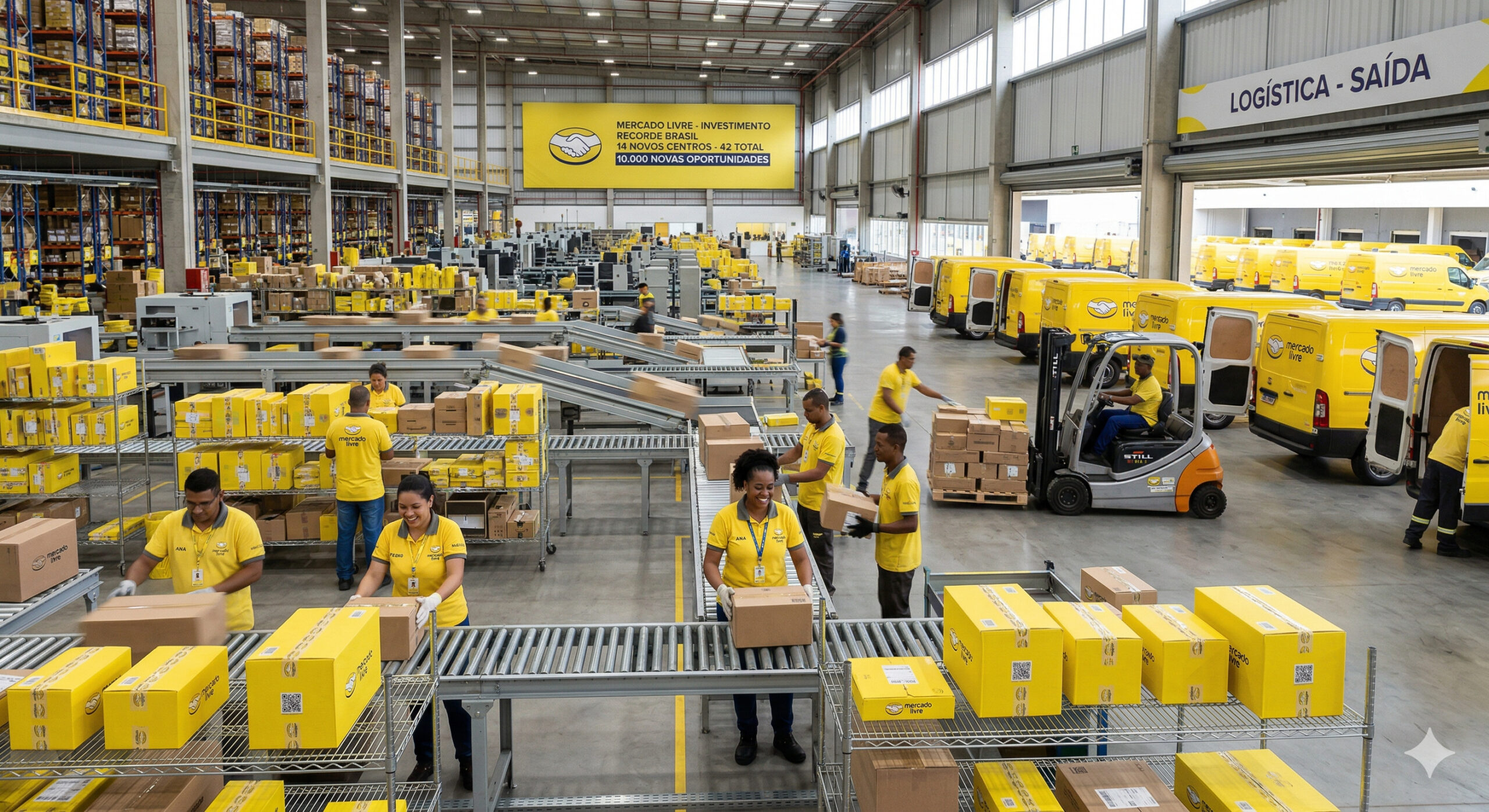
Mercado Livre “opens the vault” and announces a record investment of R$ 57 billion in Brazil in 2026, a value 50% higher than the previous year, with an expansion plan that includes 14 new logistics centers, totaling 42 units in the country and hiring an additional 10,000 employees.
-
How investment in technology can revolutionize the national economy and enhance industrial gains, according to a study that highlights the direct impact on productivity, innovation, and wealth retention within Brazil.

-
The largest food company on the planet, JBS, has just opened a 4,000 square meter laboratory in Florianópolis to develop customized proteins that modulate muscle mass gain, immune response, and metabolic performance.

-
After nearly 30 bids and competition among industry giants, a Spanish company purchases one of the largest airports in Brazil for almost R$ 3 billion and takes over the management of Galeão in a concession that will last until 2039.


Before The Final Definition, The Government Discussed Taxing Meats With AIntermediate Rate (40%) And Compensating Low-Income Families Through Cashback. President Lula Argued For Differentiating “The Meat That The People Consume” From “Fancy Meats” When Discussing The Exemption.
Tax Reform And Meat: What Actually Changes
The CBS And The IBS Enter A Pilot Phase In 2026 And Progress To Full Validity According To The Legal Schedule, With The CBS Replacing PIS/Cofins Starting In 2027. The Zero Rate For The National Basic Basket Will Come Into Effect Within This Timeline.
With The Inclusion Of Meats In The Basket, Technicians Estimated An Impact Of 0.4 To 0.53 Points On The Standard Rate Of The New VAT, An Effect That Was Considered In The Final Design. The Consumer Price Will Also Depend On Logistical Costs, Competition, And Supply, But The Exemption Reduces The Burden On The Retail Product.
Haddad Argued That The Congress Decision Affects All Classes. His Statement Occurred In An Environment Of Intense Debate With The Agribusiness Sector And Serves As The Basis For The Narrative That The Reform Simplifies And Reduces Distortions While Protecting Essential Foods.
Government Experts Remind That 2026 Is A Transition Year, With Test Rates Without Real Increases In Burden And Compensation In Other Taxes. The Complete Migration Of The Model Will Extend Until 2033.
MP 1.303: Why The Government Wants To Raise Taxes
The MP 1.303/2025 Alters The Taxation Of Financial Investments And Cryptoassets. In Congress, The Rapporteur Negotiated Charges Of Up To 7.5% On LCI And LCA, Keeping Exempt CRI, CRA, FII, And Fiagro As Counterpart. The Text Is Considered A Key Piece Of The 2026 Adjustment.
Official Estimates Indicate R$ 20.9 Billion In Revenue Gain In 2026, An Amount Close To R$ 21 Billion Mentioned By Government Officials. The Finance Ministry Maintains That The Measure Corrects Distortions And Prevents Cuts In Amendments, Plano Safra, And Investments.
Documents From The National Congress Record The Processing Of The MP And Its Scope. The Final Validity Deadline, After Extension, Is Set For October 8, 2025, Which Pressures The Vote In The Plenary. Without Approval, Provisions Lose Validity.
The Ministry Argues That Part Of The Benefit Of Exempt Titles “Stays In The Middle” In Financial Institutions, Without Fully Reaching The Rural Producer Or The Construction Industry, And That There Are More Efficient Instruments To Channel Credit.
Agro, Credit, And Prices: Where The Tensions Are
Entities Linked To The Agribusiness State That The MP Makes Credit More Expensive And May Reduce The Availability Of Resources For The Sector By Taxing LCA And Other Instruments. Parliamentarians From The Agricultural Parliamentary Front Are Calling For Alternatives Focused On Spending Cuts.
The Government Responds By Saying That, Without The MP, It Would Be Necessary To Cut Amendments And Reduce The 2026 Plano Safra, Which Would Also “Hurt” The Agribusiness Sector. The Economic Team Believes That Calibrated Adjustments Preserve Financing And Ensure Fiscal Predictability.
In The Short Term, Meat Prices Remain Conditioned By Domestic Supply, Exchange Rate, And Exports. The Tax Exemption Defined In The Reform Tends To Relieve Retail When In Place In The New System, But Does Not Eliminate Cyclical Market Fluctuations.
The Discussion In Congress Centers On Who Pays The Bill For The Adjustment. For The Finance Ministry, Investors In Exempt Products Should Contribute More. For The Sector, The Bill Increases Credit Costs And May Affect Productive Investment.
Next Steps In Congress
The Agriculture Commission Summoned Haddad To Clarify Measures Regarding Debts In RS And The MP That Affects The Credit Letters. The Topic Now Depends On An Agreement Among Leaders To Go To The Plenary.
As The MP 1.303 Expires On October 8, The Window For Negotiation Is Short. Meanwhile, The Implementation Of The Reform Follows The Schedule: Pilot In 2026, CBS Full In 2027, And Transition Of The IBS Until 2033.
If The MP Fails, The Government Will Have To Recalibrate The 2026 Budget. If Approved, The Extra Revenue Will Help Sustain Policies And Investments Without Reopening The Debate On Fiscal Targets.
For You, Is The Exemption On Meat An Effective Public Policy Or Does It Create Distortions And Raise The Overall Rate? And Does The Taxation Of LCI And LCA Correct Privileges Or Make Credit More Expensive For Agribusiness? Leave Your Comment And Explain Who Should Pay The Bill For The 2026 Adjustment.










na verdade ,e na verdade muito impostos ,isto sim que vem acontecendo ,e pior uma inflação muito grande ,deveriam sim diminuir impostos