





 English
  Francês
  Alemão
  Italiano
  Japonês
  Norueguês
  Portuguese
  Spanish
 3 min of reading


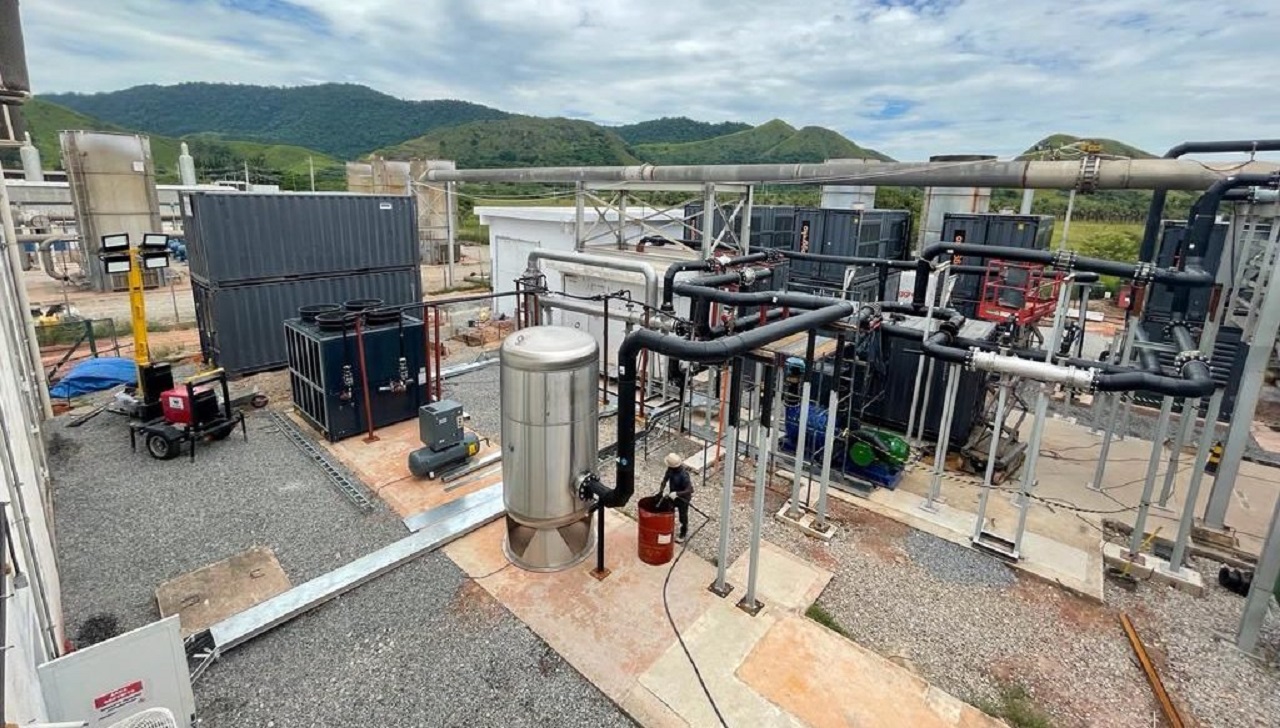
EVA Energia, part of Grupo Urca, Started This Week the Activities of Its Third Biogas Plant in São Paulo and Is Focusing on the ‘Caipira Pre-Salt’, That Is, on Waste from Landfills and Agriculture.
EVA Energia, a renewable energy company of Grupo Urca, is inaugurating its third Biogas Plant this month in Mauá (SP), and it is forming partnerships for its next expansion cycle, which should involve a new frontier of suppliers of inputs, such as agribusiness companies. According to Eduardo Lima, CEO of EVA Energia, in the pipeline, there are three more animal protein landfills, sanitary landfills, and others, in the area of corn ethanol and vinasse. The executive highlighted that EVA Energia sees extensive potential in the so-called “caipira pre-salt.”
Brazil Could Produce 19 GW Through the “Caipira Pre-Salt”
The “caipira pre-salt” mentioned by the executive refers to agricultural waste that can serve as input for a biogas plant, generating electricity or, also, for the production of biomethane, a sustainable fuel that can replace natural gas.
According to the sector association Abiogás, the estimate is that Brazil has raw materials from sanitation and agribusiness waste to supply biogas plants with 19 GW of installed capacity for electricity production, which could be done with an offer of 120 million m² of biomethane daily. To give an idea, the giant Itaipu Binacional has a capacity of 14 GW concerning Brazil’s current natural gas production, with a large part coming from the pre-salt, amounting to around 134 million cubic meters per day.
-
Document organization can cut invisible costs in small businesses, a simple step that prevents waste, rework, and losses in daily operations.

-
While Russia dominates the global wheat market, Brazil emerges as an unexpected competitor in the Cerrado, offering grain available in July and August when stocks in the Northern Hemisphere are at their lowest point of the year.

-
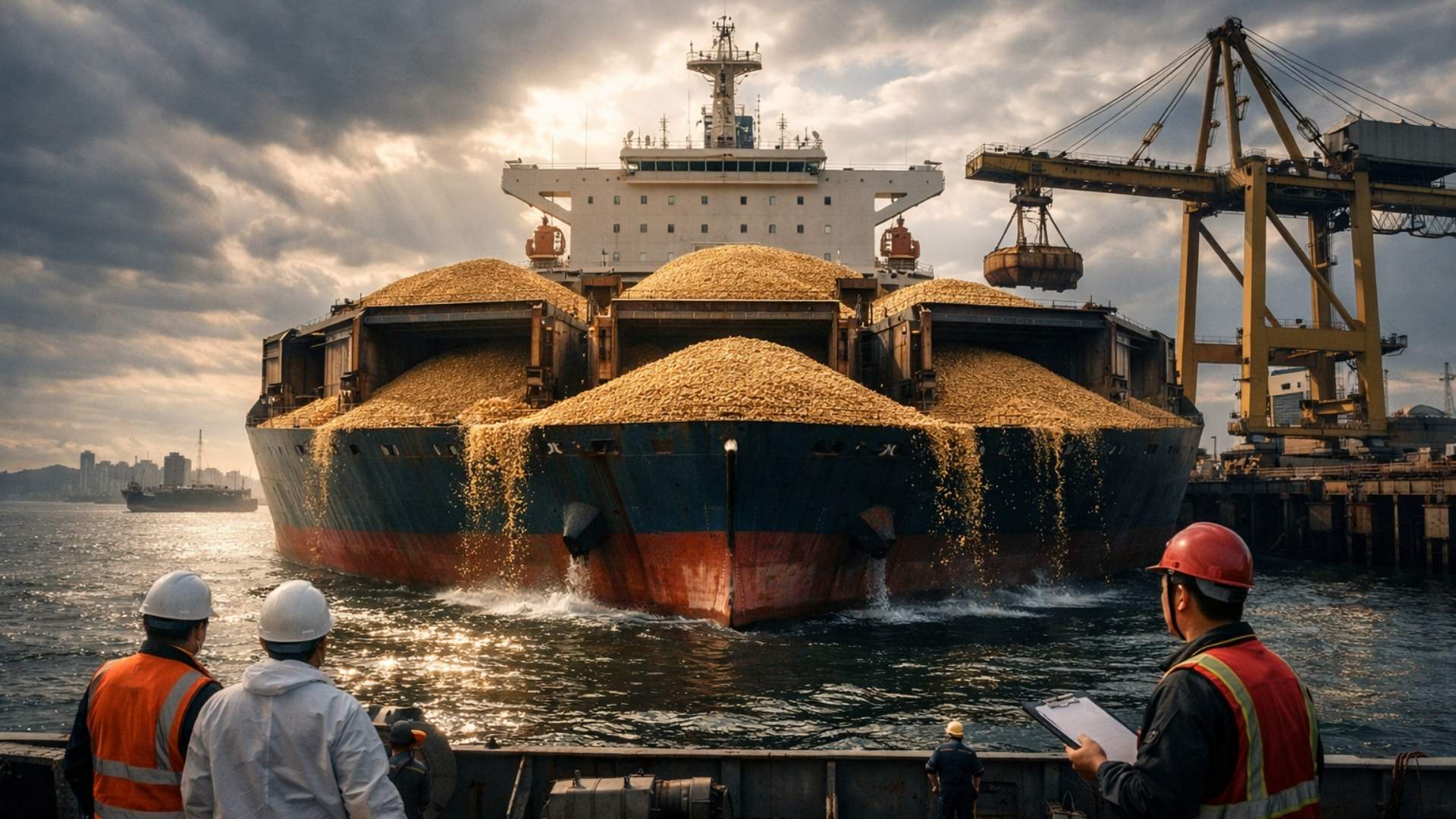
China returned almost 20 Brazilian ships with soybeans, but now everything could change: the country that buys 80% of the grain is considering relaxing regulations after impurities held up shipments of thousands of tons and caused million-dollar losses.
-
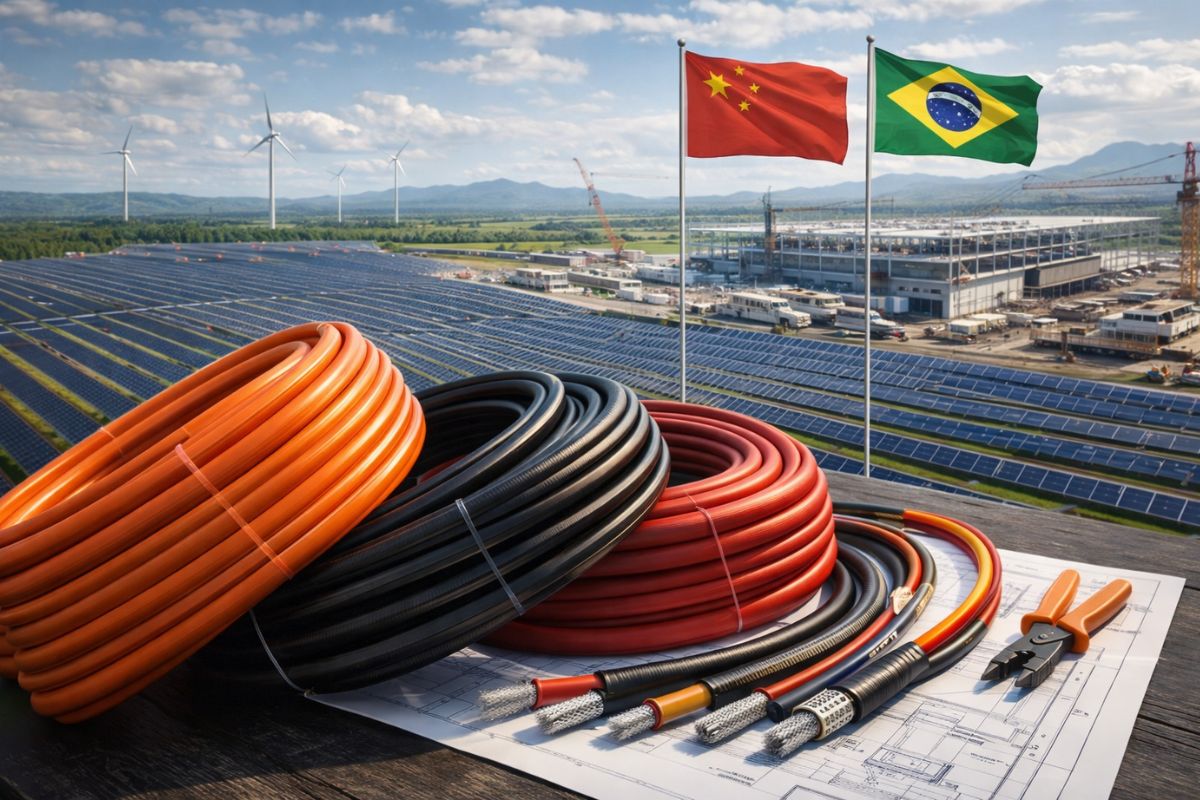
Chinese giant worth nearly R$ 4 billion that manufactures cables for electric cars, solar energy, and robotics wants to open a factory in SC.

The company of Grupo Urca is activating this week its 5 MW biogas plant in Mauá (SP), which will use raw material from the caipira pre-salt, produced at the Lara Central Waste Treatment landfill. In total, EVA Energia received investments of 11 million reais and has basically sold all its energy to other companies.
EVA Energia Units in Operation in Brazil
In addition to the biogas plant in SP, Grupo Urca has operational plants located in Seropédica (RJ) and in Ipiranga do Norte (MT), which together have 8 MW of installed capacity and use the caipira pre-salt for electricity generation.
The three units operate in the distributed generation model and, in total, have received R$ 50 million in investments. The company’s next venture is already under construction and will be located in São Gonçalo (RJ), where another 5 MW of installed capacity will be generated from landfill biogas.
The estimate is that this will be operational by the second semester. In parallel, the company is negotiating partnerships for a second expansion phase, which should require more R$ 60 to R$ 70 million in investments.
Other Raw Materials May Come from the “Caipira Pre-Salt”
EVA Energia began structuring its ventures next to landfills due to easier access, with a more stable supply of biogas; however, now it aims at new frontiers, according to the president.
According to Lima, new negotiations and partnerships involving input from corn ethanol and palm oil waste are being made, and he states that soon, the Grupo Urca company will present these projects.
This year, Biogas and Biomethane gained more attention from the government, which developed a strategy to encourage the construction of new production units. At the end of last year, Raízen began the construction of a new biogas plant in Piracicaba (SP).






Seja o primeiro a reagir!