





 Portuguese
  English
  Spanish
  4 min of reading
  0 comments


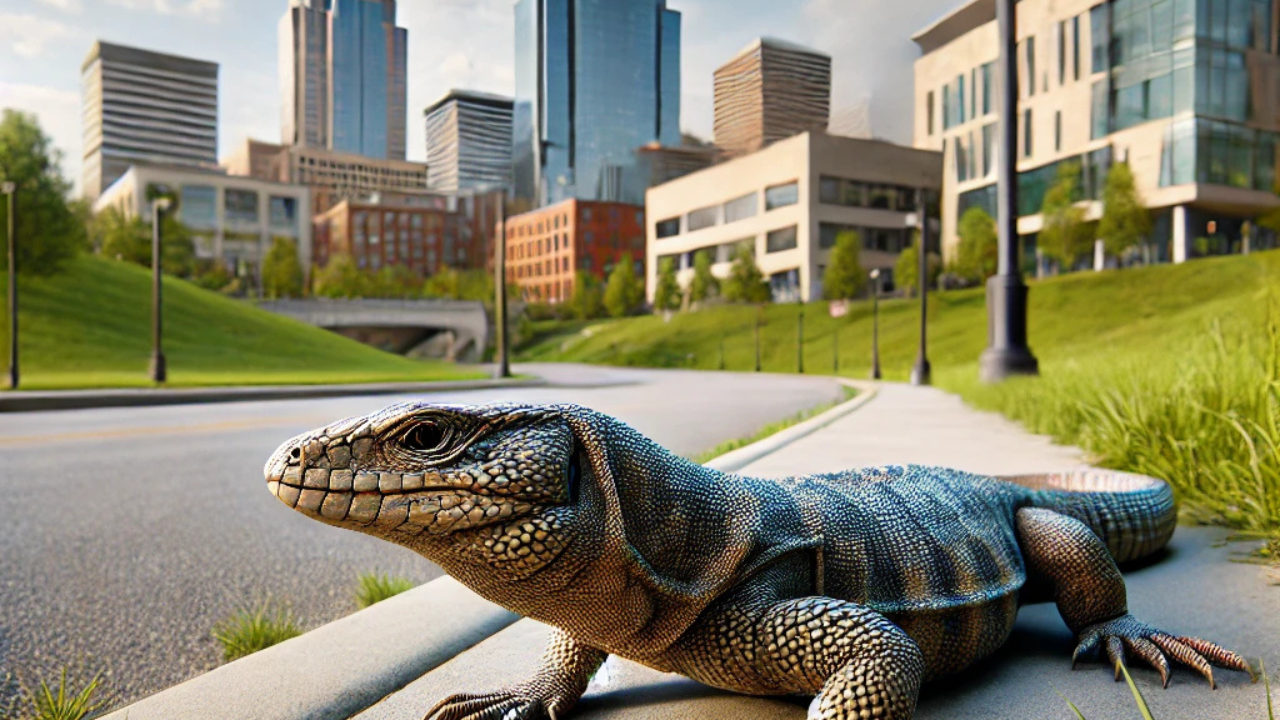
Researchers Identify European Lizards Living in Cincinnati, Challenging Theories About Habitat and Adaptation.
Cincinnati may not be the first place that comes to mind when talking about lizards, but recently this American city has become the center of attention for researchers specializing in reptiles.
An innovative study revealed that lizard species found in the region exhibit unusual characteristics and are challenging scientific conceptions about their natural habitat.
This phenomenon has raised important questions about species adaptation and global environmental changes.
-
Italian researchers have detected what appears to be a second Sphinx buried under the sands of Egypt, and satellite scans reveal a gigantic underground megastructure hidden beneath the Giza Plateau for over 3,000 years.

-
There are 4,223 drums and 1,343 metal boxes concreted with 50-centimeter walls that store the radioactive waste from Cesium-137 in the worst radiological accident in Brazil, just 23 kilometers from Goiânia, with environmental monitoring every three months.

-
Giant Roman treasure found at the bottom of Lake Neuchâtel in Switzerland reveals an advanced trade system, circulation of goods, and armed escort in the Roman Empire about two thousand years ago.

-
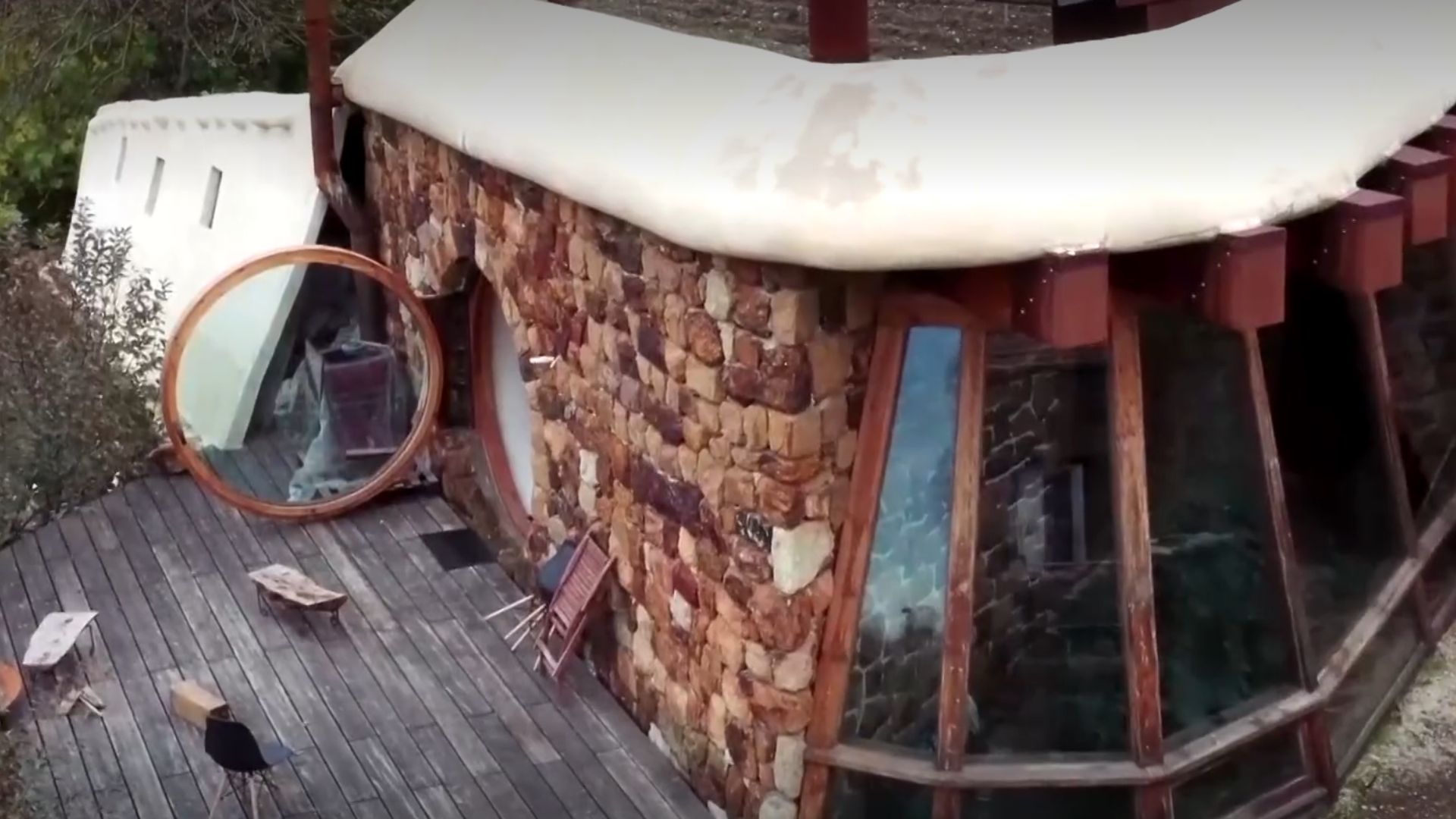
He buried 1,200 old tires in the walls to build his own self-sufficient house in the mountains with glass bottles, rainwater, and an integrated greenhouse.

Researchers Discover Lizard Population Adapted to Unusual Climates
Researchers from various parts of the world are focusing their efforts on studying lizards that have been identified in the city of Cincinnati.
The discovery surprised the scientific community, as these species, common in Europe, are thriving in an environment significantly different from their traditional habitat.
Experts are analyzing how these reptiles have managed to adapt to the temperate climate of the Midwestern United States, far from the conditions they would encounter in European countries.
According to biologist and urban ecosystems specialist Dr. Alan Whitmore from the University of Cincinnati, the lizards are demonstrating unique behavior and physiology patterns.
“We are noticing that these populations have developed characteristics that allow them to survive and even thrive in environments that, until recently, we considered unsuitable for their existence,” Whitmore explained.
The Link Between Climate Change and the New Habitat of the Lizards
One of the main hypotheses for the presence of these species in Cincinnati is global climate change.
Researchers suggest that changes in average temperature and rainfall patterns may be making some areas of the American Midwest more suitable for lizards that were previously found only in Europe.
These changes have been transforming ecosystems and allowing species that were previously restricted to certain regions to expand their range of occurrence.
Moreover, factors such as urbanization and the presence of artificial microhabitats created by humans may also be playing a crucial role.
Buildings, urban green spaces, and even drainage systems can create favorable conditions for the survival of these reptiles, contributing to their persistence and reproduction in the region.
The Impact of the Presence of Lizards in Cincinnati
The presence of lizards in Cincinnati raises a number of ecological and environmental questions. One of the main concerns of researchers is to understand how this new population may affect native species.
The introduction of new species can generate competition for resources, impact food chains, and even lead to imbalances in the local ecosystem.
Experts warn that although these lizards are fascinating from a biological standpoint, their impact still needs to be evaluated more deeply.
Ecologist Dr. Robert Finkel, who studies interactions between invasive and native species, explains that it is essential to closely monitor these populations.
“We need to understand if these lizards are simply adapting to the new environment or if they are displacing native species. This could have long-term consequences for the region’s biodiversity,” he stated.
Parallel With Lizard Species in Europe
The lizards found in Cincinnati exhibit characteristics similar to some native species from Europe, such as the wall lizard (Podarcis muralis), known for its incredible ability to adapt to different environments.
These reptiles are highly resilient and can survive in various conditions, from rocky areas to densely populated urban centers.
The adaptability of these lizards in Europe is already well documented
but their presence and reproductive success in a region like Cincinnati bring new challenges and opportunities for study.
Researchers are now investigating if there is any genetic relationship between the populations found in the American city and the European populations
which could indicate an accidental introduction or a natural migration over the years.
The Future of the Lizards: Monitoring and Conservation
In light of this surprising discovery, scientists emphasize the importance of ongoing studies to monitor the impact and evolution of these lizards in the Cincinnati environment.
Local environmental authorities, in partnership with universities and research institutes
are implementing tracking programs to evaluate the distribution of these reptiles and understand how they are interacting with the local ecosystem.
Furthermore, this specific case serves as a warning for other regions that may be experiencing similar phenomena without having been properly recorded.
The presence of lizards outside their traditional habitat may be just one of many examples of the environmental changes occurring globally.
The discovery of lizards in Cincinnati is not just a curious phenomenon, but an important warning about how species are responding to climate and environmental changes.
Researchers continue to investigate the origin, impacts, and possible consequences of this new population of reptiles.










-

Uma pessoa reagiu a isso.