





 Portuguese
  English
  Spanish
  3 min of reading
  0 comments


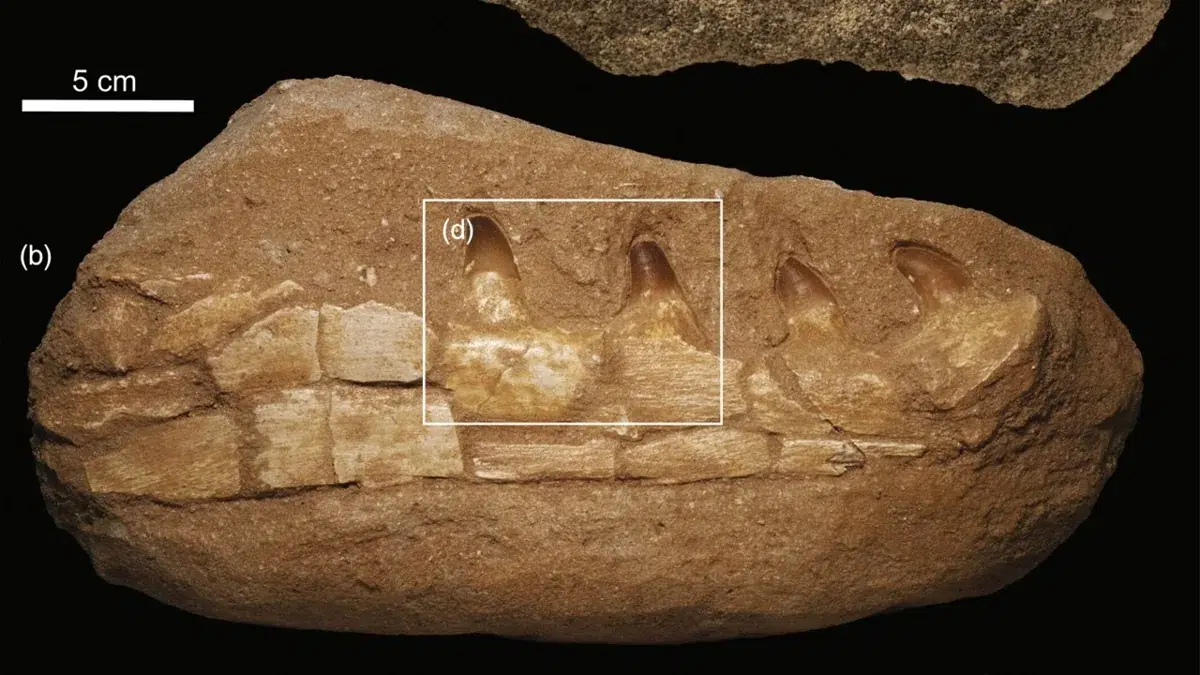
Marine Monster Fossil Found in Moroccan Mine in 2021 Faces Major Controversy. After Several Differences Are Found, Fossil Undergoes Testing to Confirm Its Authenticity.
In 2021, a new species of mosasaur, a marine monster that had never been documented before, was described. Its teeth, so sharp that they formed what appeared to be a “saw blade,” inhabited the waters of Morocco about 66 million years ago. However, new evidence suggests that the creature discovered in the Moroccan mine could be based on a Fake Marine Monster Fossil.
Understand the Controversy Behind the Marine Monster Fossil
A group of scientists has demanded CT scans of available remains to verify the authenticity of the jawbone found in the Moroccan mine, estimated to be between 72.1 and 66 million years old. This arises because differences have emerged indicating a possible modification.
According to Henry Sharpe, the lead author of the new study and a researcher at the University of Alberta, if the fraud regarding the marine monster fossil is confirmed, it should be established in the scientific literature that it is a forgery.
-
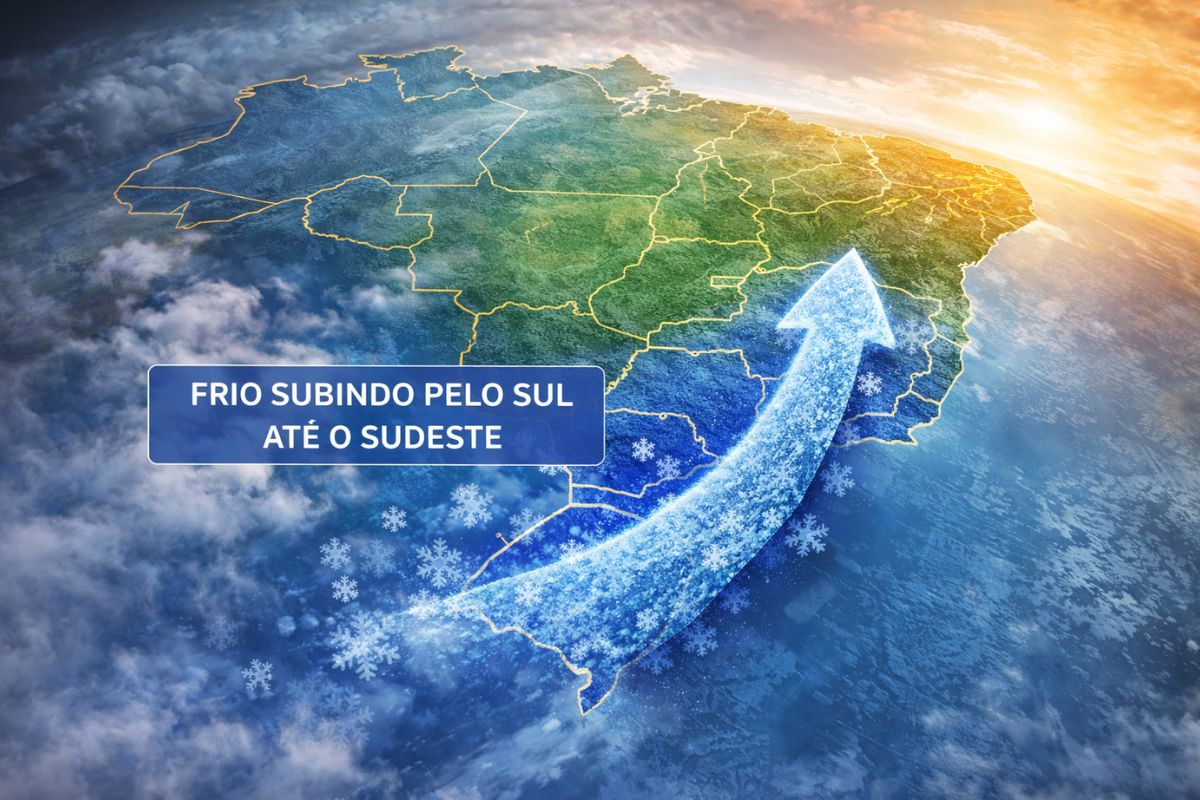
A cold front advances through the South this Saturday and reaches the Southeast on Easter Sunday with heavy rain and a drop in temperature, while the North and Northeast face the risk of storms and flooding throughout the holiday.
-
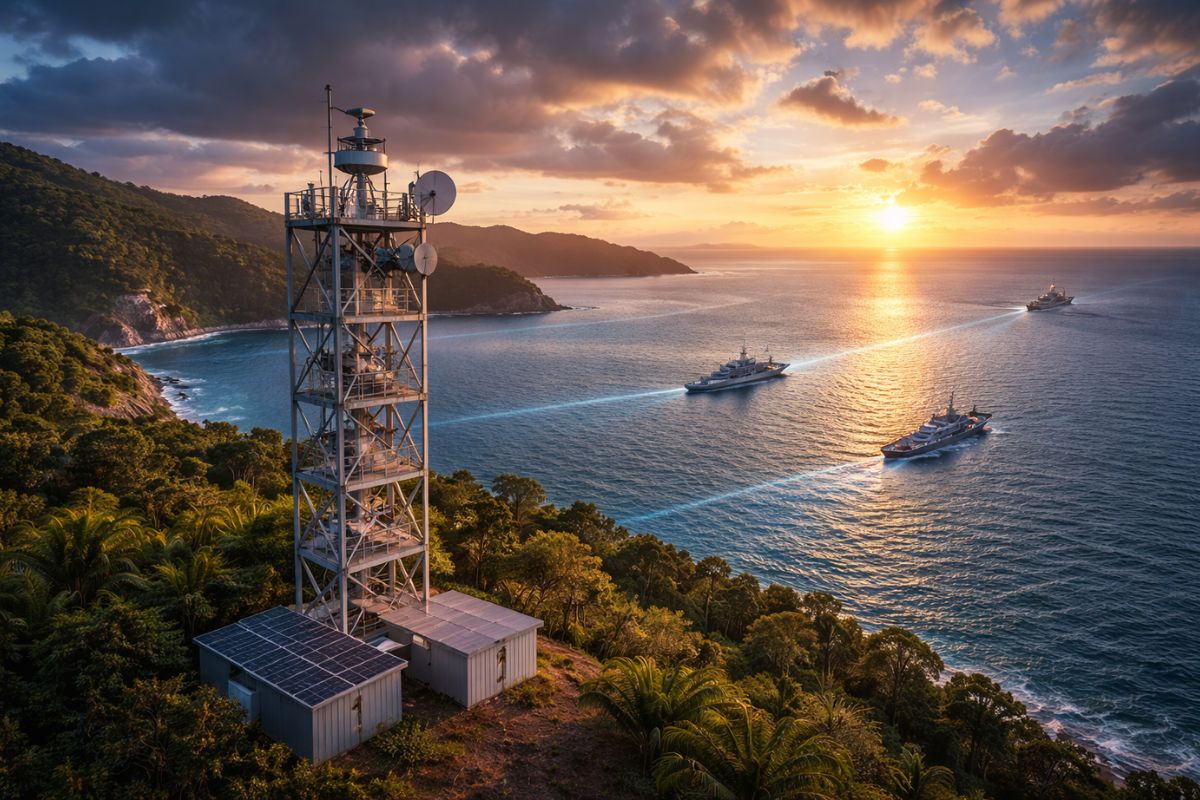
Brazil is about to inaugurate the largest maritime surveillance system in its history, with radars, infrared cameras, and autonomous sensors installed on Ilha Grande to monitor the entire Brazilian coast in real time.
-
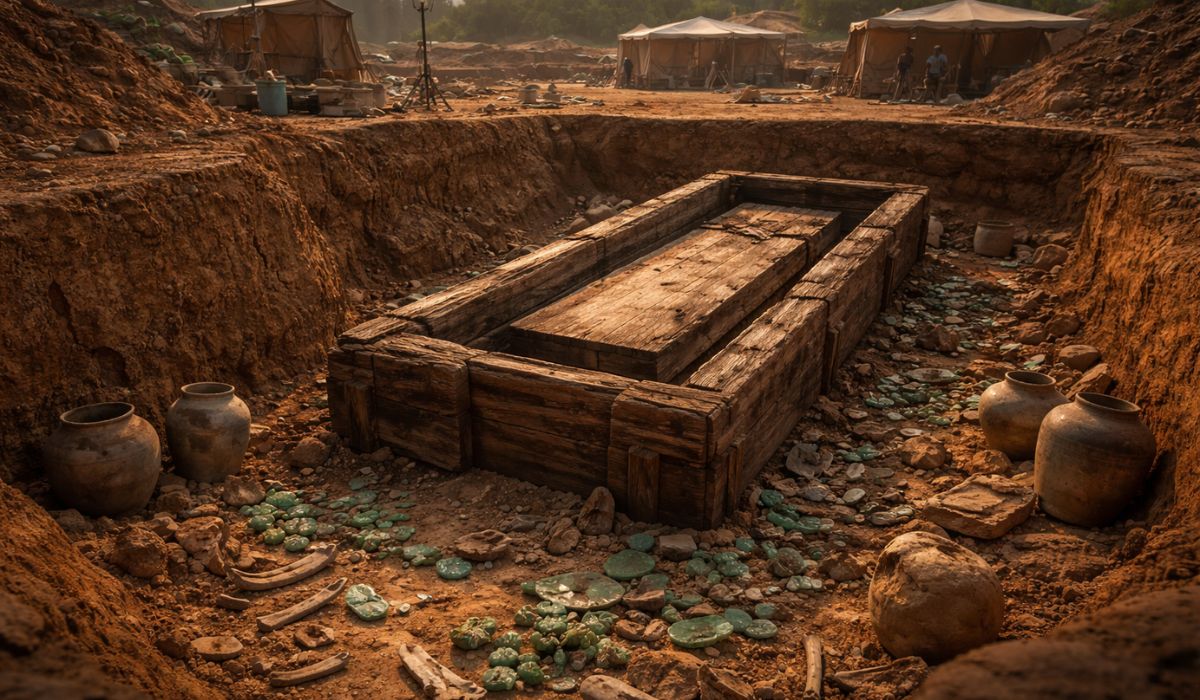
Archaeologists discover in China a 5,000-year-old tomb with over 350 artifacts, nearly 200 jades, and signs of intentional destruction, in a discovery that could be the gateway to a lost prehistoric kingdom.
-
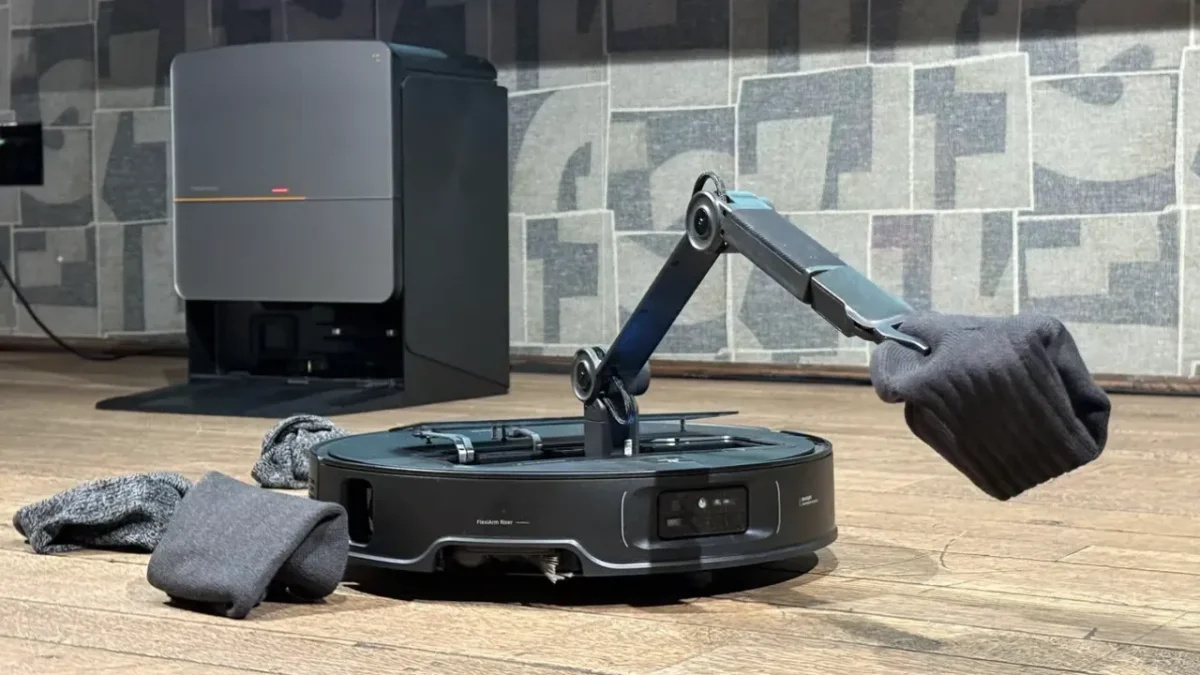
A vacuum robot with a five-axis mechanical arm capable of picking up objects from the floor, avoiding obstacles in real time, and continuing to clean on its own inaugurates a new generation of appliances that see, think, and act within the home.

The researchers responsible for the original study described the species found in the mine, named Xenodens calminechari, through partial fragments of the jawbone and four associated teeth. This marine monster fossil was found in a phosphate mine in the Moroccan province of Khouribga.
From these teeth, the team highlighted the uniqueness of the species. However, such claims are now the focus of a new study published last November in The Anatomical Record.
Understand What the Marine Monster Found in the Moroccan Mine Was Like
Mosasaurids were marine predatory reptiles that dominated the oceans during the Cretaceous period, between 145 and 66 million years ago. They varied in size, with lengths ranging from 3 to 15 meters, and had teeth adapted to their different diets.
According to the 2021 team, the marine monster fossil from the Moroccan mine had small, short blade-shaped teeth, grouped to form a saw-shaped blade.
This tooth arrangement was unique among squamates, the order to which mosasaurs belong, and also among tetrapods, or four-limbed vertebrates. This peculiarity caught Henry’s attention, leading him to conduct a critical review that revealed several discrepancies in the biology of these monsters and raised doubts about the authenticity of the marine monster fossil.
Two mosasaur teeth, close to each other, are found in the same socket, which does not align with the pattern observed in other mosasaur species, where each tooth has its own socket.
Other Contradictions in the 2021 Studies
According to Michael Cadwell, co-author of the new study and a professor of biological sciences at the University of Alberta, these marine monsters continuously replaced their teeth throughout their lives. Each time a tooth fell out, a space remained where the next tooth grew, anchoring itself firmly in the jawbone.
Another unusual detail about the fossil from the marine monsters in the Moroccan mine is that it had additional material, called medial overlay, on one side. This phenomenon should not occur in the normal development of the teeth of this species.
Mark Powers, another co-author of the study, highlighted that this detail is one of the main indicators that it may be fake. Additionally, the mine where the fossil was found is located in an area known for altering remains to increase their monetary value.
Sharpe and his colleagues, to clarify the true nature of the fossil, proposed performing a CT scan to analyze the internal structure to confirm whether it is an authentic or altered fossil.





Seja o primeiro a reagir!