





 English
  Francês
  Alemão
  Italiano
  Japonês
  Norueguês
  Portuguese
  Spanish
  2 min of reading
  1 comment


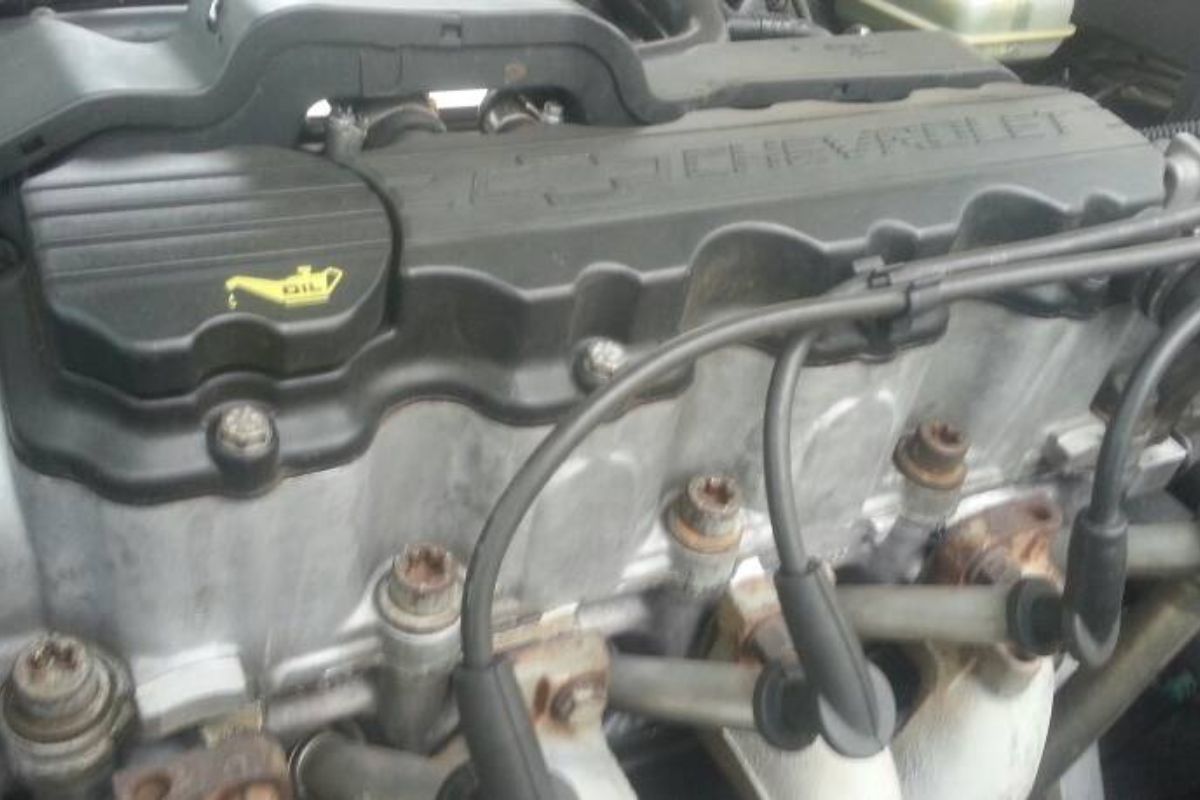


The Practice of Adding Diesel to Gasoline to Supposedly Clean and Lubricate the Fuel System Is a Dangerous Myth, Expert Warns. Understand the Risks.
A common question among drivers is whether adding a small amount of diesel to gasoline can help clean the engine and lubricate the fuel system. However, this popular belief lacks technical foundation and can cause problems for the vehicle.
Professor Fernando Landolfo, technical consultant for the magazine O Mecânico and engineering professor, clarifies that mixing these fuels is not recommended and explains the reasons behind this statement, debunking yet another myth in the automotive market.
The Popular Myth: Using Diesel in Gasoline for Cleaning and Lubrication

The idea that a few milliliters of diesel per liter of gasoline could benefit gasoline engines by helping to clean components and lubricate the system circulates among drivers. Some also believe that this mixture would increase the density of the gasoline.
-
On a tiny island of 6.3 hectares, Mitsubishi created a city for over 5,000 residents, sustained by underwater coal mining, until the project’s collapse left ruins that still impress Japan.

-
Scientists open a 1-million-year-old capsule in New Zealand and find fossils of 16 species that reveal extinctions caused by volcanoes and climate changes before humans.

-
Explorers find Roman treasure trapped between rocks on the seabed for nearly 1,600 years and reveal a desperate attempt to hide 53 gold coins during the invasions of the Empire.

-
Archaeologists discover Roman vase buried for over 2,000 years with more than 175 intact gold and silver coins, revealing a desperate strategy to protect wealth during the collapse of the Empire.

However, according to Professor Landolfo, there is no academic work in the engineering field that proves or refutes the hypothesis that diesel assists in lubricating the fuel system of an Otto cycle engine (powered by gasoline).
What Engineering Says
The addition of diesel to gasoline can, in fact, cause a slight increase in the specific mass of the resulting fuel due to the higher density of diesel. However, the potential harms outweigh any supposed benefits.
“Diesel is a type of fuel, gasoline is another”, emphasizes Landolfo. Mixing these two distinct products for use in an engine designed for only one of them does not bring advantages and exposes the engine to risks.
Fundamental Differences Between Fuels
Diesel fuel is obtained from the fractional distillation of crude oil, and its basic components, such as gas oil and naphtha, are heavier than those of gasoline. It is designed to be burned under specific conditions, in combustion chambers with a higher compression ratio, characteristic of diesel cycle engines.
Gasoline, on the other hand, uses lighter fractions of oil and has a different burning process, suitable for Otto cycle engines.
Risks of the Mixture: Deposit Formation and More Pollution


The main problem with using diesel in gasoline is that diesel fuel was not made to be burned under the conditions of a gasoline engine. “This mixture, when burned in an Otto engine, can cause deposit formation inside the engine”, warns the professor.
In addition to carbonization and residue formation, the practice of adding diesel to gasoline can also lead to an increase in pollutant emissions, harming the environment and potentially causing issues with regulations.









Os habitantes da Terra Plana (🐂) não gostaram dessa notícia!