





 Portuguese
  English
  Spanish
  5 min of reading
  0 comments


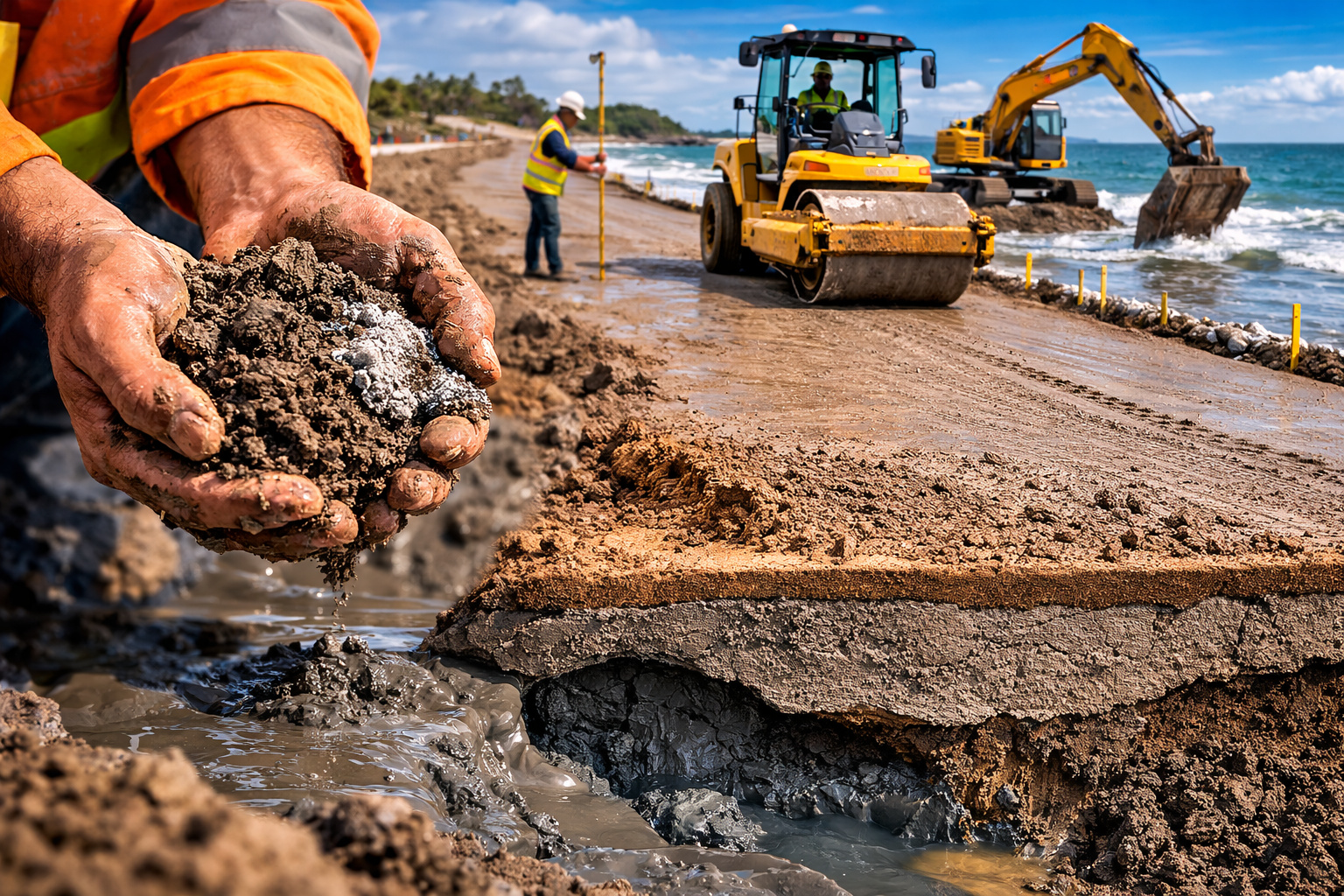
Mudcrete Is a Mixture of Marine Sludge, Sand, and Cement Used to Stabilize Soft Soils in Engineering Works, Allowing for the Construction of Roads, Embankments, and Infrastructure in Coastal Areas.
Mudcrete: In geotechnical engineering, terrains formed by marine sediments have always posed a challenge for civil construction. In coastal areas, river deltas, and mangrove regions, the natural soil is often composed of marine sludge, clay, and fine sediments saturated with water, materials that have low structural strength and high deformation capacity. This type of terrain presents a problem known in engineering as low soil bearing capacity. This means that the weight of roads, buildings, or equipment can cause settlement and deformation of the surface. In some cases, entire pavements begin to crack a few months after construction when the soil does not receive proper treatment.
To solve this problem, engineers have developed several techniques for stabilizing soft soils, and one of them involves transforming the existing sediment into a more resistant material. The mixture known as mudcrete emerges precisely from this approach.
Mudcrete is produced from the mixing of marine sludge, sand, and small amounts of cement, creating a stabilized material that serves as a foundation for infrastructure works. After the curing process of the cement, the originally unstable soil exhibits mechanical characteristics much more suitable to support loads.
-
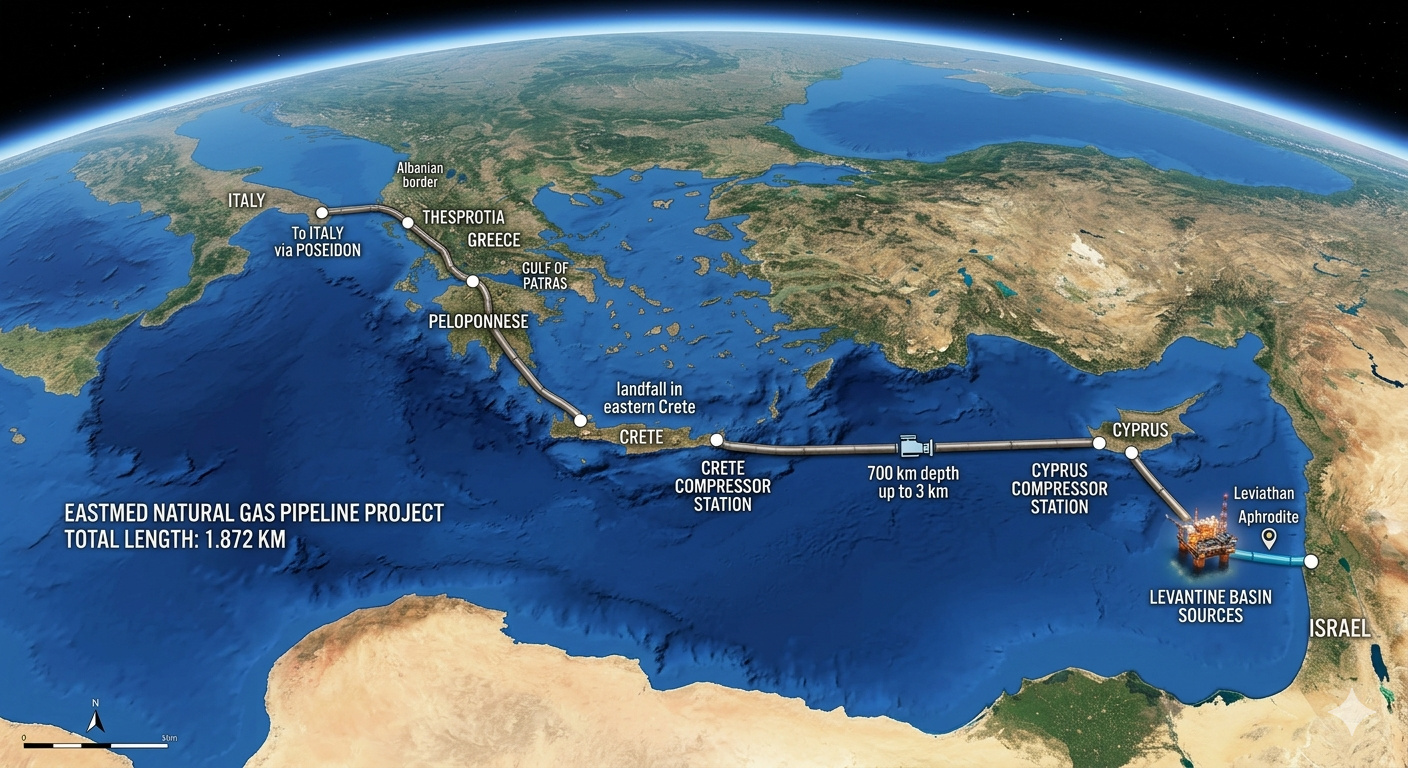
Israel, Greece, and Cyprus signed an agreement in 2020 to transport gas from the Mediterranean to Europe via a 1,872 km pipeline, but Turkey claimed sovereignty over part of the maritime route, and the project never materialized.
-
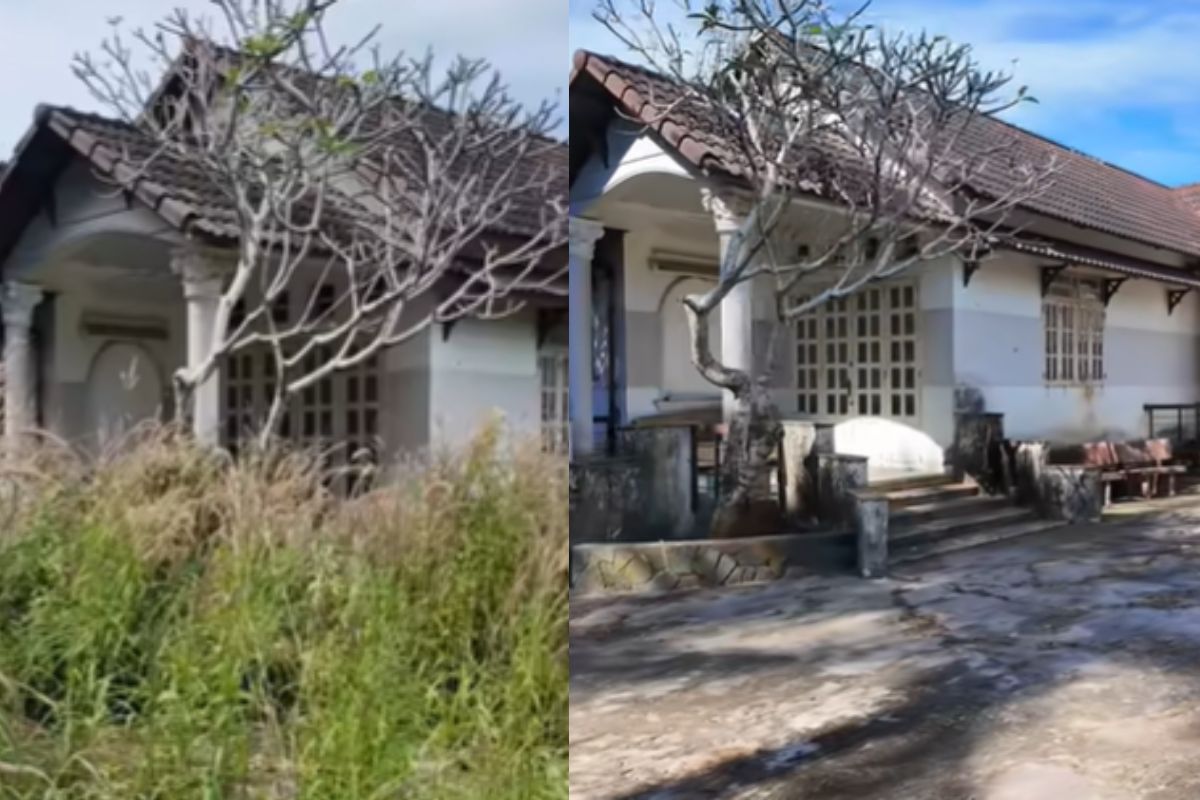
Abandoned house for 15 years disappears in the woods, shocks owner with unrecognizable scenery and is reborn in an intense transformation after almost 90 hours of work in just 10 days.
-
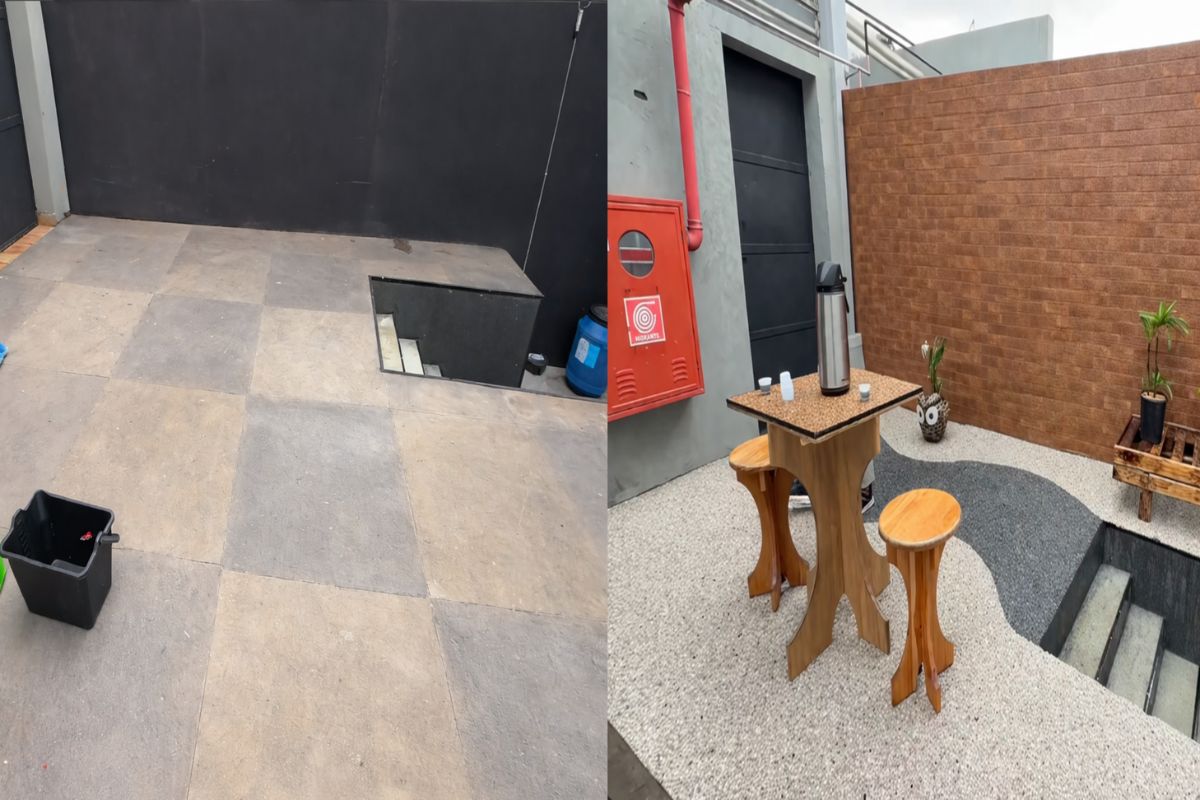
In just three hours, a natural stone floor transforms the entrance of the house with an organic effect, immediate drainage, and a sophisticated non-slip finish that doesn’t puddle water, dries quickly, and impresses with the final result.
-
‘Interlocking brick’ made of earth arrives in the construction industry with cost reductions of up to 40% on the project.

Why Marine Clay Soils Hinder Road and Construction Works
Terrains formed by marine sediments present physical properties quite different from the compact soils found in continental areas. The presence of extremely fine particles and high water content means that the material has little resistance and behaves unstably when subjected to pressure.
Among the main characteristics of this type of soil are high compressibility, low shear strength, and high water content. These properties cause the terrain to compact slowly under constant weight, resulting in progressive settlements in structures built on it.
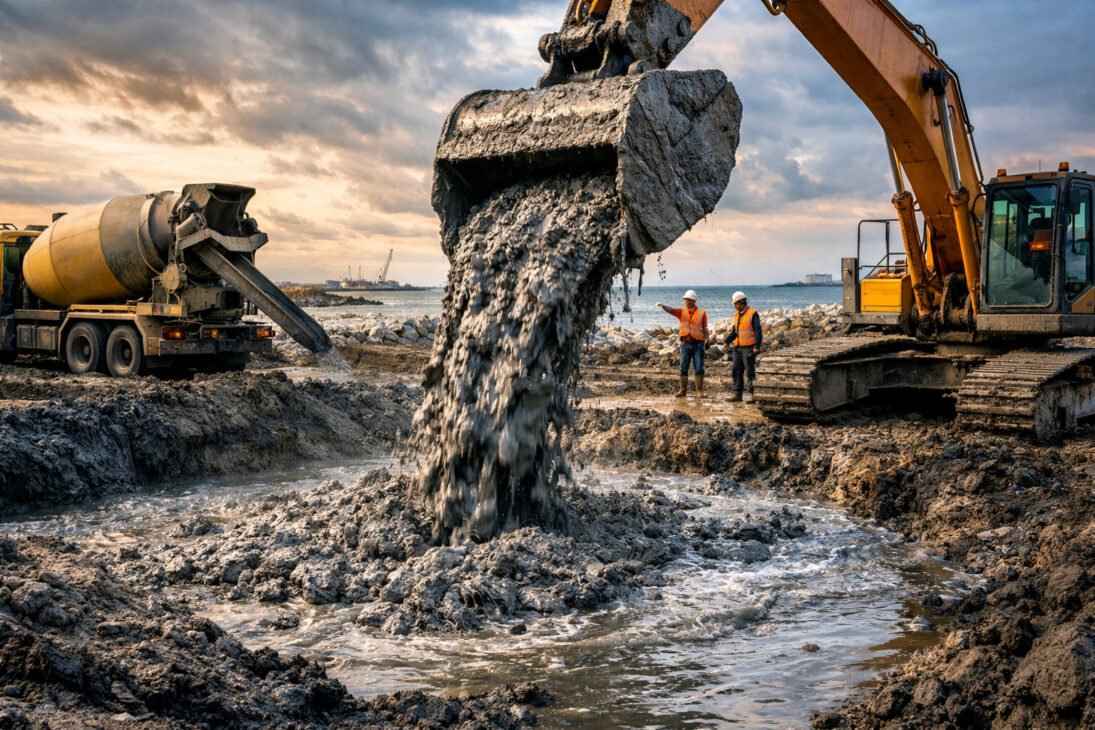
When a road or embankment is built directly over such soil without any geotechnical treatment, the weight of the structure can cause vertical displacements and surface deformations. This process can result in cracks in the pavement, unevenness in the roadway, and even more severe structural failures.
For this reason, infrastructure projects in coastal areas often require soil improvement or stabilization techniques, ensuring that the terrain has sufficient strength before construction.
How the Mixture of Sludge, Sand, and Cement Creates Mudcrete
The functioning of mudcrete is directly related to the chemical reactions that occur during the hydration of the cement. When cement comes into contact with the water in the marine sludge, a chemical process begins that forms crystalline compounds capable of binding the soil particles together.
In this process, sand plays an important role by improving the grain size structure of the mixture. The larger sand particles help to reduce the compressibility of the material and increase the stability of the matrix formed during the cement curing.
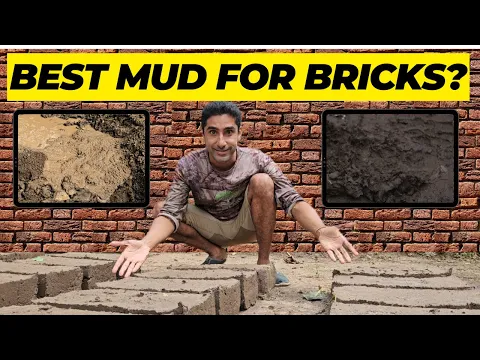

Over time, the mixture undergoes a hardening process similar to that of traditional concrete. The marine sludge ceases to behave as a saturated sediment and functions as a soil stabilized with cement, capable of bearing much greater loads than the original terrain.
This transformation allows the material to be used as a foundation for different types of infrastructure works.
Where Mudcrete Is Used in Engineering Works
The stabilization of soils with cement is a technique widely used in civil engineering and geotechnics. Mudcrete mainly appears in works carried out in coastal areas or regions with very soft soils.
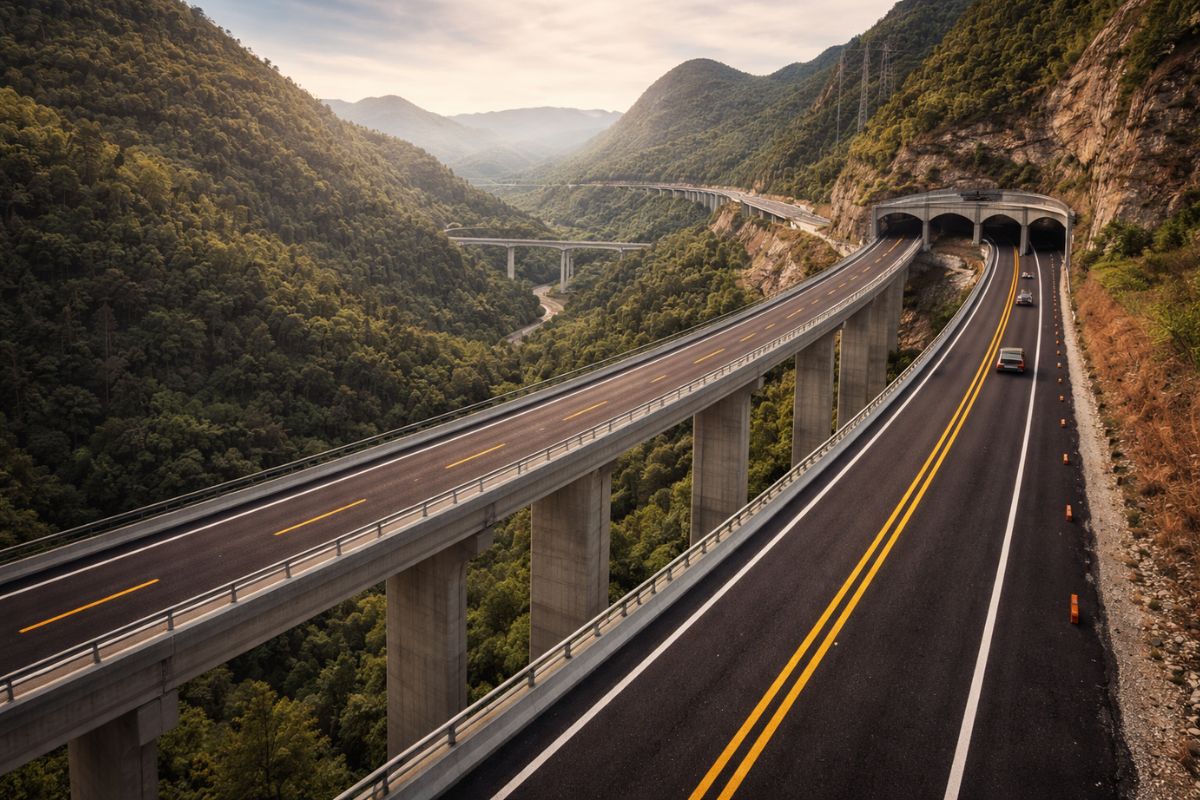
Among the most common applications are the construction of roads in coastal regions, where the natural soil does not have sufficient strength to support the weight of the pavement. The stabilized mixture serves as a base layer capable of distributing road loads more evenly.
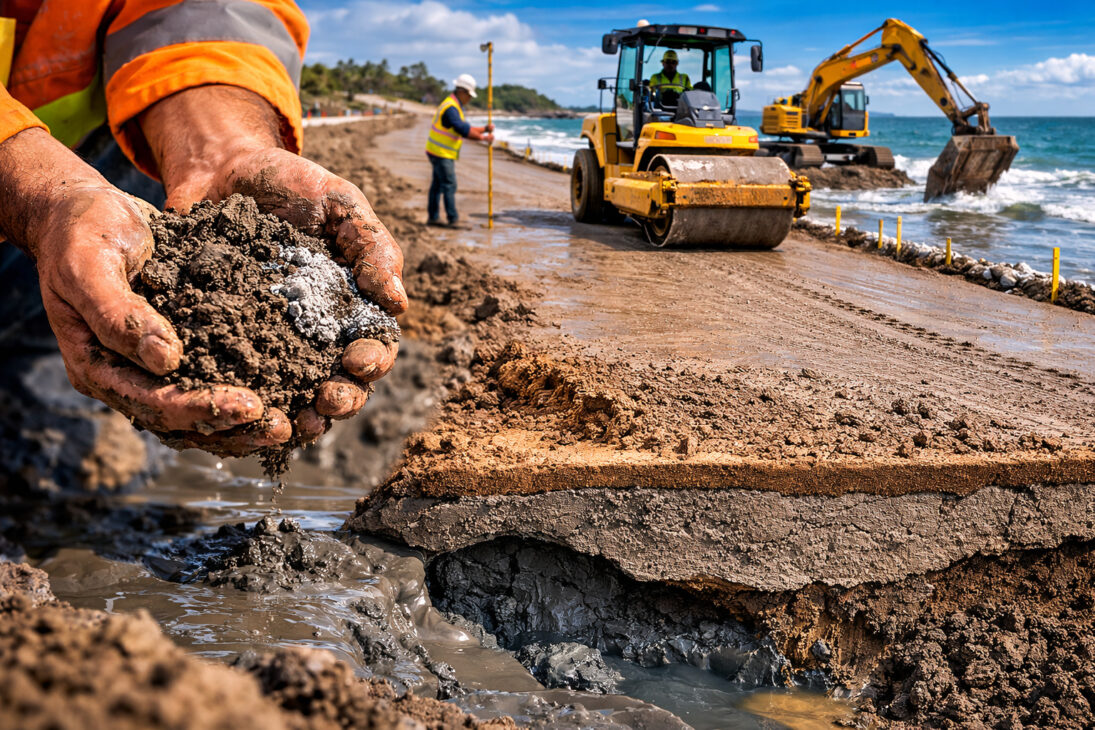
The material can also be used in the formation of port embankments, where large areas need to be consolidated to support warehouses, equipment, and logistical operations. In urban expansion projects near the sea, mudcrete helps prepare flooded lands before building infrastructure.
Another important application appears in industrial areas and port zones, where the soil needs to be stabilized to support heavy structures, cargo handling equipment, and high traffic.
Advantages of Soil Stabilization with Mudcrete
One of the main advantages of using mudcrete is that it allows for the utilization of the existing soil at the construction site. Instead of removing large volumes of sediments and replacing them with materials transported from other regions, engineers can stabilize the terrain using cement mixing techniques.
This approach significantly reduces transportation costs and the environmental impact associated with soil removal. Additionally, the construction time is usually shorter compared to traditional methods of complete soil replacement.
Another important benefit relates to the improvement of soil load capacity, allowing areas previously deemed unsuitable for construction to become viable for infrastructure projects.
In regions experiencing intense urban or port expansion, soil stabilization techniques may represent an essential solution for the development of new areas.
Limitations and Precautions in the Application of Mudcrete
Despite the advantages, the use of mudcrete requires adequate planning and technical control. The composition of marine sludge can vary significantly from one location to another, which directly influences the properties of the stabilized material.
For this reason, projects using soil stabilization techniques typically include detailed geotechnical studies, which analyze factors such as sediment grain size, water content, and the presence of organic matter.
Based on this data, engineers determine the ideal proportion of cement and sand needed to achieve the desired strength. Laboratory tests are also conducted to assess the material’s behavior after curing.
This control ensures that the stabilized soil performs adequately when subjected to the loads anticipated in the project.
The Engineering That Transforms Sediments into Infrastructure Foundations
The development of techniques such as mudcrete demonstrates how civil engineering can adapt natural materials to solve complex infrastructure challenges. Marine sediments that originally exhibited low resistance can become solid bases for roads, ports, and industrial areas after the stabilization process.
This approach allows for the utilization of the existing soil at the site, reducing costs and making projects feasible in areas where complete soil replacement would be economically unviable.
In a world where many cities continue to expand towards coastal areas, solutions for stabilizing soft soils with cement, such as mudcrete, have become increasingly important to ensure structural safety and the viability of new engineering works.







Seja o primeiro a reagir!