





 Portuguese
  English
  Spanish
  4 min of reading
  0 comments


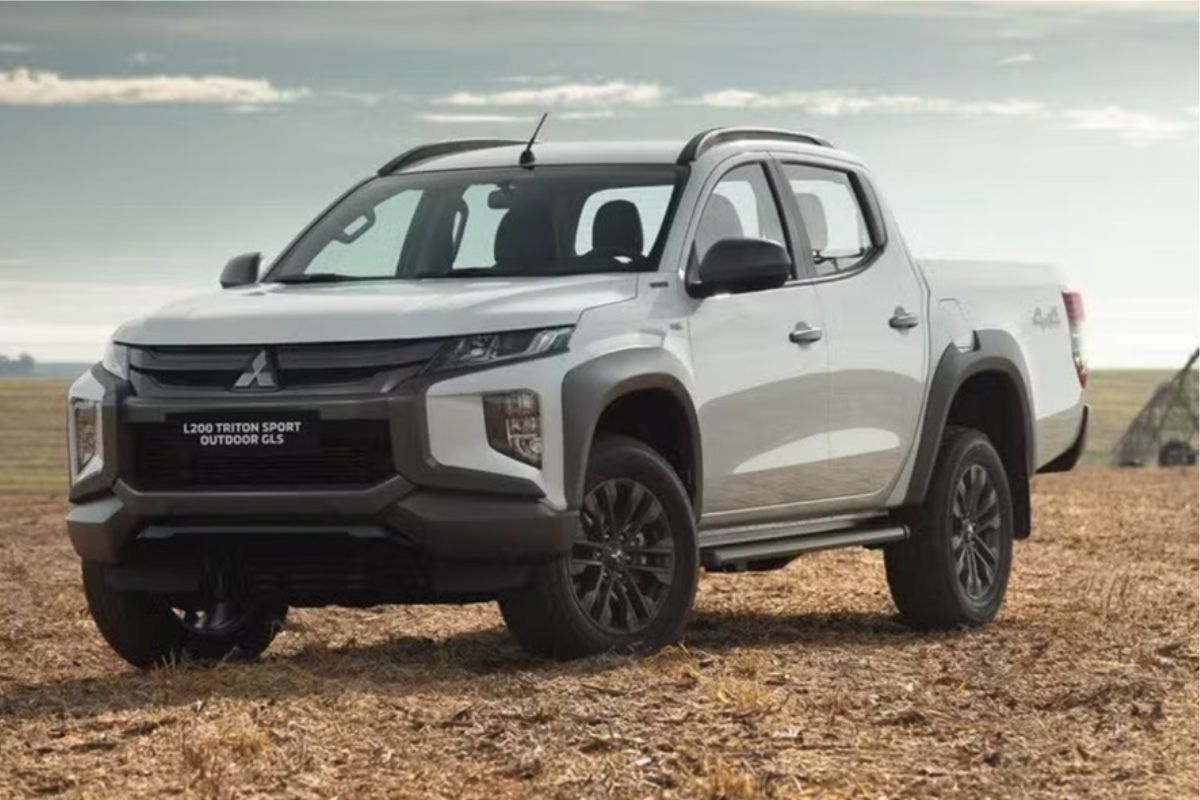
In Brazil, Mitsubishi Ends Production of L200 After 34 Years and Almost 500 Thousand Units to Focus Sales on the New Triton Launched in 2024, Causing a Total Change in the Portfolio and Drawing Attention from the Automotive Market.
Mitsubishi has put an end to one of the most remarkable stories in the medium pickup segment in Brazil. The L200 officially went out of production at the end of 2025 and has stopped appearing on the brand’s website.
It was 34 years of presence in the Brazilian market and nearly 500 thousand units sold. A number that shows the impact of the pickup in the country.
Now, the strategy has changed completely. The Japanese manufacturer decided to concentrate efforts on the new generation, which has dropped the name L200 and is now simply called Triton.
-
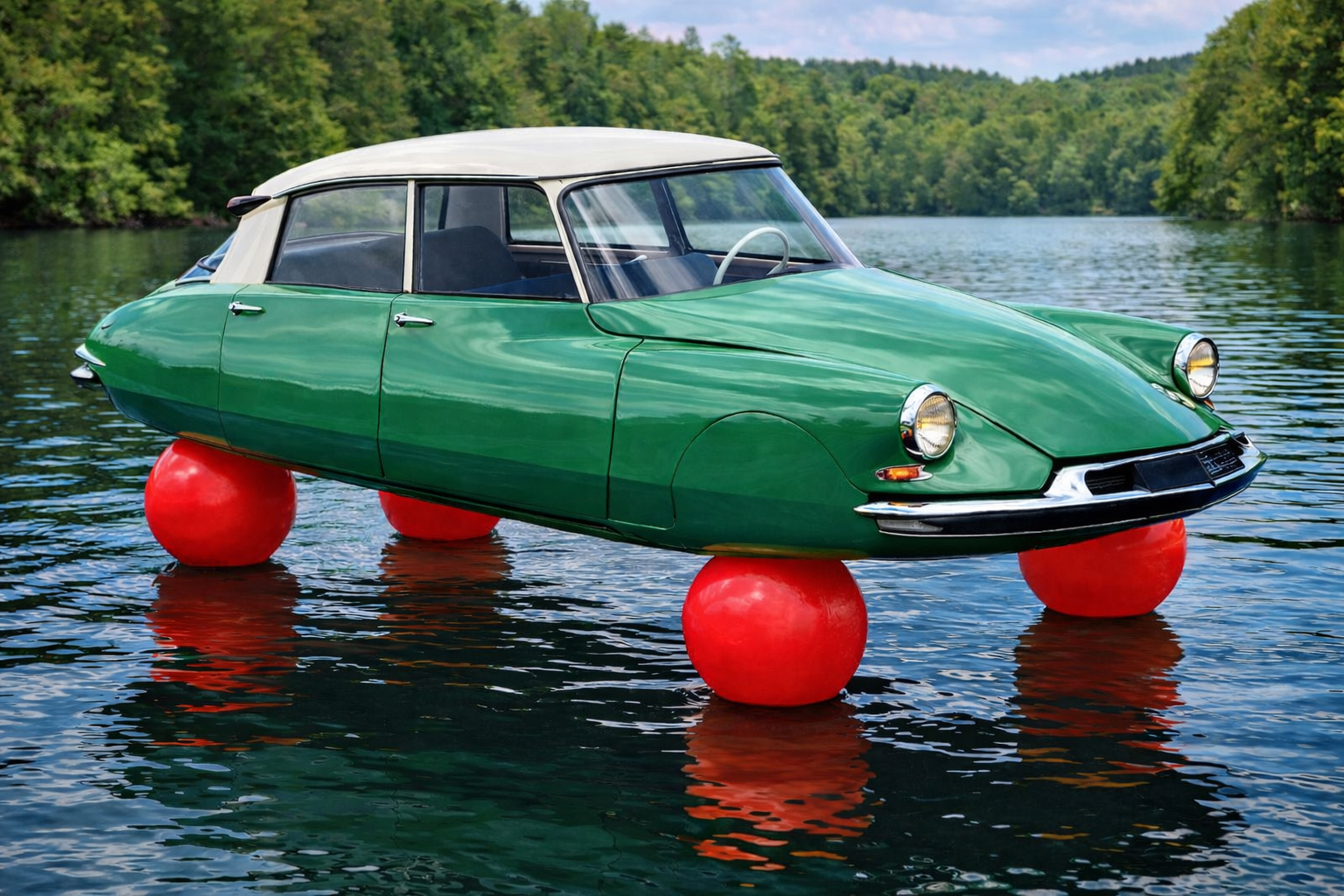
A French brand placed a car on four huge red balloons to prove that its suspension made the vehicle “float,” and the surreal scene became one of the most iconic and unusual images in automotive history.
-
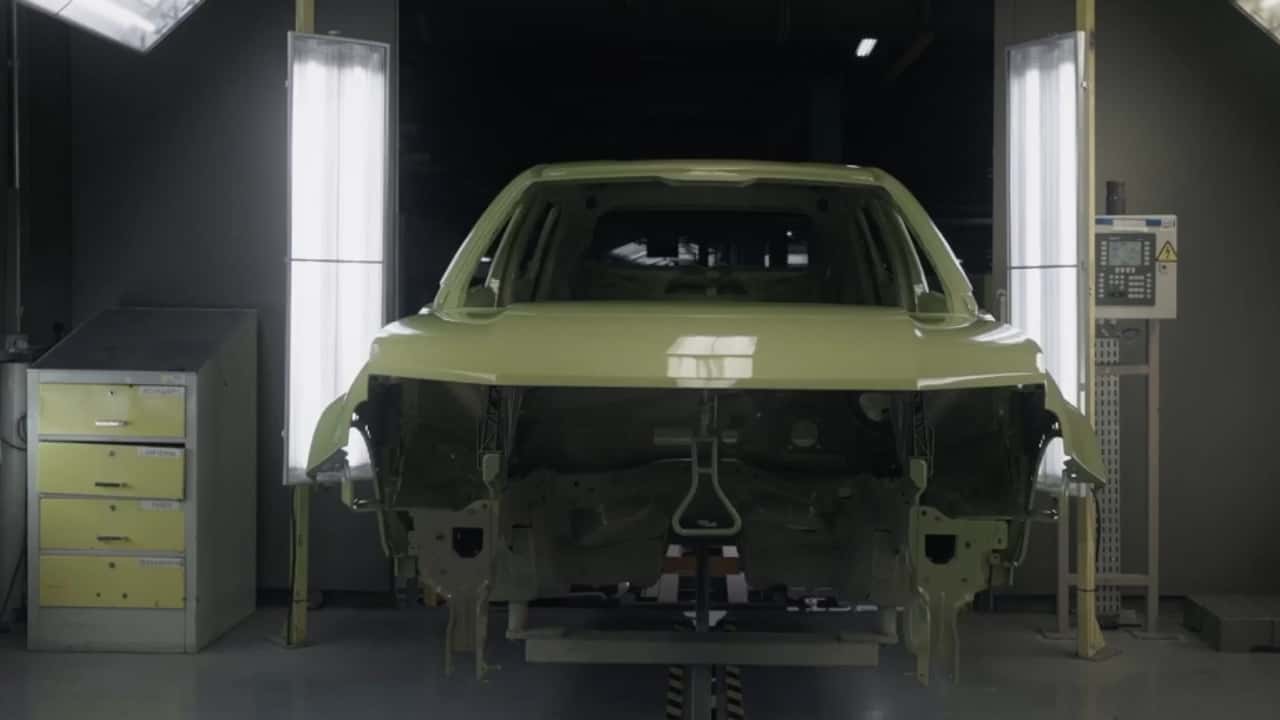
Jeep Avenger begins production in Brazil, debuting as the brand’s new entry-level SUV and inaugurating an unprecedented phase by becoming the first national Jeep manufactured outside of Goiana, as part of a R$ 3 billion plan.
-
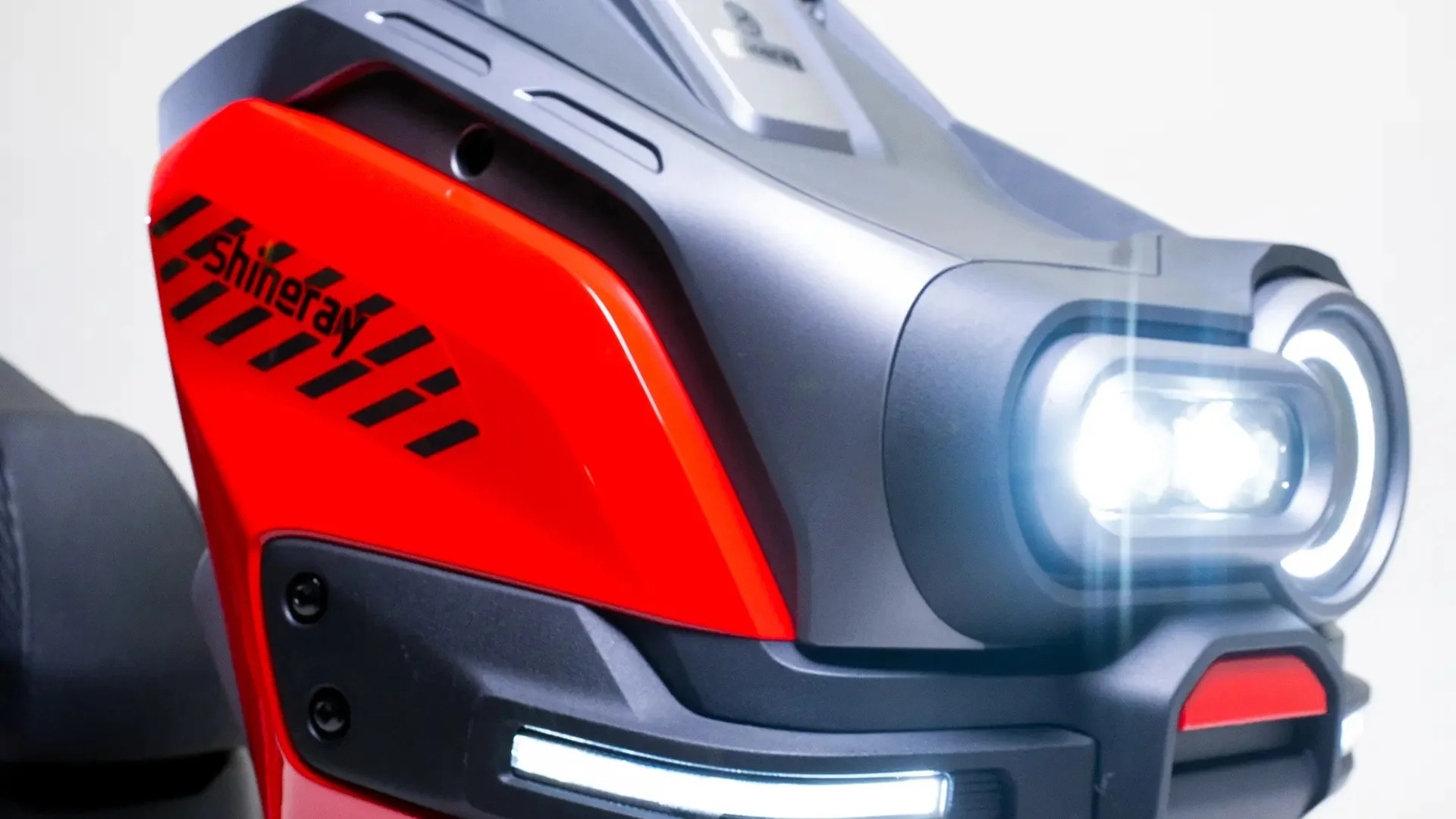
Costing R$ 12,490, the new Shineray Urban Lite 150 “cheap one” arrives in Brazil with a CVT transmission, digital dashboard, and LED lights, making it more affordable than the Biz and targeting those who want to abandon the bus.
-
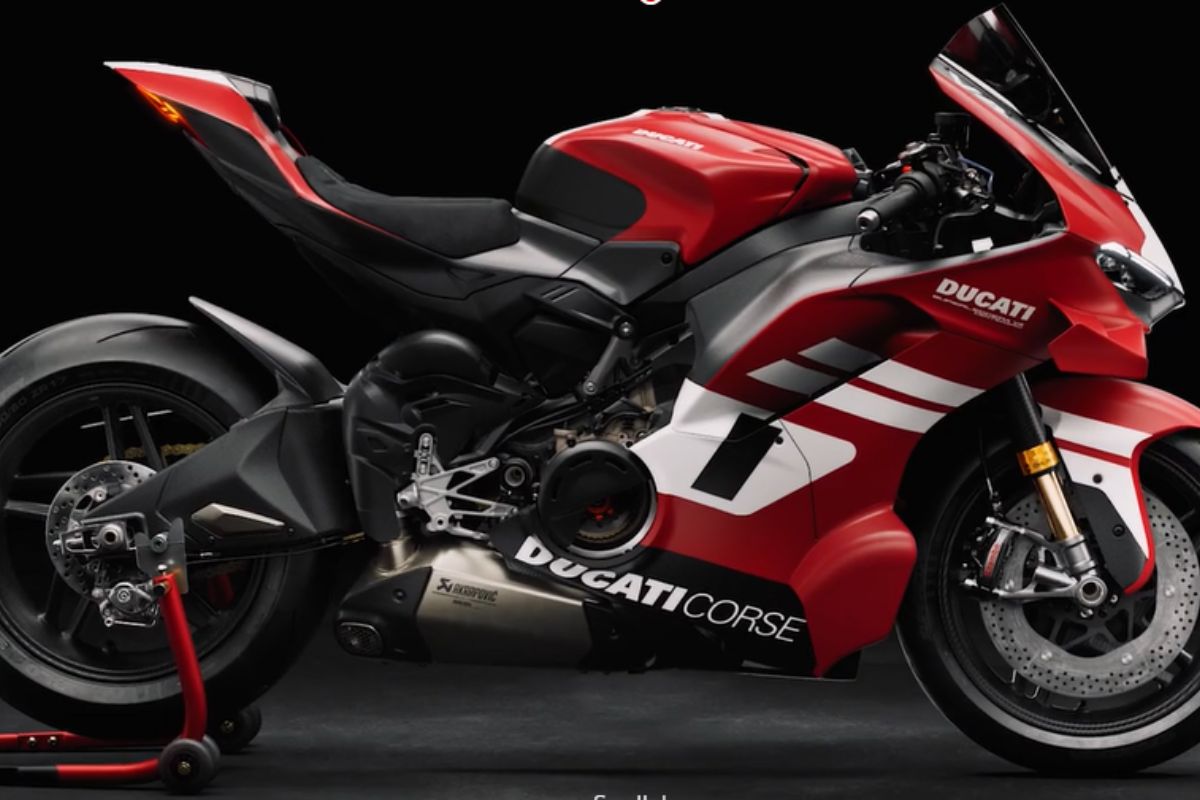
Ducati brings to Brazil the Superleggera V4 Centenario: 228 hp that become 247 with a track kit, carbon fiber and carbon-ceramic brakes, estimated price between R$ 1.5 and 2 million, deliveries only in 2027.

L200 Goes Out of Production After Three Decades and Marks the End of an Era in Brazil
The L200 arrived in Brazil in 1991, still imported, in its second generation. Since then, it has become one of the most recognized medium pickups in the country.
Over more than three decades, the model has gone through different generations, gained new engines, and undergone significant changes.
In 2025, however, production was definitively halted. For part of the year, the old generation was still being manufactured at the plant in Catalão, Goiás, alongside the sixth generation of the pickup.
But maintaining two different models in the portfolio no longer made sense with the arrival of the more basic versions of the new Triton.
New Triton Replaces L200 and Becomes the Only Pickup of the Brand
Launched in November 2024, the sixth generation now only goes by the name Triton. The change was not just aesthetic. The pickup officially took the position of the only truck from Mitsubishi in Brazil.
The entry-level version is the GL, aimed exclusively at companies, with the option of manual or automatic transmission. The price is available on request.
There are also available GLS, HPE, HPE S, Katana, and the traditional Savana version, known for its adventurous appeal. The Savana is currently the most expensive configuration in the lineup.


2.4 Turbo Diesel Engine with 205 Hp and 4×4 Traction in All Versions
Regardless of the chosen version, the new Triton uses the same mechanical set.
The engine is a 2.4 turbo diesel with 205 hp of power and 47.9 kgfm of torque. The transmission is a six-speed manual in the GL version and a six-speed automatic in the other configurations, with sequential shifts via the lever.
The 4×4 traction is present in all versions, but with two different systems.
In the GL MT, GL AT, GLS, and HPE versions, the system is Easy Select, which offers three driving modes.
In the HPE S, Katana, and Savana versions, the system is Super Select II, which comes with four driving modes, central locking, and rear differential locking. The most noticeable detail is the technical difference in the more expensive versions.
From Importing in 1991 to National Production in Goiás

The history of the L200 in Brazil began in 1991. At the time, the second generation was imported.
In 1998, with the inauguration of Mitsubishi’s factory in Catalão, Goiás, production became national. The model used a 2.5 diesel engine with 87 hp and 20.5 kgfm of torque.
In 2003, a new generation marked the introduction of automatic transmission in diesel pickups in the country. The same 2.5 engine began to deliver 121 hp and, in the top version, 141 hp and up to 30.6 kgfm of torque.
In 2004, the Savana version emerged, which remains in the portfolio to this day.
Evolution of Generations Brought Engines of Up to 205 Hp and Flex Versions
In 2007, the fourth generation, called L200 Triton, arrived in Brazil. It featured a 3.2 turbo diesel engine of up to 180 hp and 38 kgfm of torque, remaining in line until 2016.
During this period, there were also flex versions, including a 3.5 V6 engine with 205 hp and 33.5 kgfm, and a 2.4 four-cylinder engine with 142 hp and 22 kgfm of torque.
At the end of 2016, the fifth generation was launched, equipped with a 2.4 turbo diesel engine in aluminum, delivering 190 hp and 43.9 kgfm.
This generation underwent an update in the 2021 lineup and was sold until the end of 2025, already only under the name L200, coexisting with the new Triton launched at the end of 2024.
The result is a clear change in Mitsubishi’s positioning in Brazil. The L200 concludes its historic journey, and the Triton takes on the sole responsibility of maintaining the brand in the competitive medium pickup segment, something that certainly draws the attention of consumers and the automotive market itself.
What do you think, was the name change and strategy a good move or should the L200 have remained in the Brazilian market?










-

-

2 pessoas reagiram a isso.