





 Portuguese
  English
  Spanish
  4 min of reading


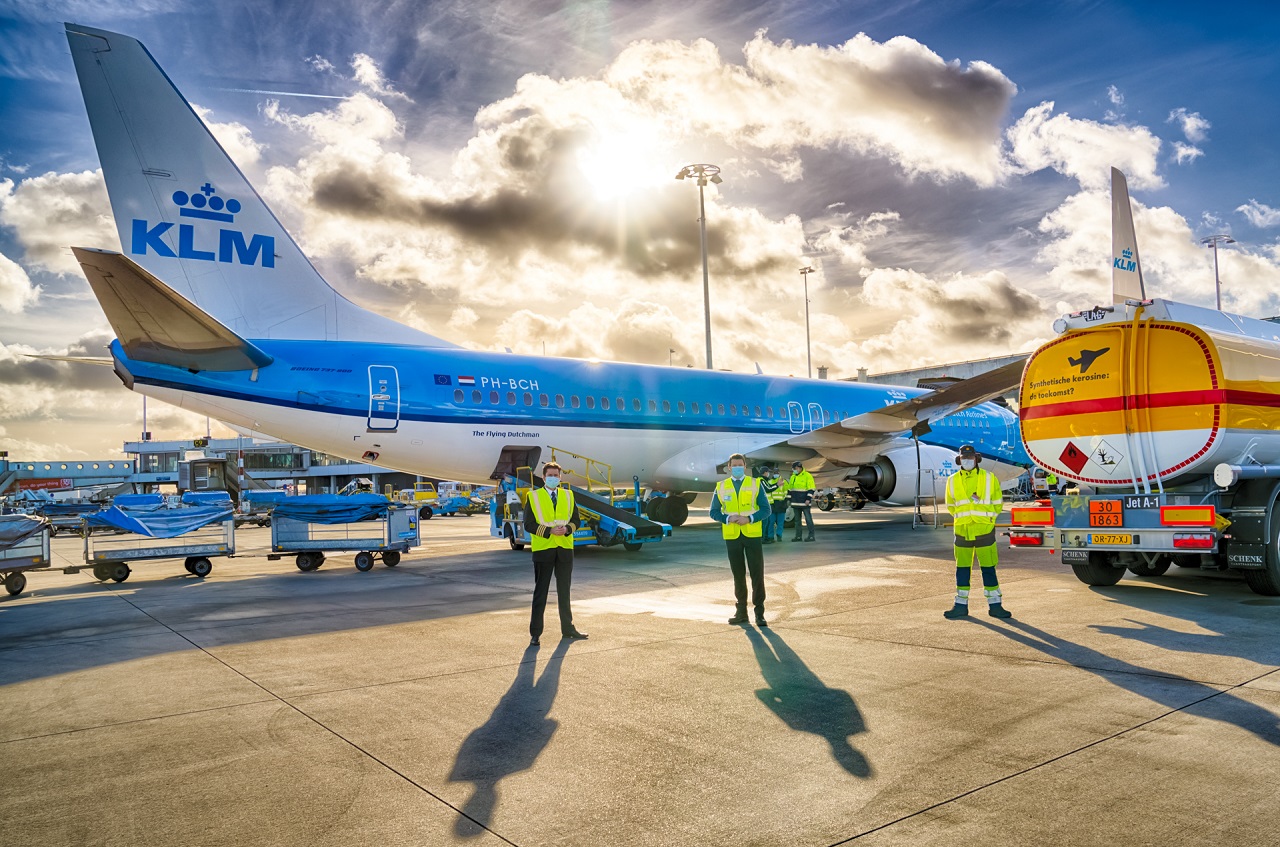
Companies Will Establish, in 2027, a Domestic Supply Chain That Handles Everything From Raw Materials Acquisition to Manufacturing and Distribution, but the Initial Focus of the Partnership Is to Accelerate the Production of Renewable Fuel for Aircraft.
Mitsubishi and Eneos Holdings jointly announced on Monday (18) that they will produce renewable fuel for the aviation market (SAF), which significantly reduces carbon dioxide emissions from aircraft. The companies will establish, in 2027, a domestic supply chain that handles everything from raw materials acquisition to manufacturing and distribution. The announcement confirms a previous report by Nikkei on the subject.
Eneos and Mitsubishi Join Forces to Decarbonize the Aviation Market Using Renewable Fuel
As aviation decarbonization regulations become more stringent worldwide and competition for SAF increases, the two companies aim to reduce their dependence on imports by establishing their own mass production system.
SAF is derived from biomass, such as used cooking oil and plants. It is blended with aviation fuel derived from crude oil. With it, carbon dioxide emissions from aircraft can be reduced by 70% to 90% compared to conventional fuel.
-
Brazil accelerates hydrogen and biofuel projects to consolidate the fuel of the future and reduce dependence on oil by 2026.
-
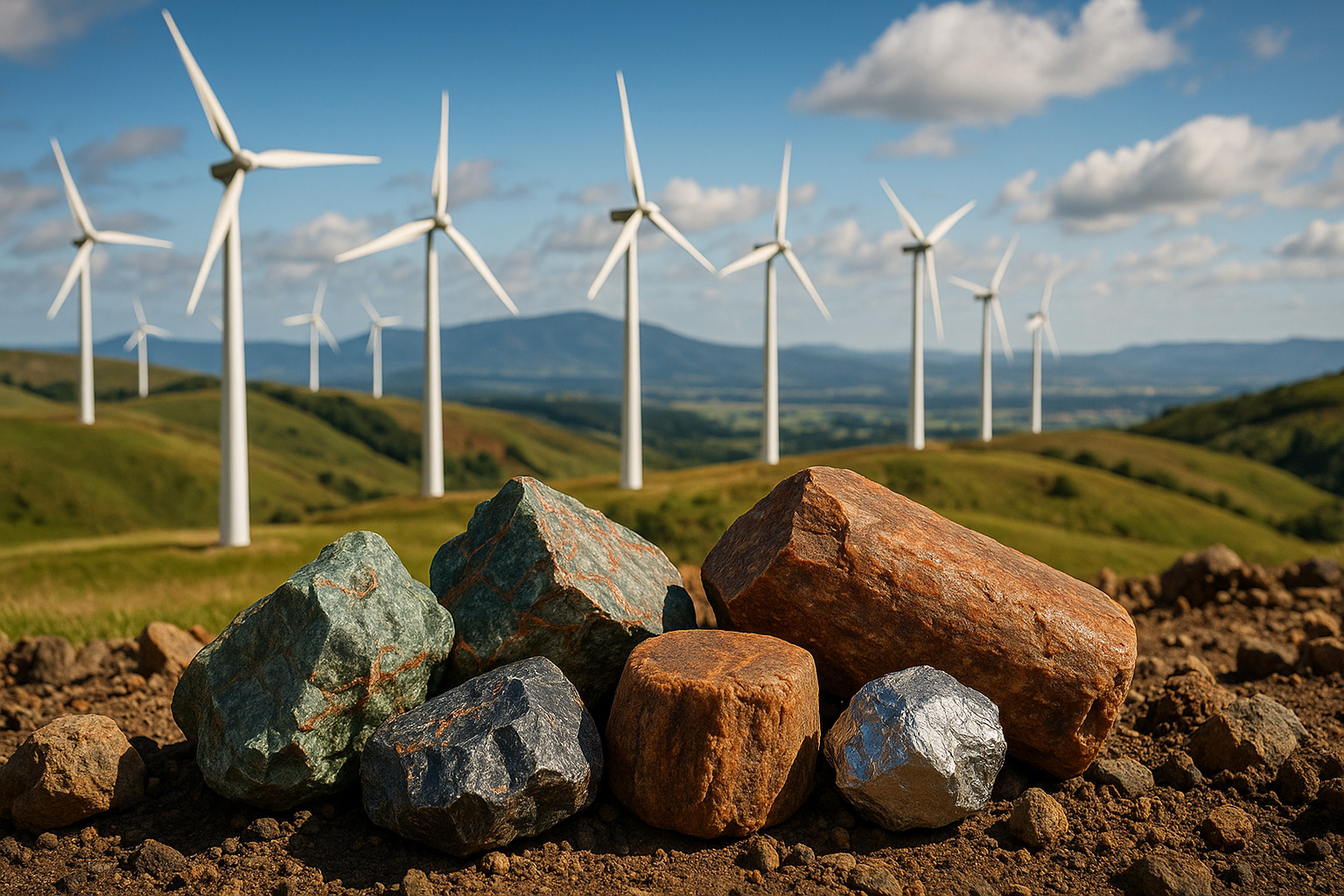
The Brazilian state accelerates industrial competitiveness with a focus on the extraction of strategic minerals to boost the energy transition in Goiás.
-
A Canadian retiree creates a hydroelectric system on a real river, generating energy continuously throughout the day and demonstrating how the power of water can supply a house with stability even in a simple structure.

-
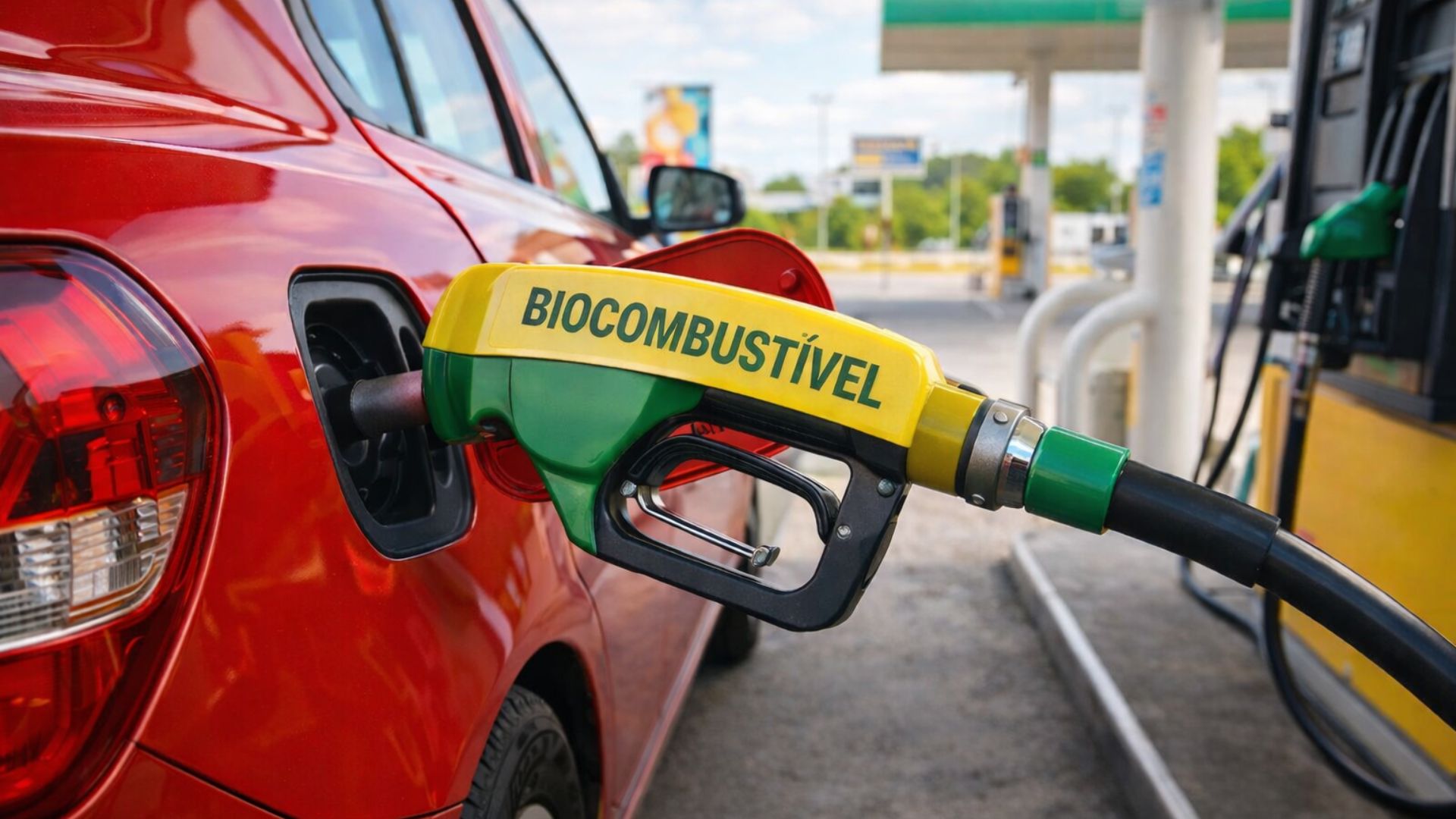
CNPE strengthens policy and prevents imported biodiesel from being mixed with diesel, aiming to strengthen the Brazilian industry and protect jobs by reducing external dependence amid tensions in the global market.

Worldwide, in 2020, 63 million liters of SAF were used, less than 1% of the total amount of aviation fuel used. It is estimated that the introduction of fuel regulations will require about 13 billion liters of SAF only in Japan, the U.S., and Europe by 2030.
The Japanese government has set a target to replace 10% of the aviation fuel used annually (about 1.3 billion liters) with SAF by 2030. The plan is to build a facility to receive SAF at Chubu International Airport in the autumn of 2022. All Nippon Airways (ANA) and Japan Airlines (JAL) have partially introduced SAF but still rely on imports.
Mitsubishi and Eneos Agree to Create a Domestic Supply Chain
With the government’s goal in mind, Mitsubishi and Eneos have agreed to create a domestic supply chain for large-scale sales of renewable fuel. Mitsubishi will handle raw materials procurement and distribution. In addition to its own grain and chemical networks, the company will also consider incorporating the purchasing networks of group companies like Mitsubishi Foods and Lawson.
Eneos will use some of its refineries for production. The production volume has yet to be determined, but the expectation is for hundreds of thousands of tons per year. The partnership will be the foundation of the government’s target for 2030. SAF will be supplied to airlines arriving and departing from airports in Japan. Specific details of the partnership, such as whether a new company will be established, will be decided later.
The production cost of SAF depends on the raw materials used but is on average 1,000 yen to 2,000 yen (US$ 8 to US$ 16) per liter, up to 10 times higher than conventional aviation fuel. For imports, logistics and other costs are also taken into account. The carbon dioxide emissions from transporting the fuel are also a concern. The two companies will establish a domestic mass production system for SAF to significantly reduce costs and decrease barriers to widespread use.
Organization Decides That Airlines Must Not Increase Their Carbon Emissions
The International Civil Aviation Organization, which has 191 countries and regions as members, decided in 2021 that airlines should not increase their carbon dioxide emissions above 2019 levels.
It plans to make the restriction mandatory in 2027. If the ICAO enforces the rule, planes that have not taken measures to reduce carbon dioxide emissions may have to be taken out of service. Considering this international rule, Mitsubishi and Eneos intend to start mass production by 2027. Europe and the U.S. currently lead in the production of SAF.
The Finnish company Neste has already marketed its product and counts ANA and Delta Air Lines among its clients. Fulcrum Bioenergy in the U.S. began production in the fiscal year 2021 in partnership with JAL. The American company Lanzajet has received investments from Microsoft, Shell, and others and will start production in Georgia in 2023.
In Japan, JGC Holdings, Cosmo Oil, and others plan to build a commercial plant in 2025. The Tokyo-based company Euglena is also advancing with SAF production testing using euglena, a type of freshwater flagellate, and other raw materials. Japanese companies lag behind their European and American competitors in terms of production technology and cost and have not yet paved the way for mass production.
Mitsubishi and Eneos will also work with other companies involved in SAF production, aiming to bring cost competitiveness to levels seen in Europe and the U.S. Eneos will begin a feasibility study with Total Energies of France on SAF production.






Seja o primeiro a reagir!