





 Portuguese
  English
  Spanish
  4 min of reading
  0 comments


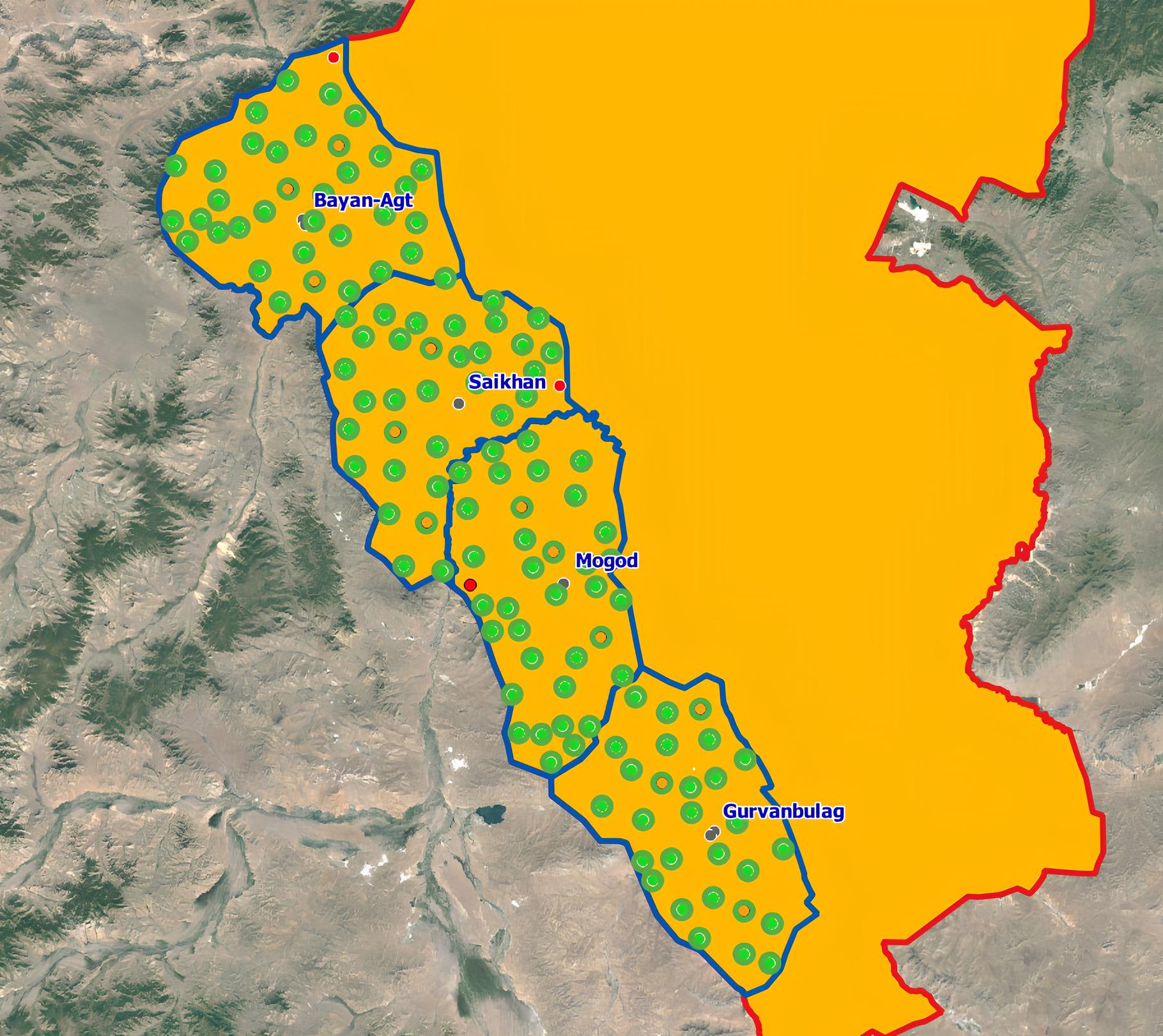
Mongolia–China Border Livestock Fence: Mongolia and China have surrounded almost the entire border to contain livestock, protect pastures, and transform land use into a strategic issue of sovereignty.
For centuries, the border between Mongolia and China was marked by open fields, freely roaming herds, and a pastoral economy that ignored lines on the map. This scenario began to change radically when the advance of environmental degradation, pressure on pastures, and recurring rural conflicts led both countries to adopt a direct and physical solution: one of the largest continuous fences on the planet, extending over 4,700 kilometers along the border line.
What was once only an ecological transition zone has transformed into a rigid artificial border, where pastures are treated as strategic assets.
The Problem That Did Not Respect Borders
The foundation of the rural economy in Mongolia has always been extensive herding. Herds of goats, sheep, horses, and yaks cover large distances in search of food, following the natural cycle of the seasons. On the Chinese side, however, the agricultural model is more intensive, with strict control over land use and environmental policies aimed at combating desertification.
-
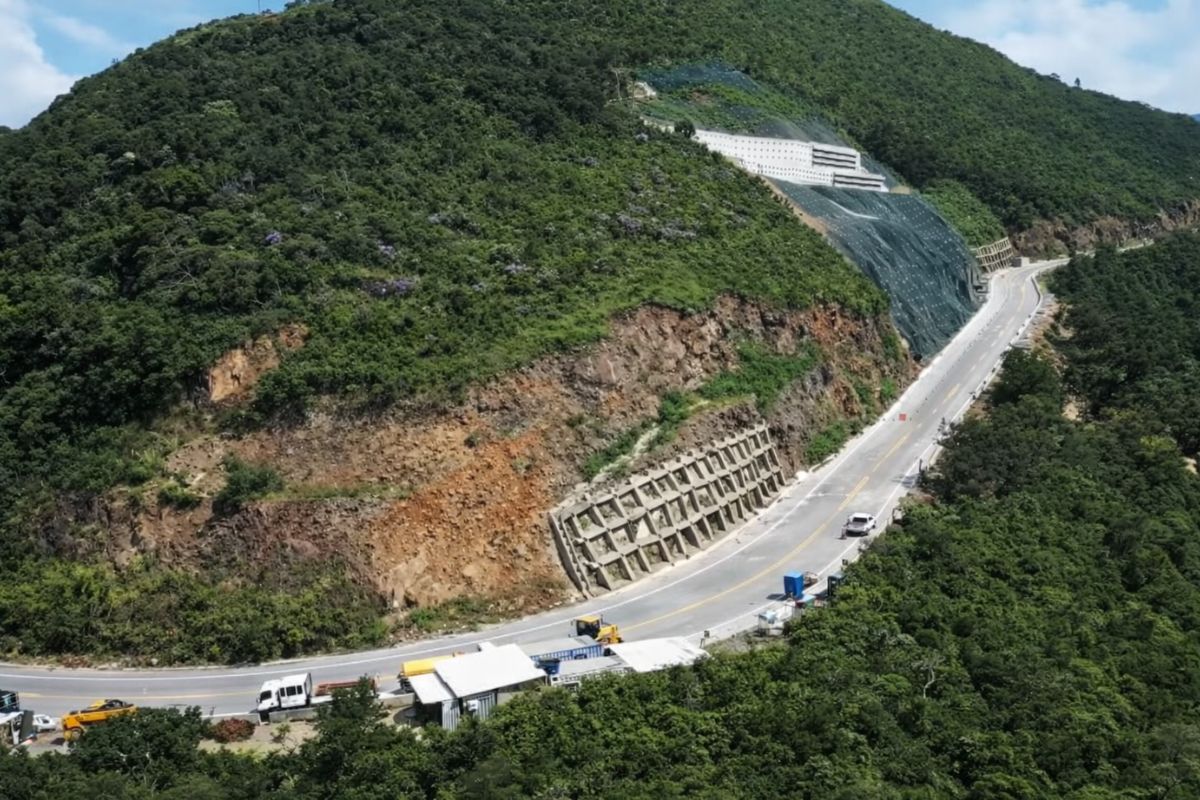
The section of Serra da Rocinha on BR-285 is now open in Timbé do Sul: 50 m tensioned curtains and top-down technique stabilize the slope, with a stairway duct controlling the water.
-
Scientists use sawdust mixed with clay to create a lighter brick, promising efficient thermal insulation and impressing by transforming waste into a solution for construction.

-
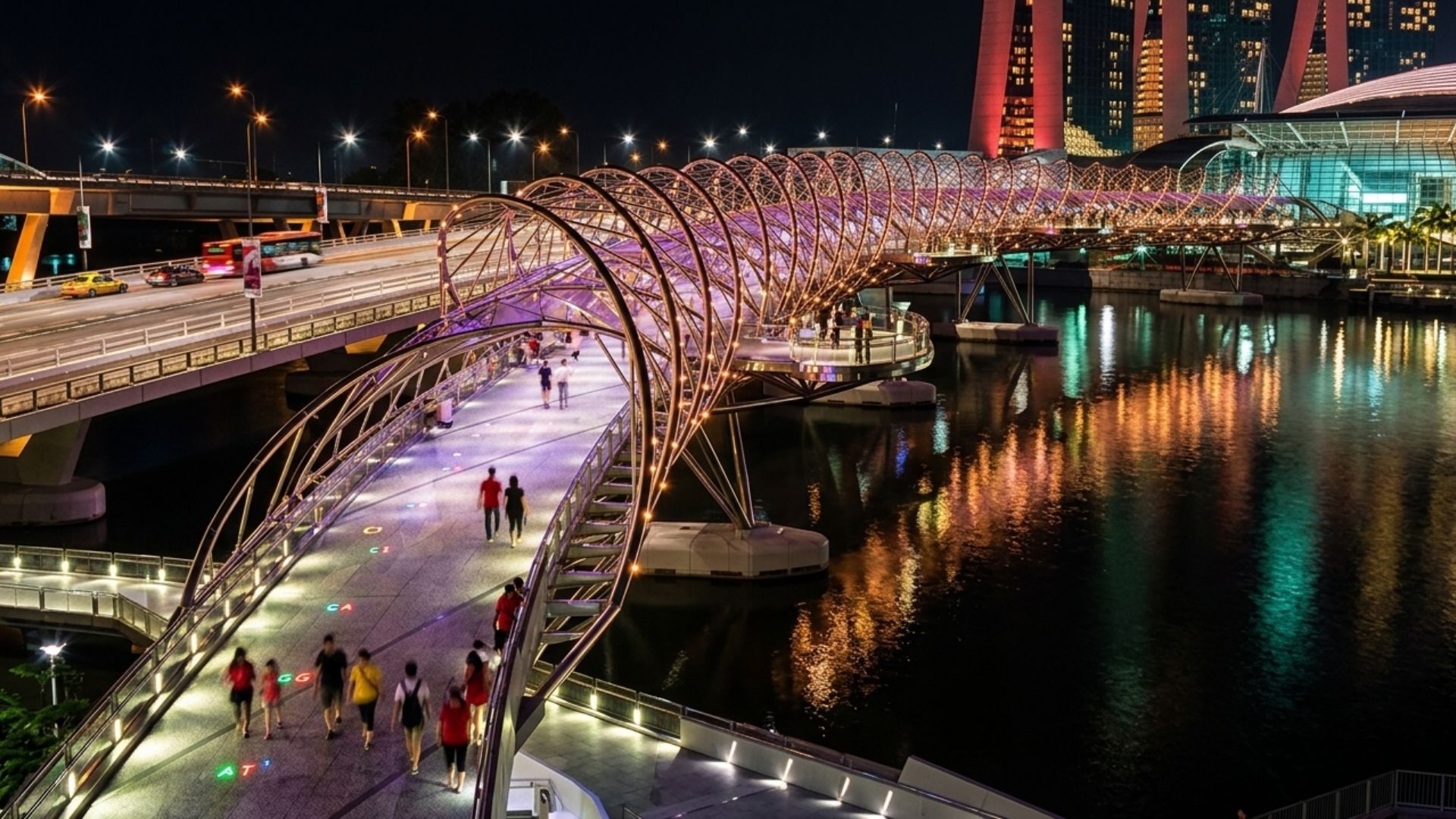
With a DNA shape, this bridge in Singapore draws attention in modern architecture and surprises tourists by transforming a simple crossing into an unforgettable visual experience in the urban heart.
-
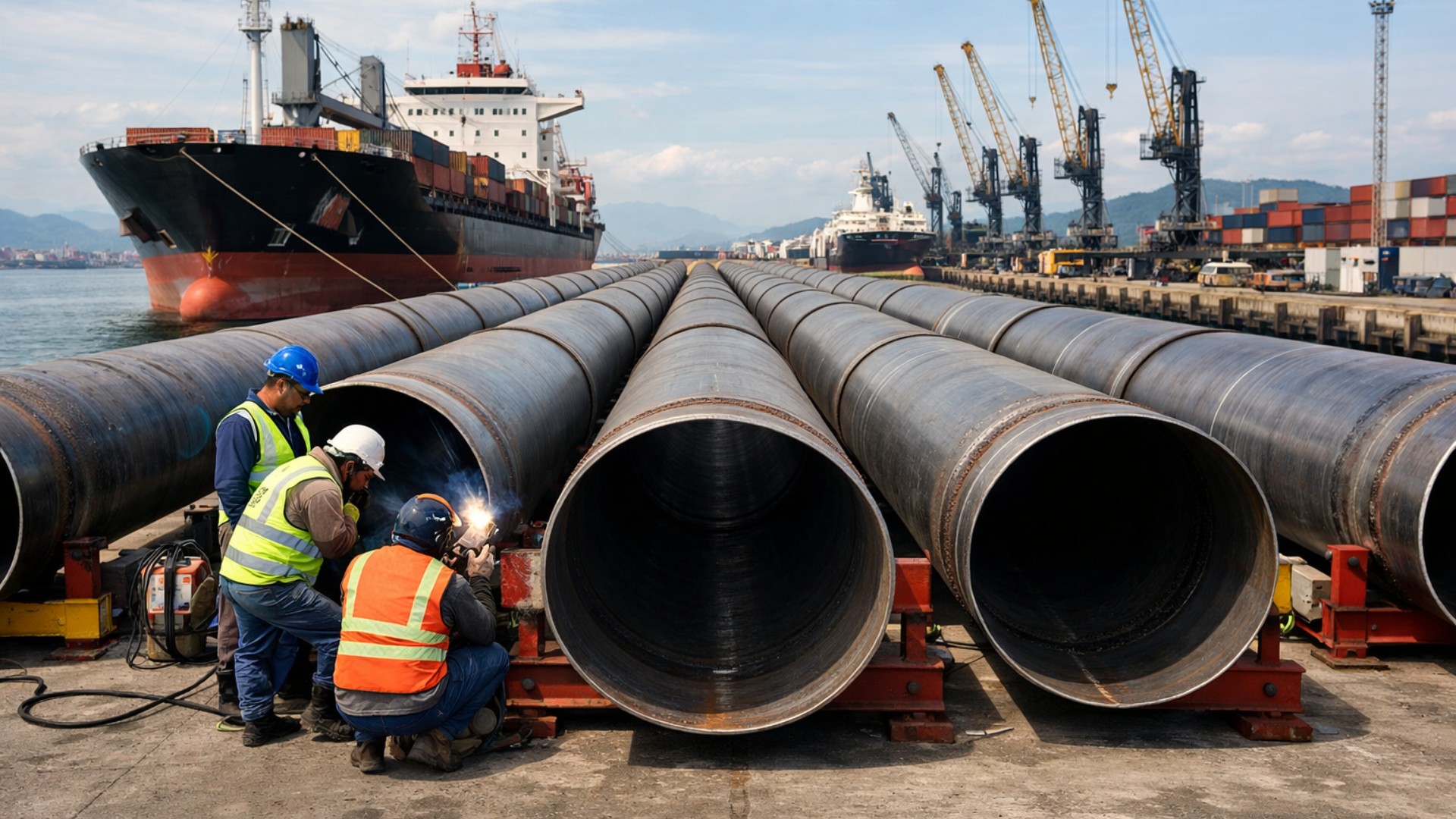
Giant underwater pipeline begins to take shape with a R$ 134.7 million project at the Port of Santos: the 1.7 km structure uses 12-meter and 700 mm pipes to supply water to 450,000 people in Guarujá.

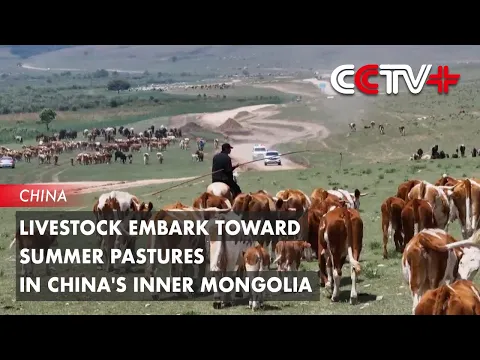

With the increasing number of animals and the reduction of pasture regeneration capacity, the free movement of herds began to be viewed as an environmental and economic threat. Overloaded areas started to lose vegetation cover, accelerating erosion and the advance of the Gobi Desert.
The Fence as a Territorial Solution
The solution found was simple but monumental in scale: fencing the border. The so-called Mongolia–China Border Livestock Fence was not designed as a symbolic barrier but as a continuous physical line capable of preventing the movement of animals between the two countries.
Along almost the entire land border, the fence began to function as an ecological divider, separating completely distinct land use systems. On one side, nomadic herding; on the other, areas subjected to strict conservation and environmental control policies.
Over 4,700 km of Animal Containment
The length of the fence follows nearly the entire border between Mongolia and China, which totals about 4,710 kilometers. In many stretches, it is a permanent barrier, maintained and monitored, with a clear function: contain herds and limit shared pasture use.
This scale transforms the project into something much greater than a simple rural fence. It is a territorial infrastructure that reshapes ecological and economic flows on a continental level.
Pastures as Strategic Assets
With the fence, pasture ceased to be just a natural resource and began to be treated as a matter of sovereignty. Controlling where animals can or cannot roam means controlling pressure on the soil, food production, and the stability of rural communities.

For China, the barrier also connects to broader policies to combat desertification, which include reforestation, restrictions on herding, and the establishment of environmental exclusion zones. For Mongolia, it represents a profound break with the tradition of free herd movement.
Social and Cultural Impacts
The implementation of the fence did not occur without consequences. Nomadic communities, used to traveling long distances, began to face unprecedented physical limits. Traditional routes were interrupted, and adapting to a compartmentalized territory required changes in the pastoral way of life.
At the same time, the barrier reduced local disputes over pastures and decreased cross-border conflicts related to land use.
Unlike fences created solely for political or military reasons, this structure functions as an artificial ecological border. It separates biomes, regulates animal pressure, and creates two distinct environmental systems from one natural landscape.
This type of solution reveals how, in certain regions, the simplest engineering—a continuous fence—can have profound and lasting effects on the environment.
Simple Engineering, Lasting Impact
From a technical perspective, the fence does not involve sophisticated materials or complex works. Its strength lies in its length, continuity, and strategic function. Once installed, it begins to shape human behaviors, animal flows, and public policies for decades.
It is the same principle seen in projects like the Dingo Fence in Australia: linear infrastructure used to contain diffuse problems.
When Territory Becomes an Instrument of Control
The case of the border between Mongolia and China shows how environmental challenges can lead countries to transform entire landscapes into containment systems. Pasture, once a shared and fluid resource, has become a rigid line on the map.
By erecting over 4,700 kilometers of fences, both countries made it clear that, in a world pressed by limited resources, even grass can become a matter of national sovereignty.










-

-

-

-

-

-

611 pessoas reagiram a isso.