





 Portuguese
  English
  Spanish
  3 min of reading
  0 comments


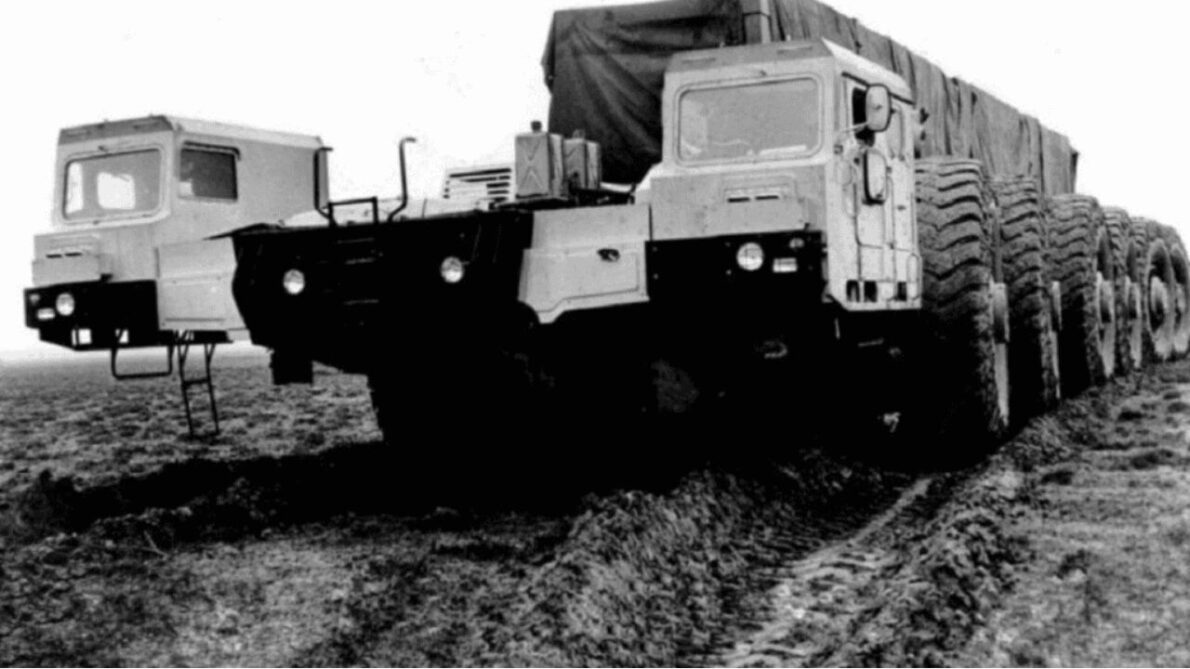
Developed During The Cold War, The Giant Soviet Truck That Carried Intercontinental Missiles Redefines Automotive Technology.
During the Cold War, in addition to the remarkable advances in the space and armament sectors, the period saw significant developments in truck technology, essential for the transport of heavy weaponry, such as the large intercontinental missile. It was here that large vehicle models emerged, among which the Soviet truck “good companion” stands out.
The Challenge of Enormous Vehicles
The development of large trucks was driven by the emergence of increasingly larger weapons, such as the RT-23 Molodets intercontinental missile, nicknamed “good companion” or “brave man” by NATO.
This missile, weighing over 100 tons and capable of carrying up to ten nuclear warheads, required a robust vehicle for its transport.
-
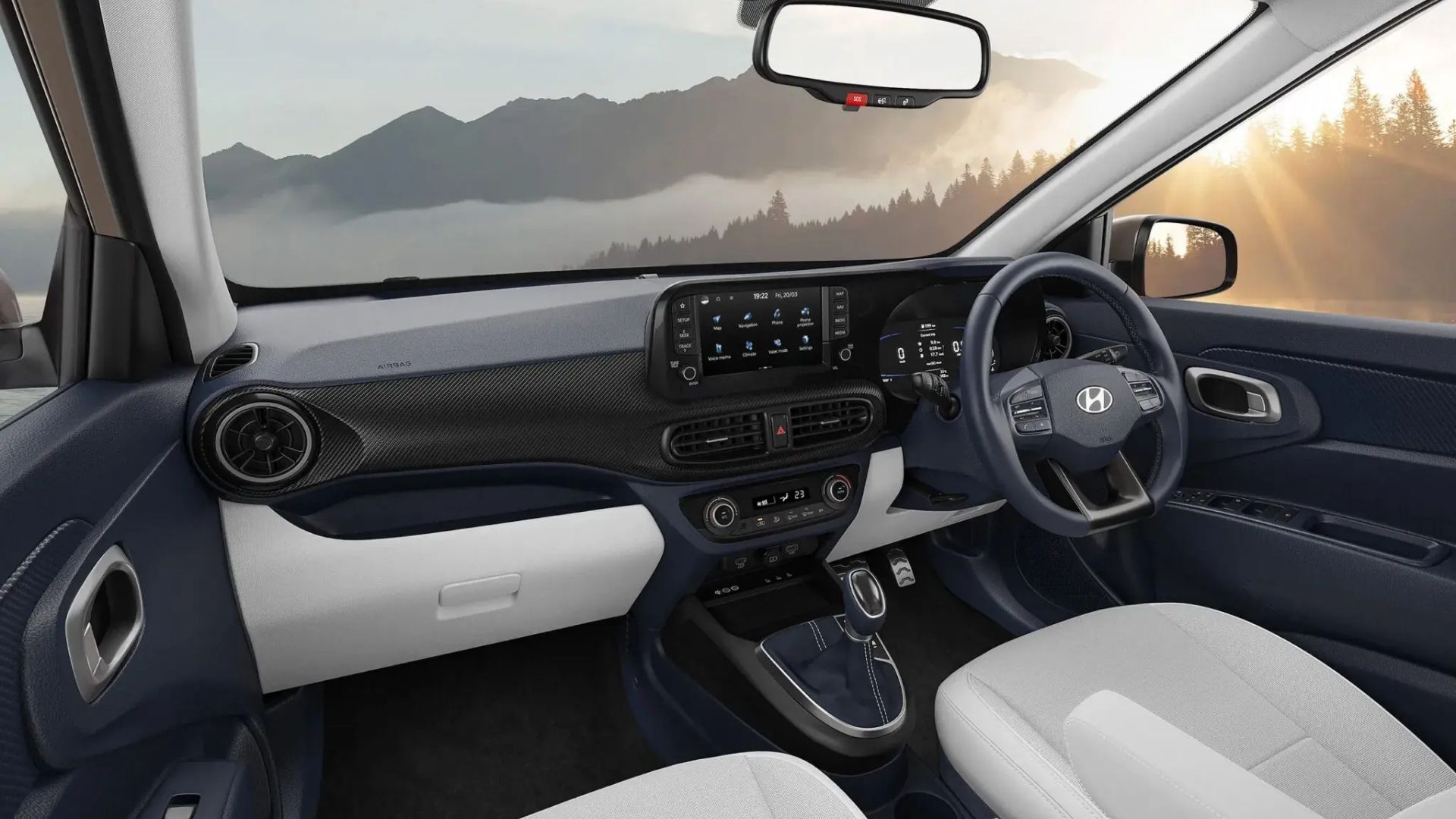
For R$ 32,000, a brand new Hyundai car is a rival to the Kwid with a 1.2 engine producing 82 hp, 6 airbags as standard, multimedia with wireless Android Auto, up to 391 liters in the trunk, and a refreshed look for 2026 in India.
-
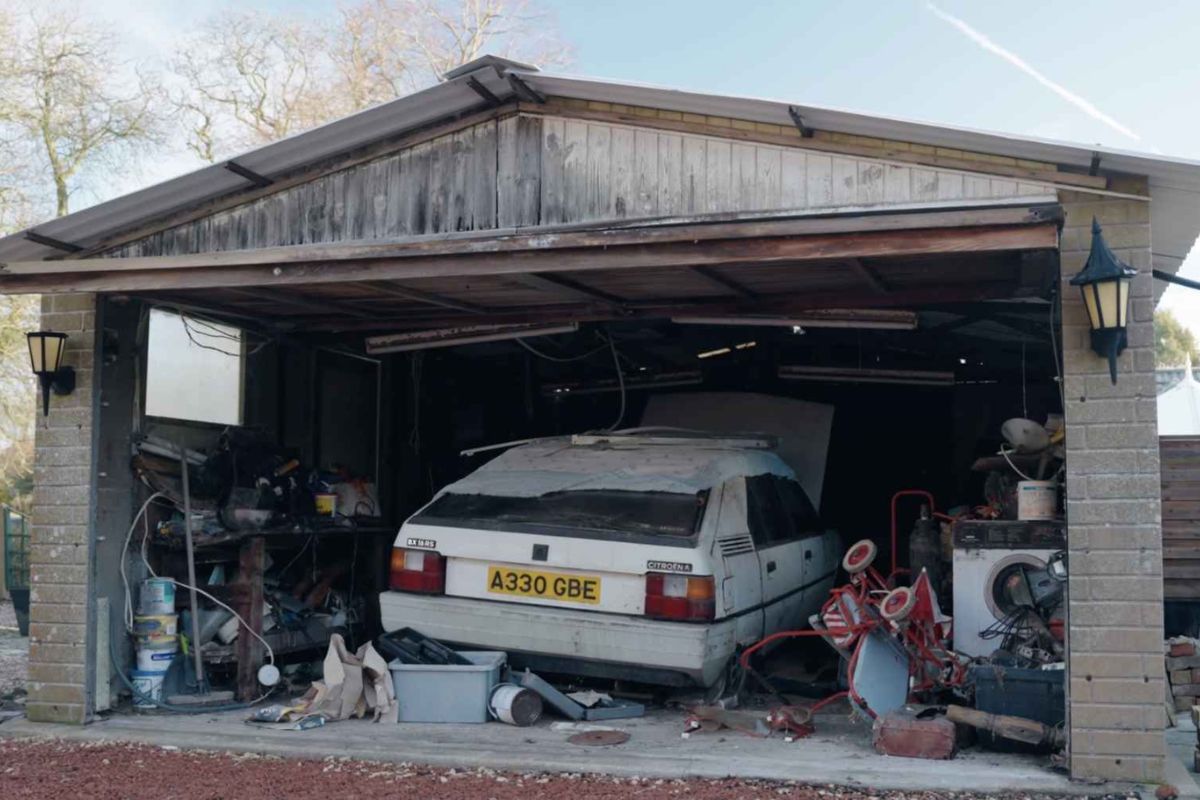
He bought a new car in 1983, locked it in the barn in 1988, and no one opened the door for 38 years until the family discovered what was stored inside and realized it looked like something out of a movie.
-
A 250cc motorcycle that can reach 560 km with a 14-liter tank, features disc brakes on both wheels and is among the most well-known in Brazil.
-
Man finds over 200 rare cars abandoned on a lot and tries to do the impossible in 8 hours with a surprise at the end.

In response to this need, the Soviets designed the MAZ-7904 in the 1980s.
With impressive dimensions of 32 meters in length, 6.8 meters in width and 3.45 meters in height, the truck was equipped with 3-meter diameter tires, a feat that required technical ingenuity and even diplomatic strategies, such as manipulating the truth to convince manufacturers like Bridgestone.
Powered by two engines—a turbocharged V12 of 42 liters and another for secondary operations—the MAZ-7904 underwent testing in Kazakhstan, proving impractical due to its gigantic structure.
The MAZ-7907 Truck: An Enhanced Giant
Building on the lessons learned from the MAZ-7904, the Soviets developed the MAZ-7907 in 1983.
With 12 axles and a complex 24×24 all-wheel drive system, the vehicle measures 28.1 meters in length, 4.69 meters in width and 4.45 meters in height.
Designed by Boris Lvovich Shaposhnik at the Minski Awtomobilny Zavod (MAZ), the MAZ-7907 was a technological feat with independent suspension on each wheel and a split chassis for better maneuverability.
With a 1,250hp engine powering 24 electric motors of 30kW each, the MAZ-7907 could transport loads of up to 150 tons, to support the missile.
Despite its success in testing, the project was halted with the end of the Cold War, leading to the transport of missiles by train, while the truck was eventually used to carry a vessel on a slow and challenging journey, averaging only 10 km/h.
Since 1996, the MAZ-7907 has remained at the MAZ factory, becoming a symbol of Soviet advancements in transportation technology during a period of intense international rivalries.
Challenges and Limitations of the MAZ-7907
Despite its impressive capabilities, the MAZ-7907 faced significant challenges.
Due to its exceptional length, there were concerns about its structural integrity, leading engineers to divide the chassis into two parts with a limited central joint.
This allowed for greater flexibility during the driving and movement of the missile, but still presented limitations in terms of maneuverability, especially in urban environments or uneven terrain.
The technical complexity of the MAZ-7907 also extended to its operation. With a cabin operated by a driver and two assistants, controlling the vehicle required precise coordination due to its vast configuration and eight directional axles.
The turning radius of nearly 28 meters highlighted the need for ample spaces for maneuvers, reflecting the practical challenges faced during its development and testing.
Impact and Legacy of the Soviet Truck
Although it was canceled after the end of the Cold War, the MAZ-7907 left a lasting legacy in heavy vehicle engineering.
Its advanced technology and capability to transport extremely heavy loads inspired future developments in the automotive industry, especially in countries that continued to invest in large-scale transport vehicles.
The MAZ-7907 project also underscored the Soviet Union’s ability to achieve impressive feats in the midst of a tense geopolitical landscape.
Although its practical utility was limited after the hostilities of the Cold War, its design and construction represent a milestone in the history of automotive engineering, reflecting the period of innovation and technological competition that characterized the era.










-

Uma pessoa reagiu a isso.