





 Portuguese
  English
  Spanish
  5 min of reading
  151 comments


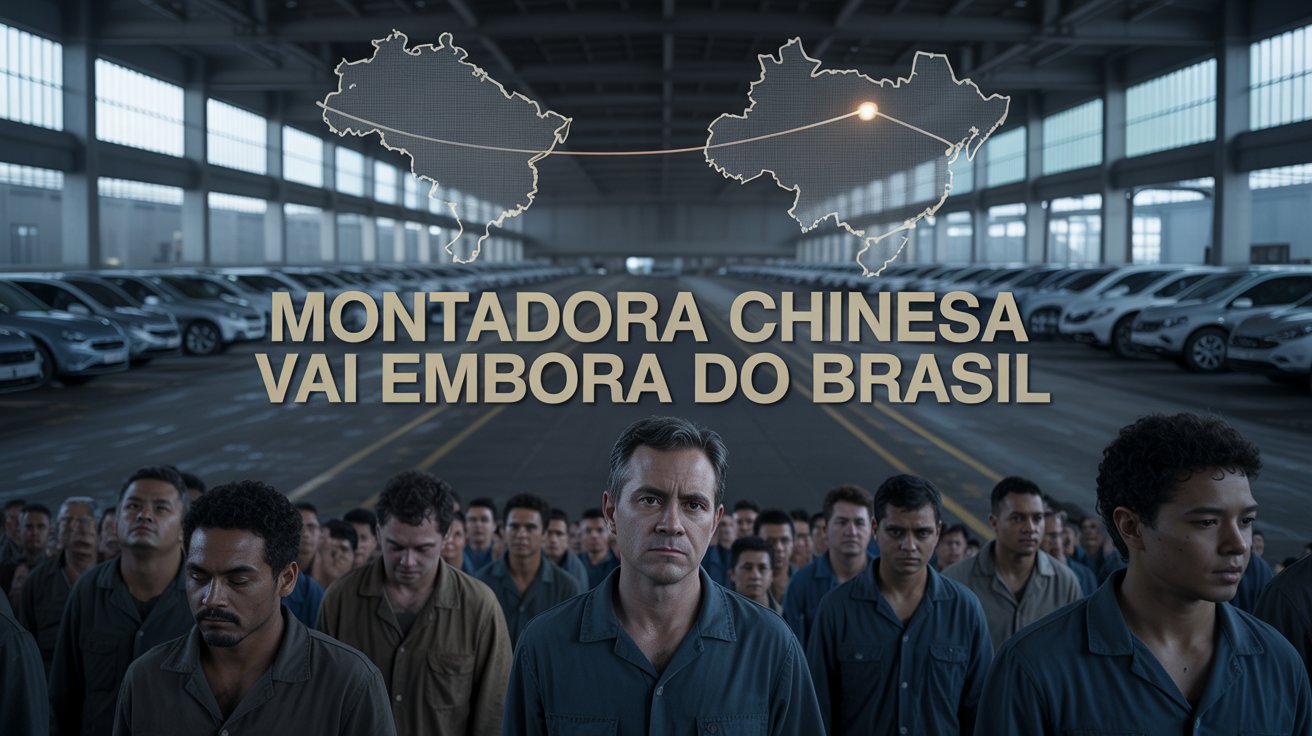

Chinese Automaker Neta Auto, That Arrived Promising A Revolution In The Brazilian Electric Vehicle Market, Now Faces Unexpected Challenges That Could Lead To An Early Exit, Raising Questions About The Future Of The Brand In The Country.
The entry of the Chinese automaker Neta Auto into the Brazilian market, which arrived with promises of rapid expansion and robust investments, already faces serious doubts about its continuity in the country.
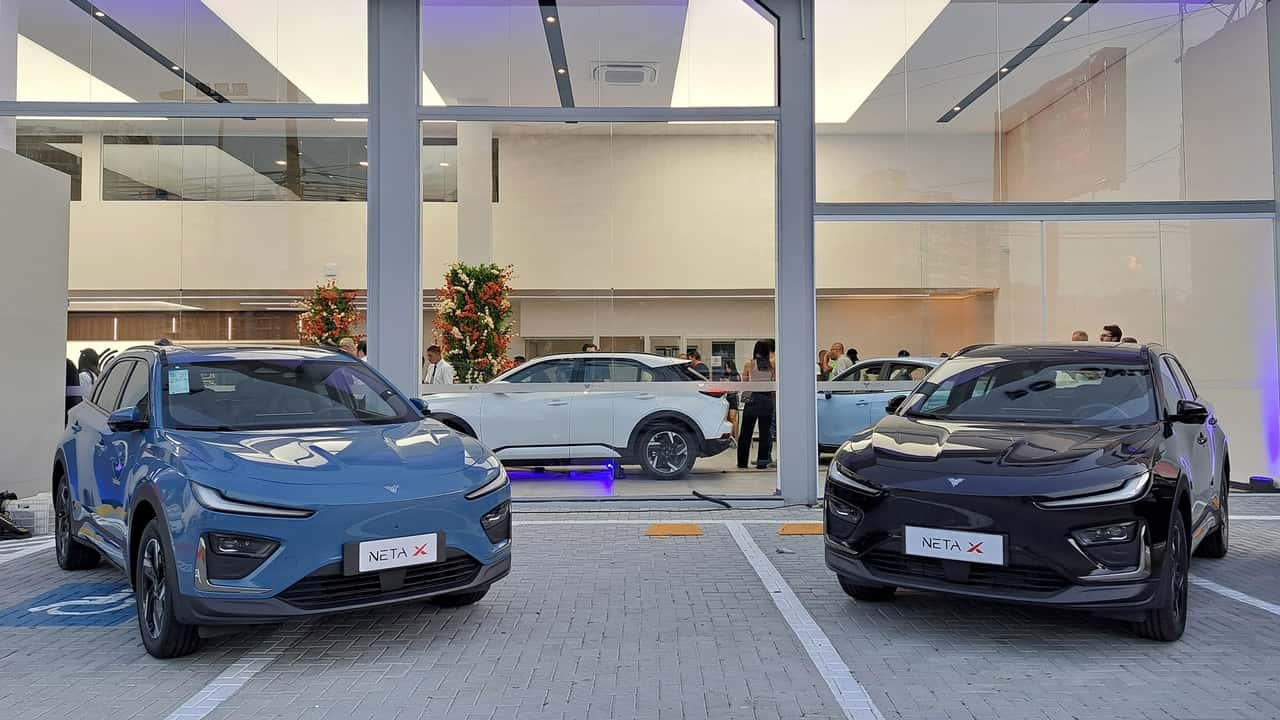
Although it opened a dealership in Rio de Janeiro in January, the brand saw other planned sales points in Brasília and Manaus being canceled even before they could open their doors.
Moreover, some demonstration kiosks in shopping malls have been closed, signaling deeper issues.
-
Spain surprises the world by erecting 62 artificial dunes, mixing sand with natural remains of posidonia, and causing the structure to lose only 1.4% of its volume in 1 year.

-
With 16 Bulava missiles, improvements in acoustic stealth, and a design focused on silent patrols, Russia’s nuclear submarine was born to ensure Moscow’s invisible retaliation and has become one of the pillars of its maritime strength.

-
‘Populous’ city in Rio among the worst in Brazil in national ranking and exposes silent development crisis.
-
Couple buys house in the South Zone of São Paulo, opens a hidden door in the garage, and finds a secret wine cellar with dozens of old wines forgotten since the 1970s.
The digital presence of Neta Auto in Brazil has also caught attention for its abrupt disappearance.
The brand’s official accounts on Instagram, LinkedIn, and Facebook have been deactivated, and the national website is down, displaying a generic message of “under maintenance”.
Only the Instagram profile of the Rio de Janeiro dealership remains active, showcasing models and promotions.
This silence on social media and in official communication increases the sense that the Brazilian operation is weakened.
Neta Auto’s sales performance in Brazil reinforces this concerning scenario.
According to recent data, between January and April 2025, only 42 units of the Aya and X models were sold.
Although this number exceeds electric vehicle sales from giants like Ford and Volkswagen in Brazil, it is insufficient to sustain a commercial operation that aimed to expand to 30 stores by the end of the year.
The discrepancy between growth expectations and current results complicates the brand’s consolidation in the Brazilian market.
Operation In Brazil And Future Plans
In an official statement, the CEO of Hozon New Energy Automobile, Fang Yunzhou, the company controlling Neta Auto, confirmed that Brazil remains a strategic priority outside of China.
He admitted that the company is undergoing a period of restructuring, but stated that new investments would be announced soon.
“Retail in the Brazilian market is just beginning”, said Yunzhou, highlighting that stores in other cities are planned and that negotiations with fleet customers are still underway.
The company intends to unveil new strategies to enhance its presence in the country.
Another factor that could provide stability to the Brazilian operation is the shareholding profile of Hozon New Energy: 49% of the company’s capital is state-owned, which may ensure government support and continuity amid market fluctuations.
This relationship with the Chinese state, however, has not prevented internal crises at the automaker’s headquarters, especially in China.
Internal Crises And International Repercussions
In the domestic market, the Tongxiang factory has been idle since the end of 2024 due to a drop in sales and financial issues.
The company has accumulated debts with suppliers and faced employee protests over delays in year-end bonus payments.
This internal crisis affects the global perception of the brand and may reflect on international plans, such as those in Brazil.
In other regions, Neta Auto experiences distinct moments.
In Thailand, for example, the automaker has sold over 25,000 units and shows more positive performance.
However, the company has suffered a reputational blow due to false news indicating a possible bankruptcy of Hozon Auto.
This false information was generated by a creditor in the advertising sector, who indeed entered bankruptcy proceedings.
Neta Auto had to issue official statements to debunk the rumor and reassure customers and investors.
Challenges In The Brazilian Electric Vehicle Market
According to automotive industry experts, Neta Auto’s attempt to consolidate in Brazil faces a challenging landscape.
The Brazilian electric vehicle market is still emerging and competitive, with demanding consumers and sales structures that require consistent investments and solid local strategies.
Additionally, the global semiconductor crisis and rising production costs have pressured medium and small electric vehicle manufacturers.
Another relevant point is the logistics for imported vehicles from China, which faces tariff barriers, certification challenges, and regulatory issues that can delay the arrival of models to the end consumer.
These factors directly impact delivery times, vehicle availability, and public perception of the brand.
Neta Auto’s recent movements, with the closure or rebranding of planned stores and the reduction of digital presence, may indicate a strategic pullback to avoid greater losses in Brazil.
However, the company’s official discourse still maintains a bet on the Brazilian market as a top priority, reinforcing its commitment to future investments.
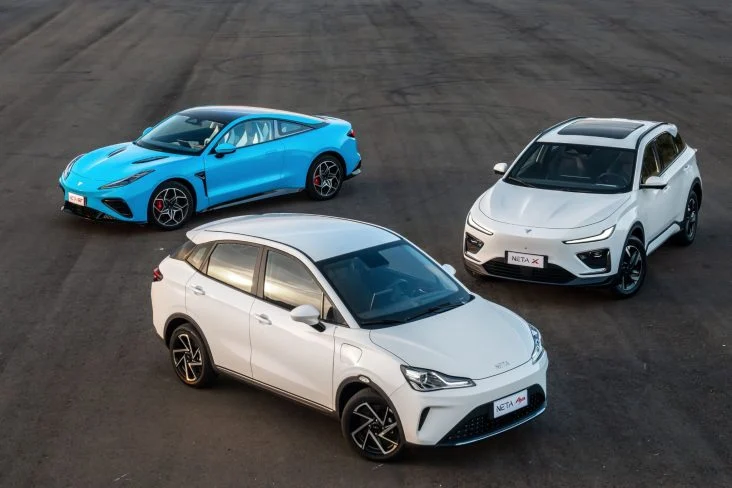
Opportunities And The Future Of Electric Cars In Brazil
To better understand what this represents for the Brazilian consumer, it is important to observe that interest in electric vehicles grows year after year in the country.
In 2024, sales of electric and hybrid cars hit a record, driven by public policies and tax incentives.
However, the supply is still concentrated in a few established models, primarily from global brands with greater presence and trust in the local market.
Neta Auto’s challenge, therefore, is to carve out space in a market where consumers seek quality, reliable technical assistance, and brand value—points that have not yet been fully established by the Chinese automaker in Brazil.
With so many ups and downs, there remains a question about the future of Neta Auto in Brazil.
Will the company be able to regain its ambitious plans and establish a stable operation, or will the country indeed be excluded from the Chinese automaker’s projects?
And you, what do you think about this possible exit of Neta Auto from the Brazilian market? Do you believe that other Chinese brands have better chances of success in Brazil? Share your thoughts in the comments!






Opa, o Brasil não pode perder uma empresa gigante dessa geradora de centenas de empregos sem falar que é o futuro dos automóveis, o governo que dialogue dando mais incentivos e tudo mais o que não pode é perder um empresa dessa
Montadora chinesa, tá.
SÓ 💩 💩 💩 💩 💩 💩 💩 💩 💩
JAMAIS CHINESES NO BRASIL.
Eu queria até uma vaga de emprego nessa montadora chinesa