





 Portuguese
  English
  Spanish
  6 min of reading
  31 comments


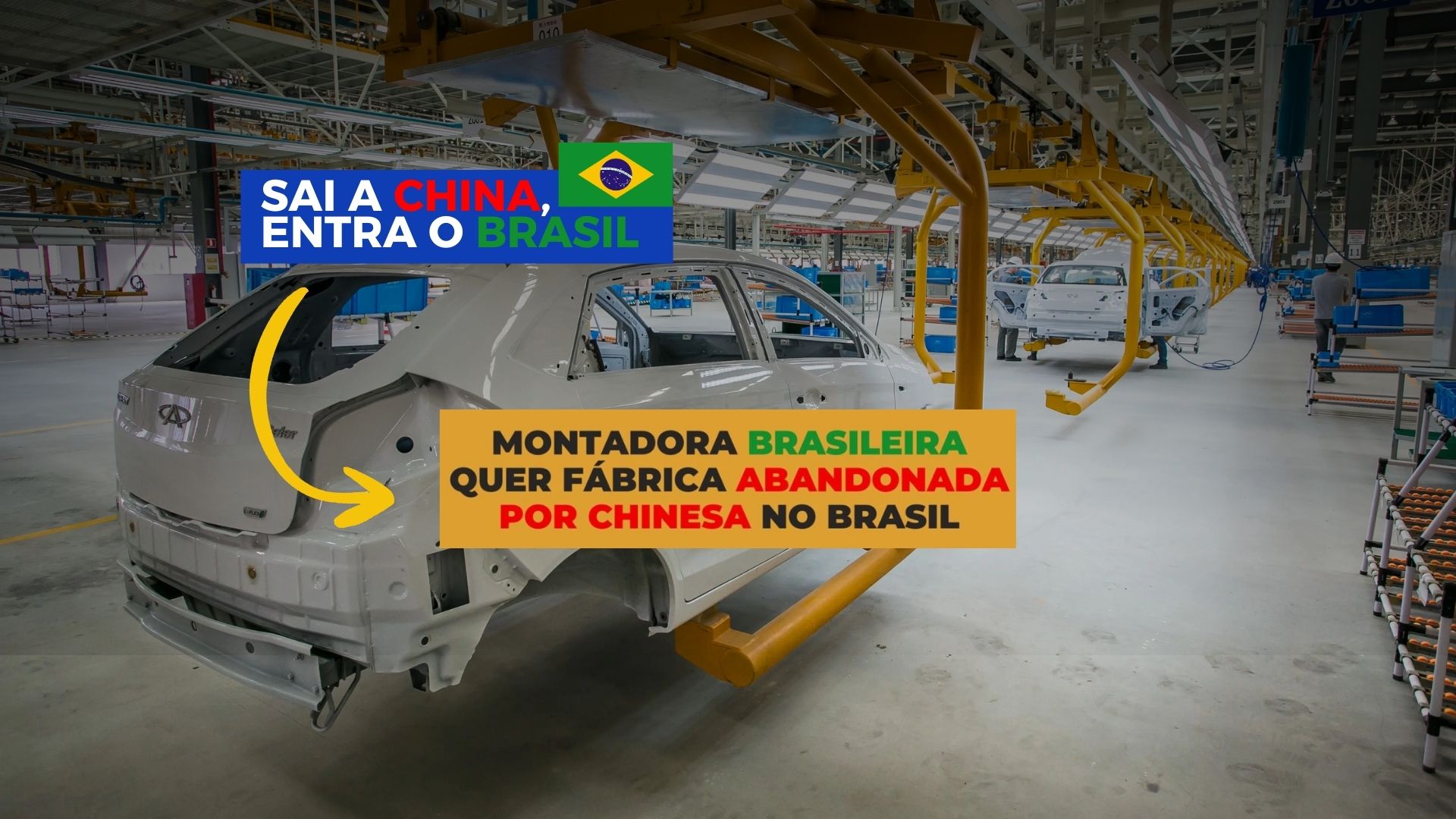


National Brand Seeks Space in Former Caoa Chery Factory in Jacareí and Evaluates Expanding Production in Brazil With Focus on Flex Hybrids Powered by Ethanol, While Maintaining Confirmed Plans to Start Operations in Espírito Santo in 2026.
A Lecar formalized interest in establishing its second manufacturing unit in the automotive complex of Jacareí, in the Paraíba Valley, where the Caoa Chery plant has been inactive since 2022.
The move comes alongside the new Brazilian brand’s plan to start production in August 2026 at the future factory in Sooretama, in the interior of Espírito Santo.
Lecar Files Interest in Jacareí
On Wednesday (20), entrepreneur Flávio Figueiredo Assis, founder of the brand, published on his social media the meeting with representatives from the Jacareí city hall.
-
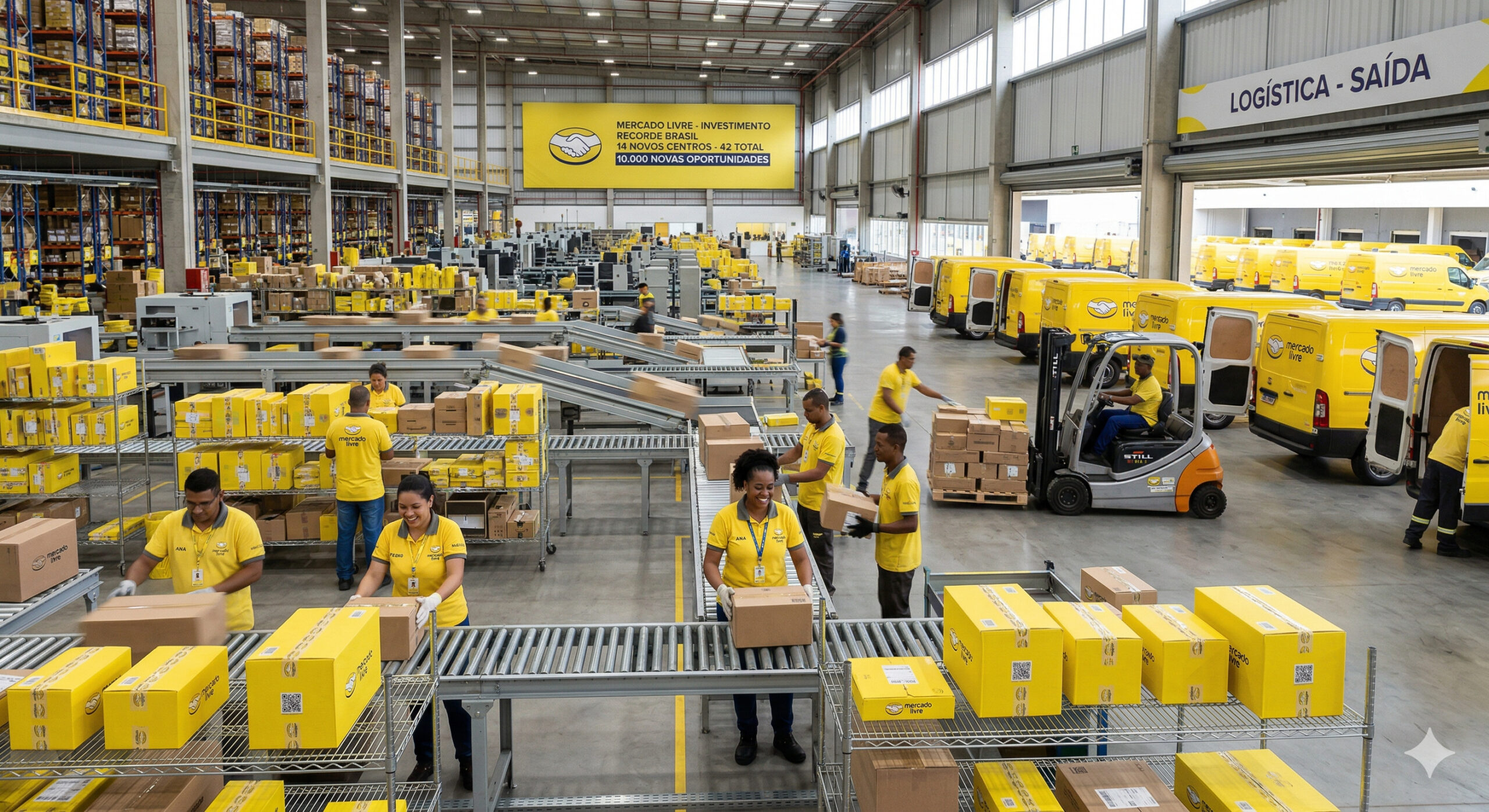
Mercado Livre “opens the vault” and announces a record investment of R$ 57 billion in Brazil in 2026, a value 50% higher than the previous year, with an expansion plan that includes 14 new logistics centers, totaling 42 units in the country and hiring an additional 10,000 employees.
-
How investment in technology can revolutionize the national economy and enhance industrial gains, according to a study that highlights the direct impact on productivity, innovation, and wealth retention within Brazil.
-
The largest food company on the planet, JBS, has just opened a 4,000 square meter laboratory in Florianópolis to develop customized proteins that modulate muscle mass gain, immune response, and metabolic performance.

-
After nearly 30 bids and competition among industry giants, a Spanish company purchases one of the largest airports in Brazil for almost R$ 3 billion and takes over the management of Galeão in a concession that will last until 2039.


He stated that the company filed a statement of interest to set up in the city.
In his words, “Lecar files interest in establishing the second plant of the brand in conjunction with the municipality of Jacareí/SP.”
According to the executive, the delegation was received by municipal secretariats and had access to a layout of the possible area within the local automotive cluster.
Flávio also praised the municipality’s approach, highlighting that “Jacareí stands out for prioritizing regional development with a team and legislation appropriate for factories and system manufacturers in the automotive sector.”
Dispute for Space in Strategic Automotive Complex
The area of Jacareí is seen as strategic due to its concentration of auto parts, systems, and components suppliers in the largest automotive hub in the country.
For this reason, the inactive plant of Caoa Chery, located near the Presidente Dutra highway, has become a target for various interested parties.
The city hall itself has proposed compensation to regain control of the property.
In addition, the Chinese Omoda Jaecoo is also evaluating the space to nationalize products, according to previous discussions.
In this scenario, Lecar has entered the municipality’s radar.
There is still no decision on whether the Brazilian brand will target the main building previously occupied by Caoa Chery or seek a specific area within the complex, which is vast and has warehouses from former system manufacturers.
For now, the scenario remains under negotiation, with no announcement about the occupancy schedule.
Production in Espírito Santo and Search for the “Second Home”
While discussing the installation in São Paulo, Lecar keeps the plan to launch in Sooretama (ES).
The company presents the Espírito Santo unit as a model factory with a capacity of up to 120,000 vehicles per year.
It is there that production is expected to begin in 2026, according to the schedule released by the company itself, with three products initially planned: Lecar 459, Lecar Campo, and Lecar Tático.
The internal assessment is that Jacareí could serve as a second front to increase volumes and give scalability to the operation, taking advantage of the supplier network and logistics of the Rio–São Paulo axis.
This strategy would also facilitate the nationalization of components and reduce costs in the medium term, should the implementation advance.
Portfolio, Technology, and Positioning
Lecar presents itself as a brand focused on flex hybrids, highlighting its commitment to ethanol as a pillar of low-emission mobility.
In public statements, the company mentions projects with range close to 1,000 km, combining flex combustion engines with electric propulsion.
The positioning seeks to differentiate the brand in a market accelerating electrification, but still facing challenges of charging infrastructure and battery costs.
According to institutional discourse, the ambition is to “popularize the use of ethanol worldwide” through hybrid vehicles compatible with the fuel produced in Brazil.
This strategy positions the company in the debate on energy transition in the automotive sector, in line with solutions that utilize biofuels and partial electrification.
Local Environment and Idle Asset Since 2022
The Jacareí complex gained relevance for housing for years the production of models such as Tiggo 2, Tiggo 3x, Arrizo 5, and Arrizo 6.
With the inactivity of the factory since 2022, the space has caught the attention of brands interested in entering or expanding their presence in the country.
The existing infrastructure is considered an advantage, as it shortens installation time compared to building a manufacturing park from scratch.
It was in this context that Flávio Figueiredo Assis published a picture in front of the building, suggesting compatibility of Lecar vehicles with the lines that operated there.
The movement has a symbolic effect, but also practical, marking the company’s public intention to assess industrial and regulatory feasibility in the municipality.
Negotiation Stages and Uncertainties
Despite the statement of interest, there is still no confirmation on which area of the complex could be allocated to Lecar, nor on deadlines or conditions for starting construction and adapting the lines.
Discussions with the city hall are occurring alongside negotiations involving other interested parties, which adds variables to the decision-making process.
Insiders in the sector assess that any occupation will depend on agreements regarding the asset, possible compensations, and property issues.
On the other hand, the company maintains the deadline of August 2026 to begin production in Espírito Santo, regardless of the definition regarding Jacareí.
The adoption of two manufacturing fronts, if confirmed, would allow for scaled production and an expanded portfolio, but it will depend on licensing, suppliers, and product engineering.
What Is at Stake for the Automotive Supply Chain
The possible arrival of a new national automaker to a hub with established suppliers tends to reactivate jobs and contracts in the supply chain, provided investments proceed.
Nevertheless, the next step requires legal and financial security, as well as clarity regarding incentives, local content targets, and the design of the platforms that will be produced.
The city hall, in turn, aligns its strategy to recover the industrial vocation of the municipality and give purpose to an idle asset in a region of high logistical density.
Meanwhile, the dispute for Jacareí illustrates the moment of transition in the automotive sector in Brazil, with electrification projects, hybrid solutions, and biofuels coexisting.
In this scenario, the combination of flex hybrids and ethanol emerges as a short- and medium-term alternative to reduce emissions without solely relying on electric charging.
What Will Be the Next Steps
The outcome depends on decisions regarding the Caoa Chery plant, potential compensation terms, and the progress of talks with interested parties, including Lecar.
Until there is a definition, the municipality remains one of the most sought-after locations for new operations, thanks to its location and supplier network.
The Brazilian brand, in turn, seeks to solidify the schedule for Sooretama and keep the possibility of a second unit in São Paulo open.
With the competition for the same asset and various plans on the table, which path should prevail to reactivate Jacareí and attract large-scale production with hybrid technology and use of ethanol?






Nem a China quer ficar no Brasil, até a soja vão comprar dos EUA, se depender do governo Lula vão continuar andando com a bike dos correios, que lástima 🥀🐄🐂
Vai te tratar patriotario **** de mercado.
Estou muito satisfeito por saber que meu Brasil tem empresários, que vai construir fábrica automotiva, e que minha maior contribuição seria comprar meu primeiro carro zero.
Ah Lecar
Tente entrar numa família chinesa e saberá o quanto eles gostam de você. Kkkkkkkkkkk