





 English
  Francês
  Alemão
  Italiano
  Japonês
  Norueguês
  Portuguese
  Spanish
  3 min of reading


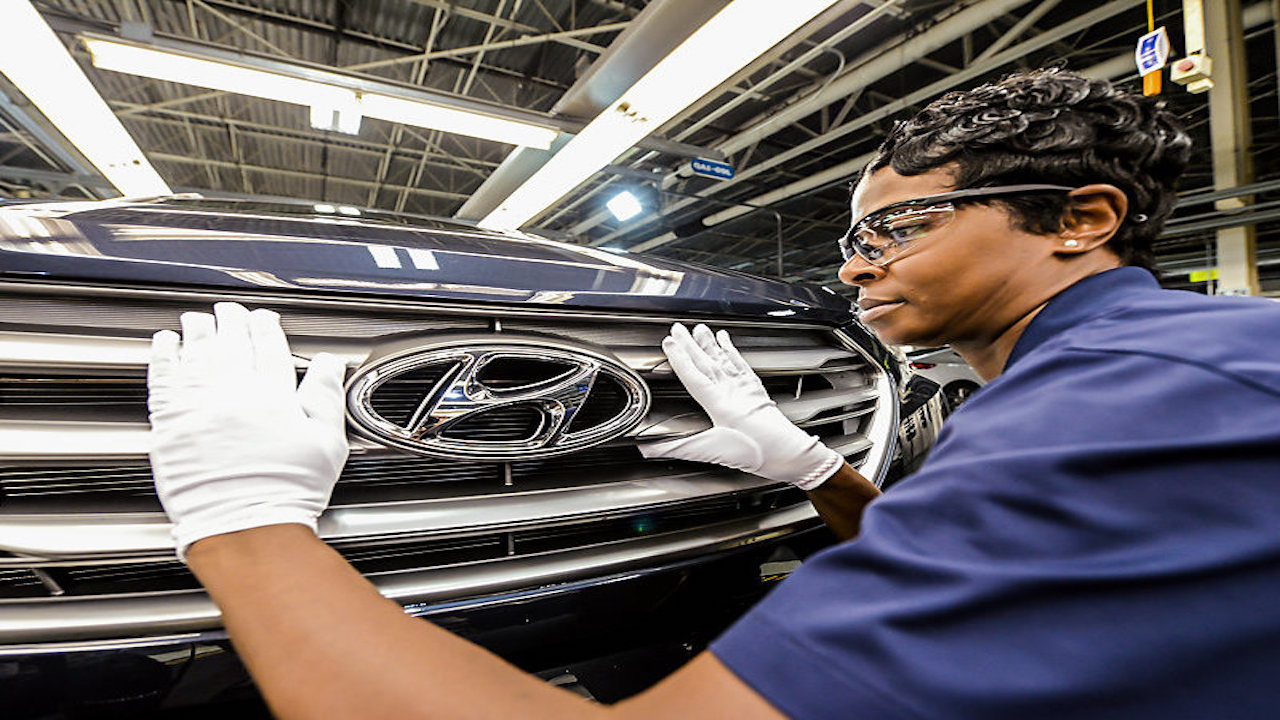
To Achieve Ambitious Goal, Hyundai Will Launch by 2030: 17 Lines of Electric Cars and Enough Batteries to Power the 1.87 Million EVs That Will Be Manufactured. Moreover, the Automaker Will Invest 12 Trillion to Enhance Its Software Competence
Chang Jae-hoon, head of the South Korean automaker Hyundai Motor, revealed on Wednesday (03/03) his ambitious plan to sell 1.87 million units of electric vehicles (EVs) in the global market by 2030, which will account for 7% of the global market share. The announcement came shortly after the multinational vehicle manufacturer General Motors announced bold goals and entered into competition with Ford to dethrone Tesla, the automaker of billionaire Elon Musk.
Read Also
- In Contrast to Ford, which Ceased Production and Left Brazil, Toyota, One of the World’s Largest Automakers, Invests in Hiring Female Labor in Its Factories for Its Operations’ Growth in the Country
- Nuclear Cars: 8,000 Kilometers of Range and Other Impossible Dreams
- Multinational Vehicle Manufacturer General Motors Outlines Bold Plan and Enters Into Competition with Ford to Overthrow Tesla, the Automaker of Billionaire Elon Musk
- After Halting Vehicle Production and Leaving the Country, Ford Seeks Help to Produce 600,000 Electric Vehicles in Just 22 Months
Chang Jae-hoon also stated during an online conference that he is aiming for a 10% operating margin in the sector. According to the CEO of Hyundai Motor, the unit sales value of 1.87 million units by 2030 will account for 36% of the company’s total unit sales.
To Achieve Ambitious Plan, the South Korean Automotive Giant Will Launch 17 Lines of Electric Cars by 2030
Unit sales of electric vehicles currently represented 3.6% of the total, or 140,000 units, as of 2021. To achieve its ambitious and bold plan, the South Korean automotive giant will launch 17 lines of EVs by 2030, while focusing on production efficiency and optimization, creating a comprehensive battery strategy, the CEO said.
-
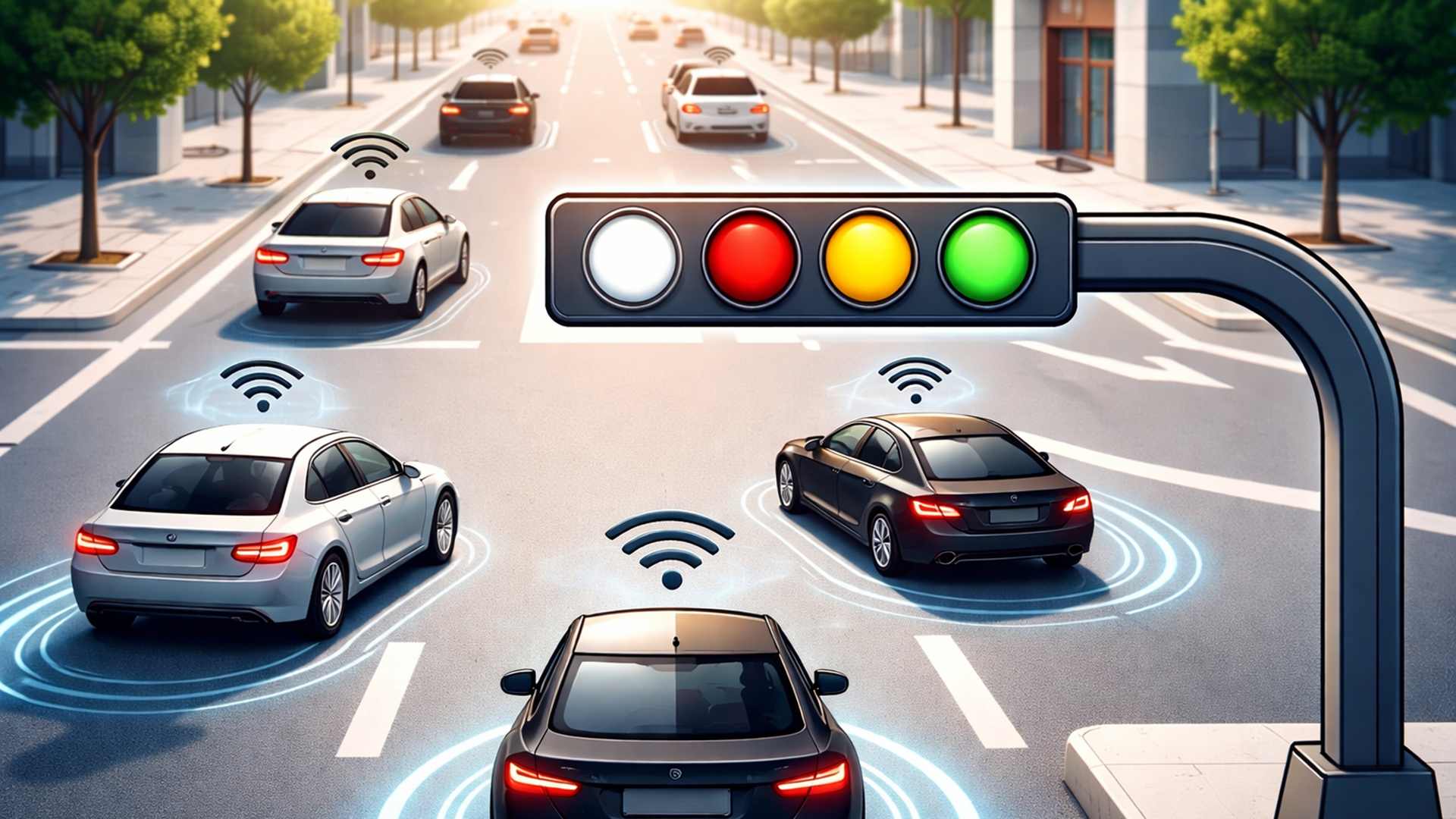
Engineers propose a fourth traffic light for intersections – the change promises to affect crossings, queues, and waiting times.
-
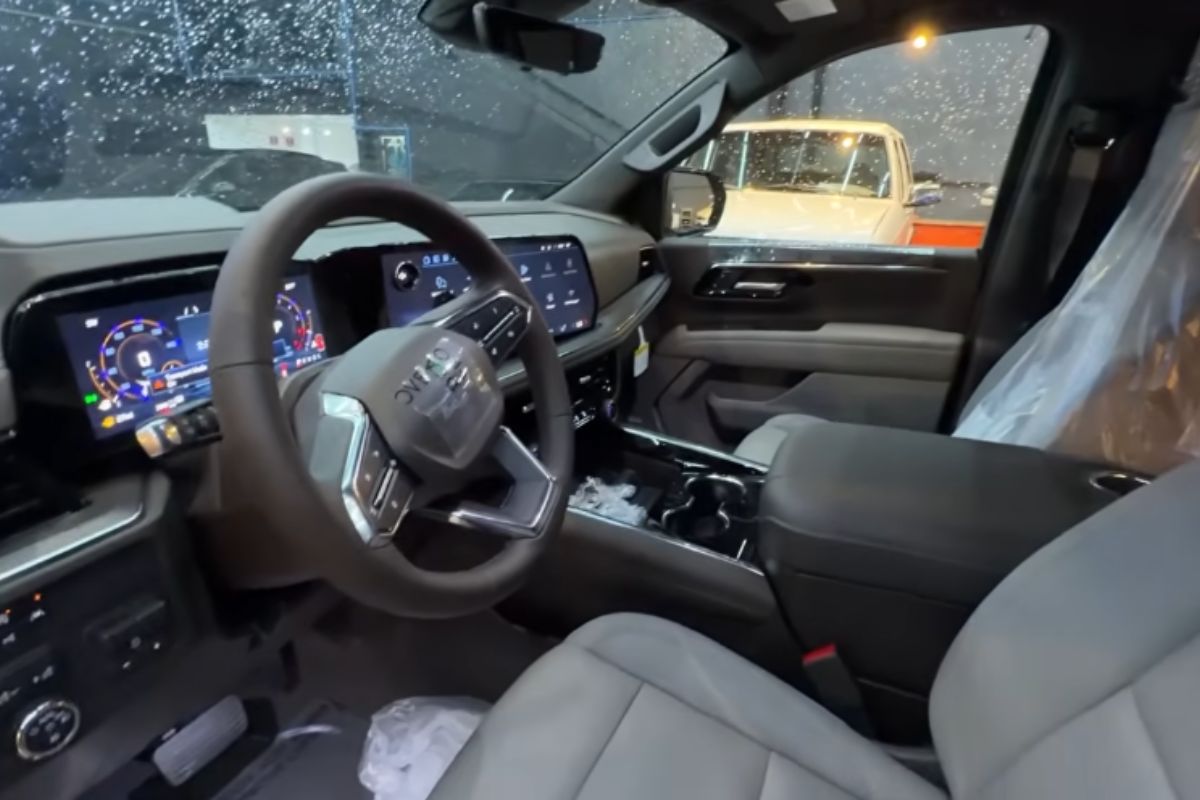
Chevrolet Suburban Z71 lands in Brazil with a V8 engine, off-road design, air suspension, seven seats, and colossal size, a rare version imported for around R$ 1.3 million with luxury and exclusivity.
-
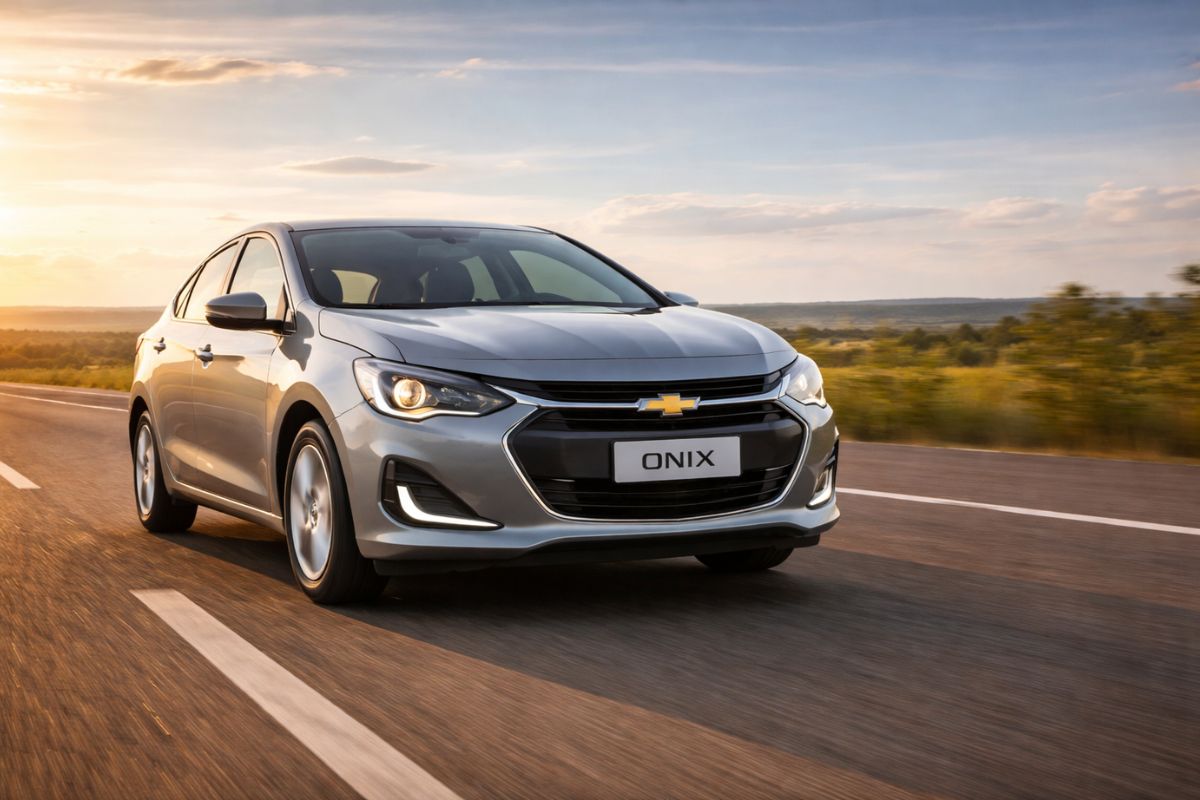
The Chevrolet Onix 1.0 turbo achieves 17.7 km per liter on the highway and ranks among the three most economical cars in Brazil in 2026, alongside two more expensive Toyota hybrids available at dealerships.
-
Little sister of the Hilux: Toyota launches Land Cruiser FJ with 4 radical versions, 2.7 engine with 166 hp and 4×4 traction with locking.

Hyundai Motor will launch 11 EV lines, while Genesis will launch 6 lines by 2030, Chang said. Genesis will launch all new car models as EVs starting in 2025, the CEO stated.
The new electric car models from Hyundai will include three sedans, six SUVs, one light commercial vehicle, and a new type of model. This year, Hyundai will begin selling the IONIQ 6, followed by the IONIQ 7 in 2024.
In the luxury brand Genesis, the electric car lineup consists of two passenger vehicles and four SUVs, including the electrified GV70 that will be launched this year. Starting in 2025, all models released by Genesis will be electrified.
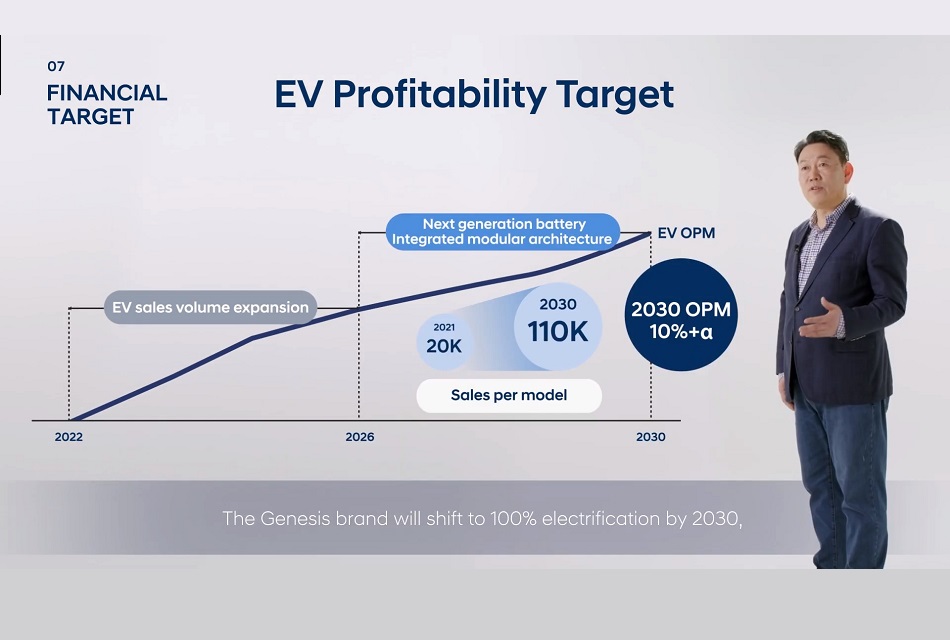
Hyundai Motor Will Need to Achieve Enough Batteries to Power the 1.87 Million Electric Cars That Will Be Manufactured
According to Chang, Hyundai Motor will also work to acquire enough batteries to power the 1.87 million units, which will need about 170GWh of batteries. The automaker will also focus on developing new battery technologies, such as solid-state batteries, he said.
It will also aim to improve the energy density of the batteries it uses by 50% by 2030 compared to 2021, reducing its cost by 40% in the same timeframe.
Its new research center in Singapore, which will be completed sometime in the second half of the year, will also develop an advanced logistics system and a flexible automotive manufacturing framework to apply to Hyundai Motor’s factories worldwide.
In addition to continuing to evolve its E-GMP EV platform, the company will also complete the development of an Integrated Modular Architecture (IMA) by 2025 to standardize key components in cars, such as batteries and motors used in its electric vehicle.
Hyundai Will Invest 12 Trillion by 2030 to Enhance Its Software Competence
Hyundai Motor will also invest 12 trillion by 2030 to enhance its software competence. The automaker will begin testing Level 4 autonomous driving services in major cities in South Korea during the second half of the year.
A total of 19.4 trillion won will be spent to promote its electric vehicle business by 2030, which will be about 20% of its spending of 95.5 trillion earned in the same timeframe.








Seja o primeiro a reagir!