





 Portuguese
  English
  Spanish
  2 min of reading
  0 comments


Discover What Automakers Don’t Want You to Know About Your Driving Data
According to TecnoBlog, have you ever stopped to think about what happens to the data your car collects while you drive? Well, automakers are selling this information to insurance companies, and this may be directly affecting the value of your car insurance. Understand how this works and how it can impact your wallet.
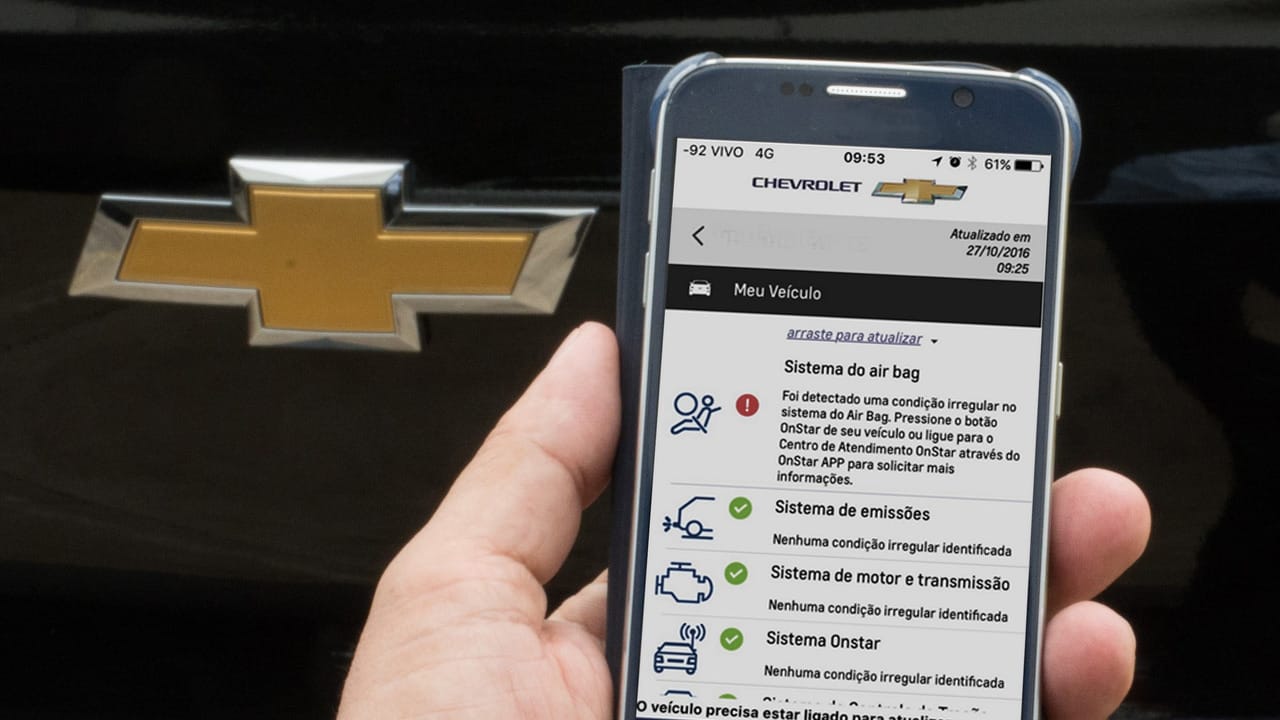
Many automakers offer native apps, such as GM’s OnStar, which supposedly aim to enhance your driving experience in your car. These apps monitor a range of information, from the times you usually drive to details about your habits behind the wheel, such as sudden braking and hard acceleration in the car. In theory, this data can help drivers improve their habits and save fuel, but in practice, it is being sold to insurance companies, which can result in increases in insurance costs.
The Risks of Driving Gamification: Are You Paying More for Your Insurance Without Knowing?
The idea behind these apps seems beneficial, but what if you are providing data that is being used against you? Data analysis companies, such as LexisNexis and Verisk, are mediating the sale of this information to car insurance companies, which in turn, use this data to assess the risk of drivers and adjust insurance prices. This means that even without an accident history, you could end up paying more for your insurance, simply based on the driving patterns recorded by your car.
-
NASA issues a warning for the feared Godzilla El Niño that could change the planet’s climate in 2026 with extreme warming of the Pacific capable of causing devastating droughts in some regions and historic floods in others simultaneously.

-
Archaeologists discover a 100-meter ship graveyard in a submerged Greek city, and what has appeared on the seabed of Libya could change what was known about this ancient port.

-
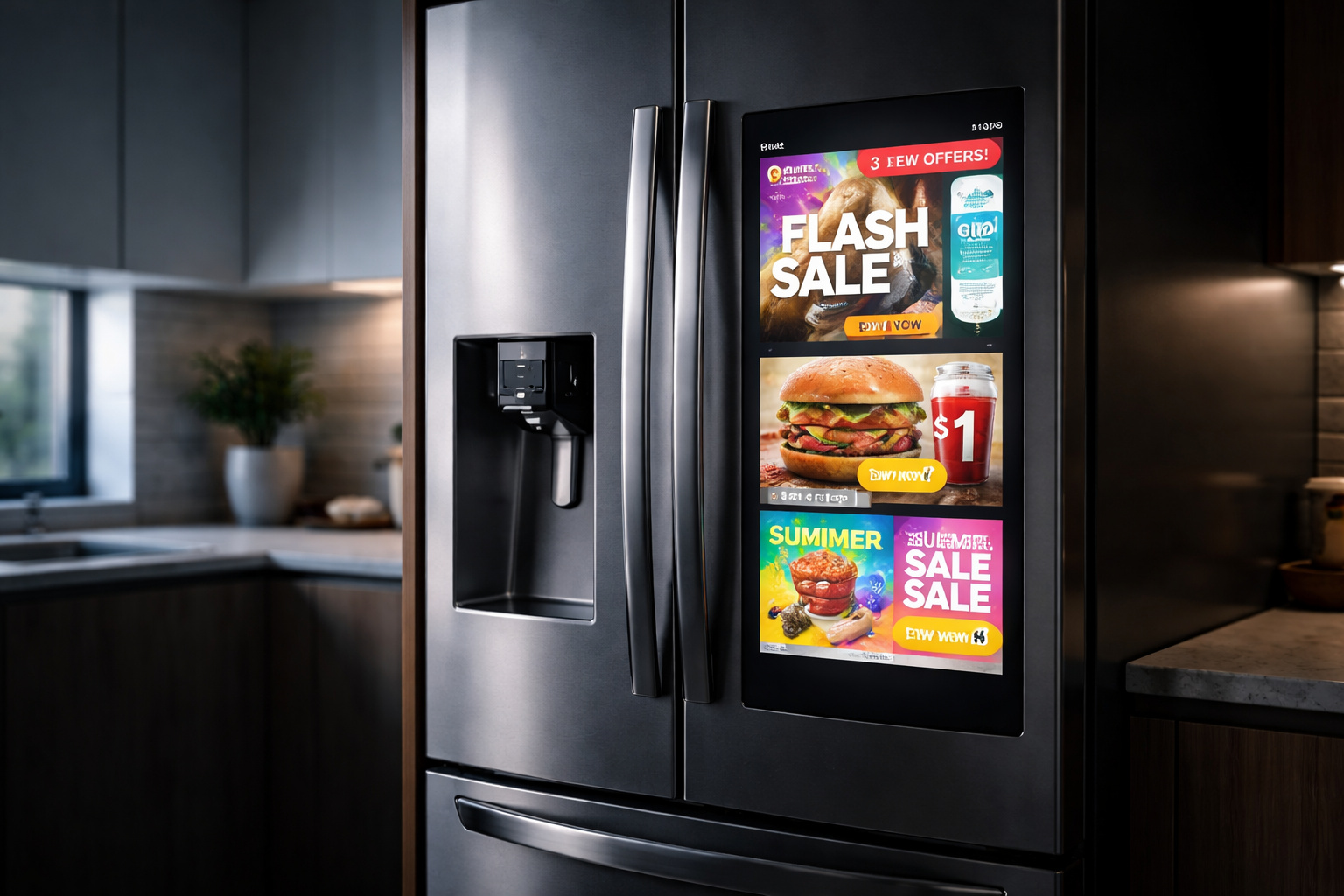
You buy the refrigerator and still have to see ads: Samsung starts displaying advertising on appliances and generates negative reactions among consumers.
-
What can really trigger large volcanic eruptions? Research suggests that gas returning to the magma may be more dangerous than gas escaping from it.


Protect Your Privacy: What You Can Do to Stay Safe?
Given this reality, it is important for drivers to be aware of the risks and know how to protect their privacy. Although some automakers claim to share data only with the consent of drivers, it is essential to read the terms of use and privacy policies of the apps carefully before agreeing to share information collected by the car. In addition, it is crucial to pressure automakers to be more transparent and accountable in handling customer data, ensuring that drivers’ privacy and safety are always prioritized.







Seja o primeiro a reagir!