





 English
  Francês
  Alemão
  Italiano
  Japonês
  Norueguês
  Portuguese
  Spanish
  3 min of reading


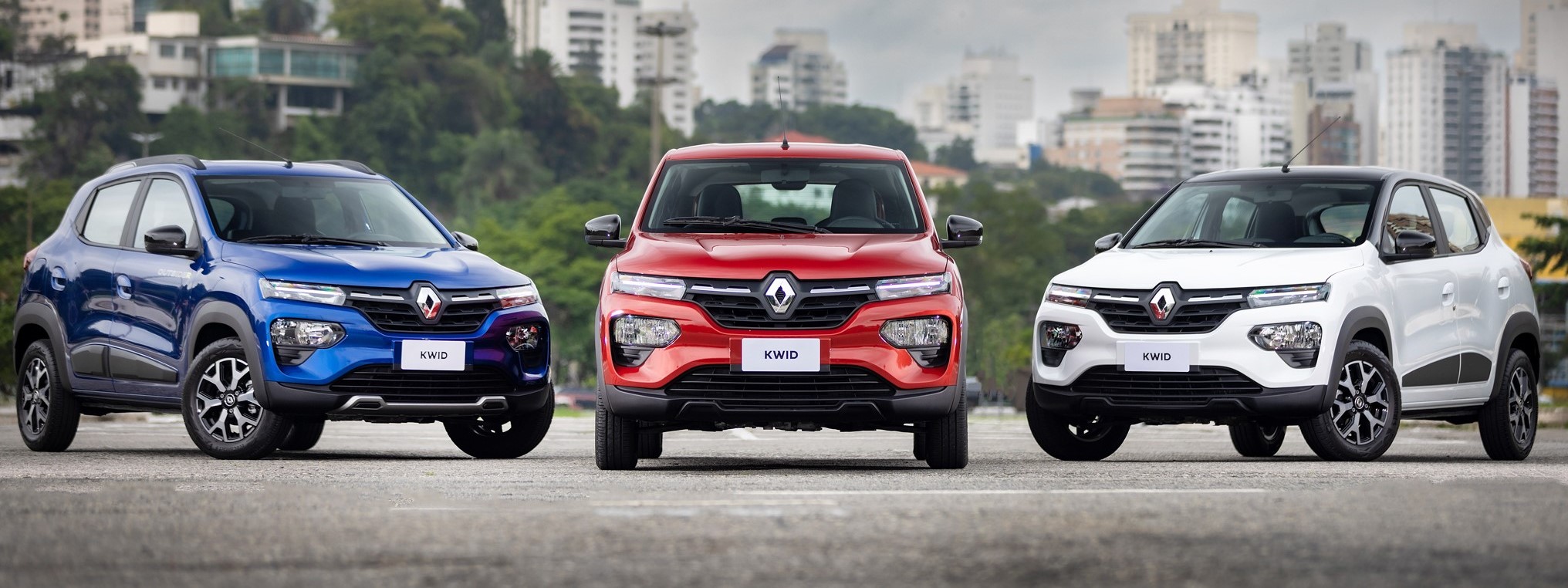
Car Manufacturers Believe That, With The Necessary Benefits And The Support Of The Lula Government, It Is Possible To Create An Even More Accessible Car Market In Brazil. The Ministers Of Development And Finance Discuss With The Automotive Industry The Means To Reach These Numbers.
Recently, the Ministers Of Development, Geraldo Alckmin, And Finance, Fernando Haddad, Representatives Of The Lula Government, Discussed With The Vehicle Manufacturers Located In Brazil Possible Incentives For The Automotive Industry. The Goal Is To Offer Cheaper Popular Cars In The Market, With An Initial Price Between R$ 50,000 And R$ 60,000, About R$ 10,000 More Accessible Than Current Models.
Lula Government Meets With Vehicle Manufacturers To Discuss Improvements In The National Automotive Industry And Offer Cheaper Popular Cars
Automobile Manufacturers In Brazil Are Discussing The Possibility Of Reviving Popular Cars In A Program That Would Allow For A Price Reduction To Consumers Of At Least R$ 10,000.
The Initiative Is Seen As A Way To Help The Automotive Industry Face The Decline In Sales, But Would Require A Counterpart From The Government And The Manufacturers Themselves, Such As Reducing Taxes On Entry-Level Vehicles.
-
Engineers propose a fourth traffic light for intersections – the change promises to affect crossings, queues, and waiting times.

-
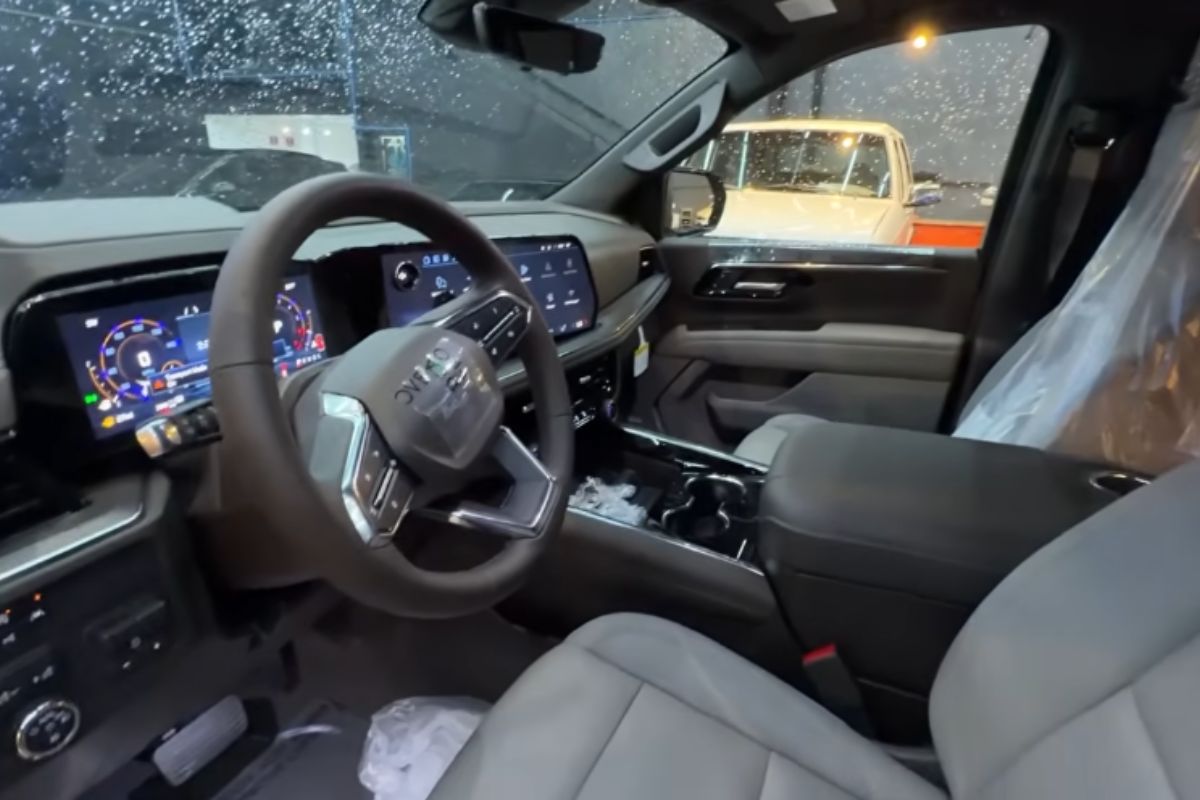
Chevrolet Suburban Z71 lands in Brazil with a V8 engine, off-road design, air suspension, seven seats, and colossal size, a rare version imported for around R$ 1.3 million with luxury and exclusivity.
-
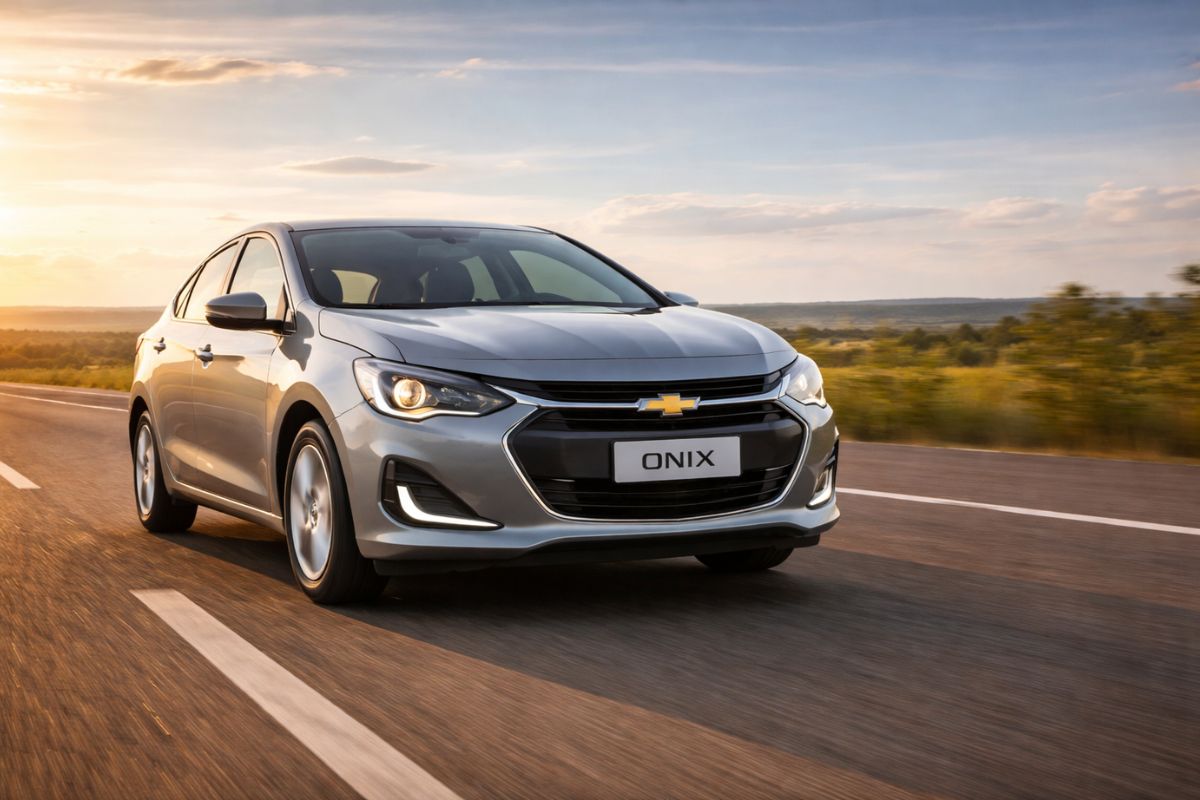
The Chevrolet Onix 1.0 turbo achieves 17.7 km per liter on the highway and ranks among the three most economical cars in Brazil in 2026, alongside two more expensive Toyota hybrids available at dealerships.
-
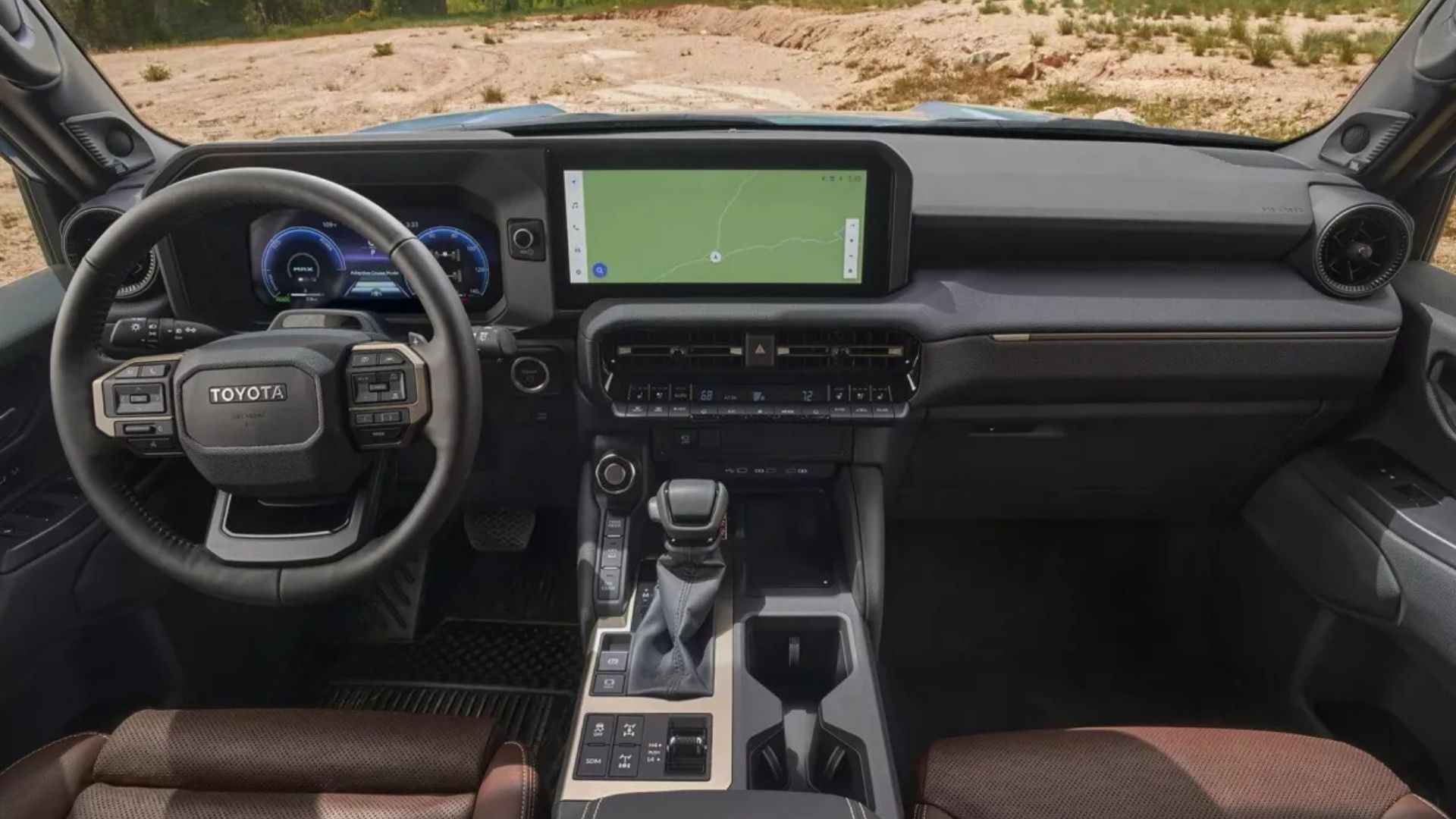
Little sister of the Hilux: Toyota launches Land Cruiser FJ with 4 radical versions, 2.7 engine with 166 hp and 4×4 traction with locking.

The Union Between The Lula Government And The Manufacturers Of Popular Cars Could Bring Strong Benefits To The Market And Consumers Over The Coming Years.
According To The Proposal Discussed, The Program Would Allow For Offering Entry-Level Cars Priced Between R$ 50,000 And R$ 60,000. Currently, The Cheapest Model In Brazil Is The Kwid, By Renault, Which Starts At R$ 68,100.
For The Initiative To Be Implemented, The Ministers Of Development, Geraldo Alckmin, And Finance, Fernando Haddad, The Main Representatives Of The Lula Government, Are Evaluating Possible Tax Incentives From The Government.
One Possibility Would Be To Attribute A “Green” Character To Cars That Use Only Ethanol As Fuel, Which Could Be A Way To Encourage The Use Of Biofuel And Stimulate The Ethanol Industry, Which Is Growing In Brazil.
In 2022, 83.3% Of New Vehicles Sold In Brazil Had “Flex Fuel” Technology, Allowing Consumers To Choose Either Gasoline Or Ethanol. However, There Are Still No Motors Exclusively Powered By Ethanol On The Market.
The Reduction Of Prices For Popular Cars Is Still A Topic Viewed With Caution By The Lula Government And Manufacturers
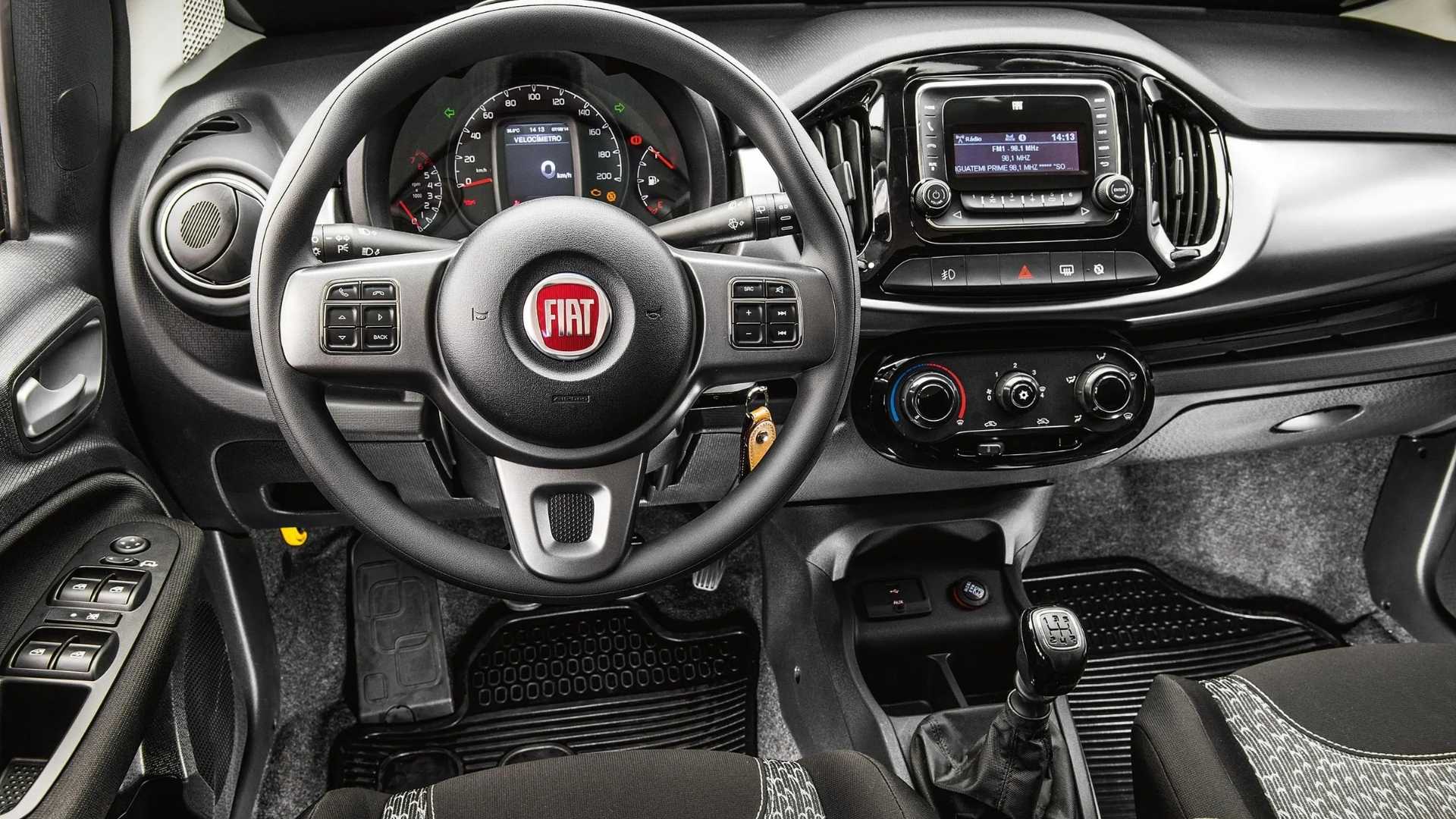
Regarding Their Role In The Initiative To Reduce Costs On Popular Cars, Manufacturers Are Discussing The Possibility Of Removing Some Non-Mandatory Items From Vehicles, Such As Those Related To Navigation And Connectivity, As A Way To Lower The Final Price.
Although The Initiative Is Seen As A Way To Help The Automotive Industry Face The Decline In Sales, Some Executives Acknowledge That Reducing The Price Of Entry-Level Cars May Have A Limited Effect.
In 2022, The Share Of New Cars Sold With Financing Fell Below 40%, Compared To 70% Just Over A Decade Ago.
Despite Manufacturers’ Interest In Discussing The Initiative, The Lula Government Has Been Cautious On The Subject, Especially Due To Concerns About Fiscal Space, As The Economic Team Does Not Have Room To Offer Tax Benefits.
After The Ministers’ Meeting With Manufacturers To Discuss The Issue, What Is Expected Are New Updates Regarding The Future Of Popular Cars In The Automotive Industry In The Brazilian Market.







Seja o primeiro a reagir!