





 English
  Francês
  Alemão
  Italiano
  Japonês
  Norueguês
  Portuguese
  Spanish
  4 min of reading


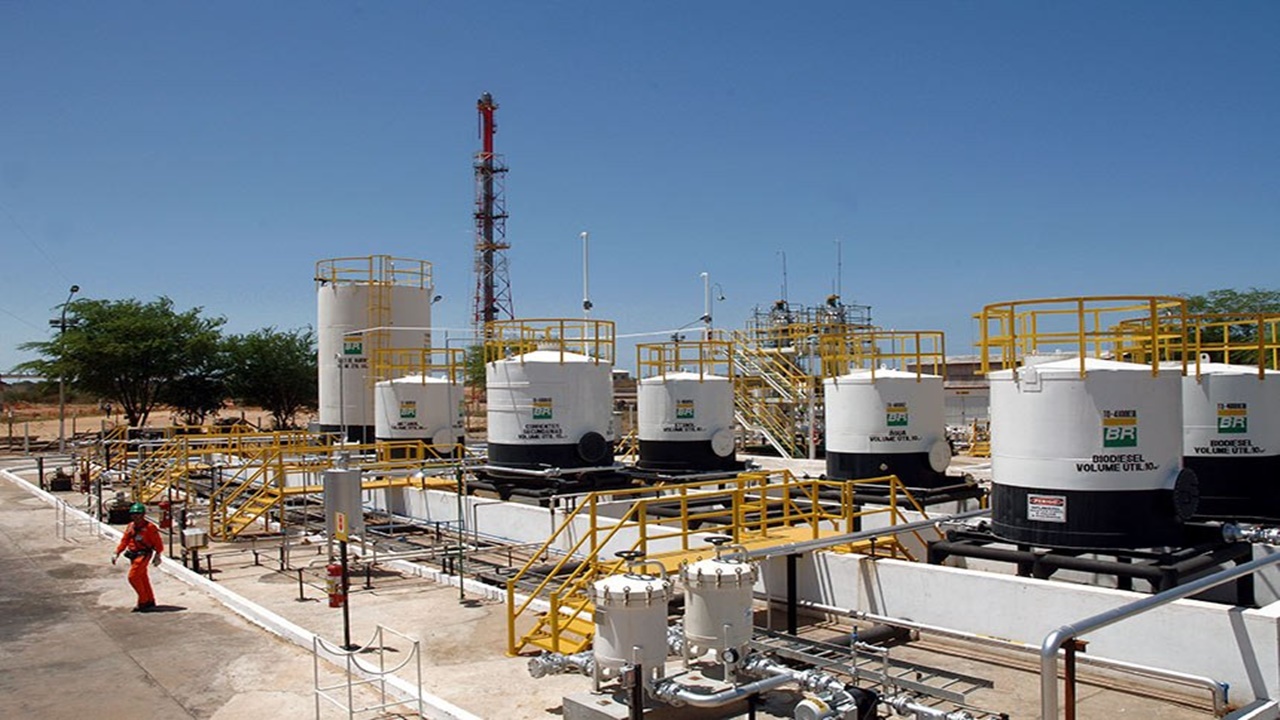
Reduction of Biodiesel in Fuel Could Backfire and Trigger Industry Bankruptcy, Unemployment, Damage Engines, and Increase Fuel Prices
On the last Thursday, May 13, automakers and representatives from the transport, production, and distribution sectors of fuels issued a statement against the increase in the mix of biodiesel in fuel. According to the entities, increasing the percentage of the biodiesel blend may lead to higher transportation costs and consequently influence the increase in product prices.
Also Read
- 77 Job Openings for High School and College Graduates to Work at the Multinational General Electric Today, May 14
- Coconut Husk Ethanol Developed by a Brazilian University Promises to Change the World of Renewable Energy
- Milestone in Brazil’s Mining Industry! Senai and a Mining Company Team Up for the Exploration of Rare Earth Minerals in Bahia, Which Was Once Unfeasible
- Raízen Opens 141 Job Positions for Work at Ethanol Plants in São Paulo and Other Brazilian States on This Day, May 17
- Coca-Cola, the World’s Largest Non-Alcoholic Beverage Producer, Calls for Hundreds of Job Openings in Its Factories in SP, RJ, MG, RS, and More
- Loyalty to Fuel Brands at Gas Stations Will End and Delivery of Fuel Will Be Allowed; Measure Could Reduce Gas Prices by Up to 50 Cents per Liter!
With pressure to lower carbon emissions, the automotive industry is already preparing to meet stricter limits in the coming years. However, according to them, the adoption of new technologies lacks experience with high levels of biodiesel in fuel composition.
The movement was signed and supported by Anfavea, Fenabrave, and Sindipeças – entities that represent automakers, dealerships, and auto parts manufacturers – along with Fecombustíveis, Brasilcom, and Abicom – representatives of commerce, distribution, and importation of fuels – and, on the transporters’ side, the National Transport Confederation (CNT) and SindTRR. The Brazilian Institute of Oil and Gas (IBP), representing the oil and gas industry, also signed the statement.
-
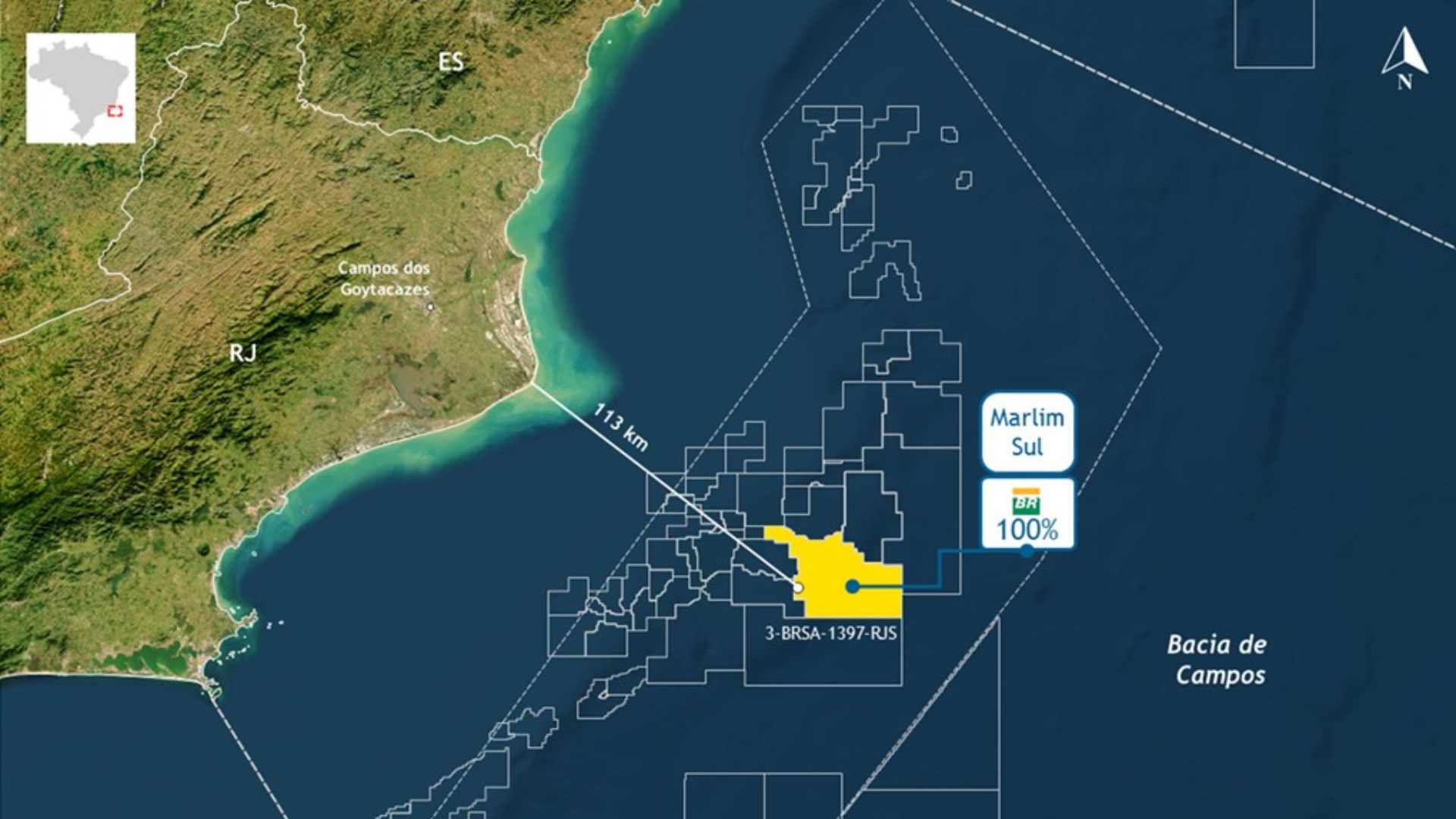
Petrobras finds high-quality oil in the pre-salt at 113 km from RJ and reignites expectations about strategic reserves in the Campos Basin.

-
Ocyan opens registrations for startups focused on innovation in the oil and gas sector and will select projects for Innovation Day with the support of Nexio.

-
Petrobras announces new oil discovery in the pre-salt of the Campos Basin and reinforces Brazil’s prominence with high-quality reserves that can increase production and energy revenues.
-
Alert in the fuel market: Analysts and a former director of ANP warn that oil prices may worsen in the coming months due to global instability.
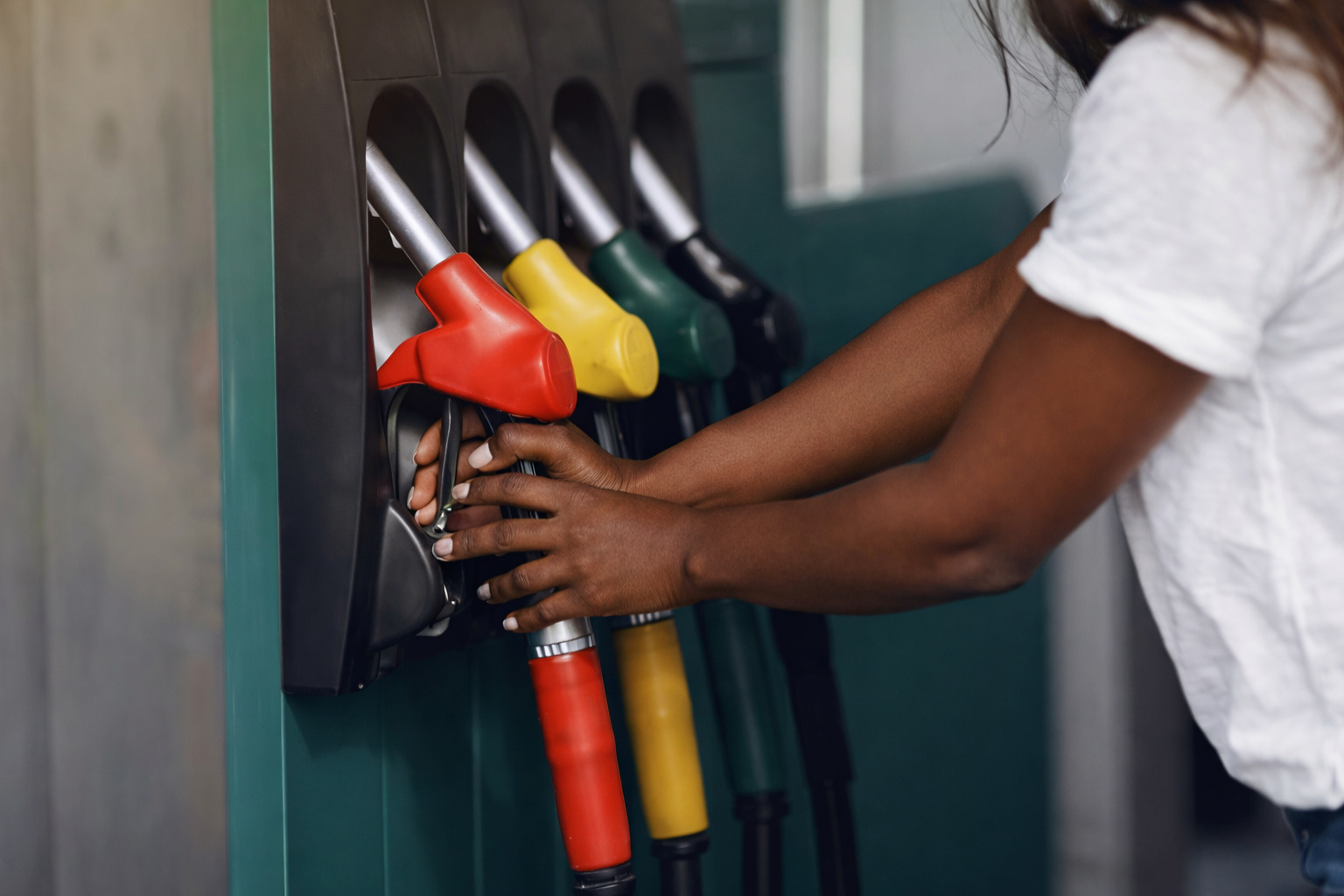

Mixing Biodiesel with Diesel Oil Could Damage Engines and Increase Fuel Prices, Say Entities Representing Over 200,000 Companies in the Sector
The increase in the biodiesel blend in diesel has raised concerns among entities representing over 200,000 producing, distributing, importing, reselling, and transporting companies, as well as industries related to diesel consumption. According to them, there are serious problems in the quality standards of the fuel sold today, which could lead to increased fuel prices, as well as cause malfunctions in diesel engines.
The group reports that recent increases in biodiesel in diesel have caused issues with crystallization, hygroscopy, low filterability, and the formation of biodiesel sludge, consequently damaging machinery and engines; decreasing their lifespan; and lowering equipment performance, as well as increasing maintenance costs and impacting various sectors of the economy and Brazilians.
“It is important to note that any mandatory increase in the blend of biodiesel in diesel should only be established following comprehensive analysis and sound criteria, ensuring technical viability and safety not only for biodiesel producers but also for users regarding its adoption,” the entities argue. The group states that it has been seeking dialogue with the government and the biodiesel industry to “resolve the current issues of biodiesel content and product quality.”
Reduction of Biodiesel in Fuel Could Backfire and Trigger Industry Bankruptcy and Unemployment
The government’s measure to reduce biodiesel in fuel could impact industries that expanded their operational capacities based on high demand, and consequently generate unemployment, since the biodiesel production chain employs over 1.5 million people.
Approximately 80% of the biodiesel consumed in the country is produced from pure and recovered soybean oil, the production of which stimulates the production of soybean meal, the main input for the feed chain – which in turn feeds poultry, fish, and pigs. The consequent inflation impact will affect society as a whole, including sectors that currently aim to benefit from the reduction in fuel prices at the pump. In other words, the intervention may backfire.
An economic analysis conducted by GO Associados, led by Gesner Oliveira, former president of the Administrative Council for Economic Defense (Cade) and Sabesp, indicates that the reduction could lead to the bankruptcy of companies that made investments and increased their production capacity relying on the schedule of the National Energy Policy Council (CNPE), established by resolution in October 2018, which was abruptly modified on Wednesday, the 14th, in the auction of the product that will be placed on the market in May and July. “It is a measure that goes against several aspects of public policy. The climate agenda is very illustrative. At this moment, when there is a global effort that should be a national one to reduce emissions, it makes no sense to interrupt a schedule that has already been established,” Oliveira tells Revista VEJA.










Seja o primeiro a reagir!