





 Portuguese
  English
  Spanish
  5 min of reading
  0 comments


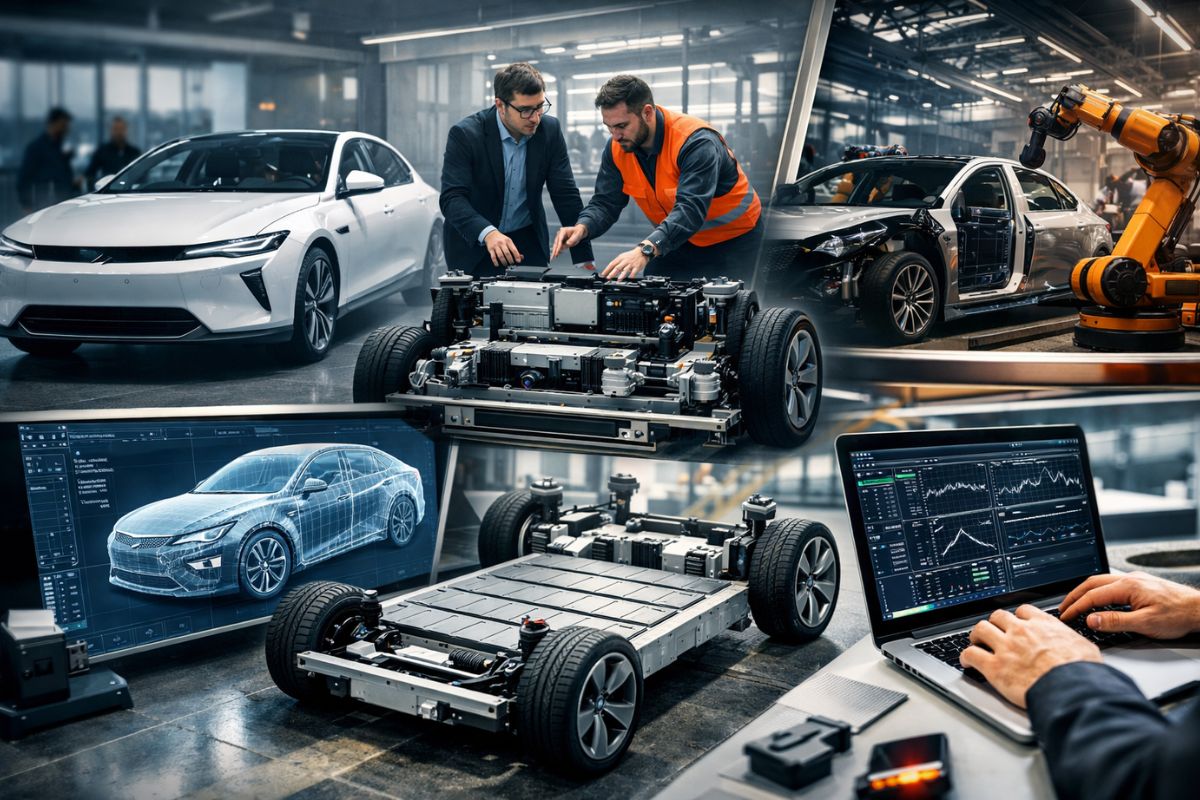
Pressured By Chinese Automakers That Deliver Projects In Up to 20 Months, Giants Like Ford, Renault, Volkswagen and Nissan Cut the Development of Electric Cars in Half Using Ready Platforms, Virtual Tests and Software Updates, But Experts Around the World Warn That Haste Can Open Dangerous Gaps in Vehicle Safety.
Renault’s Electric Car Factories Already Symbolized a Turnaround: Traditional Automakers Like Ford, Renault, Volkswagen and Nissan Entered a Race to Cut the Time It Takes to Develop Electric Cars in Half and Catch Up to Chinese Rivals.
With new processes that mix ready platforms, remote updated software, and increasingly virtual tests, models like the electric Twingo, expected for 2026, symbolize this turnaround, while experts warn that haste may compromise safety standards across the sector.
Global Race to Keep Up With China
Executives in the automotive sector admit that the keyword now is speed.
-
A brand new car starts at around R$ 75,000 in Brazil, but what stands out the most is seeing streets filled with SUVs and expensive sedans in a country where millions remain in debt.

-
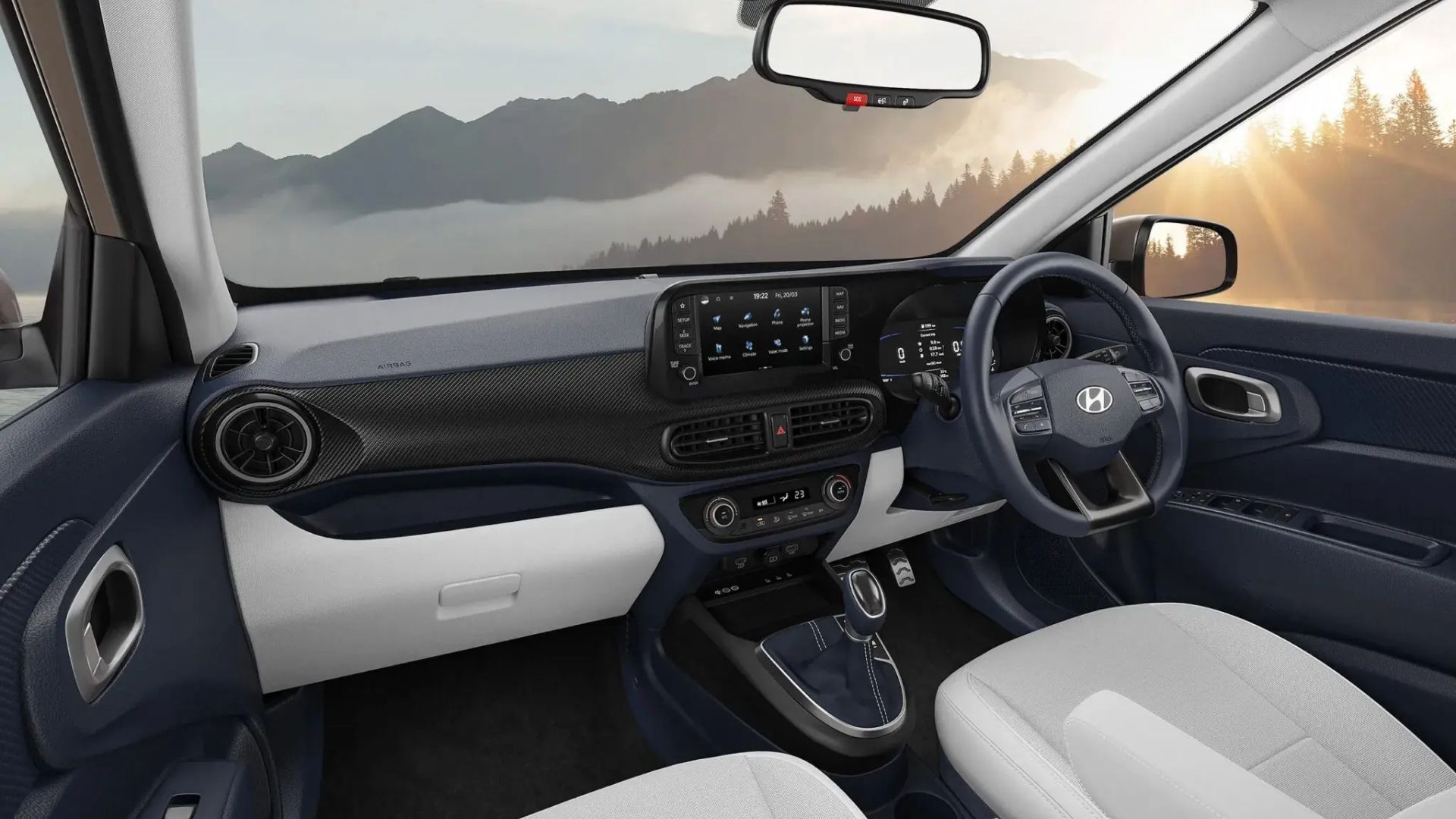
For R$ 32,000, a brand new Hyundai car is a rival to the Kwid with a 1.2 engine producing 82 hp, 6 airbags as standard, multimedia with wireless Android Auto, up to 391 liters in the trunk, and a refreshed look for 2026 in India.
-
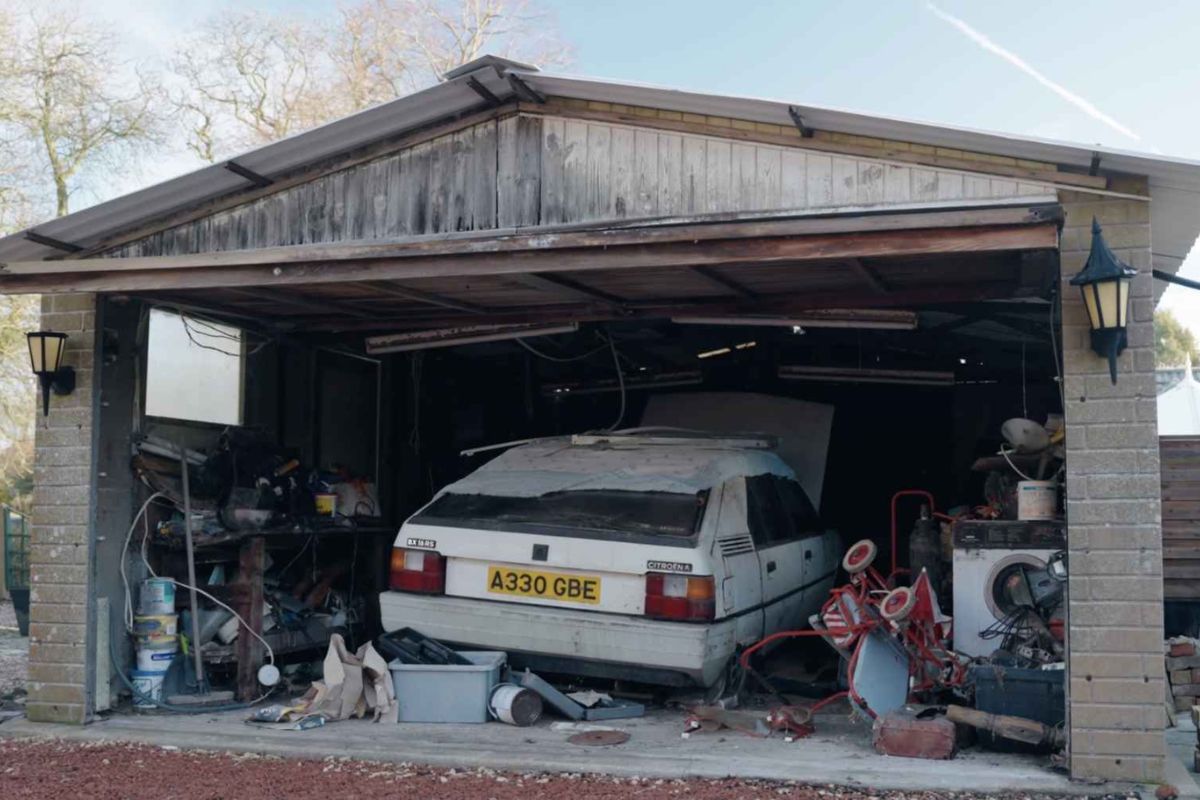
He bought a new car in 1983, locked it in the barn in 1988, and no one opened the door for 38 years until the family discovered what was stored inside and realized it looked like something out of a movie.
-
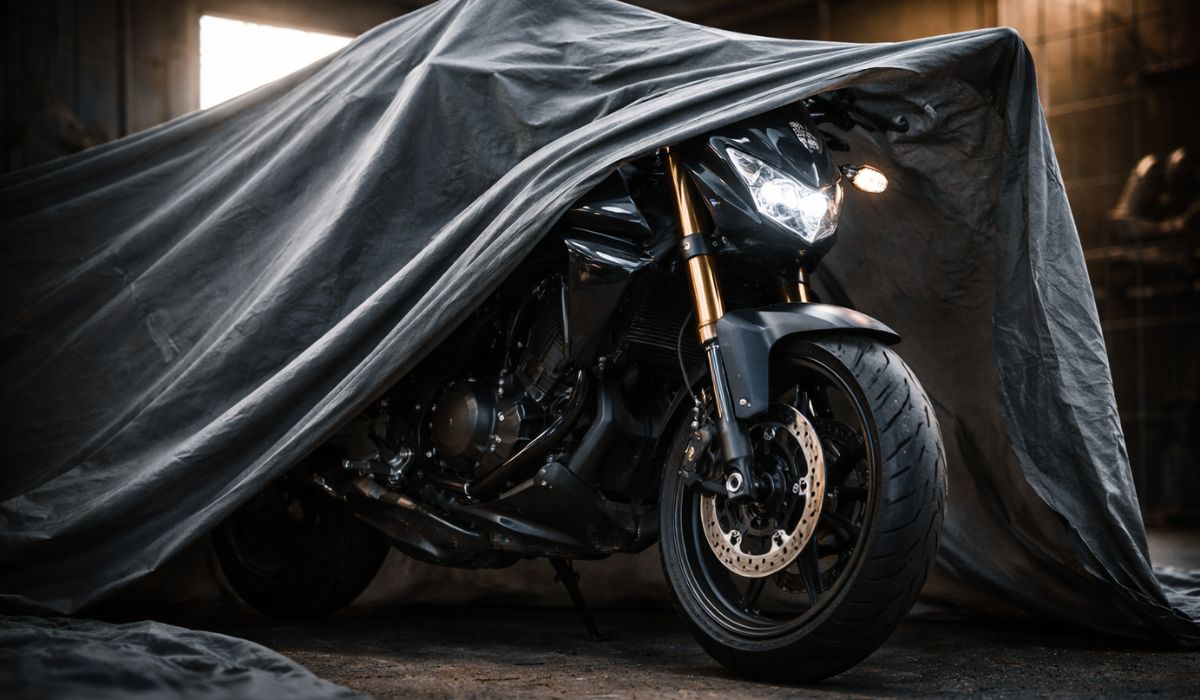
A 250cc motorcycle that can reach 560 km with a 14-liter tank, features disc brakes on both wheels and is among the most well-known in Brazil.

Western Automakers Are Under Pressure From The Advancement of Chinese Groups, who can bring an electric car from concept to reality in about 18 to 20 months by combining flexible platforms, rapidly evolving software, and highly integrated factories.
In this scenario, the traditional development time, which often exceeded four years in many automakers, is now viewed as a death sentence in terms of competition.
Industry consultants point out that if a project takes five years to hit the market, the model risks becoming outdated amidst the speed of innovations in electrification, connectivity, and embedded digital services.
Partnerships and Platforms to Gain Speed
To catch up, automakers like Ford, Renault, Volkswagen and Nissan Are Redesigning Their Entire Development Flow.
Ford, for example, chose Renault as a partner to produce small electric cars in Europe after the French automaker successfully halved the time to create new models to less than two years.
At Volkswagen, the development cycle for electric vehicles produced in China has been shortened by approximately 30% compared to the previous process, which took just over four years.
Nissan has already launched the electric sedan N7 in China, priced below US$ 20,000, after about two years of collaboration with local partner Dongfeng, with exports to other markets planned for the following year after launch.
Renault Case: Twingo Electric in 21 Months
One of the symbols of this turnaround is Renault’s new fully electric Twingo, which is expected to hit the streets in 2026.
The model is the first to emerge from a design process created at an advanced development center in Shanghai, China, where around 150 local engineers and specialists help speed up design decisions, integrate suppliers, and shorten bureaucratic steps.
In practice, automakers like Renault Have Started Developing Different Parts of the Car in Parallel, while the assembly line in Slovenia was already being prepared.
About 45% of the Twingo’s parts came from Chinese suppliers, accustomed to producing components almost in real-time, which cut timelines that, in Europe, typically took from one to three months between order, quotation, and manufacturing.
The very work routine changed. When the team decided they didn’t like the design of an internal door handle, there was no time to redo the entire formal approval circuit.
Changes were coordinated through WhatsApp messages between teams in different countries, and the supplier adjusted the component in just a few days, without halting the car’s schedule.
In the end, the electric Twingo was ready in 21 months, and the development of the new Dacia Hipster minicar, based on the same platform, is expected to be even faster, estimated at 16 months.
For Traditional Automakers, This Type of Platform Reuse Has Become Central to Their Strategy to Face the Chinese Offensive in Europe.
Software, Virtual Tests, and Lower Mileage
The secret to speed lies in a combination of reusing approved components, digital simulations, and laboratory tests that replace some of the physical trials.
Automakers That Previously Insisted on Validating Everything from Scratch Are Now Investing in Common Platforms, Software Updates, and Simplified Electronic Architecture to gain months of development without, at least in rhetoric, compromising safety.
Industry consultancies point out that Chinese electric vehicle manufacturers conduct durability tests covering an average of 600,000 kilometers per car, compared to the 3 million kilometers traditionally required by many foreign automakers.
Furthermore, Chinese groups are willing to launch cars with software problems still being fixed, relying on later remote updates to resolve issues, optimize systems, and add new features to vehicles already in consumer hands.
Meanwhile, traditional automakers fear that a software defect launched in haste could tarnish decades of reputation building.
That’s why many of them insist on validating all systems before the commercial debut, even if it means arriving late to the entry-level electric car market, precisely the segment where Chinese companies are advancing the fastest.
Security Risk and Cultural Shock in Automakers
It is at this point that the alert from vehicle safety experts is growing.
The culture of “safety first,” very strong in several Japanese and European automakers, is colliding with the logic of the software world, where things are launched quickly, corrected later, and the cycle is repeated in successive updates.
To Reduce Development Time, Some Companies Need to Accept More Risk, and Not All Are Prepared for This Cultural Shift.
At the same time, executives remind that there is a technical limit considered uncompressible: a period of about 12 months in which engineers need to move from the fully digital phase, build physical prototypes, conduct validation tests, and prepare production lines for industrial scale.
The challenge for automakers now is to accelerate everything possible before and after this window without crossing the fine line between efficiency and safety in a market where arriving late could mean losing the game forever.
And you, do you think automakers are moving too fast or is this haste the inevitable cost of competing with the Chinese in the electric car market?









Seja o primeiro a reagir!