





 Portuguese
  English
  Spanish
  3 min of reading
  0 comments


Nature is in Constant Transformation, and Even the Largest Geological Formations Are Not Immutable. Recent Measurements Indicate That One of the Most Iconic Mountains in the United States Lost Three Meters in Height, Catching the Attention of Scientists and Geology Experts.
The highest point of Mount Rainier, one of the most iconic mountains in the United States, is no longer the same. The ice cap that traditionally crowned the mountain is melting. As a result, a new rocky peak on the southwest edge has become the highest point of the mountain.
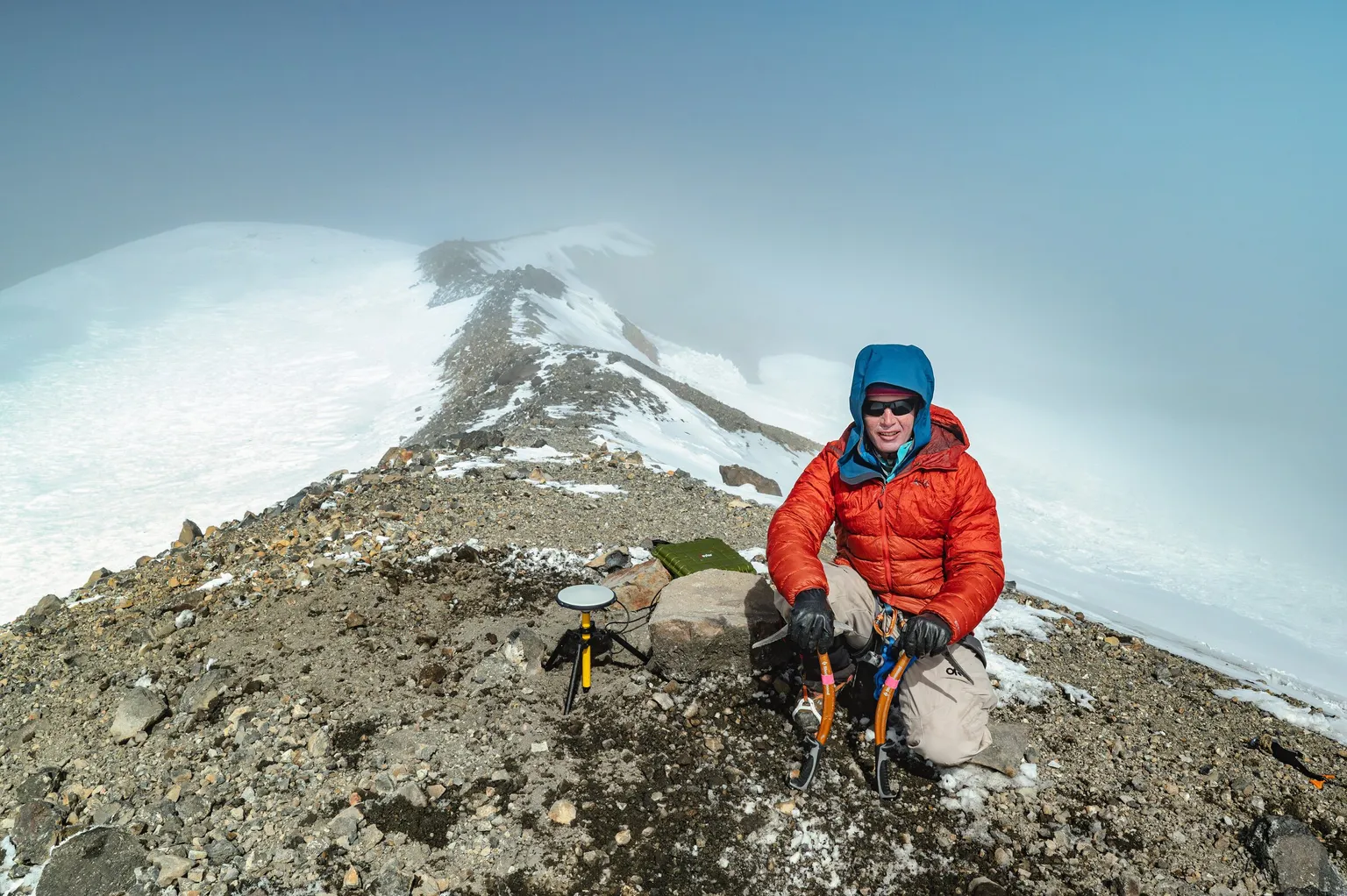
The change was identified by mountaineer and mechanical engineer Eric Gilbertson. He climbed Rainier in August and September, using measurements to confirm the alteration.
According to him, the mountain has lost about 3 meters in height, bringing its elevation down from 4,410 meters to 4,407 meters above sea level.
-
End of the stove: new technology from Xiaomi promises to retire the old stove with a smart pot that prepares up to 16 servings in 24 minutes and has 10 automatic levels controlled by an app.

-
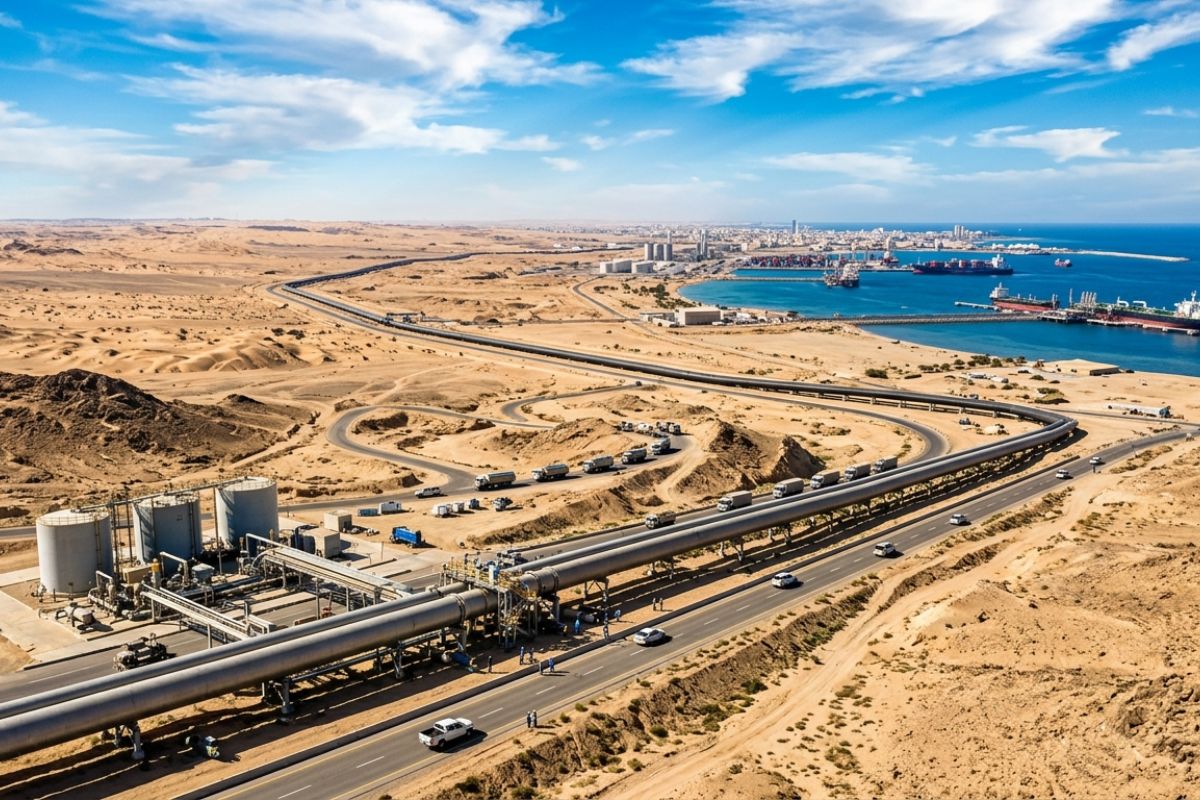
If Ormuz closes, the world freezes: the 1,200 km Saudi Petroline transports oil from the Gulf to the Red Sea, operates near 7 million barrels/day, and becomes a geopolitical weapon in the crisis with the US.
-
Scientists restore seagrass meadows in the open sea.

-
Scientists find about 1 million giant live eggs hatching in an active underwater volcano, discover a natural furnace on the ocean floor, and reveal one of the most unlikely nurseries ever seen in the ocean.

The Impact of Glacier Melt
The phenomenon of glacier shrinkage is not exclusive to Mount Rainier. It is occurring in various regions around the world, including California and Sweden.
Global warming, driven by the use of fossil fuels, is accelerating the melting of snow and ice in various mountain ranges.
Since 1984, scientist Mauri Pelto has been monitoring the volume of glaciers in the state of Washington. According to him, these formations have lost approximately 40% of their volume in recent decades.
The majority of this melting has occurred in the last 24 years, demonstrating a concerning acceleration of the process.
Pelto explains that, even without the glaciers, the mountains will continue to exist and receive snow in the winter. However, the absence of these ice masses changes the natural dynamics of the landscape, affecting ecosystems and waterways.
The Mountaineer and His Discoveries
Eric Gilbertson has a long history in mountaineering. At 38 years old, he has already climbed the highest points in all 50 states of the U.S. and 143 of the 196 countries in the world.
Among his accomplishments is climbing K2 without oxygen and reaching 27,887 feet on Mount Everest, coming close to the summit.
Currently, Gilbertson teaches at Seattle University. Two years ago, he decided to climb the 100 highest peaks in Washington again, a challenge he had already completed in 2018.
During this journey, he noticed inconsistencies in the heights of some mountains and began bringing his own equipment to measure them.
Using a differential GPS system, he was able to obtain highly accurate measurements. This equipment compares satellite data with fixed points on the ground, ensuring reliable measurements.
In August, he noticed that the point traditionally considered the highest on Mount Rainier, called Columbia Crest, had lost height due to the melting of the ice cap.
To confirm his findings, Gilbertson climbed Rainier again in September. During the ascent, he compared his measurements with historical data, confirming that the elevation of the summit had indeed changed.
What the Experts Say
Gilbertson’s measurements were corroborated by Larry Signani, who led previous surveys of the mountain using GPS. Signani participated in the first study of its kind in 1988 for the U.S. Army Corps of Engineers and has monitored various measurements over the decades.
The original height of 4,410 meters was determined in 1956, and despite small variations in measurements over the years, the elevation has remained relatively stable.
However, a survey conducted in 2010 already indicated that Columbia Crest had sunk a few meters.
Gilbertson’s work now confirms that the melting of the ice cap has continued, resulting in a permanent reduction in the height of the mountain.
The impact of this process is still being assessed. The loss of glaciers may affect water availability in mountainous regions, alter natural habitats, and influence recreational and sporting activities.
Scientists will continue monitoring Mount Rainier and other mountains to better understand the consequences of global warming on the natural landscape.








Seja o primeiro a reagir!