





 Portuguese
  English
  Spanish
  2 min of reading
  1 comment


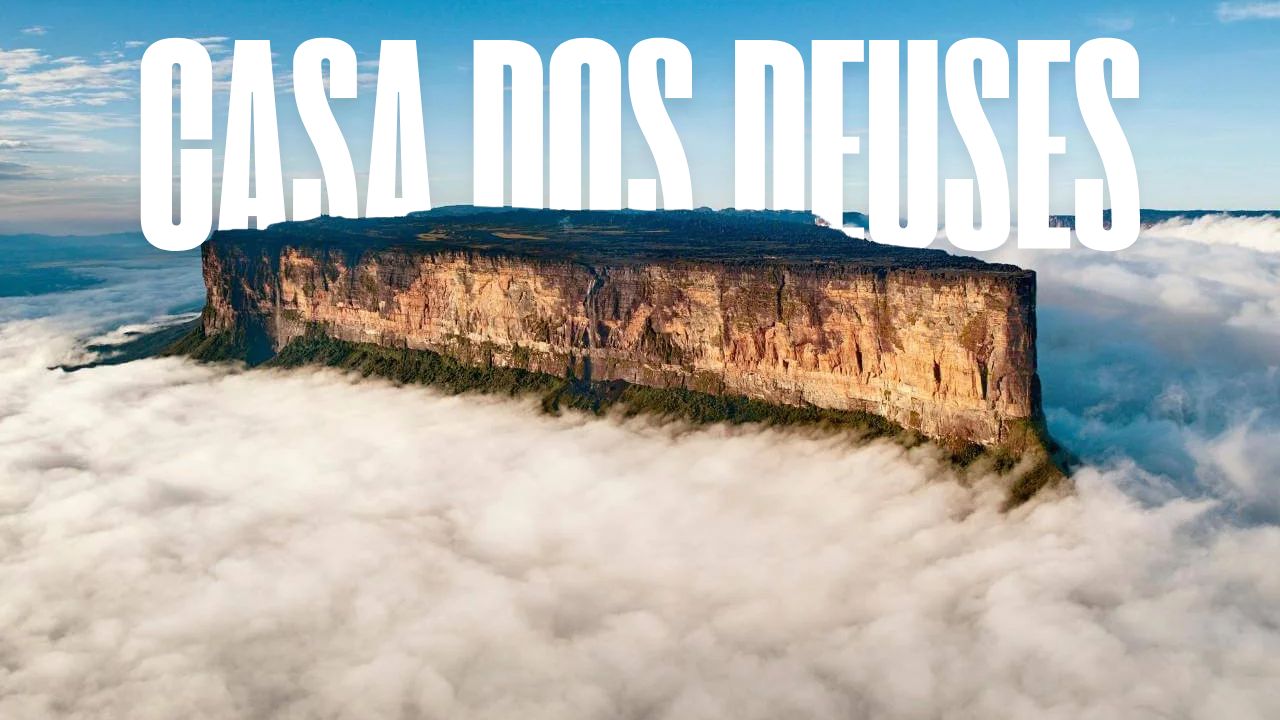


Enveloped in Clouds and Ancestral Myths, Mount Roraima Defies Time with Its Formation of 1.8 Billion Years, a Unique Ecosystem, and Stories That Span Generations.
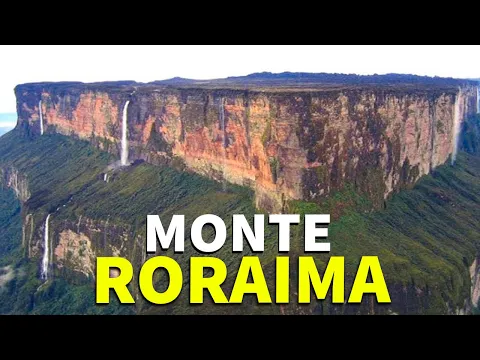
Mount Roraima is one of the most impressive geological formations on Earth. Located between Venezuela, Brazil, and Guyana, this tepui rises to 2,810 meters above sea level. Its flat and isolated top, surrounded by steep cliffs, creates a setting worthy of a lost world.
Its formation is part of the Guiana Shield, one of the oldest rock structures on the planet. Unlike conventional mountains, Mount Roraima did not arise from volcanic or tectonic activity, but rather through erosion over millions of years, which shaped its unique landscape.
A Rare and Enigmatic Biodiversity
The isolation of Mount Roraima gave rise to a unique ecosystem. Many species of plants and animals found there do not exist anywhere else in the world. Among the most fascinating are the Roraima black frog (Oreophrynella quelchii), which does not jump but curls up to escape predators, as well as rare orchids and carnivorous plants that have adapted to the low presence of nutrients.
-
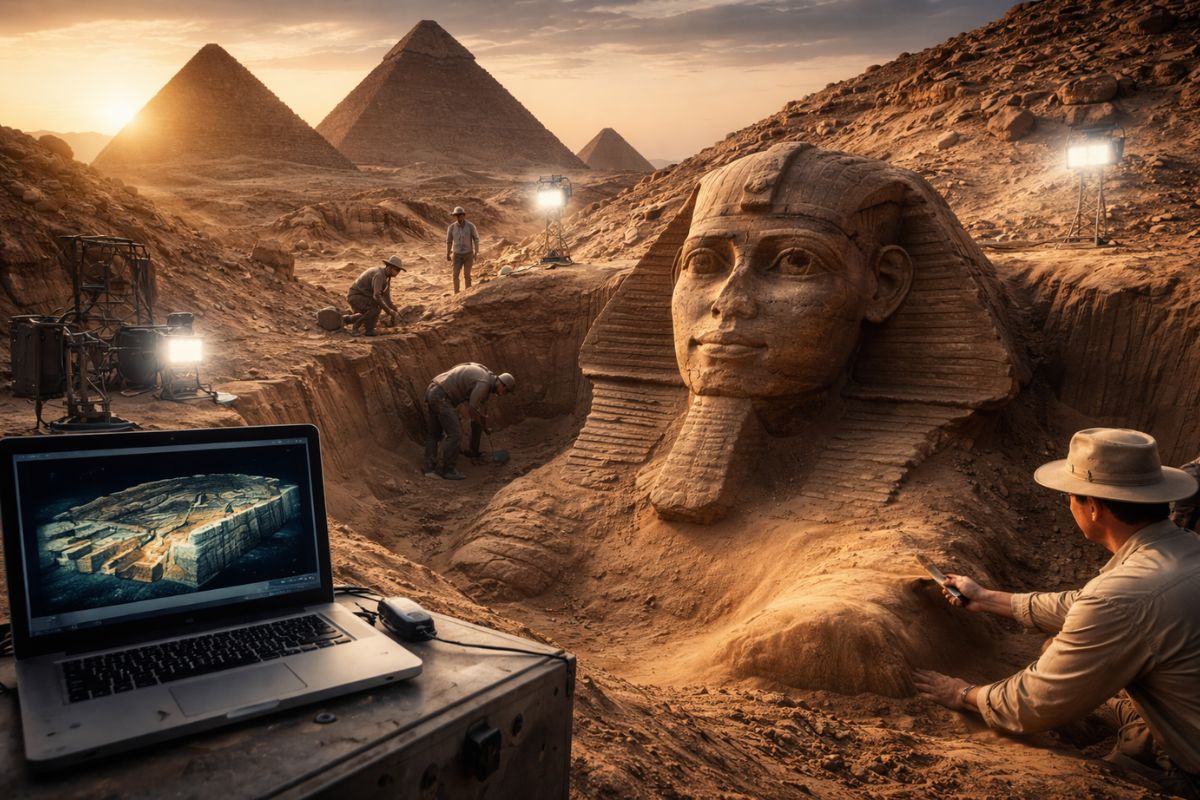
Italian researchers have detected what appears to be a second Sphinx buried under the sands of Egypt, and satellite scans reveal a gigantic underground megastructure hidden beneath the Giza Plateau for over 3,000 years.
-
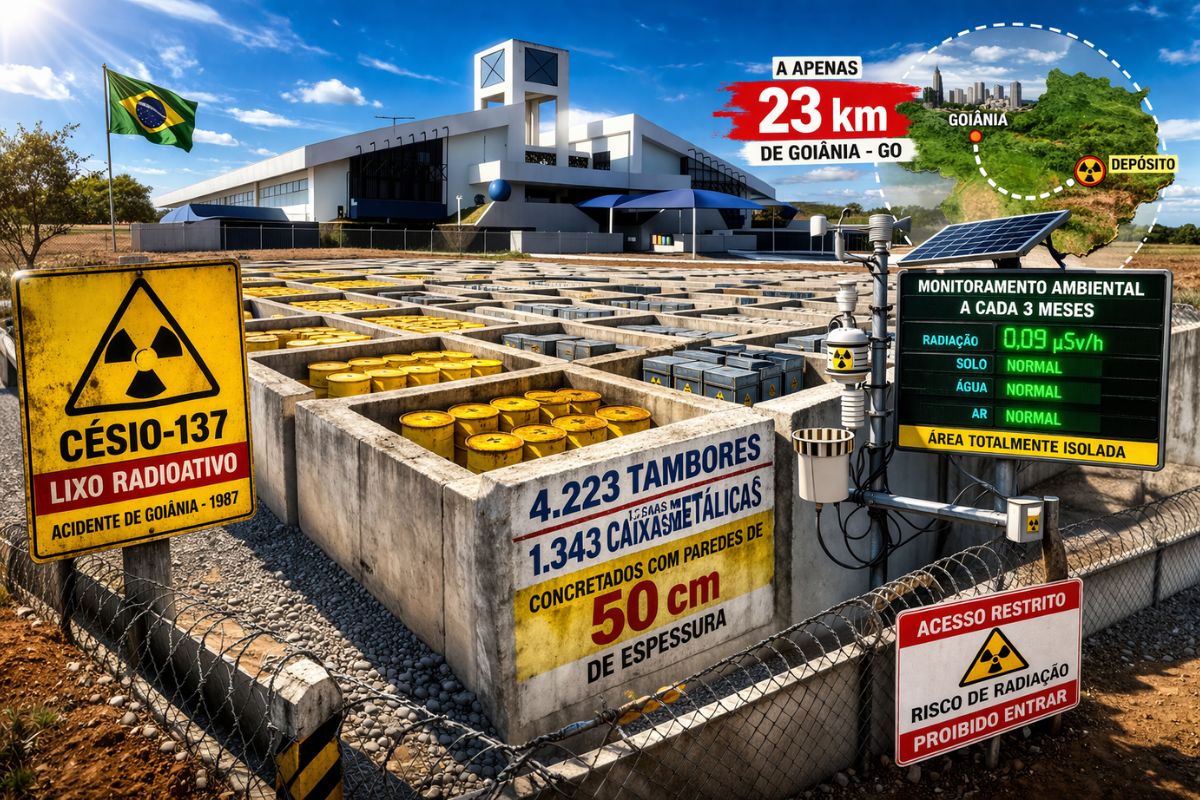
There are 4,223 drums and 1,343 metal boxes concreted with 50-centimeter walls that store the radioactive waste from Cesium-137 in the worst radiological accident in Brazil, just 23 kilometers from Goiânia, with environmental monitoring every three months.
-
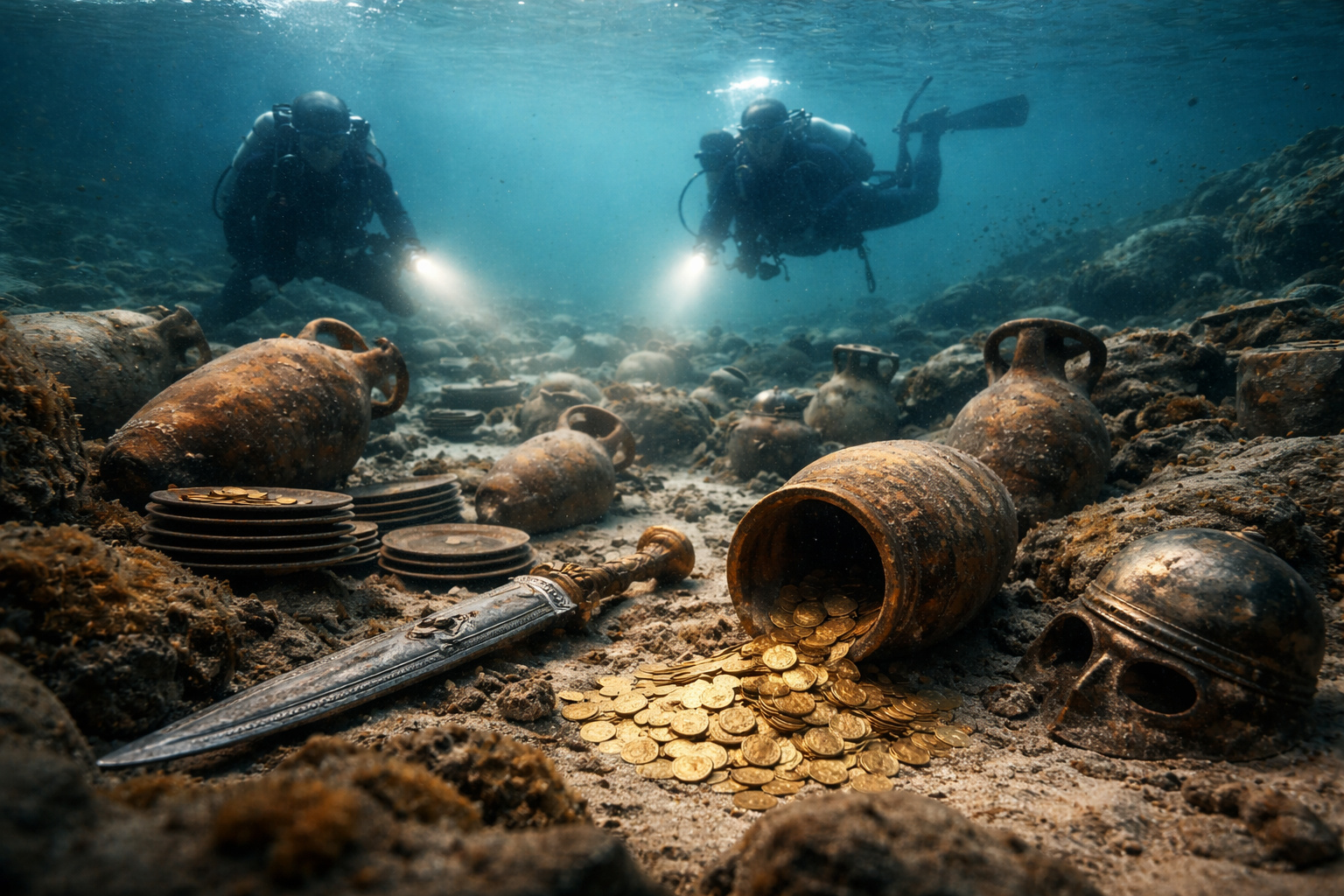
Giant Roman treasure found at the bottom of Lake Neuchâtel in Switzerland reveals an advanced trade system, circulation of goods, and armed escort in the Roman Empire about two thousand years ago.
-
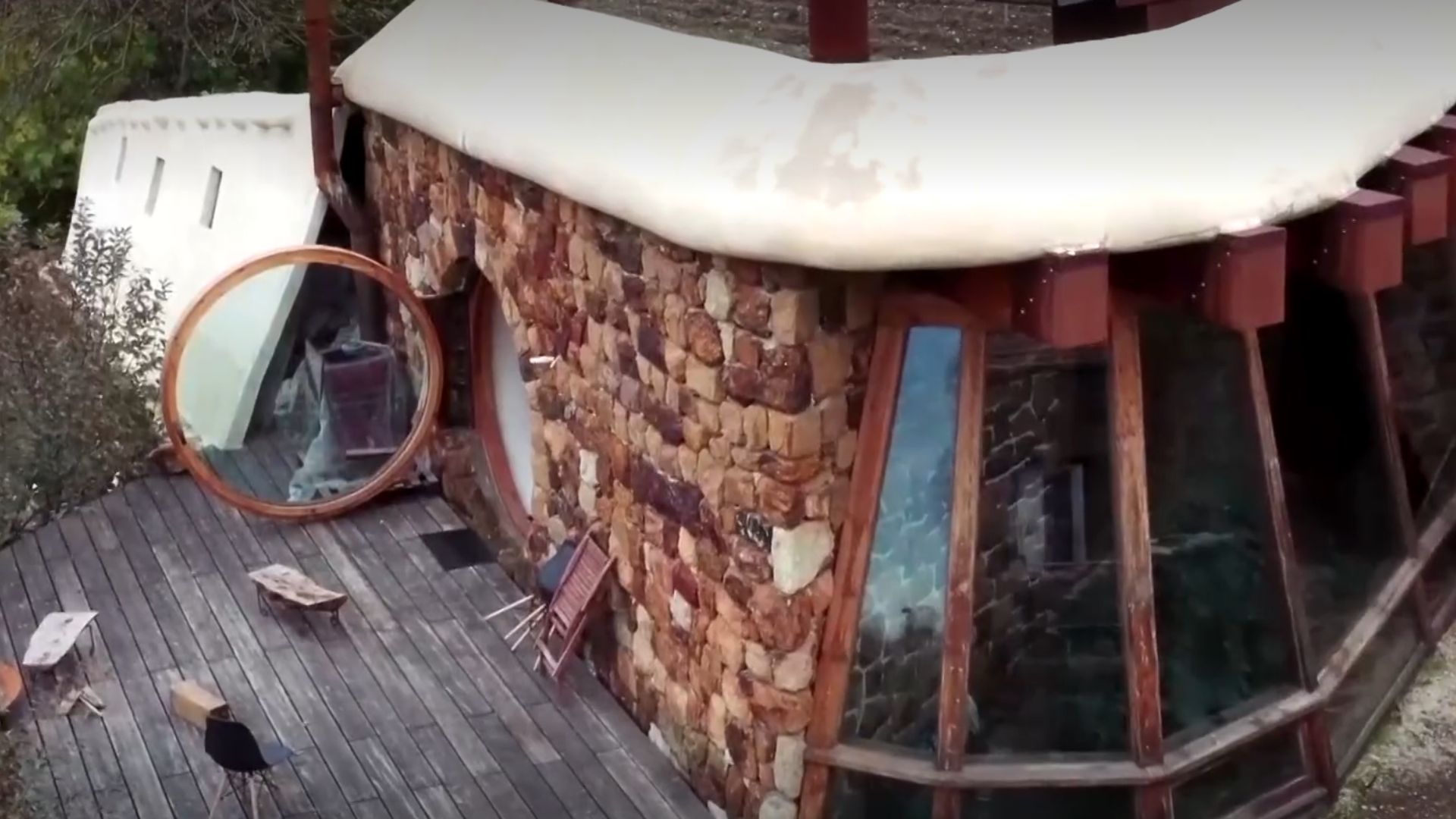
He buried 1,200 old tires in the walls to build his own self-sufficient house in the mountains with glass bottles, rainwater, and an integrated greenhouse.

For a long time, scientists believed that this biodiversity evolved in isolation for millions of years. However, a recent study analyzed the DNA of some species and revealed that the connection between the tepuis might be greater than previously thought. Species such as frogs and insects may have migrated between these mountains, refuting the idea of absolute isolation.
The Home of the Gods in Indigenous Mythology

For the indigenous peoples of the region, such as the Pemon, Mount Roraima has a sacred significance. According to their mythology, the mountain is what remains of a gigantic tree that provided food for all humanity. The legendary Makunaima, a mythological figure, is said to have cut down this tree, unleashing a great flood that changed the world’s landscape.
The tepuis are considered homes of the gods and portals to the supernatural. For indigenous peoples, these places are protected by ancestral spirits, making Mount Roraima a place of great respect and reverence.










O Brasil é fascinante em sua natureza, temos os melhores lugares em pontos turísticos do mundo.