





 Portuguese
  English
  Spanish
  4 min of reading
  0 comments


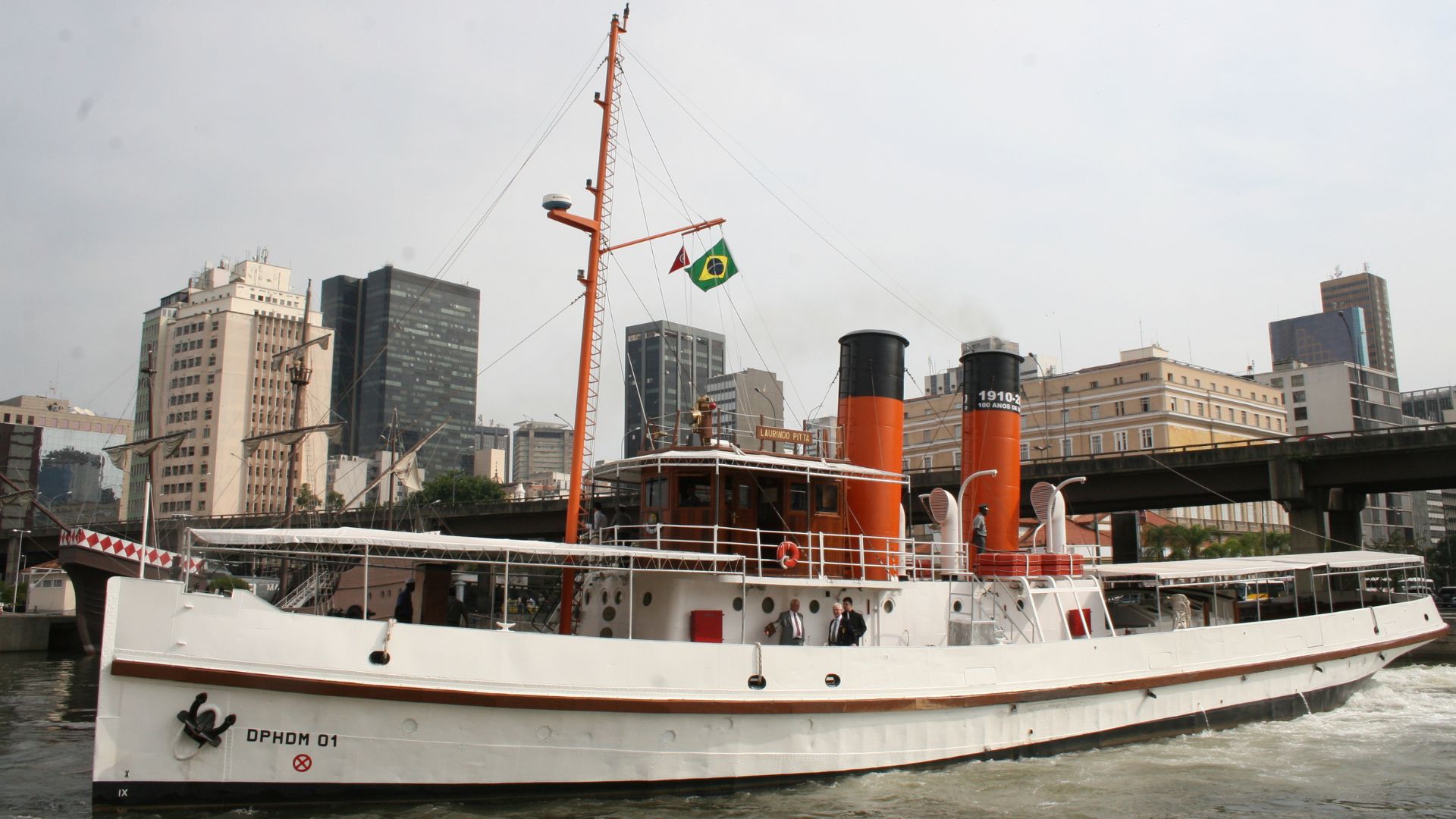
Built in 1910, the Laurindo Pitta survived World War I, served in two conflicts, and today takes tourists through the Bay of Guanabara as the last historical ship still in operation.
Few people know, but Brazil still operates a Brazilian ship that participated in World War I. Built in 1910 in England and incorporated into the Navy in the same year, the Laurindo Pitta is now the only survivor from that era still active in the country. Restored and converted into a museum ship, it still conducts tours through the Bay of Guanabara, preserving an important chapter in Brazilian naval history.
More than a historical symbol, the centennial tugboat is also one of the cultural and educational attractions maintained by the Navy in Rio de Janeiro, helping to keep alive the memory of Brazil’s participation in global conflicts.
Construction and Incorporation into the Navy
The Laurindo Pitta tugboat was commissioned by the Brazilian Navy from the British shipyard Vickers, Sons & Maxim, Ltd., based in Barrow-in-Furness, England. With a length of 39 meters and a displacement capacity of up to 514 tons, the vessel was delivered to the Brazilian government in September 1910.
-
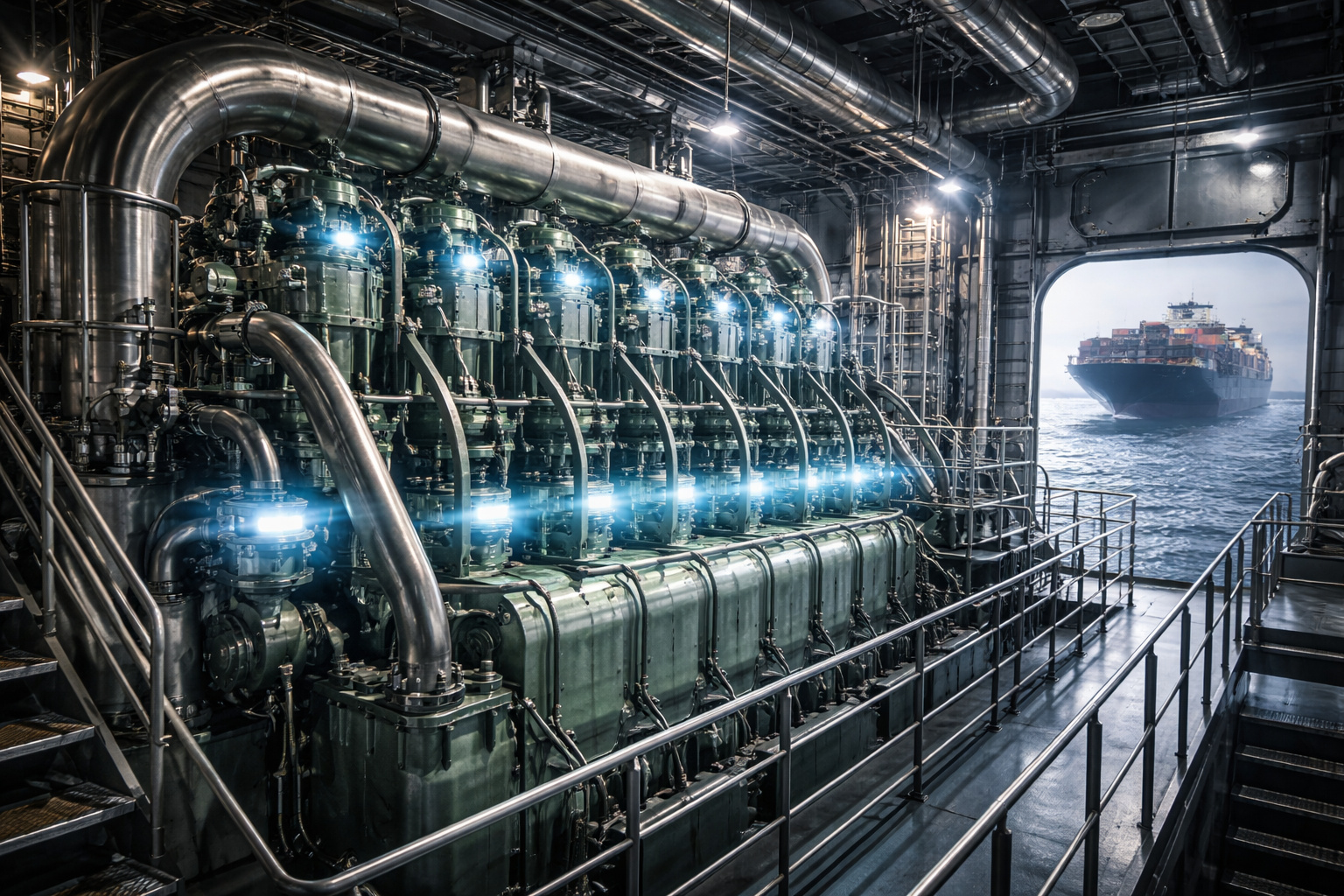
Europe is trying to create an ammonia-powered marine engine without auxiliary fuel, which could unlock the race for giant emission-free ships. The technology aims to eliminate one of the biggest obstacles to clean maritime propulsion.
-
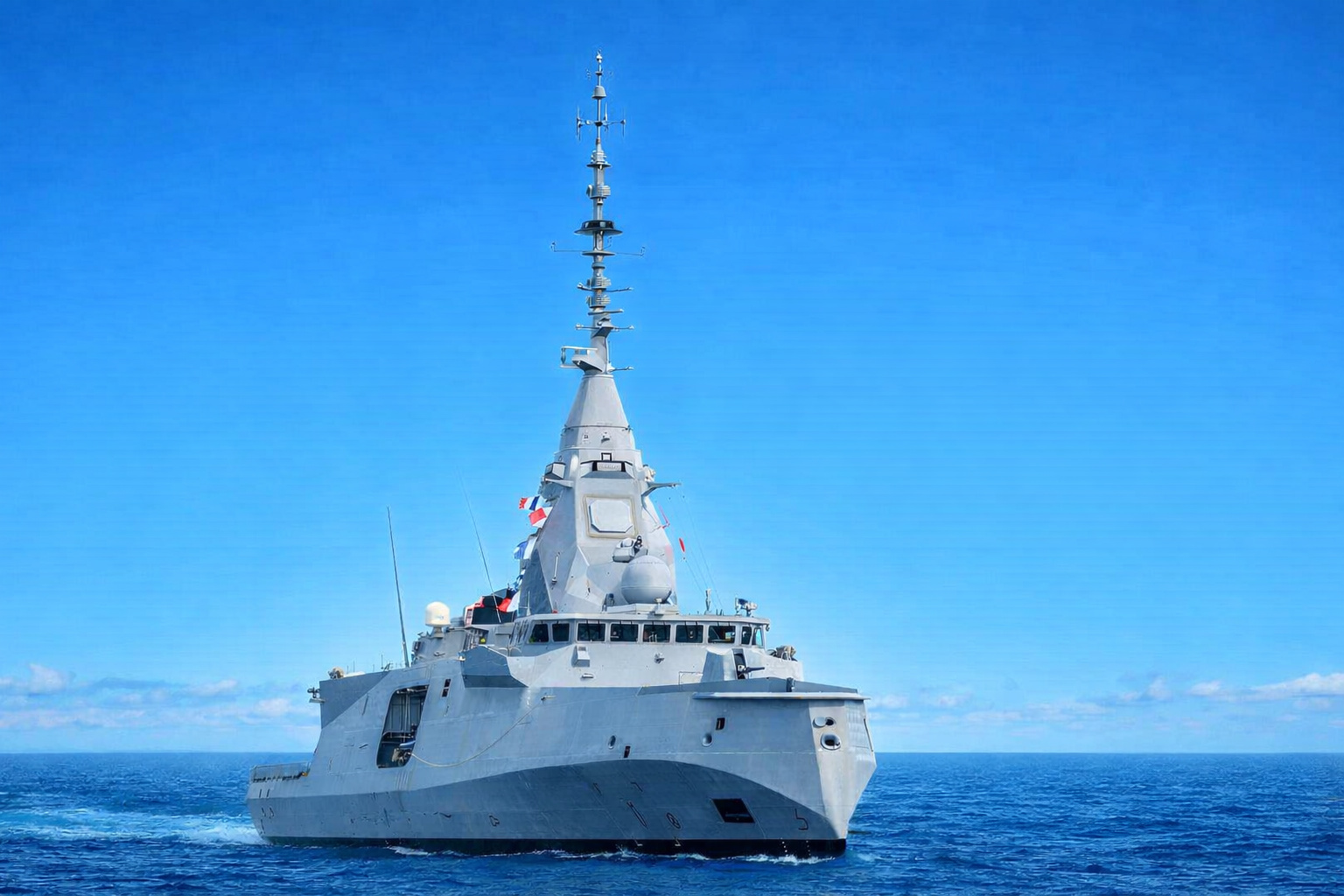
A 4,500-ton frigate with just over 100 crew members, state-of-the-art radar, and cruise missiles is being touted as the new standard of naval warfare in the 21st century.
-
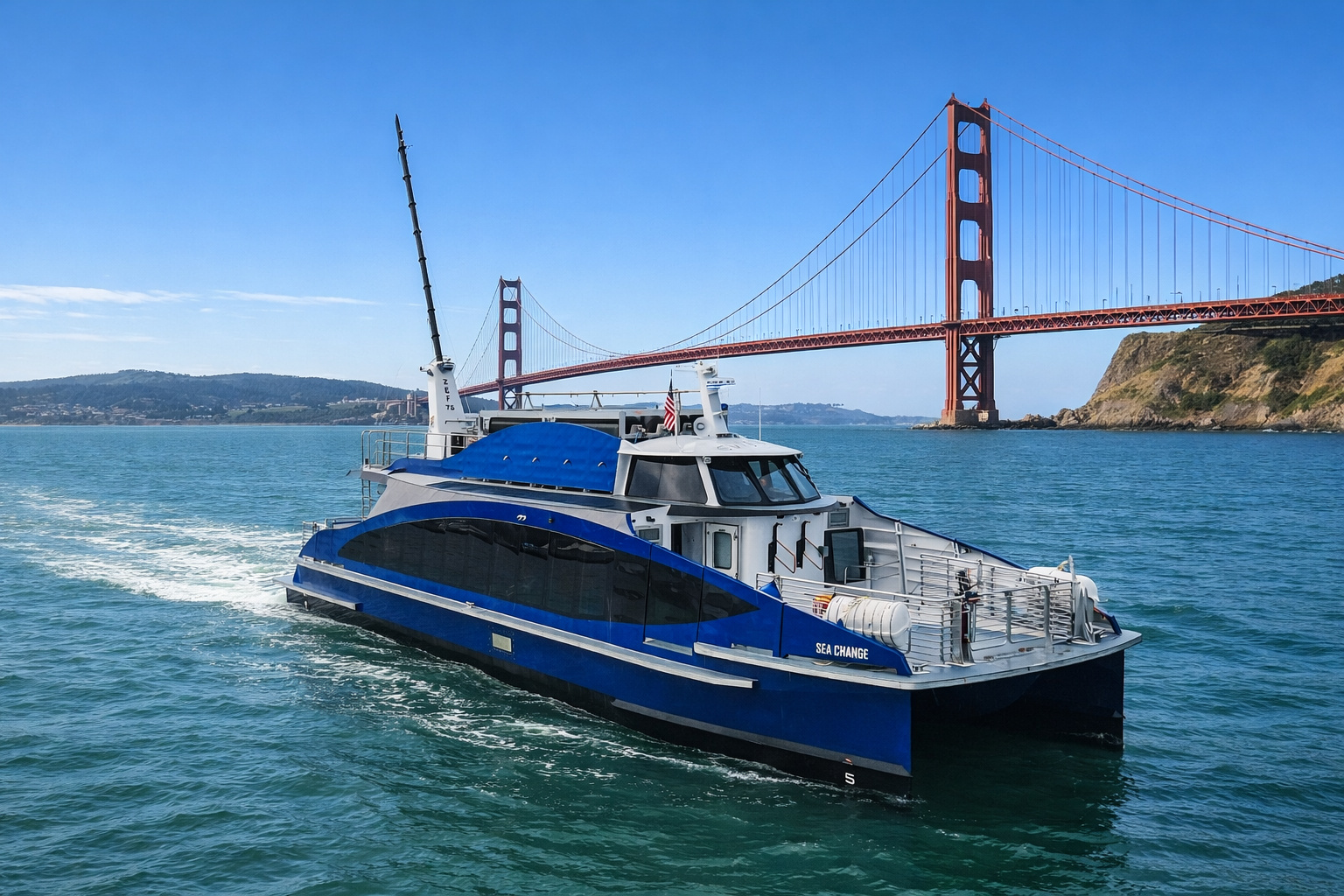
The first commercial hydrogen-powered ferry enters operation in the U.S., eliminates the use of diesel, uses fuel cells to generate clean energy on board, and transforms San Francisco Bay into a landmark of the new era of emission-free navigation.
-
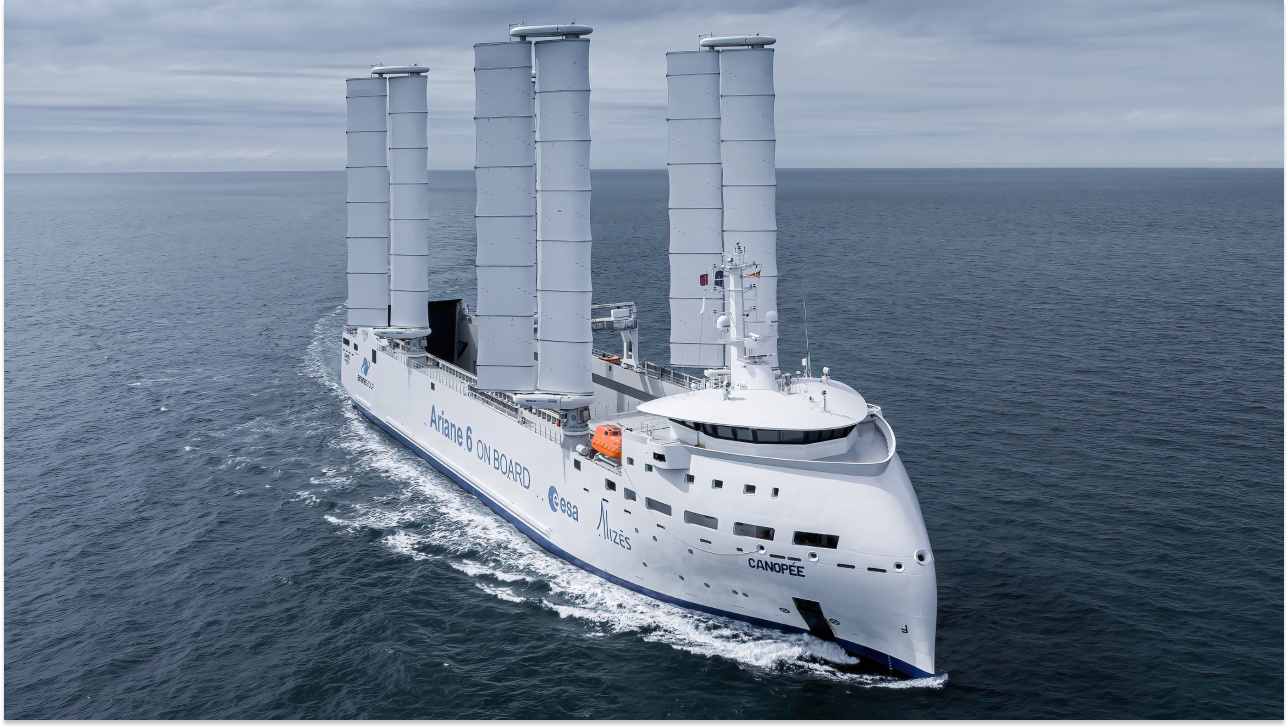
With a length of 121 meters and four rigid sails of 36 meters that automatically rotate to capture the wind, Canopée is the world’s first hybrid industrial cargo ship powered by wind, used to transport rockets and reduce fuel consumption by up to 30% on transoceanic routes.

Its name honors Laurindo Pitta, a Brazilian journalist and politician who advocated for the modernization of the Navy and naval infrastructure in the early 20th century. The vessel was designated for support services at the port of Rio de Janeiro and for small-scale logistical missions.


Participation in World War I
With Brazil’s entry into World War I in 1917, the Laurindo Pitta was mobilized to join the Naval Division in War Operations (DNOG), created to assist the Allies in operations in the South Atlantic and the west coast of Africa. The ship was one of seven that made up the Brazilian naval force sent to the war.
The tugboat played an essential role in support and logistics activities for the fleet. Even without heavy armaments, its function was strategic: supply, rescue, and patrolling in high-risk areas.
During the mission abroad, the Laurindo Pitta faced long ocean journeys, mechanical problems, disease outbreaks among the crew, and adverse weather conditions. Despite this, it returned to Brazil with its mission accomplished — and with marks of war on its steel hull.
Service in Other Historical Periods
After the end of the conflict, the Brazilian ship continued to serve the Navy. During World War II, it assisted in the defense operations of the port of Rio de Janeiro. Between the 1940s and 1980s, it operated as a general service tug, with functions in the Navy Arsenal and the Naval Base in Rio.
Even with the arrival of new models of tugboats, the Laurindo Pitta continued to be used due to its robustness and reliability. It was only in the 1990s that the vessel was officially retired from operational duties, paving the way for its preservation as a historical asset.
Transformation into a Museum Ship
In 1997, the Navy began the complete restoration process of the vessel. The goal was to transform it into a navigable museum ship, allowing public visits and educational tours. The works were completed in 1999, respecting the original configuration of the ship as much as possible.
Since then, the Laurindo Pitta has been part of the floating collection of the Directorate of Historical Heritage and Documentation of the Navy (DPHDM), based at the Cultural Space of the Navy in downtown Rio de Janeiro. The ship began to be used for historical routes through the Bay of Guanabara, presenting to the public points such as Fiscal Island, Fort São João, and the Naval School.
Maintenance and Preservation
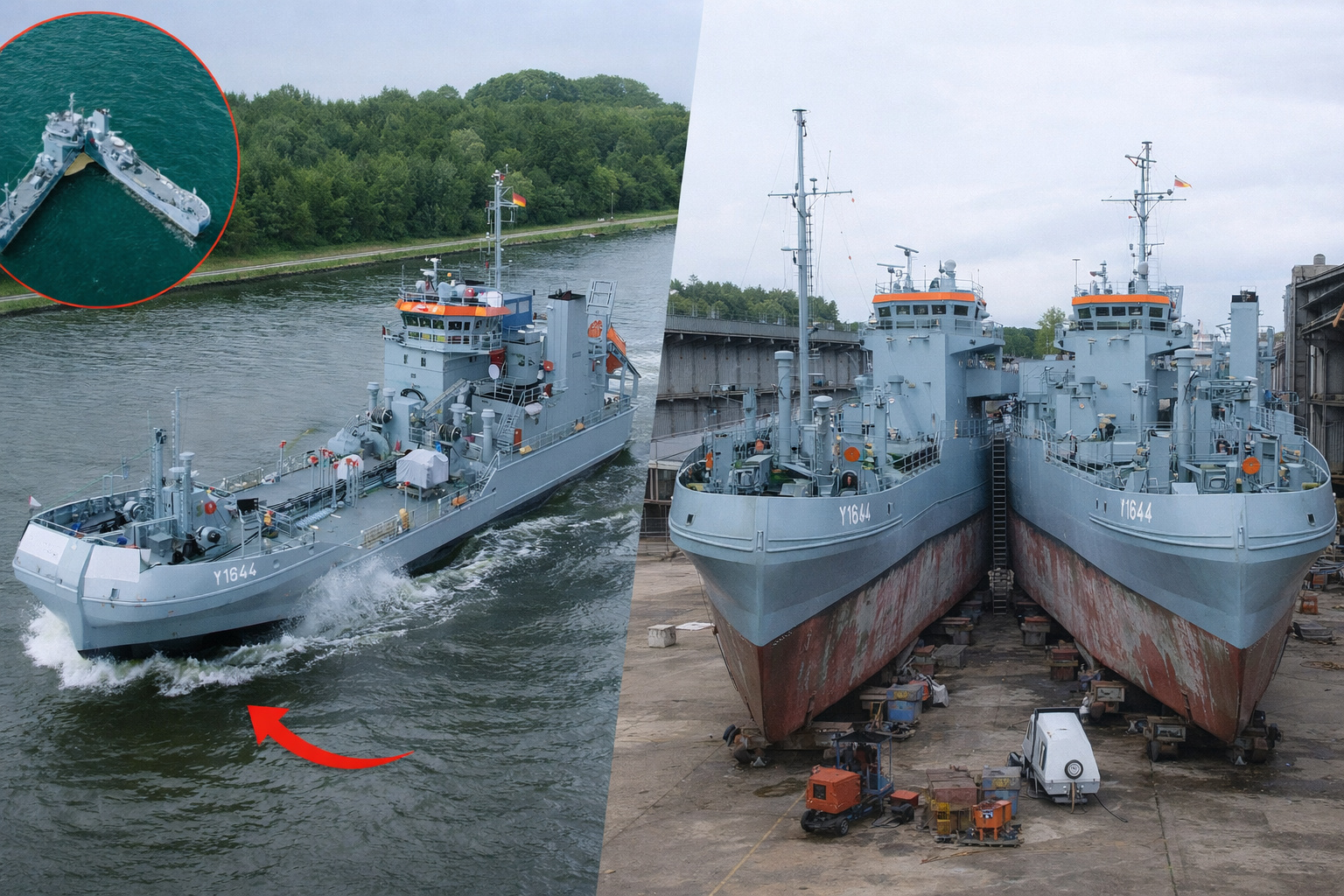
Even after more than a century since its construction, the Laurindo Pitta continues to sail thanks to constant conservation and maintenance actions. In 2025, the Navy began a new dry docking phase at the Navy Arsenal in Rio de Janeiro, after eight years without maintenance in dry dock.
The dry docking involved reviewing the propulsion systems, structural repairs to the hull, and updating safety equipment. The objective was to ensure the safety of operations and preserve the historical integrity of the vessel.
A Living Symbol of Brazilian Naval History
The Laurindo Pitta is currently the only surviving Brazilian ship from World War I that is still in operation. This makes it a unique piece of national and international maritime memory.
The vessel is more than a floating museum: it is a link between the past and present of the Brazilian Navy. It represents the historical effort of the country in international conflicts and also the importance of preserving cultural and technological assets related to national defense.
The tugboat is also used on commemorative dates, such as Victory Day, Navy Day, and school events, keeping alive the legacy of past generations for today’s Brazilians.









Seja o primeiro a reagir!