





 Portuguese
  English
  Spanish
  3 min of reading
  0 comments


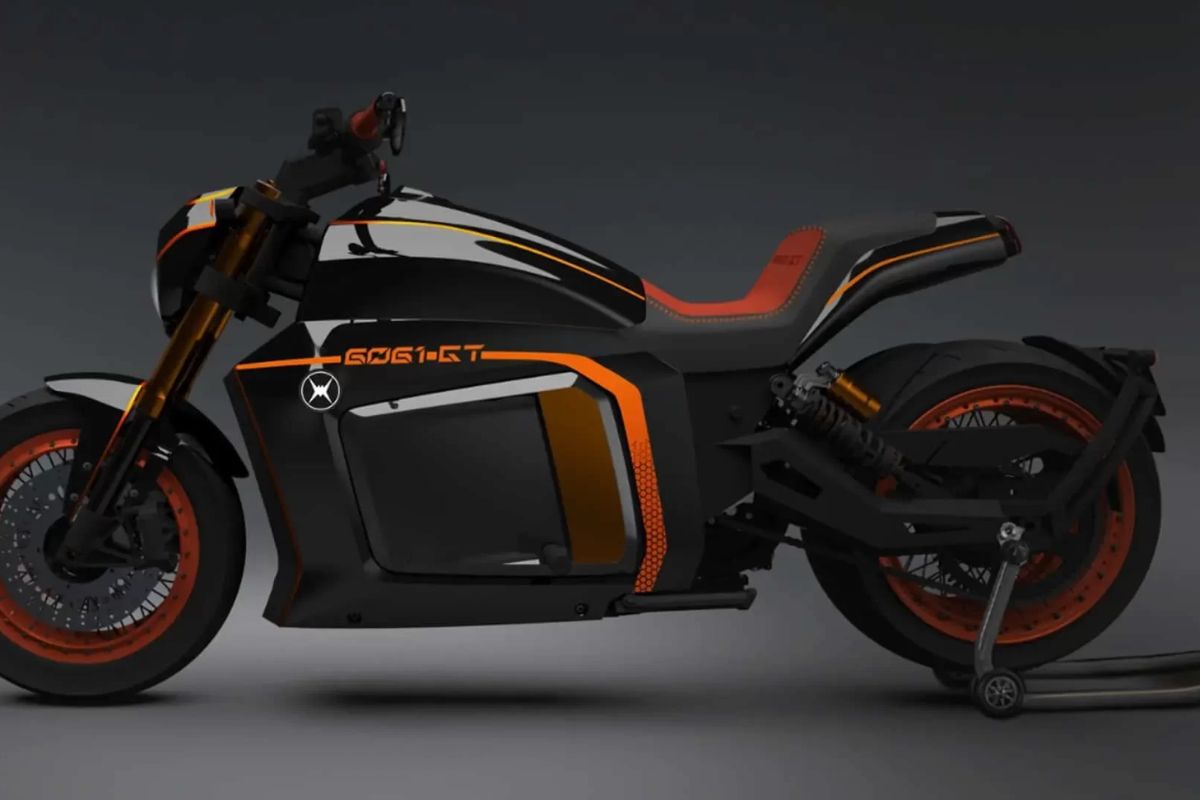
The Electric Motorcycle Industry Advances Rapidly, with Models Surpassing 500 Km of Urban Range. Now, the Ambitious Goal is to Reach 1000 Km, and Innovative Companies are Developing Revolutionary Batteries to Make This a Reality.
Range has always been one of the biggest challenges for the popularization of electric motorcycles. However, recent advances show that barriers are being broken, with models like the Verge TS Ultra and the Evoke 6061-GT already exceeding 500 km of urban range. Now, the industry aims even higher: 1000 km on a single charge.
The “range anxiety” has limited the mass adoption of electric motorcycles. However, models like the Evoke 6061-GT (660 km of claimed urban range) and the Verge TS Ultra (375 km urban) demonstrate significant progress, surpassing the 500 km mark in city conditions in some cases. The next frontier is to achieve 1000 km of range, a goal that would virtually eliminate this concern and position the electric motorcycle as a direct competitor to combustion models across the board. This crucially depends on revolutionary batteries.

Current Challenges for an Electric Motorcycle with 1000 Km of Range: What Prevents This Reality Today?
Achieving 1000 km of range on an electric motorcycle faces considerable obstacles. The energy density of current lithium-ion batteries (such as NMC, NCA, and LFP) has limitations, requiring large and heavy packs for greater range, which is problematic for the design and handling of motorcycles.
-
Italian researchers have detected what appears to be a second Sphinx buried under the sands of Egypt, and satellite scans reveal a gigantic underground megastructure hidden beneath the Giza Plateau for over 3,000 years.

-
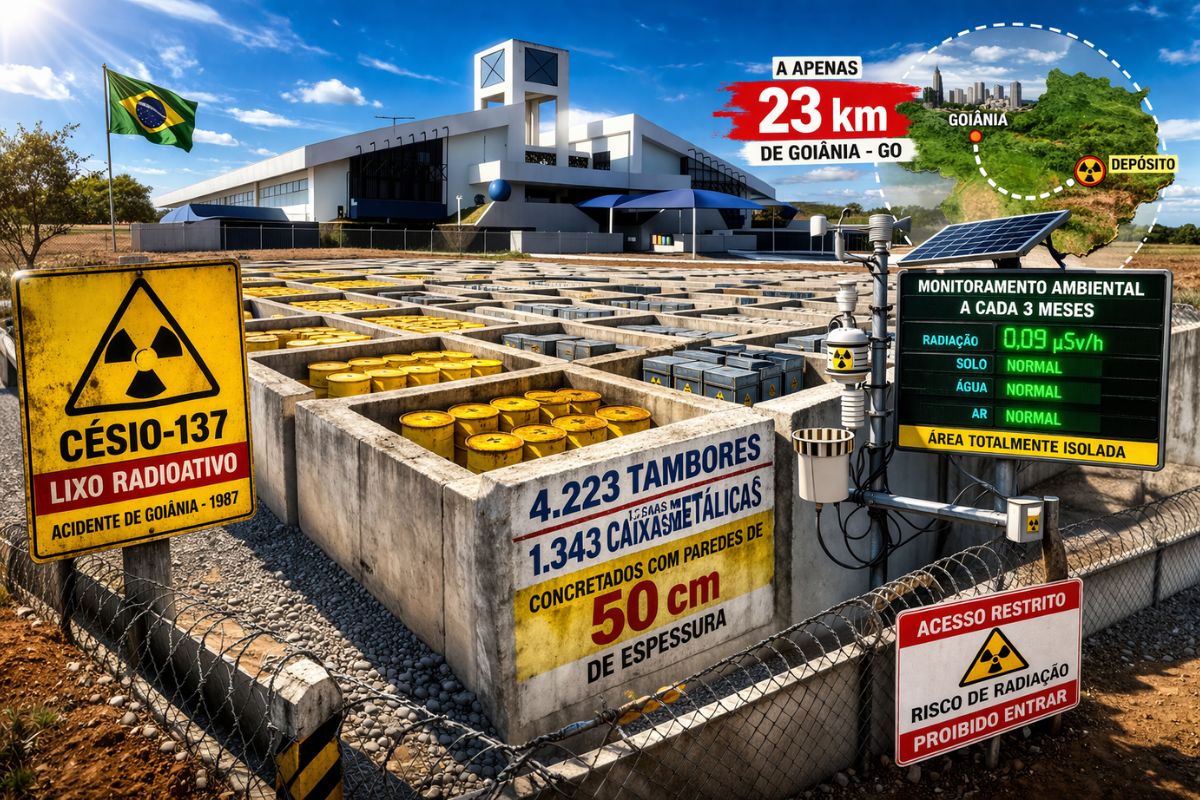
There are 4,223 drums and 1,343 metal boxes concreted with 50-centimeter walls that store the radioactive waste from Cesium-137 in the worst radiological accident in Brazil, just 23 kilometers from Goiânia, with environmental monitoring every three months.
-
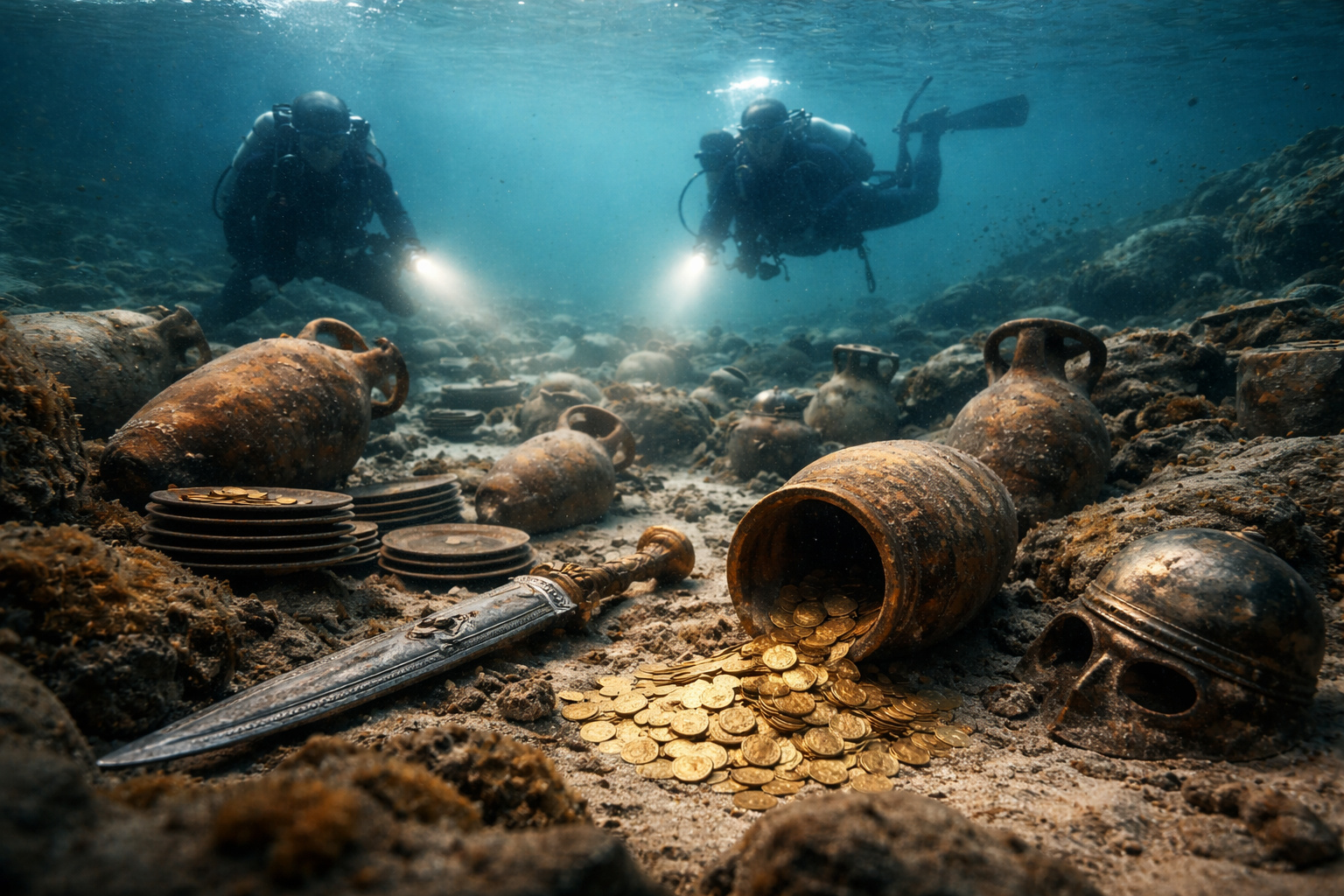
Giant Roman treasure found at the bottom of Lake Neuchâtel in Switzerland reveals an advanced trade system, circulation of goods, and armed escort in the Roman Empire about two thousand years ago.
-
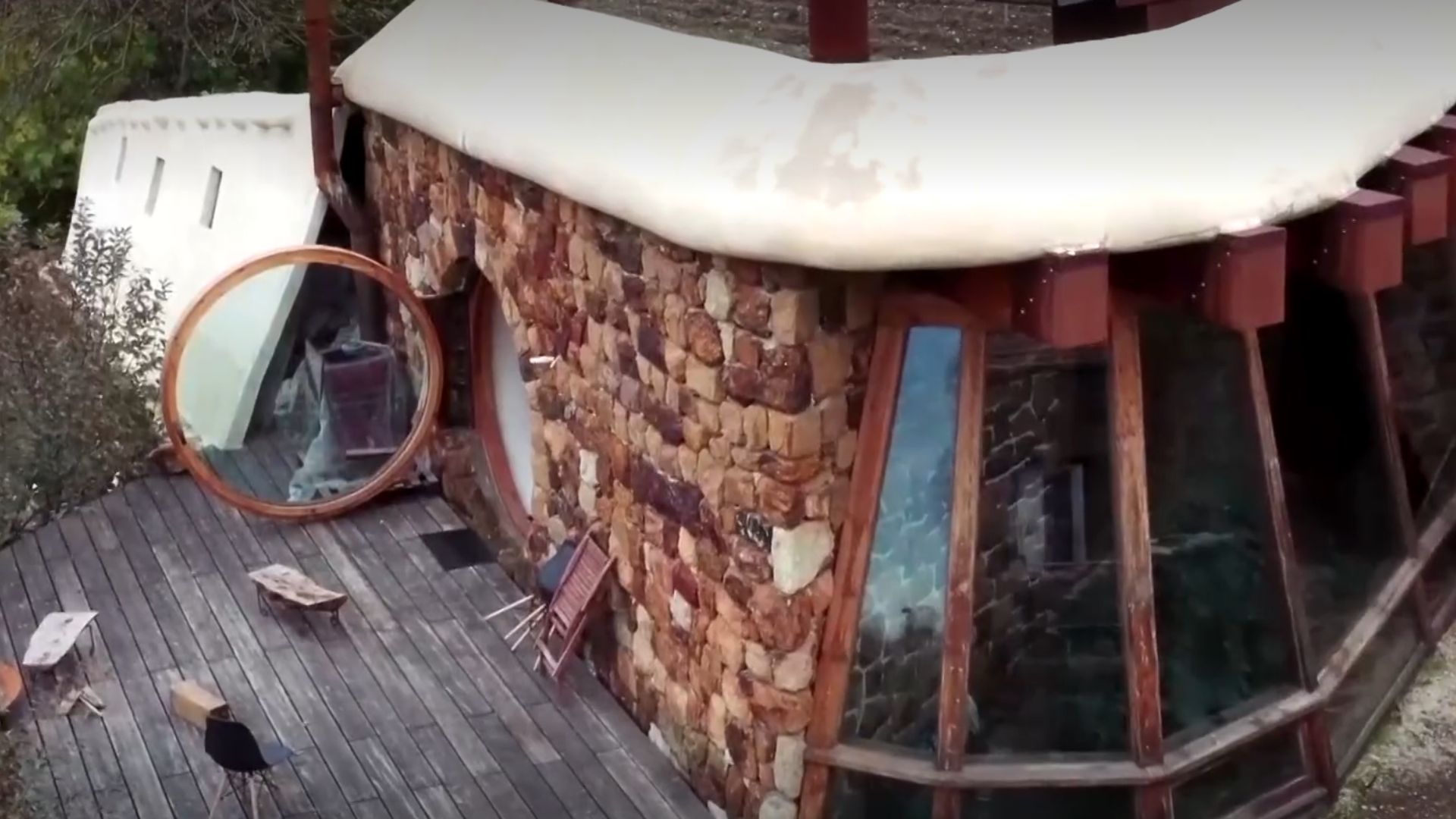
He buried 1,200 old tires in the walls to build his own self-sufficient house in the mountains with glass bottles, rainwater, and an integrated greenhouse.

The weight and packaging of these batteries are significant engineering challenges. Additionally, the high cost of advanced batteries, long charging times (even with fast charging), and maintaining energy efficiency at high cruising speeds are important barriers.
Batteries of the Future: Technologies That Promise to Revolutionize the Range of Electric Motorcycles and Who Develops Them
Various emerging battery technologies promise to overcome these challenges:
Solid-state batteries: Are seen as key, with potential for higher energy density (prototypes reaching 400-500 Wh/kg), more safety (no flammable liquid electrolyte), and faster charging. Companies like Honda, Samsung, and Toyota are actively researching, with limited production goals set for 2027-2030.
Graphene-enhanced batteries: Promise potential for 1000 km of range, very fast charging, and weight reduction, but face high production costs. Ducati is already conducting tests with this technology.
Other chemistries: Lithium-sulfur batteries (potentially high energy density, but with lifecycle challenges) and sodium-ion batteries (low cost with abundant materials, but currently lower energy density) are also under development.
Who is Effectively Working on the Next Generation of Batteries?
The quest for a 1000 km electric motorcycle is a multi-actor R&D effort. Vehicle manufacturers like Honda and Ducati are actively exploring new battery chemistries (solid-state and graphene, respectively). Battery technology giants like Samsung and Toyota (although initially focused on cars, the technology is transferable) are also crucial to this advancement. Companies specializing in EVs, such as Verge Motorcycles (with its Starmatter platform and hubless motor) and Evoke Motorcycles (with its Gen 2 ultrafast charging batteries), are also contributing by optimizing current battery systems and preparing to incorporate future technologies.
Beyond the Battery
Achieving 1000 km of range on an electric motorcycle does not depend solely on the battery. The efficiency of the powertrain, including electric motors and inverters, is crucial. The innovative hubless motor design from Verge, for example, aims for direct power transfer.
Advancements in aerodynamics specific to motorcycles and the extensive use of lightweight materials, such as carbon fiber, are essential to reduce drag and overall weight. More efficient regenerative braking systems and the use of Artificial Intelligence (AI) in intelligent battery management (BMS) will also play critical roles.
When Will We See a 1000 Km Electric Motorcycle on Brazilian and Global Roads?
The 1000 km goal is ambitious. Experts indicate that solid-state batteries, crucial for such range, may start to be produced in limited mass around 2027-2030, initially in premium vehicles. The commercial viability of a 1000 km electric motorcycle with good handling and a reasonable price is a multi-year endeavor.
The challenge is greater for motorcycles due to limited battery space. Therefore, a 1000 km electric motorcycle for the general consumer will likely emerge closer to 2030 or later. This goal, even if aspirational for many, drives innovations that will benefit all electric models.









Seja o primeiro a reagir!