





 Portuguese
  English
  Spanish
  3 min of reading
  61 comments


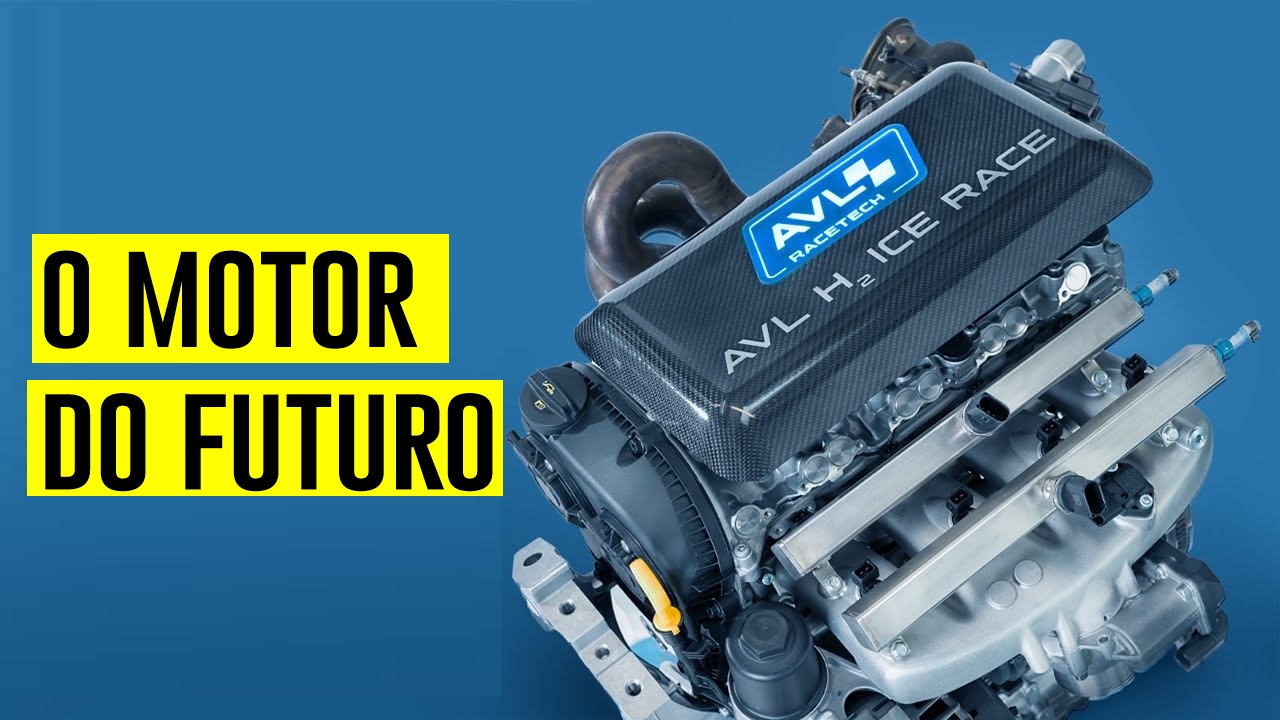

Experts Highlight The First Water-Powered Engine In Operation As A Milestone In The Transition To Sustainable Technologies
The future of a world with zero emissions is getting closer, thanks to the innovative efforts of AVL RACETECH. The motorsport division of AVL, an Austrian company specializing in mobility technology, is leading a significant transformation in the automotive sector with the development of the H₂-ICE, a hydrogen-powered internal combustion engine.
This advancement not only demonstrates the viability of hydrogen as fuel but also redefines the concept of sustainable high performance in motorsport.
-
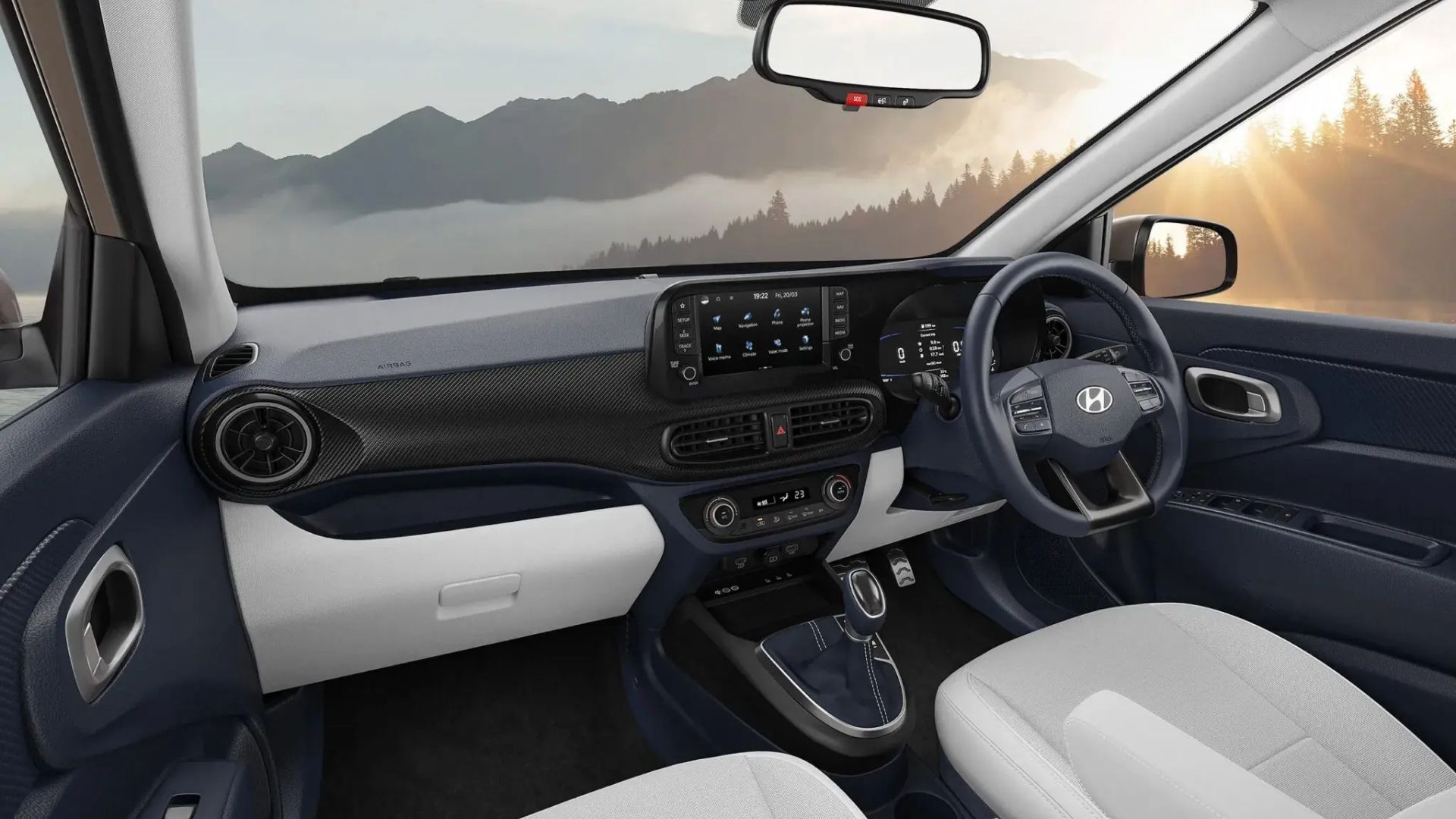
For R$ 32,000, a brand new Hyundai car is a rival to the Kwid with a 1.2 engine producing 82 hp, 6 airbags as standard, multimedia with wireless Android Auto, up to 391 liters in the trunk, and a refreshed look for 2026 in India.
-
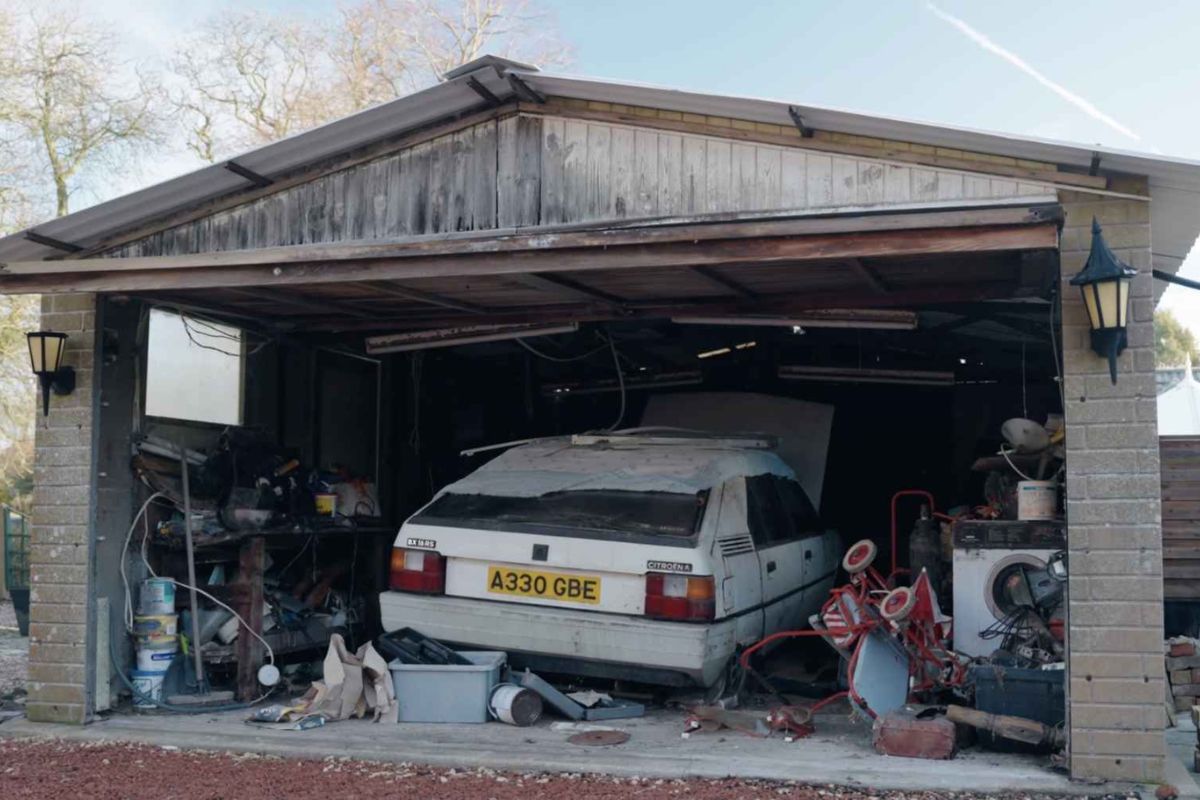
He bought a new car in 1983, locked it in the barn in 1988, and no one opened the door for 38 years until the family discovered what was stored inside and realized it looked like something out of a movie.
-
A 250cc motorcycle that can reach 560 km with a 14-liter tank, features disc brakes on both wheels and is among the most well-known in Brazil.
-
Man finds over 200 rare cars abandoned on a lot and tries to do the impossible in 8 hours with a surprise at the end.

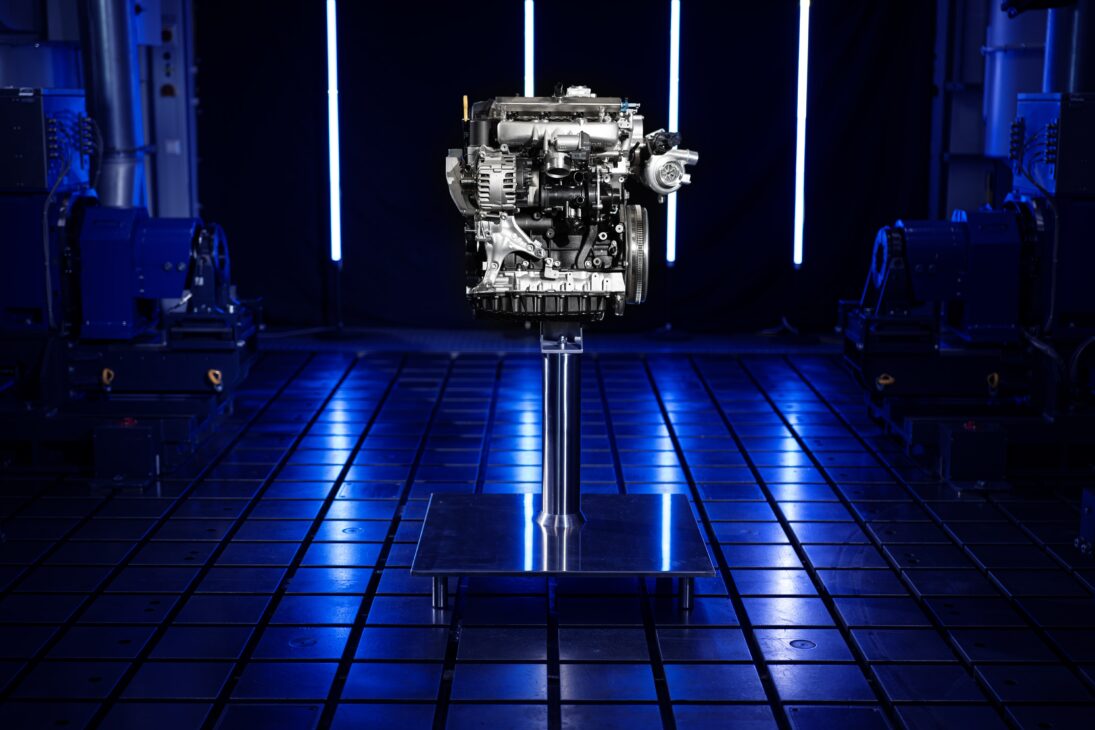
H₂-ICE: High Performance With Sustainability
In partnership with HUMDA Lab in Hungary, AVL RACETECH addressed the skepticism surrounding hydrogen engines, often criticized for their limited performance.

The result was the creation of a two-liter prototype engine, capable of achieving 500 Nm of torque between 3,000 and 4,000 rpm and a maximum power of 410 hp (301.7 kW) at 6,500 rpm. These figures are comparable to traditional engines but with the advantage of operating without carbon emissions.
The key to this success is the stoichiometric combustion of the H₂-ICE, which maintains an air-fuel ratio (lambda) of 1. This eliminates the need for lean combustion, typically associated with hydrogen engines.
Combined with an optimized wastegate turbocharger, the engine meets the high air demands necessary to achieve its impressive performance.
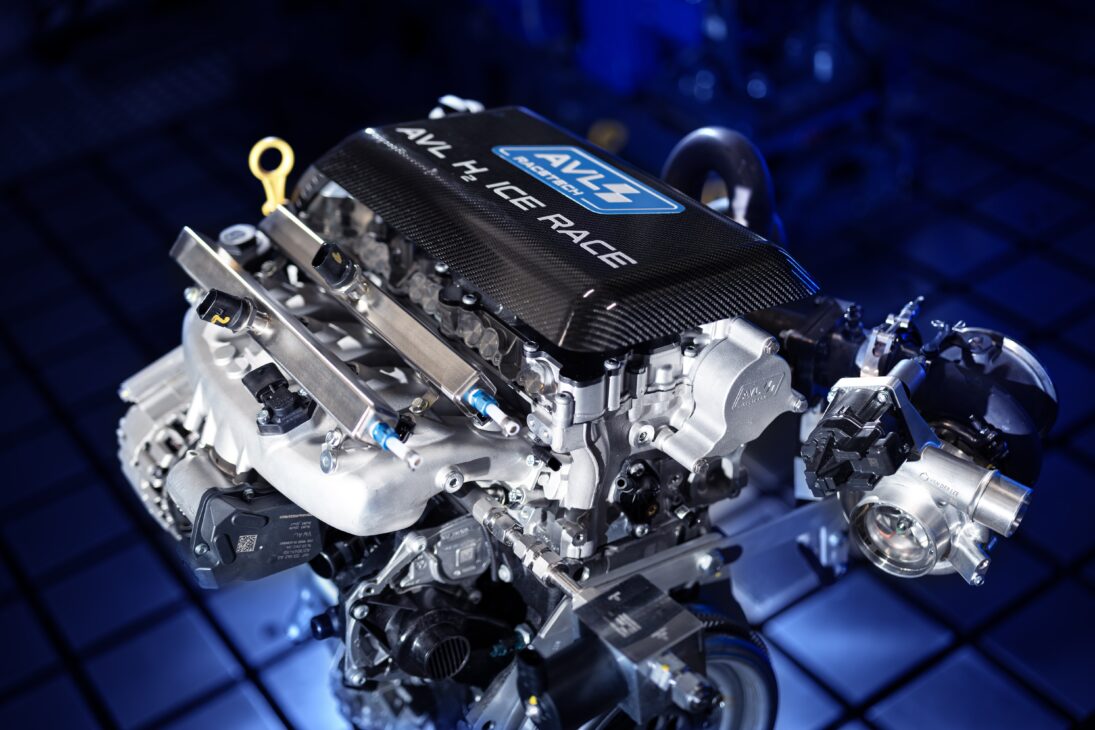
Cutting-Edge Technology With Intelligent Injection System
The H₂-ICE prototype incorporates an advanced port fuel injection (PFI) system, which adds water to the intake air.
This technique cools the combustion chamber, reducing the risk of premature ignition, a common issue that can severely damage the engine. Additionally, the evaporation of water increases boost pressure, providing greater efficiency and reliability to the system.
These innovations have allowed AVL RACETECH to not only overcome the technical challenges of a hydrogen-powered internal combustion engine but also to demonstrate that it can directly compete with traditional propulsion technologies in terms of performance.
Engine Test Results
The H₂-ICE was subjected to rigorous testing at AVL’s headquarters in Graz, Austria. The engine was evaluated on a test bench specially adapted for hydrogen use, where it achieved all projected goals. Paul Kapus, the project leader, highlighted the technical complexity of the challenge:
“Achieving performance values at motorsport level with a hydrogen internal combustion engine is an incredibly complex technical challenge. We are proud to have validated these figures on the test bench.”
The prototype achieved a power output of 410 hp, confirming its potential to revolutionize sustainable motorsport.
The Impact On The Automotive Sector And Beyond
The success of the H₂-ICE opens the door to a future where hydrogen can replace fossil fuels in various applications. Ellen Lohr, Director of Motorsport at AVL RACETECH, emphasized the importance of this advancement for the sector:
“The goal of AVL RACETECH is to lead motorsport into a sustainable future. With the development of the first racing engine developed under our own name — a high-performance H₂-ICE — we have taken another step towards achieving this vision.”
This technology not only places AVL RACETECH at the forefront of innovation in motorsport but also serves as an example for other industrial sectors, such as automotive and aerospace. The adoption of hydrogen as an energy source can bring significant environmental benefits by reducing global carbon emissions.
Prospects For A Sustainable Future
Although still in prototype phase, the H₂-ICE already demonstrates enormous potential to transform sustainable mobility. By combining high performance with zero emissions, the hydrogen engine represents a crucial step in the transition to cleaner technologies. With ongoing investments in research and development, it is likely that hydrogen will become an essential driving force for the automotive industry and beyond.
The success of the H₂-ICE shows that a greener and more sustainable future is within our reach. AVL RACETECH’s leadership in this field not only redefines motorsport but also inspires other industries to follow suit, paving the way for a world with zero emissions.



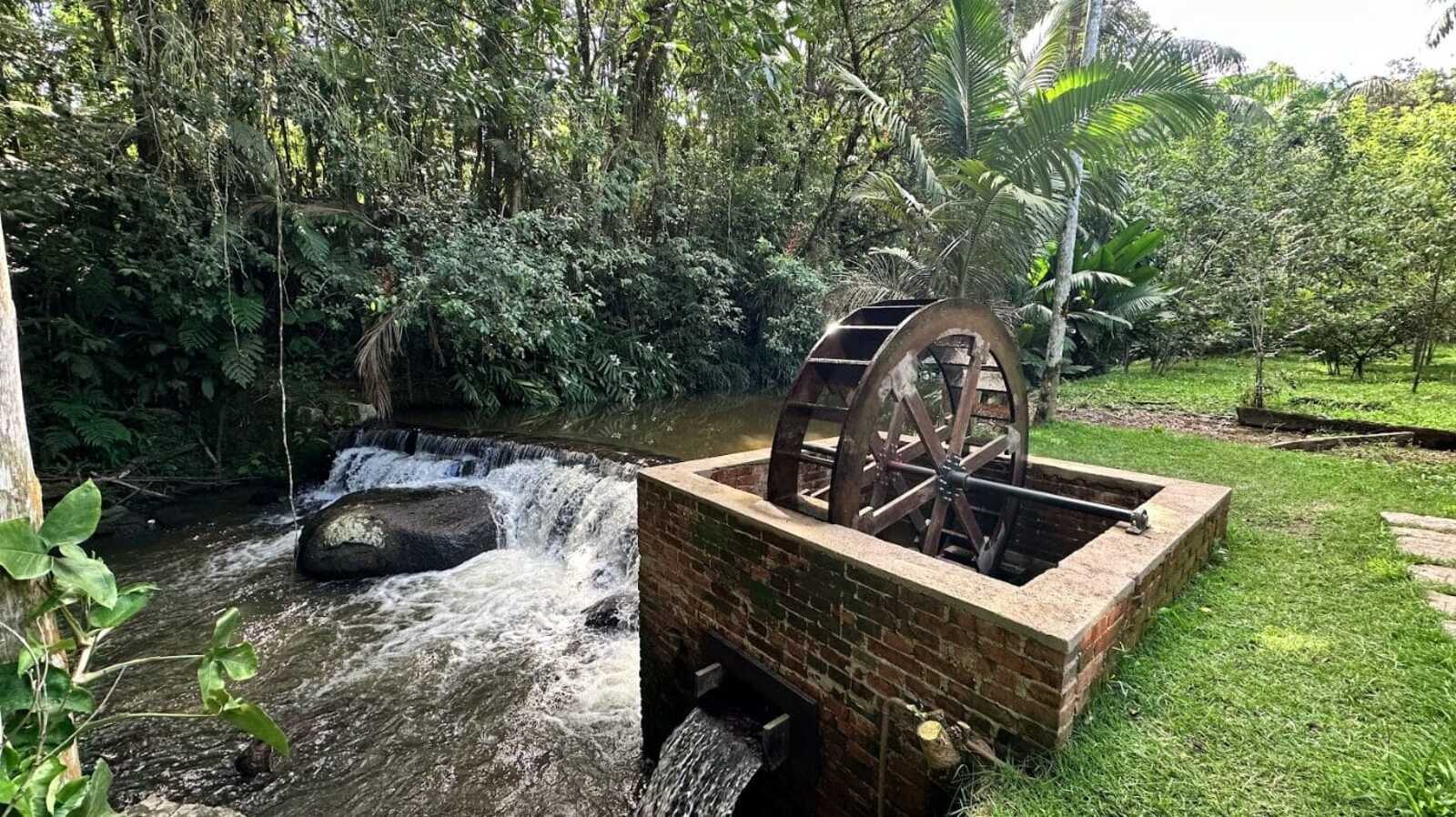






O primeiro motor a hidrogênio foi criado por François Isaac de Rivaz, um inventor suíço, em 1807. Ele desenvolveu um motor de combustão interna que usava uma mistura de hidrogênio e oxigênio como combustível. Esse motor foi instalado em um veículo rudimentar, o que o torna um dos primeiros experimentos na área de veículos movidos por hidrogênio.
Apesar de pioneiro, o motor de Rivaz não era prático e teve pouco impacto na tecnologia automotiva da época. Foi somente no século XX que o interesse por motores a hidrogênio ressurgiu, com avanços significativos em células de combustível e tecnologias de armazenamento de hidrogênio.
O MUNDO AUTOMOBILÍSTICO DEVE AGRADECER AO MARANHENSE PELA DESCOBERTA BRILHANTE 🌞 🌞 🌞 🌞
O problema é produzir hidrogênio o gasto é muito alto, demanda muita energia.