





 Portuguese
  English
  Spanish
  4 min of reading
  3 comments


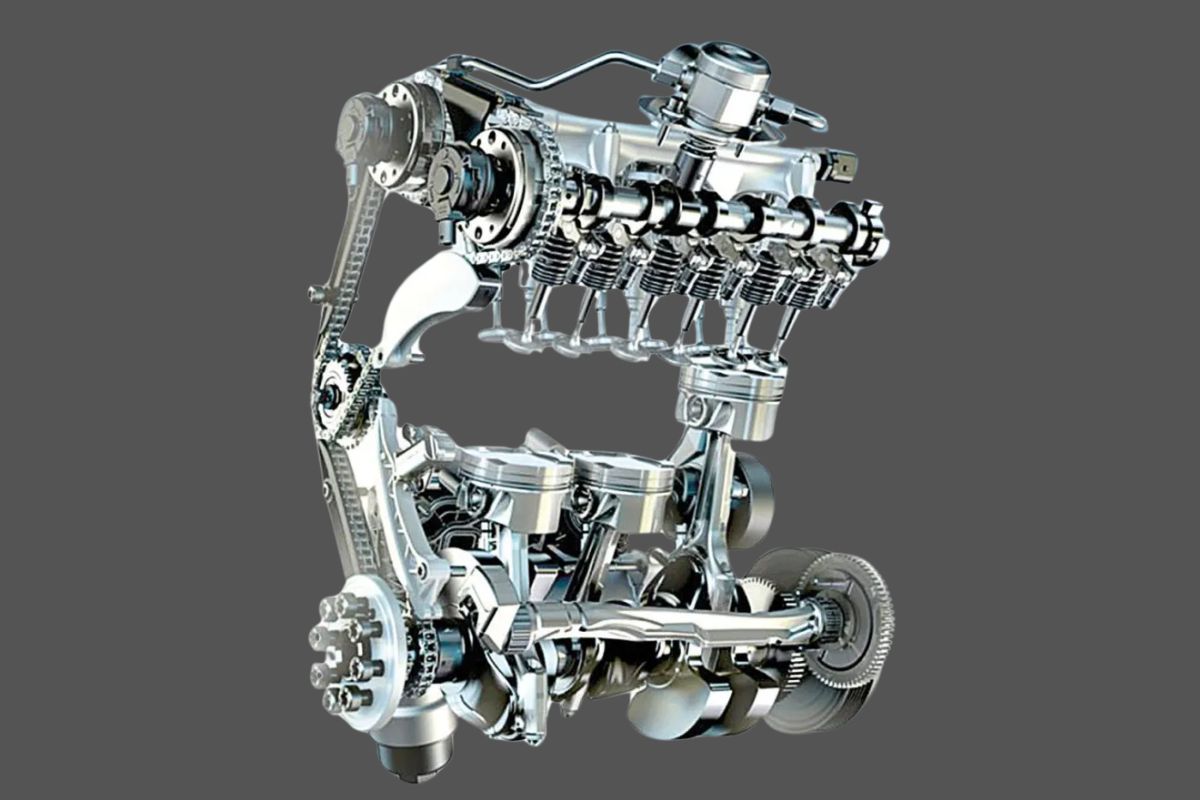


A Technical Analysis of the Vibration of the 3-Cylinder Engines Dominating the Brazilian Market. Know What Is True and What Is Myth Before Choosing Your 1.0 Car.
The 3-cylinder engines have conquered Brazil, driven by the quest for energy efficiency. They equip many of the best-selling 1.0 cars. But a common doubt persists among consumers: do these engines really vibrate a lot?
This article deeply investigates this controversial issue. We will analyze the physics behind the vibration, the engineering solutions adopted by manufacturers, and the behavior of the main models in the market to separate myths from truths.
The Origin of Vibration: Why Do 3-Cylinder Engines Tend to Shake?
The tendency to vibrate in 3-cylinder engines is a direct consequence of their configuration. In a three-cylinder engine, the explosions occur every 240 degrees of crankshaft rotation. Since combustion lasts 180 degrees, there is a 60-degree phase where no piston delivers power actively. This intermittency is a primary cause of vibration.
-
Spain surprises the world by erecting 62 artificial dunes, mixing sand with natural remains of posidonia, and causing the structure to lose only 1.4% of its volume in 1 year.

-
With 16 Bulava missiles, improvements in acoustic stealth, and a design focused on silent patrols, Russia’s nuclear submarine was born to ensure Moscow’s invisible retaliation and has become one of the pillars of its maritime strength.

-
‘Populous’ city in Rio among the worst in Brazil in national ranking and exposes silent development crisis.

-
Couple buys house in the South Zone of São Paulo, opens a hidden door in the garage, and finds a secret wine cellar with dozens of old wines forgotten since the 1970s.


Moreover, the “poor mass distribution” in a three-cylinder arrangement makes it difficult to balance the natural inertia forces. Unlike four-cylinder engines, where pistons move in pairs helping to cancel forces, in three-cylinder engines this counterbalancing does not occur in the same way. This results in first-order imbalances that can make the engine oscillate. The central question is not whether they vibrate, but the intensity of the vibration and how well this vibration is managed.
Engineering Against the “Trimilique”
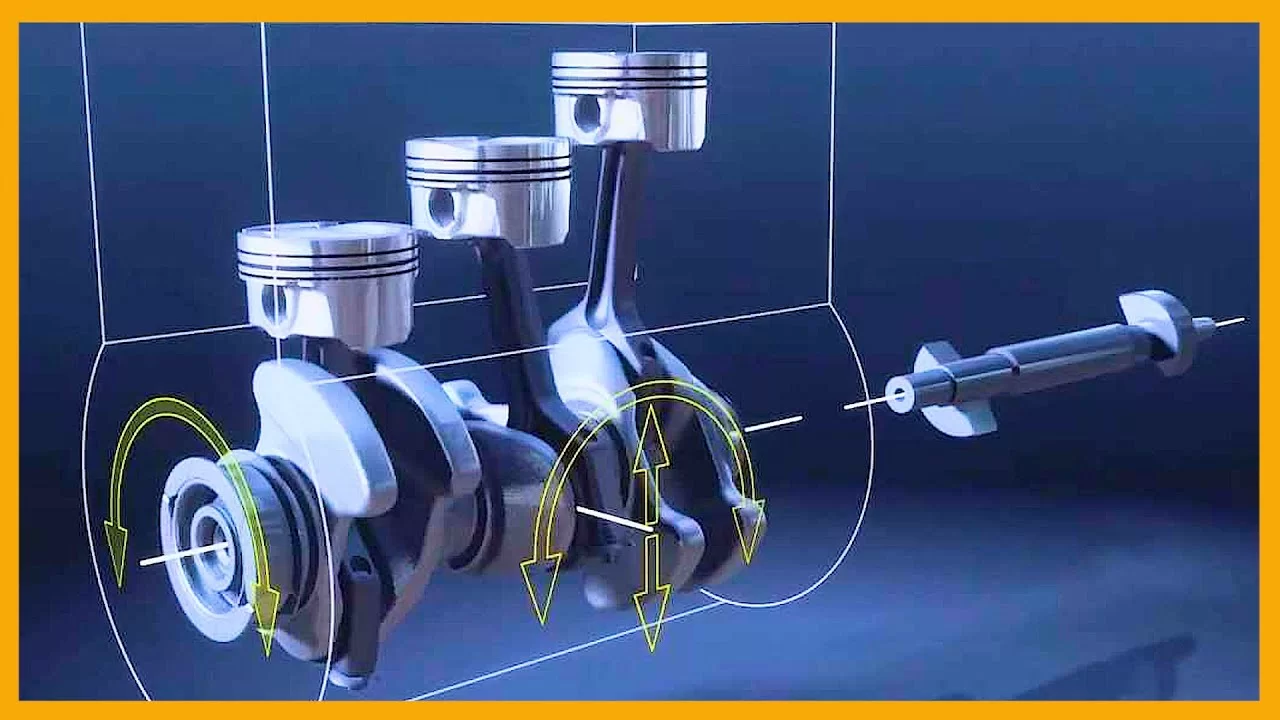
To combat vibrations in 3-cylinder engines, automotive engineering employs various solutions. One of the most effective is balance shafts, which generate opposing forces to negate engine vibrations. The engine and transmission mounts are also crucial. They can be rubber, hydraulic (with internal fluid), or active (electronically controlled) to isolate vibration from the chassis.
The dual-mass flywheel (DMF) is another important component, especially in engines with higher torsional irregularity like the three-cylinder ones. It absorbs torque fluctuations. The optimized design of internal components, such as crankshaft counterweights and the use of “offset crank,” also contributes. Additionally, the precise calibration of the ECU (engine control unit) can smooth torque delivery, reducing the perception of harshness.
X-Ray of the Populars: The Behavior of the Main 3-Cylinder Engines in Brazil
Analyzing the 3-cylinder engines most sold in Brazil, the vibration experience varies:
Chevrolet Onix (1.0 Naturally Aspirated and Turbo): The turbo version is praised for hardly vibrating at idle. However, the well-known chronic problem of the oil-bathed timing belt in these engines can overshadow its NVH (Noise, Vibration, and Harshness) qualities.
Hyundai HB20 (1.0 Kappa Naturally Aspirated and T-GDI): Despite incorporating technologies like the “offset crank,” there are complaints from owners about high noise levels (a characteristic “tec-tec”) and vibration, especially in the 1.0 Turbo version.
Volkswagen Polo (1.0 MPI and TSI EA211): The 1.0 TSI engine, even without a balance shaft according to some sources, generally has well-rated NVH. The most frequent complaints about the Polo tend to be related to interior finish noises and suspension.
Firefly Engines (Fiat Argo, Peugeot 208, Citroën C3): The 1.0 Firefly engine is often praised for its smoothness at idle. However, there are reports about the durability of the engine mounts, which, if they fail, can significantly increase the perceived vibration over time, as observed in the Citroën C3 in long-term testing.
Renault Kwid (1.0 SCe): This model appears to concentrate the most consistent complaints about noticeable vibration in the pedals and mechanical assembly, along with issues related to premature wear of engine and transmission mounts, and excessive noise.
Myths and Truths About Vibration
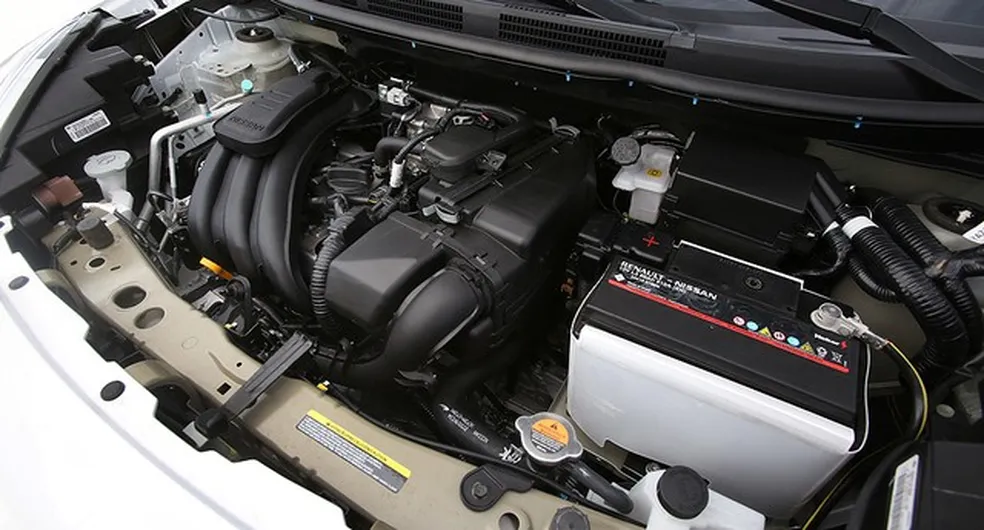
Myth 1: “Every 3-cylinder engine vibrates too much and is uncomfortable.” This is a generalization. The perception of vibration varies greatly. Engines like the Firefly and the 1.0 Turbo of the Onix show that it is possible to have smoothness.
Truth 1: “3-cylinder engines have a greater natural tendency to vibrate.” Yes, this is a physical characteristic of their design due to the odd number of cylinders.
Myth 2: “Vibration is always a sign of defect.” A characteristic vibration can be normal in some models, especially at idle. A change in pattern or a sudden increase in vibration can indicate a problem.
Truth 2: “Durability of anti-vibration solutions (mounts) is crucial in the long term.” Proven by cases of premature mount wear, which lead to an increase in vibration and noise over time with vehicle use.
Choosing a Car with a 3-Cylinder Engine
Vibration is a physical characteristic of 3-cylinder engines, but the perceived intensity in the car depends on each manufacturer’s engineering. Claiming that all vibrate excessively is a myth. Modern engineering has effective solutions, but the quality and durability of these solutions vary.
When considering a car with a 3-cylinder engine, perform a thorough test drive. Evaluate the vehicle at different RPMs and types of pavement. Research owner opinions and long-term tests for the specific model and year. For used cars, a detailed maintenance history is vital, with special attention to the mounts. Weigh whether the NVH level is an acceptable trade-off for the consumption benefits or price. Remember that preventive maintenance, including the use of the correct oil, is essential to control vibration over time.








Diferentemente do que foi dito, esse motores NÃO conquistaram o Brasil. Estamos sendo OBRIGADOS a conviver com essas ****, que trazem.lucros obscenos às montadoras.
Informações muito relevantes, obrigado.
Para o motor parar de vibrar tem que inclinar mun determinado grau,como os da motos