





 Portuguese
  English
  Spanish
  3 min of reading
  53 comments


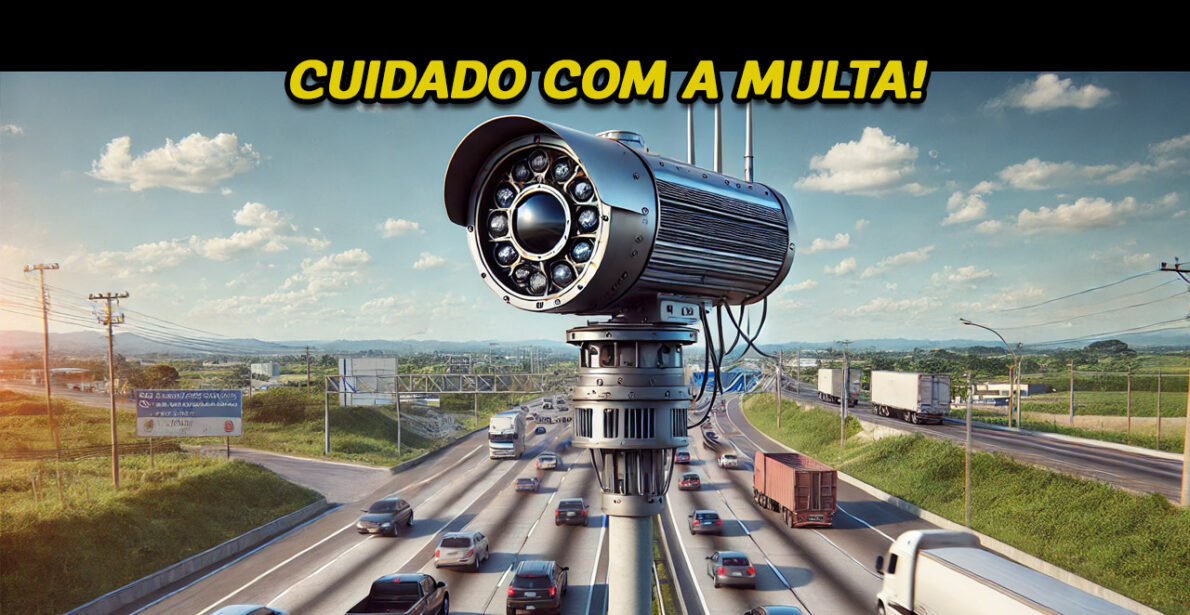


Technology Is Transforming Traffic in Brazil. With the ability to identify various infractions from long distances, the devices are already operating in 24 states, promoting greater safety on the roads. Innovation demands greater responsibility from drivers and promises to revolutionize enforcement.
You might think you know everything about traffic radars, but a new generation of devices promises to change the game and forever alter the way infractions are enforced in Brazil.
What was once just a tool to measure speed has transformed into a powerful ally for traffic authorities, capable of identifying infractions that previously went unnoticed.
What is so innovative about this technology? How will it impact drivers’ lives? Keep reading to find out.
-
Brazil produces too much clean energy and doesn’t know what to do with it: over 20% of solar and wind capacity was wasted in 2025 while investors flee and 509 renewable generation projects were abandoned in the last year.

-
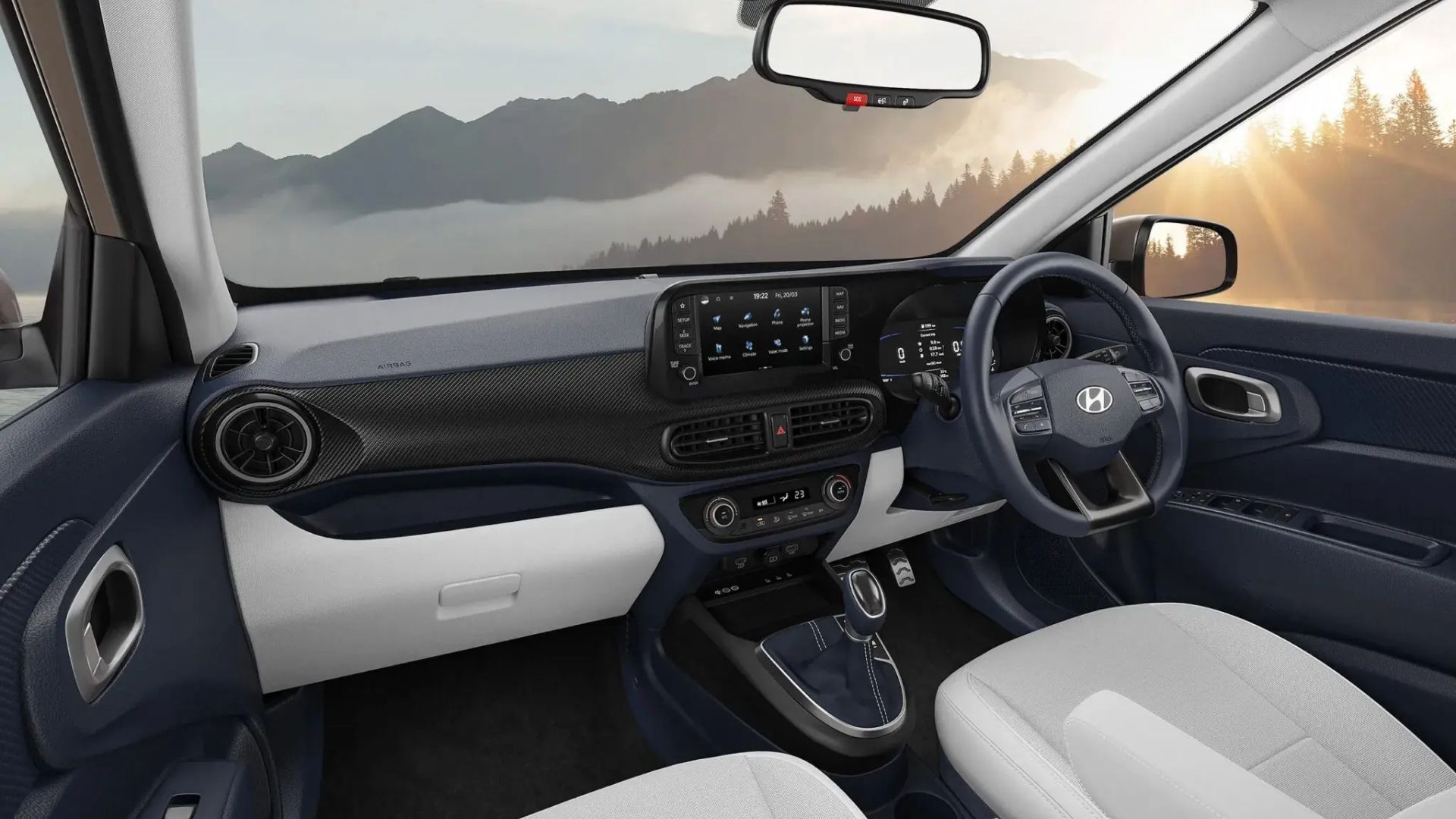
For R$ 32,000, a brand new Hyundai car is a rival to the Kwid with a 1.2 engine producing 82 hp, 6 airbags as standard, multimedia with wireless Android Auto, up to 391 liters in the trunk, and a refreshed look for 2026 in India.
-
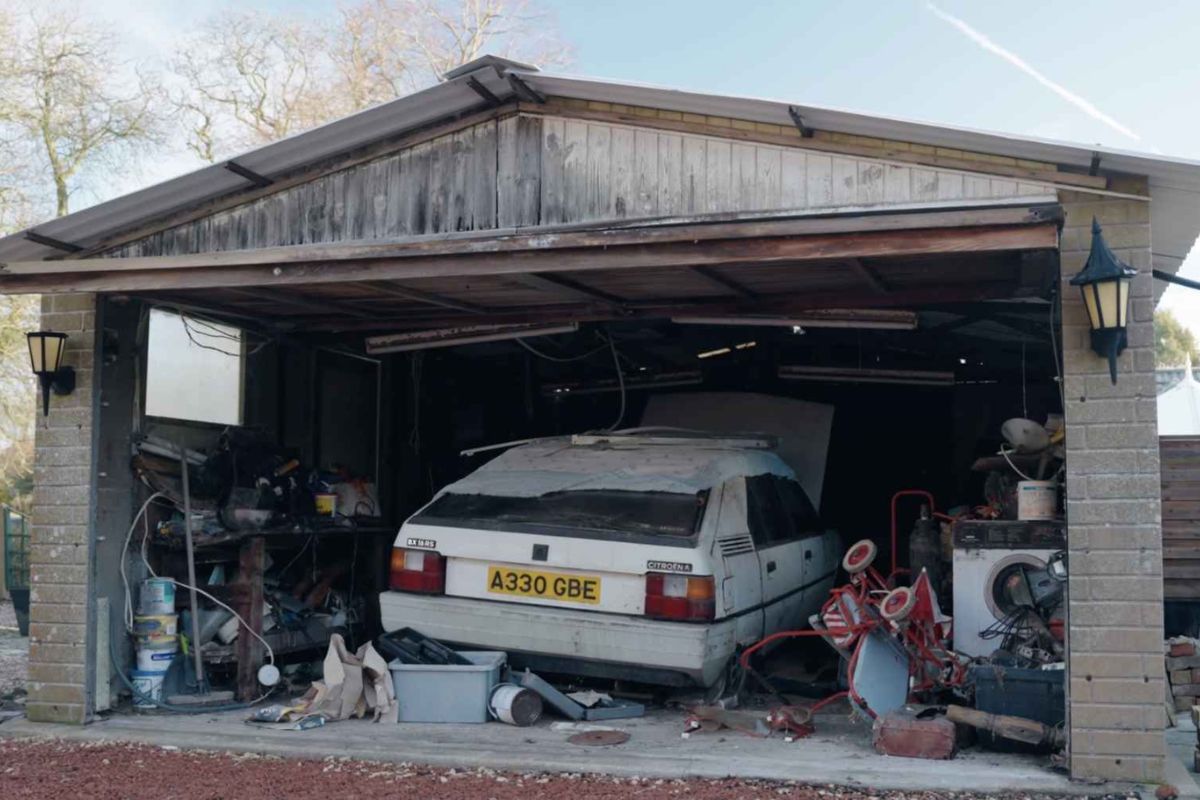
He bought a new car in 1983, locked it in the barn in 1988, and no one opened the door for 38 years until the family discovered what was stored inside and realized it looked like something out of a movie.
-
Piauí will produce a new fuel that replaces diesel without needing to change anything in the truck’s engine and reduces pollutant gas emissions by half: truck drivers from all over the Northeast are already celebrating the news that will arrive later this decade.

How Does the New Traffic Enforcement Technology Work in Brazil?
Doppler radars, responsible for this revolution, are already operational in 24 Brazilian states.
They use continuous electromagnetic waves to measure speed and identify infractions from a distance of up to 100 meters, rendering the tactic of abruptly braking upon spotting a radar obsolete.
Unlike traditional models that rely on physical sensors or loops installed in the pavement, doppler radars operate independently.
This innovation allows for monitoring multiple lanes simultaneously, with precision and agility.
According to the National Institute of Metrology, Quality and Technology (Inmetro), these radars undergo regular checks to ensure reliability.
This is essential to avoid malfunctions and ensure that fines are only applied when truly necessary.
More Than Speed: The Surprising Functions of Doppler Radars
If measuring speed from a distance is already an advanced feature, doppler radars impress even further with their ability to monitor other traffic infractions.
Among the main functions are:
- Identification of running red lights;
- Capturing drivers using their cell phones while driving;
- Detection of illegal turns;
- Monitoring traffic against the flow;
- Recording vehicles stopped on pedestrian crossings.
These radars go beyond simple speed detection, functioning as a comprehensive monitoring tool. According to traffic technology experts, implementing this system could significantly reduce the number of accidents, promoting greater safety on public roads.
Advantages of the New Technology: Efficiency and Ease of Maintenance
Doppler radars do not use physical components on the pavement, simplifying installation and maintenance. This means fewer traffic interruptions during deployment and adjustment processes.
Additionally, their structure facilitates adaptation to different urban and roadway scenarios.
This flexibility helps devices efficiently monitor both major avenues and roads with lower traffic.
Where Are Doppler Radars Located in Brazil?
Currently, about 1,700 traffic lanes in 24 Brazilian states already have doppler radars.
Some of the cities that have adopted the technology include Salvador, Anápolis, São Paulo, and regions of Rio Grande do Sul, Paraná, and Goiás.
The distribution covers both capitals and smaller municipalities, ensuring comprehensive enforcement.
According to authorities, the aim is to further expand the use of these devices in the coming years.
Impact on Drivers and the Importance of Responsibility on the Road
With the arrival of doppler radars, drivers’ behavior is expected to change significantly.
It’s no longer enough to brake just upon seeing a radar: respecting traffic rules is the only way to avoid fines and accidents.
According to experts, this technology reinforces the need for caution and responsibility while driving.
In a scenario where infractions can be identified from long distances, the commitment to safety becomes even more essential.
The Future of Traffic Enforcement Has Arrived
Doppler technology promises to revolutionize the way Brazil handles traffic infractions.
With advanced functions and proven effectiveness, these radars represent an important step toward modernizing the sector and ensuring road safety.
And now, will doppler radars be the future of enforcement on all Brazilian roads? Have you encountered any?








Fácil para Arrecadar , e difícil nos dar segurança para passar em um radar sem estar vulnerável a assaltos ! A Ordem é Arrecadar !!!
A fábrica de dinheiro conhecida como DETRAN, SO FAZ ARRECADAR O dinheiro do contribuinte, elem das multas, tudo que você vai fazer no DETEAN custa muito caro, mas na hora de arrumar o asfalto sempre falta verba, e quando tem a verba ela vai toda para pagar as propinas para os deputados, eles deveriam era criar **** e fazer algo de útil.para a população, como colocar placas de sinalização, faixas mais visíveis nonchao, pistas duplas em vários pontos de congestionamento nonhorario de Rush e criar mais alternativas oara a população.
A verdade que eu entendi é que as câmeras já dispõe da tecnologia Doppler, mas que as mesmas ainda estão sendo usada somente na primeira função, dependendo ainda dos laços no asfalto para dispararem (coletarem imagens).
Se para a autuação por excesso de velocidade ter validade precisa de placas de advertência do tipo (Fiscalização eletrónica por excesso de velocidade) bem como a velocidade limite.
Da mesma forma para outras infrações ter validade, teriam no mínimo que colocar placas de advertência do tipo: Via monitorada por câmeras. ai sim temos que ficar espertos!