





 Portuguese
  English
  Spanish
  3 min of reading
  0 comments


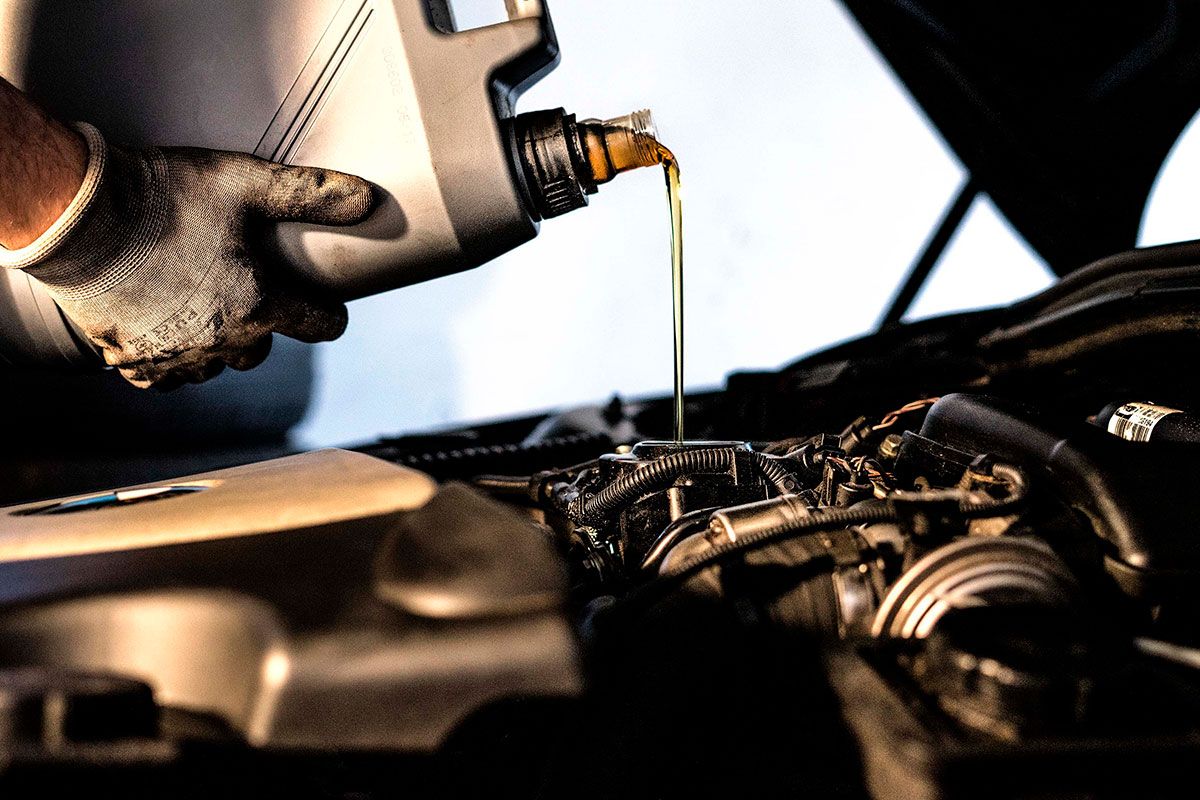
Adulterated Motor Oil: See How the Fraud That Moves R$ 1.4 Billion a Year in Brazil Can Destroy Your Car’s Engine
Do you know that savings when changing your car’s oil? It could be costing you a lot. Reports from the Legal Fuel Institute (ICL), along with the Brazilian Association for Combatting Counterfeiting (ABCF), indicate that about 20% of the lubricants sold in Brazil are adulterated — products that look like oil but do not protect. The result? A loss estimated at R$ 1.4 billion per year, considering parts replacements, mechanical issues, warranty losses, and unpaid taxes.
Imagine an engine repair that ranges from R$ 2,000 for cleaning and gasket replacement up to R$ 12,000, when components like the timing belt or crankshaft fail. These amounts result in financial pain and open doors to real risks during driving.
In October 2022, for example, the ANP seized over 130,000 liters of irregular oil at gas stations in São Paulo — without records and from unauthorized producers. Such cases are not exceptions.
-
The Argentine government celebrates the lowest poverty rate in 7 years, but experts warn that the methodology has changed, real wages have fallen, unemployment has risen, and the number of people on the streets of Buenos Aires has increased by 57% since Milei took office.

-
The 2026 electric Vitara arrives in Brazil and proves that Suzuki is not leaving: 4×4 traction, 184 hp, 61 kWh LFP battery, 293 km range, R$ 259,000, and a trunk capacity of 224 L.

-
7.8 magnitude earthquake in Indonesia frightens the population, triggers tsunami alert, and hits an island with over 200,000 inhabitants this Thursday.

-
Google will finally let you change that embarrassing Gmail address you created in your teenage years without losing any accounts, logins, or old emails: the feature is already available in the United States.


How Adulterated Oil Causes Damages:
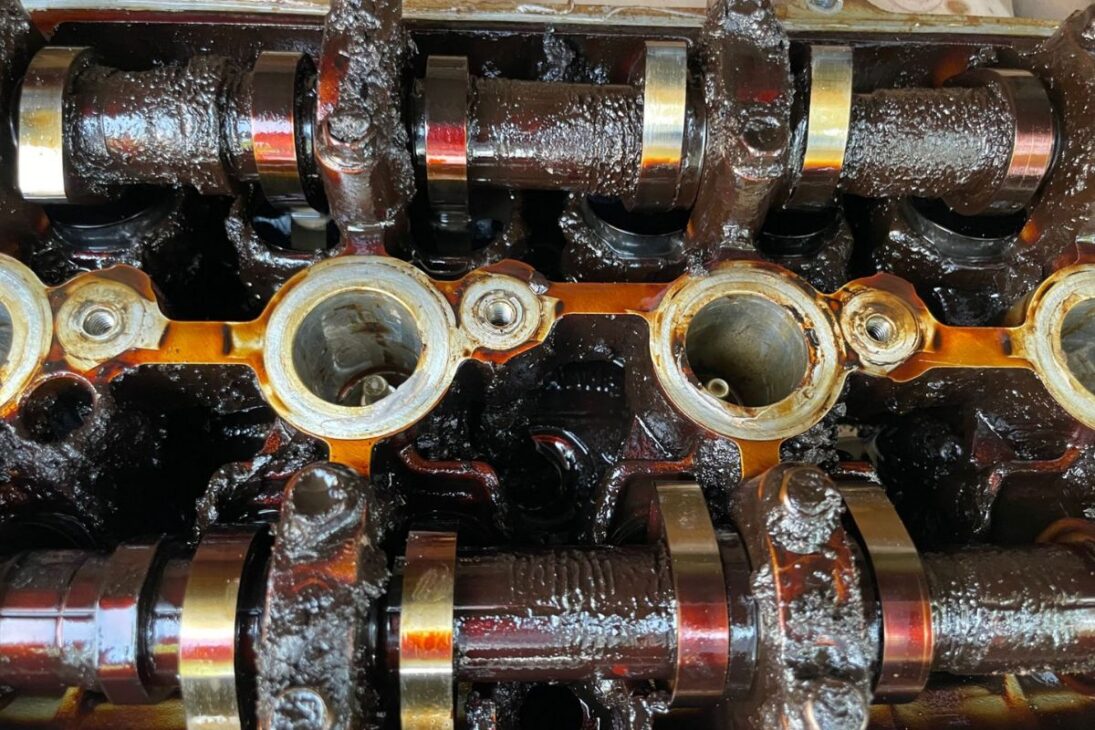
From the formation of sludge — residues that clog the engine’s internal channels — to bearing corrosion and crankshaft failures, with costs exceeding R$ 10,000. Not to mention overheating, issues with the water pump or cylinder head, and even cracks in the engine when the viscosity is incorrect — literally putting the car at risk.
This is what Emerson Kapaz, president of the ICL, reminds us:
“It’s a saving at the time of purchasing the product, but in the long run, it means an invisible threat that acts on the heart of the engine. Adulterated products compromise essential parts and can lead to a total loss of the vehicle, in addition to representing a direct risk to the safety of those at the wheel.”
Why This Happens… and How to Prevent It
The black market is growing: returning residues, repackaging in recycled gallons, and incorrect labeling are just some of the tactics used by those who manufacture or distribute fake lubricants. The ANP has already started to act more intensively, with seizures and operations at gas stations, but oversight still does not cover everything.
The ICL and the ANP recommend some precautions that every driver should adopt:
- Always ask for a receipt — it is your guarantee in case of defects.
- Check the seal, batch, and CNPJ on the packaging — if anything is off, be suspicious.
- Only buy at authorized gas stations and workshops, no dubious networks or online platforms without credibility.
- Follow the manufacturer’s manual: each car requires the correct type of oil.
- Be wary of very low prices — the cheap option is sometimes the gateway to fraud.
Risks Are Not Just Financial
Some frauds involve contaminated residues used as raw material for fuels and suspicious lubricants. More than mechanical damage, there are environmental and public safety risks. In integrated inspection operations, the PRF and Ibama have already found clandestine trucks with residues used for fraud, and even drug loads hidden alongside the oil.
The illegal disposal of these residues also generates indirect costs, which raise the price of “legitimate” products, burdening the honest consumer.
What Happens If You Fall for This
Without the ANP seal, without a receipt, or with a product inconsistent with the manual, the driver is left without coverage. Factory warranties can be voided, and in the event of an accident caused by engine failure, insurance may refuse to cover the claim. In the judicial field, adulteration can shift the blame.
How to Act — Simple Step-by-Step
Go to a reliable location (gas station or workshop), monitor the oil level check (between minimum and maximum markings), keep the receipt, and if there’s any suspicion, report it: both to the ICL and the ANP (0800 970 0267) or consumer protection agencies. These records help support actions against irregularities mprs.mp.br.










-

4 pessoas reagiram a isso.