





 Portuguese
  English
  Spanish
  4 min of reading
  5 comments


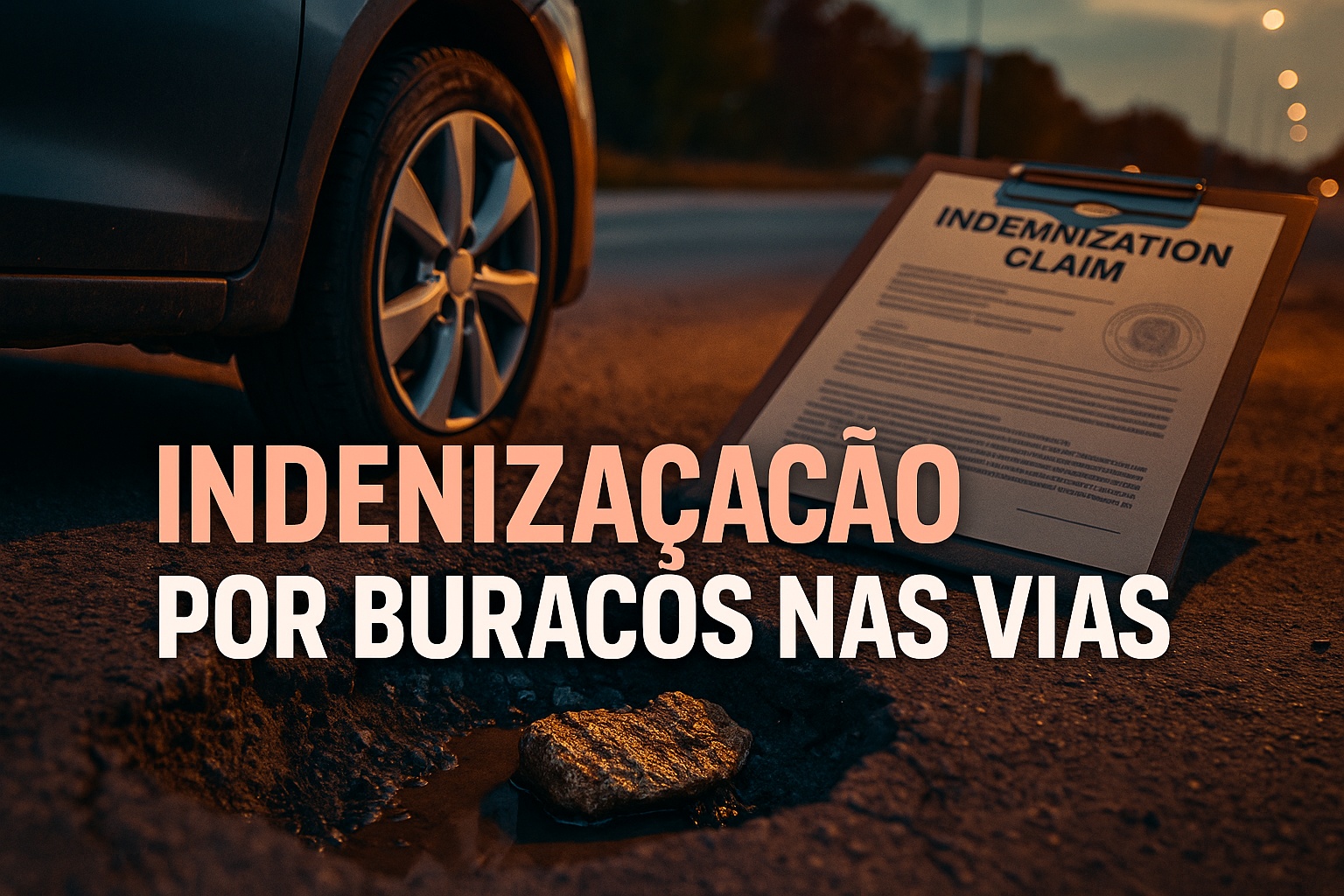


Drivers Can Demand Compensation from the State for Damages Caused by Holes and Lack of Maintenance on the Roads. Right Is Guaranteed by Article 37 of the Constitution and Is Unknown by Most Brazilians.
Most Brazilians pass through pothole-filled streets, poorly maintained avenues, unmarked stretches, and highways full of traps every day. What almost no one knows is that there is a powerful and rarely used constitutional guarantee that allows drivers to demand compensation from the State whenever a hole, unevenness, fallen tree, object on the road, or any maintenance failure causes a loss. This is not a new benefit, but a underutilized right that few know about and that places municipalities, states, and the Union as responsible for the damages caused to citizens.
The basis lies in Article 37, §6 of the Federal Constitution, which states that the Public Power is objectively liable for damages it causes to third parties. In practical terms, it is enough for there to be a failure by the public entity to maintain the road safely for there to be civil liability — it is not necessary to prove intent, bad faith, or intention. The lack of maintenance is sufficient to characterize the duty to compensate the driver.
What The Law Says and Why Almost No One Claims The Right
The objective liability of the State is one of the strongest tools in the Brazilian legal system, but paradoxically one of the least applied by ordinary citizens.
-
77.2% of Brazilians support lowering the age of criminal responsibility and reinforce pressure for changes in criminal legislation in the country, a national survey indicates.

-
The law that many elderly people are still unaware of protects those aged 60 and over against abusive charges from banks, guarantees debt renegotiation, and prevents loans and credit cards from consuming their entire retirement pension.

-
Portugal approves Nationality Law: Brazilians from CPLP will have to live for 7 years to obtain citizenship (waiting for title does not count), rules tighten for children born in the country, Sephardim are excluded, and it awaits a decision from President António José Seguro.

-
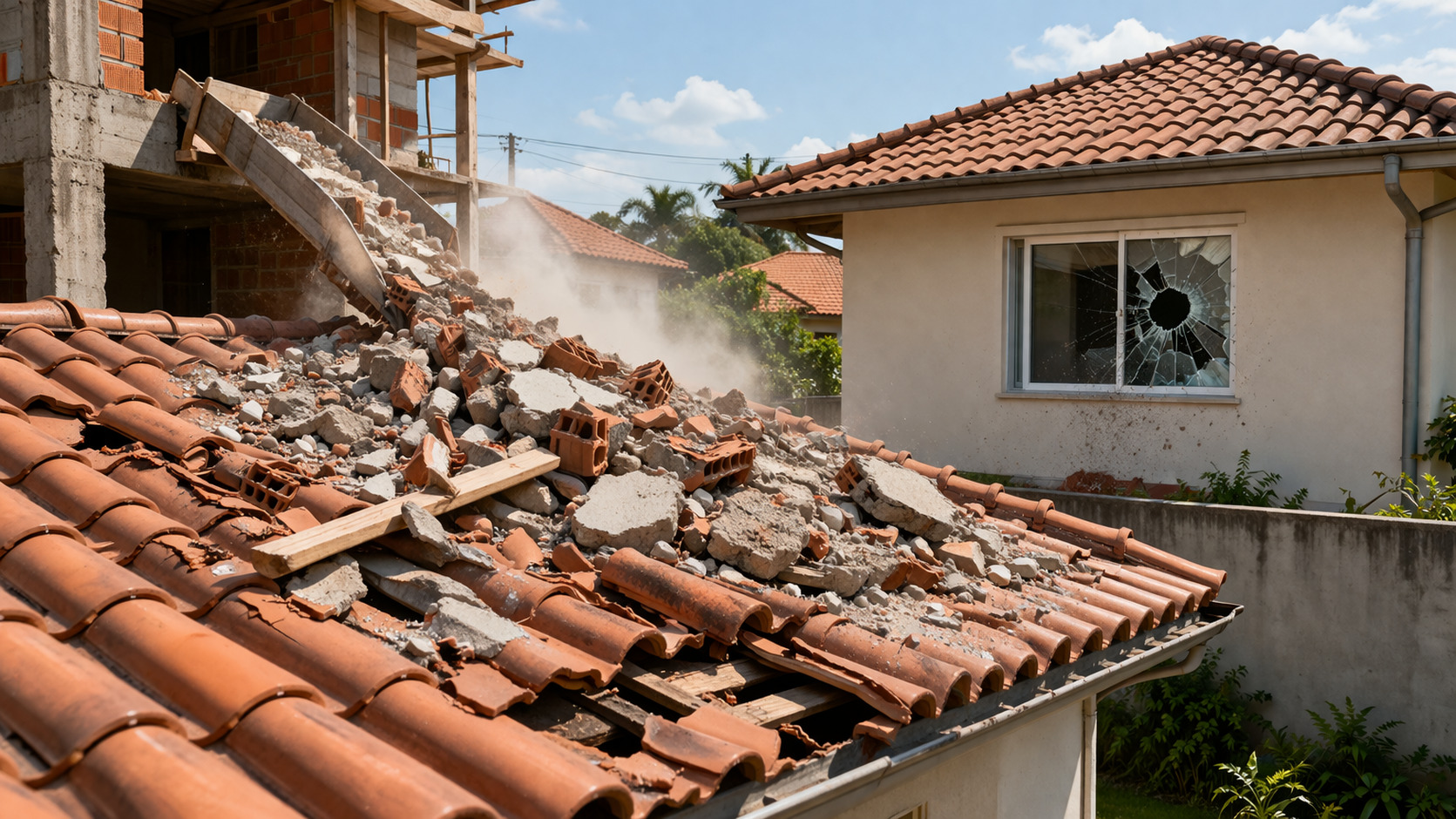
Your neighbor is undergoing construction and debris has fallen on your property? This could lead to compensation and make the owner, responsible party, and construction company pay for the damages.
The law establishes that when a pothole causes tire blowouts, suspension breaks, damage to the oil pan, or even more serious accidents, the driver can demand reimbursement for all expenses: parts, labor, towing, reports, and even moral damages in exceptional cases.
The problem is that ignorance still dominates the scenario. Most people believe that it would only be possible to claim if there were a “direct culprit”, such as another driver, and do not understand that the omission of public power also constitutes liability. The STJ has reinforced this thesis for years: when the administration fails to perform minimal maintenance, it assumes the risk and must compensate.
How It Works in Practice: Evidence, Deadlines, and What The Courts Recognize
In practice, the affected driver can contact the City Hall, the State Government, or the road authority responsible (DNIT, DER, concessionaire), depending on the location of the accident. Courts across the country consistently recognize this right: it is enough to prove the damage and the causal link with the poor maintenance of the road.
Photos of the location, videos, repair invoices, and, when possible, a police report, make the process faster. In cases involving granted highways, concessionaires are also liable when there is negligence in monitoring and maintaining the road.
There have been recent decisions in São Paulo, Minas Gerais, and Paraná condemning the public authority to pay the full expenses of the drivers. In some cases, the amounts exceed R$ 5,000 just for mechanical repairs — not to mention the discomfort and the risk of more serious accidents. The understanding is always the same: if the citizen pays IPVA, tolls, and taxes, they have the right to travel on safe roads.
Why This Right Tends to Gain Strength in The Coming Years
Lawyers and urban mobility specialists point out that the increase in lawsuits occurs alongside the worsening road infrastructure in various Brazilian cities. The bigger the pothole, the greater the risk, more accidents and more drivers are starting to discover that the Constitution guarantees compensation.
In addition, the enactment of transparency policies, such as the Access to Information Law, makes it easier to prove negligence: the driver can request data on maintenance contracts, frequency of repairs, and history of complaints, strengthening their case.
Meanwhile, oversight bodies have pressured municipalities and states to adhere to minimum maintenance schedules. In many regions, the volume of complaints is so high that city halls have started to record photos and maps of potholes in an attempt to reduce civil liability.
The Right Exists, But The State Does Not Disclose It, And The Citizen Continues To Pay The Bill
What is most striking is that this right is completely legal, constitutional, and has been provided for decades, but remains off the radar of most Brazilians.
The driver pays taxes, faces degraded roads, suffers financial losses, and yet almost never contacts the public administration.
Experts say that if all drivers who suffer damages claimed compensation, there would be historic pressure on city halls and state governments to maintain roads in adequate conditions. The STJ itself has classified the omission of the State in maintaining roads and streets as a “serious failure in service provision.”
In the end, the rule is simple: if the damage was caused by a pothole or lack of maintenance, the repair is not the driver’s fault; it is the State’s responsibility.








Direito a ser exercido se e quando necessário. Resultado deve ser aguardado com confiança pelas informações no texto. Duvidar e deixar de recorrer é apoiar o desrespeito e desleixo dos poderes públicos. Ótima matéria. Cada pessoa agirá como julgar melhor.
Exatamente se todos soubessem desse direito ja haveria bastante condenacao e indenizacoes principalmente quando ha vitimas fatais ou que ficam invalidas se pesar no financeiro quem sabe assim eles mantem ruas estradas e rodovias melhores ja imaginaram quantos acidentes acontece todos os dias simplesmente pelas pessimas condicoes das nossas estradas.
DEVE SER UM PROCESSO TÃO CARO, DEMORADO E BUROCRÁTICO QUE NINGUÉM TVZ ARRISCARIA EM ESPERAR. E O CIDADÃO QUE SE LASQUE.
Tudo verdade, porém as leis oferecem “furos” , onde atuam advogados, e poucos acreditam em indenizações, porquê a população em grande parte já está cançada de tanto prejuízo….E se receber vai ser quem sabe no dia 30 de fevereiro, depois mais um recurso, segundo recurso, depois o féretro do contribuinte….