





 Portuguese
  English
  Spanish
  5 min of reading
  0 comments


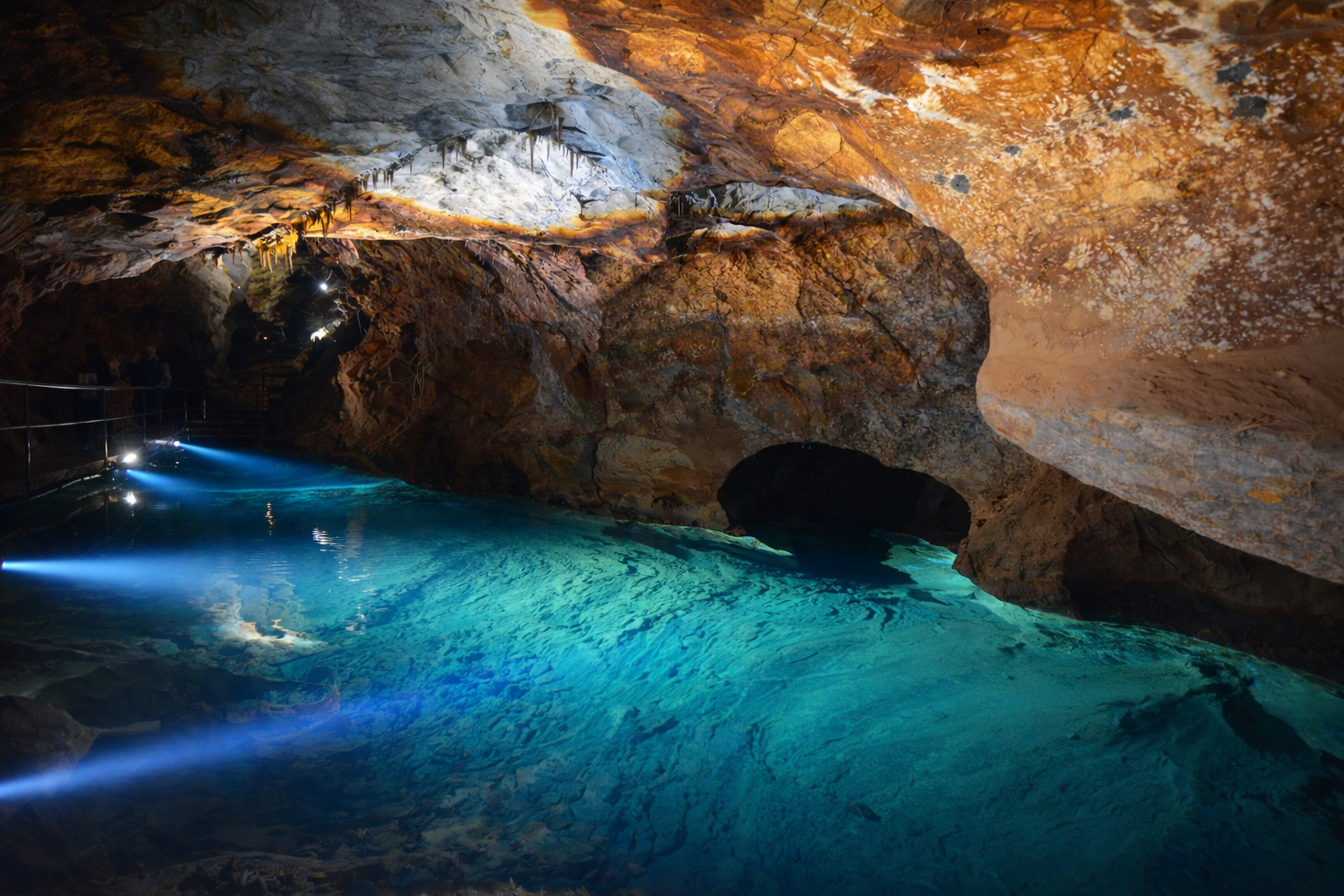
The Oldest Cave In The World, Located In Australia, May Have Formed About 340 Million Years Ago, A Period When The Continents Were Still Joined And Dinosaurs Did Not Exist Yet, Revealing Rare Clues About The Geological History Of The Planet
Have you ever imagined walking through the oldest cave in the world, which existed when Earth had a completely different face? No dinosaurs. No separate continents. Just a planet dominated by ancient seas and changing landscapes.
This scenario helps explain the impact caused by the Jenolan Caves, a cave system located in Australia that may have emerged around 340 million years ago.
For many geologists, this number places the site among the oldest underground systems ever identified. The discovery not only surprised researchers but also completely changed the way scientists view the formation of open caves.
-
Italian researchers have detected what appears to be a second Sphinx buried under the sands of Egypt, and satellite scans reveal a gigantic underground megastructure hidden beneath the Giza Plateau for over 3,000 years.
-
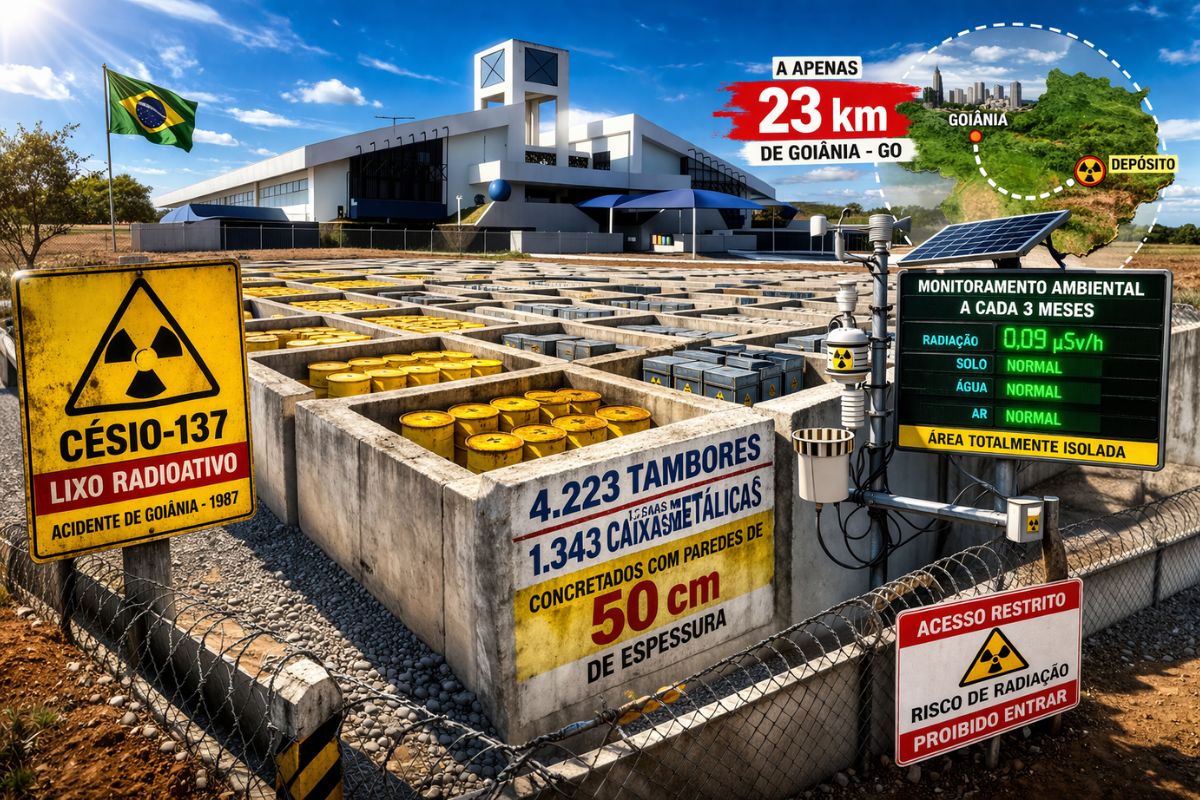
There are 4,223 drums and 1,343 metal boxes concreted with 50-centimeter walls that store the radioactive waste from Cesium-137 in the worst radiological accident in Brazil, just 23 kilometers from Goiânia, with environmental monitoring every three months.
-
Giant Roman treasure found at the bottom of Lake Neuchâtel in Switzerland reveals an advanced trade system, circulation of goods, and armed escort in the Roman Empire about two thousand years ago.
-
He buried 1,200 old tires in the walls to build his own self-sufficient house in the mountains with glass bottles, rainwater, and an integrated greenhouse.

For decades, experts believed these structures were much younger. But a study conducted in 2006 brought evidence that changed this narrative.
The Massive Underground Labyrinth In Australia That Houses Over 300 Entrances And Different Geological Environments
The caves are located in a mountainous region of New South Wales, within the administrative area of Oberon Council.
What exists there is not merely an isolated cave. It is a huge underground system formed by a complex network of natural galleries.
Researchers have already identified more than 300 known entrances that lead to different chambers and tunnels.
Each area has its own characteristics. Some caves feature active underground rivers that continue to shape the rocks. Others contain quiet natural pools formed over thousands of years.
As time passed, the system took on various shapes and distinct environments.
Among them are caves sculpted by rivers, chambers filled with underground water, large halls created by the collapse of rocks, and dome-shaped spaces formed by the mixing of waters with different temperatures underground.
This collection reveals an extremely long geological process that began long before the age of the great reptiles.
The Microscopic Detail Hidden In The Rock That Revealed The Real Age Of These Giant Caves
For a long time, it was believed that the caves had been excavated recently by the rivers of the Blue Mountains region.
The change in this theory arose when scientists decided to investigate something almost invisible within the rocks.
Instead of merely analyzing the limestone formations, researchers studied clay minerals trapped inside the caves.
These minerals emerged when ancient volcanic ash entered the underground system and crystallized over time.
The team used a technique known in geology as potassium-argon dating. The method measures the natural transformation of radioactive potassium into argon gas over millions of years.
By applying this analysis, scientists found an unexpected result.
The minerals indicated that the caves had already existed for approximately 340 million years.
According to geologist Dr. Armstrong Osborne from the University of Sydney at the time of the research, even by geological standards, this number is extraordinary.
To comprehend the scale of this age, some landmarks help in comparison.
The Blue Mountains began to form about 100 million years ago.
The extinction of the dinosaur occurred about 65 million years ago. The island of Tasmania separated from the Australian continent about 10,000 years ago.
This contrast shows why the result surprised even specialists.
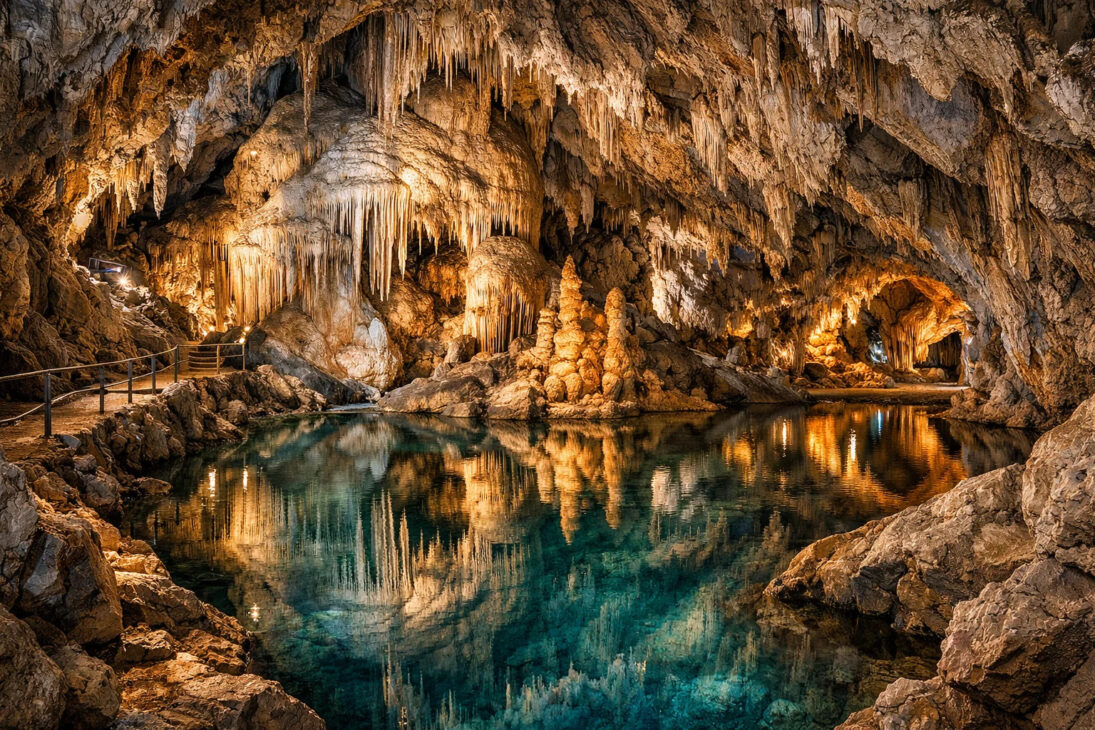
Ancient Sediments Show That The Oldest Cave In The World Was Buried For Long Periods In Geological History
The research also revealed clues about how the caves evolved over time.
Inside the system, sediments of different ages were found.
Some of these layers have geological records estimated at around 303 million years, 258 million years, and 240 million years.
These data indicate that the underground system was buried under layers of sediments from the Sydney Basin for long periods in the history of the planet.
Over millions of years, natural processes removed part of these layers and allowed the underground spaces to expand again.
Another important element in this process was the Jenolan River, whose origin exceeds 200 million years.
This river helped carve underground passages and contributed to the formation of nearby valleys, including the area known as McKeown Valley.
Preserved Marine Fossils In The Walls Reveal That The Site Was Once Covered By An Ancient Ocean
Another curious detail appears in the very walls of the caves.
Even being over 100 kilometers from the current coastline, researchers found preserved marine fossils in the rocks.
Among them are traces of ancient corals, shells, snail-like organisms called gastropods, and structures associated with marine sponges known as stromatoporoids.
These records show that the region was once covered by the sea in a very distant past.
According to specialists, the environment was likely a tranquil marine reef, inhabited by different forms of life that thrived in that ancient ocean.
With geological changes and the movement of tectonic plates, the sea retreated and the landscape began to transform into the underground system that exists today.
Long Before Modern Science, Indigenous Peoples Already Knew The Meaning Of These Caves
The history of the Jenolan Caves, the oldest cave in the world, also passes through the culture of the indigenous peoples of the region.
The site is located within the ancestral lands of the Burra Burra people, a clan of the Gundungurra nation.
For this community, the caves are called Binoomeal, a term that means dark places.
There is also a traditional narrative explaining the spiritual origin of the region.
According to this story, two spiritual beings engaged in a gigantic battle for the local landscape.
One of them was Gurangatch, described as a spirit resembling an eel. The other was Mirragan, associated with an animal similar to a quoll.
After the confrontation, Gurangatch sought refuge in the depths of the caves to rest and recover.
This spiritual connection to the site has transcended generations.
Historical accounts indicate that until the twentieth century, some indigenous groups brought sick people to the caves for baths in the underground waters, considered special for healing.
Today, the Jenolan Caves continue to attract the attention of scientists and visitors. The reason is simple. This underground system preserves rare clues about a planet that existed hundreds of millions of years before modern life emerged.
If this type of geological discovery impresses you, share your opinion in the comments. Would you visit a cave that began to form hundreds of millions of years before the dinosaurs?










Seja o primeiro a reagir!