





 Portuguese
  English
  Spanish
  4 min of reading
  5 comments




The 1.0 EA111 Engine of the Volkswagen Gol G5 Has Raised Questions About Its Durability. Many Owners Wonder Why It Seems to Last Less Than the Engine From the G4 Version. To Clarify These Issues, CPG Spoke With Vitor Hugo, a Mechanical Expert, Who Details the Changes Made by Volkswagen to the 1.0 EA111 Engine and the Impact on Its Lifespan.
If you think that the 1.0 EA111 engine of the Gol G5 lasts less, you’re not alone. Many owners have noticed that the version released after 2009 shows more problems and premature wear compared to the previous model, the Gol G4. But why does this happen? Did Volkswagen decide to complicate motorists’ lives?
Vitor Hugo, a mechanical expert, answers this question that has been circulating in forums and social media, explaining in detail what has changed in the 1.0 EA111 engine of the G5 and why these changes have caused a perception that the engine lasts less. Let’s understand the nuances of this engineering!
Main Change Between the 1.0 EA111 Engine of the Gol G4 and the Gol G5
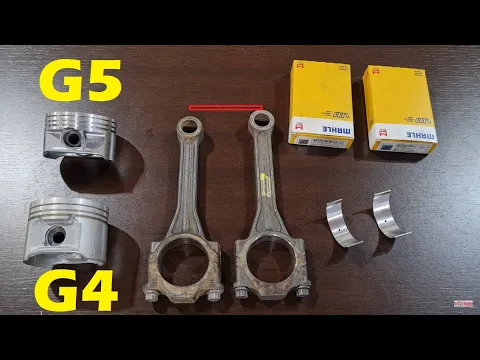
Vitor Hugo comments that the main change between the engine of the Gol G4 and the Gol G5 lies in the dimensions and materials used in vital components, such as the piston, connecting rod, and bearing. “Volkswagen chose to reduce the size of the piston and connecting rod, in addition to decreasing the width of the bearing, which are fundamental parts for the durability of the engine,” explains Vitor.
-
A 250cc motorcycle that can reach 560 km with a 14-liter tank, features disc brakes on both wheels and is among the most well-known in Brazil.
-
Man finds over 200 rare cars abandoned on a lot and tries to do the impossible in 8 hours with a surprise at the end.
-
An irregular parking case gains attention after a Mercedes Classe A was removed in such a strange way that it even raised doubts about damage to the car.

-
Costing R$ 16,000, the new Yamaha features a 125 cc hybrid engine with electric assistance, delivers 8.3 hp, includes ABS, optimized fuel consumption, Y-Connect connectivity, 25 liters of storage space, and a surprising 4-year warranty in the urban segment.

In the Gol G5, the piston has a shorter skirt and the lateral support in the cylinder has been considerably reduced, which, in practice, decreases its durability. This type of piston, while favoring fuel consumption and emissions, causes greater wear over time. “Volkswagen had to reduce these parts to meet stricter pollutant emission standards,” states the expert.
He also emphasizes that the crankshaft and the engine block remain the same as the previous model, but the new internal configurations make the 1.0 EA111 engine of the G5 more prone to wear, especially in the bearings, which have become thinner.
Many Gol G5 Owners Report Premature Wear Problems
“The bearing of the G5 engine is 2mm narrower compared to the G4. This means it absorbs less impact, wearing out more quickly,” details Vitor. This explains why many owners of Gol G5 report premature wear problems in their bearings and connecting rods. The expert also noted that, due to the smaller contact area and support, the piston of the 1.0 EA111 engine tends to lose efficiency and create more friction within the cylinder.
Replacing Is an Option
Another interesting point mentioned by Vitor is the trend of adaptations in the engine. Some Gol G5 owners have opted to replace the internal engine components with parts from the Gol G4. “In practice, this replacement improves the engine’s durability, as the G4 assembly is more robust and provides better support for the internal parts,” he clarifies. He emphasizes that this is not an official solution from Volkswagen, and those who decide to make the switch risk losing warranties or facing future problems.
Despite the drawbacks in terms of durability, Vitor explains that these modifications in the 1.0 EA111 engine are the result of environmental and economic demands. “Automakers are required to reduce the weight of parts and increase engine efficiency to meet environmental regulations, which ultimately compromises the engine’s longevity,” he comments.
The Difference in Durability Between the 1.0 EA111 Engine of the Gol G5 and the G4 Is Clear

Although the difference in durability between the 1.0 EA111 engine of the Gol G5 and the G4 is clear, the choice of lighter components was a necessary strategy by Volkswagen to meet environmental standards. The question remains: is it worth adapting the engine or accepting these changes for a more economical car?
And you, have you ever considered adapting the engine of your Gol G5 with parts from the G4? Share your thoughts in the comments!






Eu tenho um G6 comprado 0 km ano 13/14 nunca tive problema com motor atualmente já compltou 11 anos que comprei hj está com 165000 km inclusive kit de embreagem tbm é original de fábrica creio que o segredo é troca de óleo no prazo correto troco o óleo sempre em fevereiro e setembro independente da kilometragem completou 6 meses já troco logo eu usava Castrol 5w40 que a VW recomendava mas na minha região ficou difícil de encontrar há uns 2 anos passei pra o SHELL
Tenho um Gol G6 ano 2013, nunca tive problema algum com motor. Troco o óleo sempre no prazo correto, enfim, não tenho do que reclamar.
Tenho um G4 2008/2009. Comprei em setembro de 2008. Como saber se o motor do meu carro tem essas alterações?
Jogue fora esse motorzinho **** e coloque no lugar um CHT ou um AP….e esqueça o assunto de motor…por décadas.
Se a VW pudesse com certeza teria feito. Seria muito mais barato produzir AP por anos sem fim, com as mesmas máquinas, projetos e prova de anos durabilidade. Para atender exigências mundiais de emissões temos a realidade de hoje, nem mais os EA 1.6 (ou tbm os novos MSI) que até se provaram bons não conseguiram ficar no mercado. Por isso explosão dos 3 cilindros descartáveis. Enquanto isso na Europa desde sempre carro pequeno usa diesel, nos EUA produção em série de motores V8 até hoje, e o Brasil sempre vítima no tema ambiental.