





 Portuguese
  English
  Spanish
  4 min of reading
  10 comments


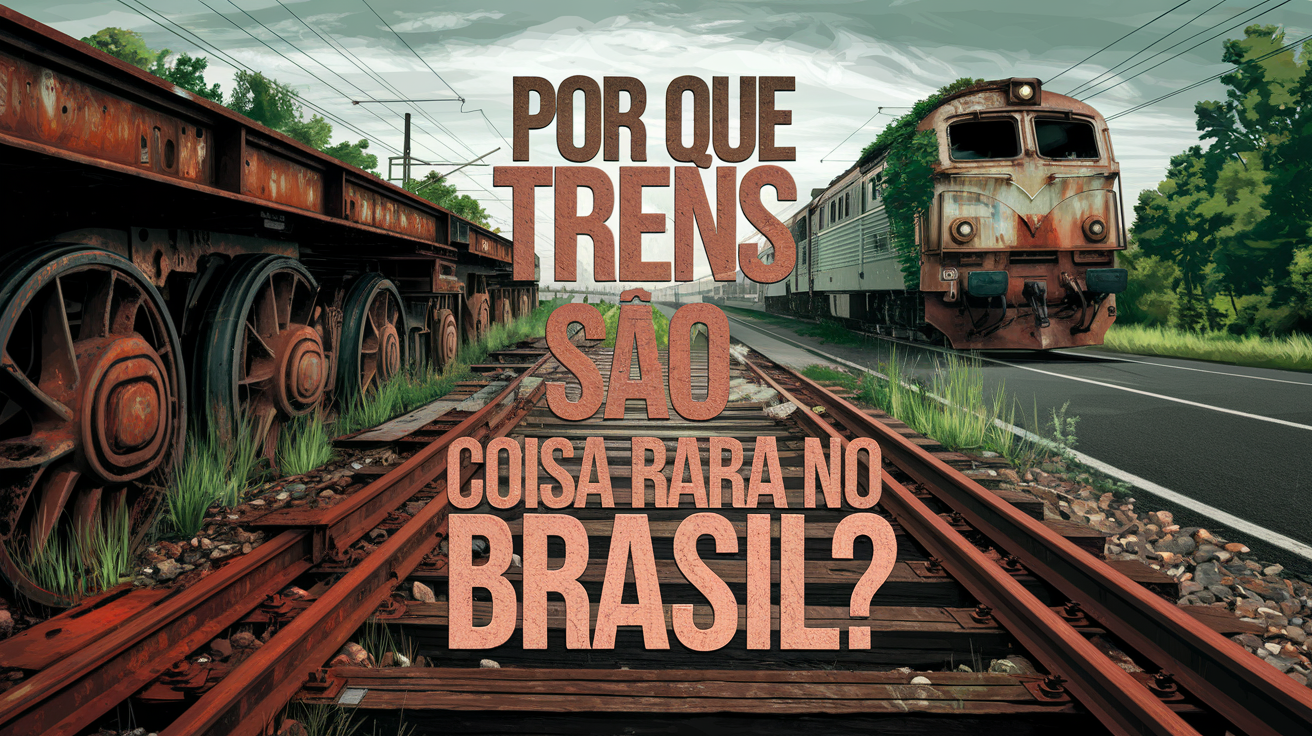


Brazil, despite its vast territory, abandoned a good part of its railway network throughout the 20th century. With underutilized tracks and investments focused on highways, the country lost an opportunity to integrate regions and promote public transport. Understand the historical, geographical, and economic causes behind this decline.
Trains, once a symbol of modernity and progress, are now a rarity in Brazil.
Despite a railway network that crosses states and connects ports to the interior, the track network is underutilized and, in many cases, abandoned.
Why does Brazil, a country of continental dimensions, not take advantage of the potential of its railways?
-
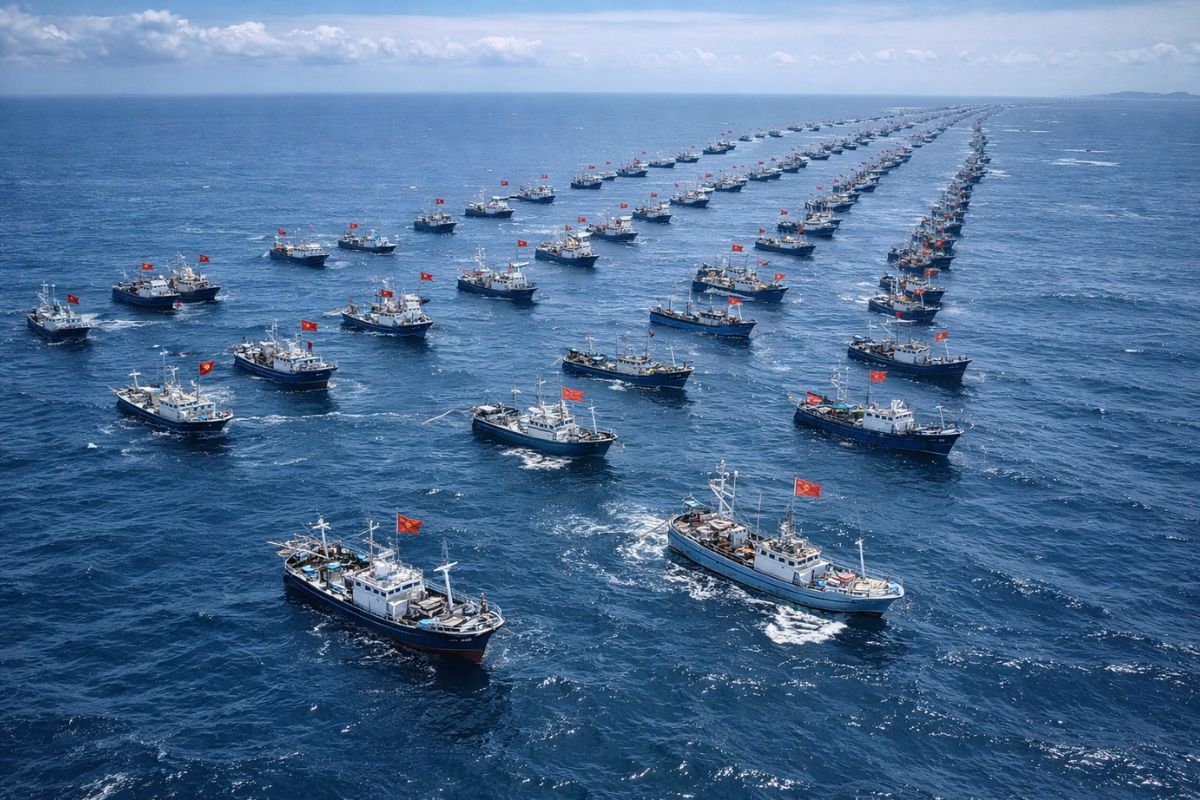
China has deployed more than 1,400 fishing boats in formation, creating a barrier of 320 kilometers at sea, and the whole world wants to know if this is fishing, a military exercise, or a message of war.
-
Spain surprises the world by erecting 62 artificial dunes, mixing sand with natural remains of posidonia, and causing the structure to lose only 1.4% of its volume in 1 year.

-
With 16 Bulava missiles, improvements in acoustic stealth, and a design focused on silent patrols, Russia’s nuclear submarine was born to ensure Moscow’s invisible retaliation and has become one of the pillars of its maritime strength.

-
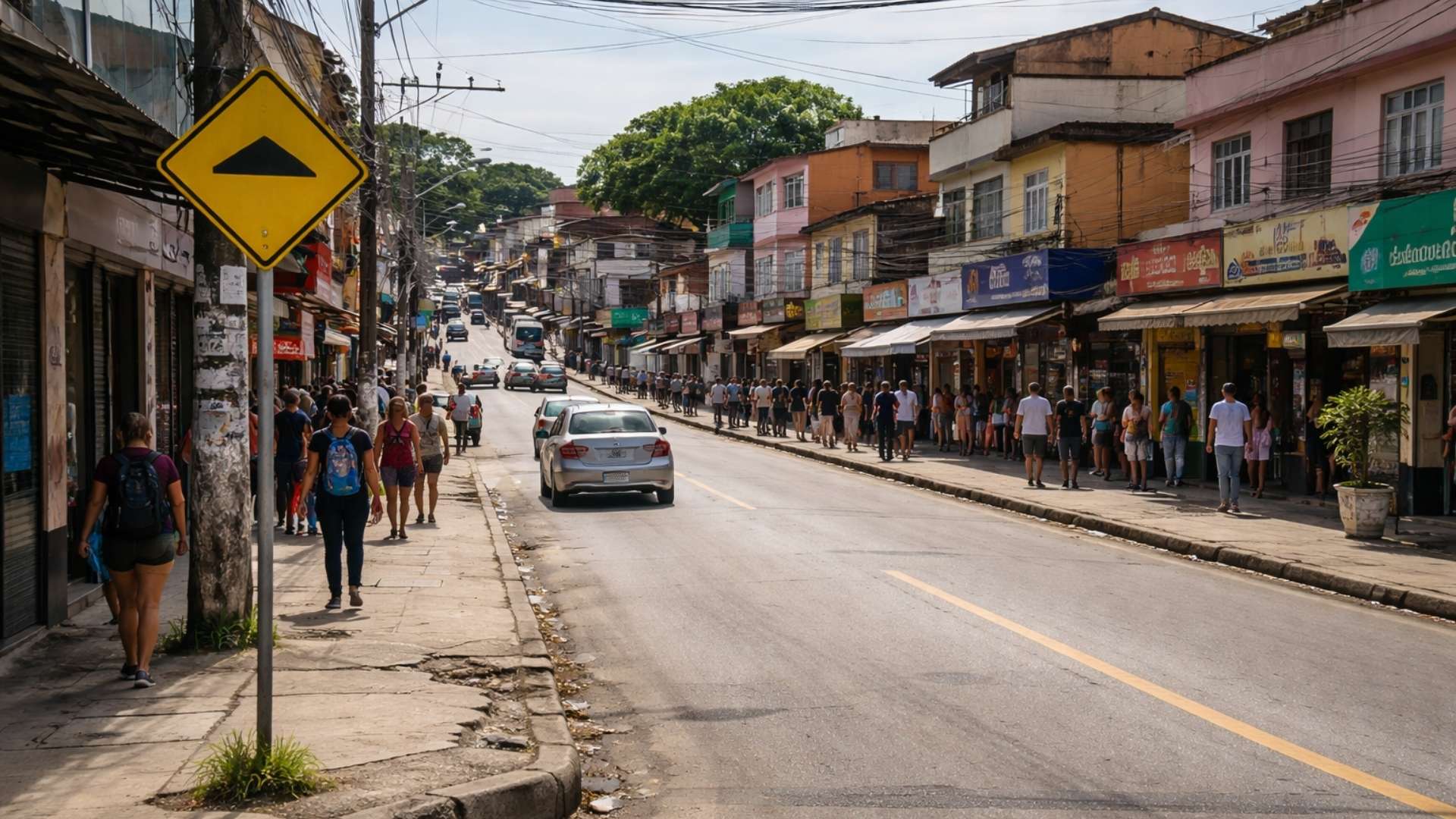
‘Populous’ city in Rio among the worst in Brazil in national ranking and exposes silent development crisis.
The answer is rooted in a history marked by political decisions, economic interests, and social transformations that reshaped transportation in the country.
The Decline of the Railway Network
According to journalist Bruno Vaiano of Veja magazine, the current Brazilian railway network has 30,660 km of tracks, according to data from the National Department of Transport Infrastructure (DNIT).
In contrast, the road network exceeds 1.7 million kilometers. This discrepancy reflects a decline that began decades ago.
In the 1960s, Brazil reached its railway peak with 38,287 km of tracks.
Since then, population and economic growth have not been accompanied by investments in railway infrastructure.
In the early 20th century, between 1900 and 1914, Brazil built over 900 km of tracks per year.
However, the peak of maintenance and reliability of the railways occurred before World War I, when the system was more robust and efficient.
The situation began to deteriorate in the post-war period, with much of the infrastructure already obsolete.
Trains and the Popular Imagination
The railways played a fundamental role in Brazilian culture. As Vaiano highlights, football in Brazil has deep ties to the railways.
Charles Miller, considered the father of football in the country, was the son of a director of the São Paulo Railway, which transported coffee from the interior of São Paulo to the port of Santos.
The sport reached the interior of Brazil through railway workers, influenced by European immigrants who introduced football in railway communities.
Iconic clubs like Ponte Preta from Campinas and Sport Club Rio Grande, the first club in the country, have their histories closely linked to the tracks.
Ponte Preta, for example, got its name due to a wooden railway bridge that was stained by the soot from steam locomotives.
Geography and History: Challenges to Railway Expansion
Brazil’s geography also played a decisive role in limiting railways. Much of the coast is surrounded by mountains, making it difficult to connect the interior with the ports.
During the colonial period, Brazil was shaped as an exploitative colony, which resulted in the construction of railways aimed at exporting natural resources rather than promoting internal integration.
In the late 19th century, the government of D. Pedro II boosted railway development with the support of industrialists like Baron de Mauá and English investors.
The railways associated with coffee were profitable, but other regions of the country did not produce enough goods to justify significant expansions.
The Role of Highways
The advent of highways in the post-World War II period marked a turning point.
Trucks were more flexible and cheaper, adapting better to the needs of a country with vast distances and limited infrastructure.
The government of Juscelino Kubitschek symbolized this transition, with the inauguration of Brasília and the expansion of the automotive industry in the São Paulo ABC region.
As Vaiano points out, there are conspiracy theories suggesting a collusion between governments and automotive industries to neglect the railways.
However, the reality seems to be less dramatic: the rise of trucks was simply more advantageous for a country experiencing economic and industrial growth.
The Future of Railways
Today, much of Brazil’s railways still serve the same purpose as in the colonial period: transporting natural resources, such as iron ore and soybeans, to the ports.
Companies like Vale continue to operate profitable rail lines, but these operations have little impact on passenger transport or regional integration.
To reverse this scenario, it is necessary not only to expand the railway network but also to integrate it into the daily life of the population.
This requires massive investments in infrastructure, urban planning, and public policies that prioritize collective transport over individual transport.
Restoring the role of railways in Brazil is a monumental challenge, but also an opportunity to reduce logistical costs, mitigate environmental impacts, and reclaim a symbol of national identity.
Do you believe that Brazil should prioritize rail transport to promote economic and social development? Share your opinion in the comments!






Passenger railroading can make all the difference in locales where its absence has reduced the viability towns and there’s nothing to take the railroad’s place. Railroads benefit communications and commerce, potentially. But the state of railroads in the Western Hemisphere is affected by the Americans more that any other group (I’m American, by the way) and their mode of operation (MO) works in a way that doesn’t benefit the railroads themselves, or work in the interest of their preservation – never mind the interests of passengers or the cities and towns where the their tracks run. On one hand, politicians don’t want to be saddled with the stewarding and operating railroads, and have little practical understanding of – or interest in – what needs to be done. On the other hand you have the rail interests who, without strict supervision, are inclined to chisel and cheat insofar as they are allowed. So, as the article says, two track lines are reduced to one, and speeds are extremely slow, with frequent derailments, yet they always turn a profit. There needs to be a disincentive for this kind of thing, but it’s the standard MO wherever contracted freight carriers are in the business of operating a nation’s railroads.
Sim, temos um vasto território um grande agronegócio..
Todos países com grande extensão territorial, necessitam de uma boa malha ferroviária e o Brasil paga um preço alto por ter sucateado a sua malha ferroviária, precisamos de mudanças imediatas para sanar este defíte de Transporte.