





 Portuguese
  English
  Spanish
  5 min of reading
  2 comments


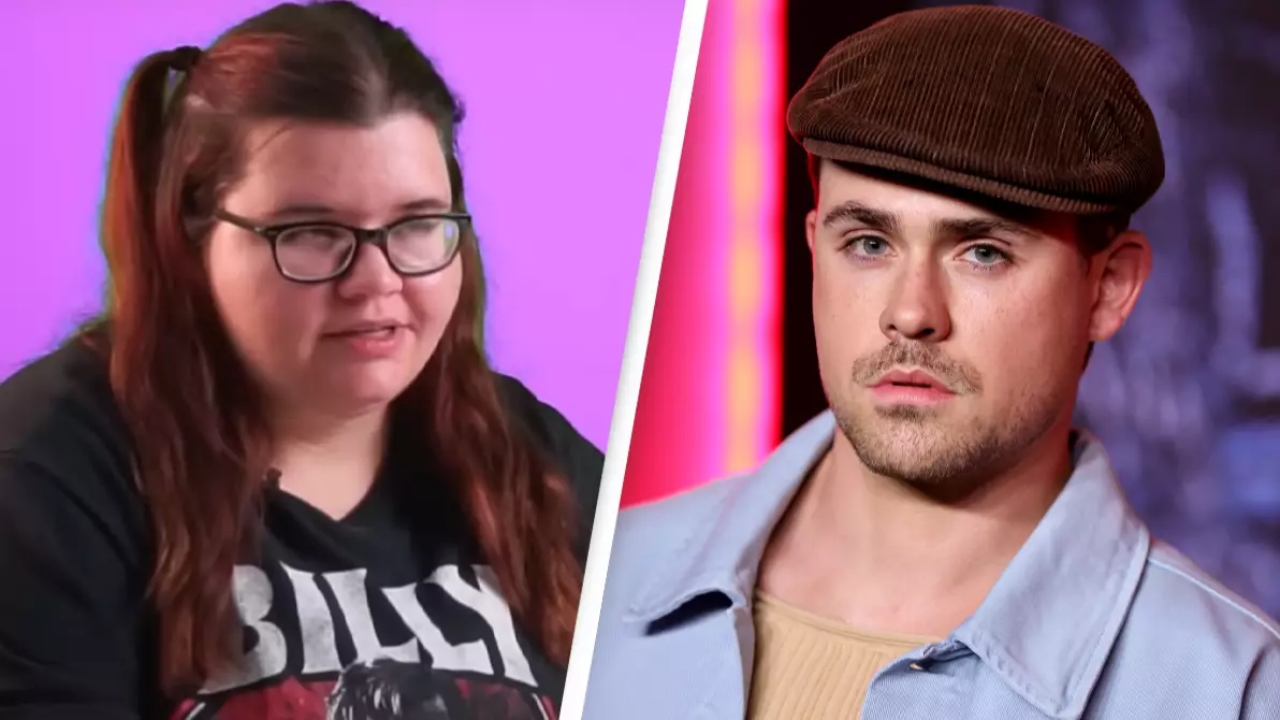


In the age of digital connections, falling in love with the internet seems increasingly common. However, when there’s a scammer on the other side, the outcome can be devastating. That’s what happened to McKayla, a woman from Kentucky, in the United States, who believed she was experiencing a romance with actor Dacre Montgomery from Stranger Things. The story ended in divorce, financial loss, and a strong warning about romantic scams.
Creative Forum Becomes Gateway for the Scammer
McKayla participated in an online forum aimed at artists and creatives, where she shared her work. In this space, she was approached by a profile claiming to be Dacre Montgomery. The conversations started amicably and professionally but soon became more personal. In a short time, she felt she had found someone who truly understood her.
Marriage in Crisis and Emotional Vulnerability
As this online connection grew, McKayla was living in a marriage she described as toxic and emotionally draining. She felt undervalued, lonely, and in need of attention. The alleged Dacre appeared to be the opposite: someone who listened to her, validated her feelings, and said he was going through something similar. This combination of personal crisis and virtual support increased her vulnerability.
-
Friends have been building a small “town” for 30 years to grow old together, with compact houses, a common area, nature surrounding it, and a collective life project designed for friendship, coexistence, and simplicity.

-
This small town in Germany created its own currency 24 years ago, today it circulates millions per year, is accepted in over 300 stores, and the German government allowed all of this to happen under one condition.

-
Curitiba is shrinking and is expected to lose 97,000 residents by 2050, while inland cities in Paraná such as Sarandi, Araucária, and Toledo are experiencing accelerated growth that is changing the entire state’s map.

-
Tourists were poisoned on Everest in a million-dollar fraud scheme involving helicopters that diverted over $19 million and shocked international authorities.



Poems, Series Secrets, and the Illusion of Intimacy
To appear as the real actor, the imposter used details from Dacre Montgomery’s public life. He sent poems in the style of the book DKMH: Poems, reinforcing the idea of an intimate connection. He also commented on his character’s appearance in the episode “Dear Billy,” as if it were a behind-the-scenes revelation. For McKayla, all of this seemed like proof of authenticity.
The Romantic Ultimatum That Led to Divorce
With the emotional bond strengthened, the fake Dacre took the relationship to a more intense level. He claimed to be unhappy with his girlfriend, model Liv Pollock, and portrayed himself as a victim of a controlling relationship. At one point, he gave an ultimatum: McKayla had to choose between staying with her husband or betting on a future with him. Convinced she was loved, she requested a divorce.
“Temporary” Requests for Help Turned into a Flow of Money
After the divorce, the focus of the conversation began to shift. The scammer started claiming he had no access to his own money, supposedly controlled by his girlfriend. He asked for “temporary” help until he could get out of that situation. McKayla, now fully involved, came to see the money transfers as a gesture of support for her partner.
Gift Cards, Checks, and 10 Thousand Dollars Lost
Over the course of more than a year, McKayla sent around 10 thousand dollars to the imposter. The transfers were made through gift cards and checks, always accompanied by dramatic justifications. Each request came with promises of a future together, reinforcing the illusion of partnership. Gradually, the romantic relationship transformed into a disguised financial scheme.
Cryptocurrencies Raise the Final Warning
The breaking point occurred when the scammer started asking for payments in cryptocurrencies. This type of transaction is more difficult to trace and recover. Even while emotionally invested, McKayla felt something was wrong. This change in pattern raised an internal alarm and prompted her to seek external confirmation about the identity of the person on the other side of the screen.
Online Investigation Program Unmasks the Imposter
In doubt, McKayla sought help from a program specialized in investigating digital scams. She provided the message history, photos, and supposed proof of identity. The analysis revealed that several images sent by him were copied from websites, including food photos taken from famous recipes. Other details, such as “secrets” of the series, were already publicly available.
Exposed Inconsistencies and the End of the Fantasy
With the investigation, it became clear that the narrative did not hold up. Signatures did not match real documents, and personal information about the alleged actor was contradictory. The conclusion was harsh but indisputable: McKayla had never spoken to Dacre Montgomery. She had been the victim of a scammer specialized in exploiting fans and emotionally vulnerable people.
Shame, Guilt, and the Decision to Speak Publicly
The discovery brought a profound emotional shock. McKayla felt shame for believing, guilt for getting divorced, and pain for the lost money. Despite this, she chose to tell her story publicly. Her intention was to transform a traumatic experience into a warning for others who might fall into similar traps.
Fear of Abandonment and Codependency as Targets of the Scam
Reflecting on what happened, McKayla identified characteristics that made her an easy target. She mentioned an intense fear of abandonment, a need to please, and a strong emotional codependency. These vulnerabilities caused her to ignore obvious warning signs. The scammer knew exactly how to exploit what she feared and desired the most at the same time.
Growth of Romantic Scams with False Celebrities
McKayla’s case is part of a larger scenario of online romantic scams. Criminals use photos of celebrities and fake profiles to create engaging stories. The combination of fame, admiration, and “private” contact is fertile ground for manipulation. Fans often feel special for being noticed, which reduces initial suspicion.
Virtual Relationships, Real Decisions, and Concrete Risks
One of the most serious points of this story is the impact on real life. McKayla lost not only money: she lost a marriage, emotional stability, and time. Making important decisions based on virtual relationships, without concrete verification, can have deep consequences. The case shows how the boundaries between the digital world and offline life are increasingly blurred.
Essential Precautions When Engaging Online
The main lesson is to be suspicious of money requests in any virtual relationship. Especially when the person claims to be famous or lives in another country. It’s also important to verify identities, observe if there is a verified account, and if the person avoids video calls. Before making drastic decisions, seeking the opinion of trusted individuals can prevent personal tragedies.
A Warning for Those Seeking Love on the Internet
McKayla’s story is painful but also powerful as a warning. It shows that even informed people can be deceived when they are emotionally vulnerable. In a world where many connections start on screen, balancing an open heart with critical judgment is essential. Loving remains valid, but with heightened attention to who, in fact, is on the other side.
Source: Report from the Los Angeles Times, published on August 17, 2023, about the romantic scam involving a fake Dacre Montgomery.










Como pode ser tão ****?
Ela perdeu só tempo e dinheiro, porque pedir o divórcio por alguém que ela nunca viu pessoalmente significa que o casamento era uma **** mesmo, então não “perdeu” o casamento, já estava perdido há tempo.