





 Portuguese
  English
  Spanish
  4 min of reading
  0 comments



Case Of Wrong Deposit Of US$ 8.7 Million That Fell Into The Account Of A TikTok User After Accidental Transfer From Fidelity Investments Viral On Social Media, Generated Debate Among Internet Users And Raised Questions About Legal Consequences Of Spending Money Sent By Mistake
A TikTok user stated that notifying about a wrong deposit of US$ 8.7 million was her biggest regret after an accidental transfer from Fidelity Investments went viral on social media, reigniting discussions about what happens when someone receives money by mistake.
User Goes Viral By Reporting Wrong Deposit Of US$ 8.7 Million Transferred To Her Account
With the rising cost of living and tighter budgets, the idea of receiving millions unexpectedly may seem similar to winning the lottery. This scenario caught attention after a viral video on social media reported a large value wrong deposit.
The TikTok user identified as @shawnainchapterland claimed that Fidelity Investments accidentally transferred US$ 8.7 million to her account. According to a report cited by Newsweek, she immediately called the company to inform them of the mistake.
-
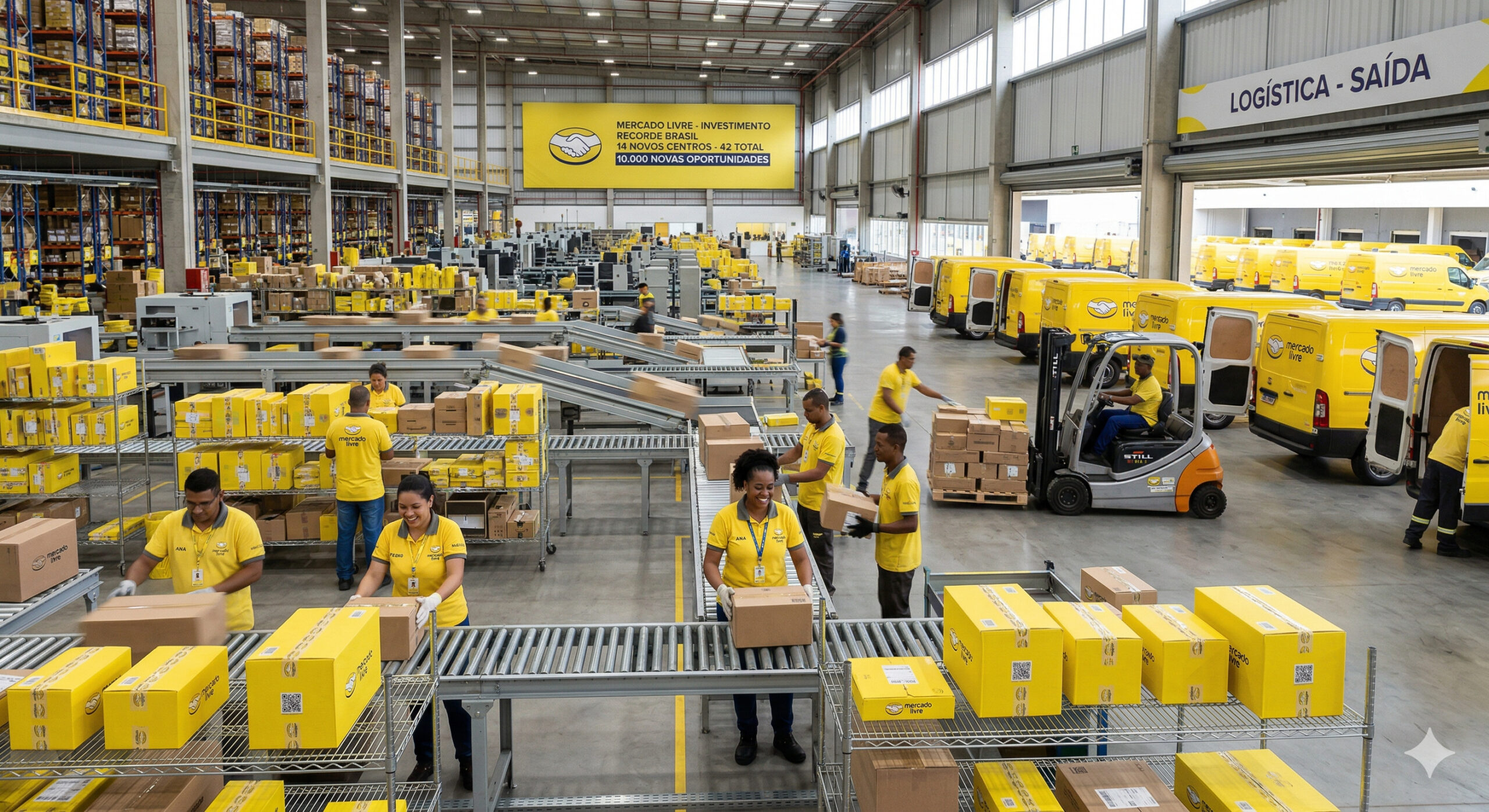
Mercado Livre “opens the vault” and announces a record investment of R$ 57 billion in Brazil in 2026, a value 50% higher than the previous year, with an expansion plan that includes 14 new logistics centers, totaling 42 units in the country and hiring an additional 10,000 employees.
-
How investment in technology can revolutionize the national economy and enhance industrial gains, according to a study that highlights the direct impact on productivity, innovation, and wealth retention within Brazil.

-
The largest food company on the planet, JBS, has just opened a 4,000 square meter laboratory in Florianópolis to develop customized proteins that modulate muscle mass gain, immune response, and metabolic performance.

-
After nearly 30 bids and competition among industry giants, a Spanish company purchases one of the largest airports in Brazil for almost R$ 3 billion and takes over the management of Galeão in a concession that will last until 2039.


The decision generated an avalanche of comments on social media. Many users said they would not have informed the financial institution if they had received a similar amount in their bank accounts.
Statement About Regret Resonates On Social Media
In the viral video, the user stated that reporting the wrong deposit was her “greatest regret.” In the caption of the post, she mentioned that she could have been watching the confusion from a beach in Seychelles.
Despite the fantasy of receiving millions unexpectedly, experts indicate that the reality is quite different. A mistaken deposit does not have the same legal treatment as lottery winnings or legitimate gains.
The retention of money sent by mistake generally falls under the legal doctrine known as unjust enrichment. In this case, the money must be returned because keeping it would mean benefiting at the expense of the one who sent the funds.
Rules Allow Banks To Remove Money Sent By Mistake
Even if the account holder did not cause the error, spending the money may lead to consequences. The Consumer Financial Protection Bureau informs that financial institutions can remove a wrong deposit as soon as the mistake is identified.
This withdrawal can occur without the customer’s authorization. Banks or credit unions are allowed to reverse improperly deposited amounts after confirming the error in the transaction.
The correction procedure depends on how the money was originally transferred. Each type of transaction has specific rules for recovering the funds.
ACH transfers, known as Automated Clearing House, follow a formal reimbursement process used to correct incorrect federal payments. This mechanism allows recovering amounts sent by mistake within the financial system.
Wire transfers are regulated by Article 4A of the Uniform Commercial Code. In these cases, the sender has the legal right to recover payments that were made improperly.
When the error occurs in brokerage operations, the responsible companies can correct the failures and submit refund requests. These mechanisms aim to restore incorrectly transferred amounts.
Spending Money From A Wrong Deposit Can Lead To Debt And Lawsuits
If the money has already been spent, the situation can become more complicated. The case may be treated as unpaid debt, depending on the circumstances and applicable legislation.
Financial institutions can freeze bank accounts to recover the amounts. There is also the possibility of lawsuits for collection, in addition to measures such as wage garnishment or debt reporting to credit bureaus.
This type of record can directly affect the credit score of the person involved. The situation can worsen further if authorities determine that there was conscious use of money that did not belong to the account holder.
Prosecutors may file criminal charges based on state laws related to theft or fraud. In these circumstances, the retention and deliberate use of mistakenly transferred funds may result in criminal prosecution.
Real Cases Show Consequences Of Mistaken Transfers
Real stories demonstrate how financial errors can lead to complex disputes. In 2020, Citibank transferred nearly US$ 900 million to creditors of cosmetics company Revlon while acting as a loan agent.
Some asset managers refused to return the amounts received improperly. The episode became one of the most cited examples of electronic transfer error on Wall Street.
Another cited case involves a woman from Louisiana accused of spending about US$ 1 million after receiving a mistaken deposit. According to information released by The Guardian, brokerage Charles Schwab stated that she ignored attempts to contact her.
According to the report, Kelyn Spadoni was arrested on charges of theft, bank fraud, and illegal transfer of monetary funds. The case illustrated how a wrong deposit can lead to significant legal consequences.
Experts Indicate What To Do When Receiving Unexpected Money
Guidelines cited by Experian indicate basic procedures for dealing with an unexpected deposit. The initial recommendation is not to spend or transfer the received money.
It is also recommended to immediately inform the responsible bank about the account. Documenting all communications in writing and tracking subsequent movements in the account are also part of the guidelines.
Pew Research Center studies indicate that public opinion regarding banks and financial institutions in the United States is predominantly negative. This scenario helps explain why comments on social media suggest spending amounts received by mistake.
Despite the popular reaction, experts emphasize that a wrong deposit does not represent a legitimate financial gain. In practice, it is merely an error that needs to be corrected by the involved institutions.









-

2 pessoas reagiram a isso.