





 Portuguese
  English
  Spanish
  4 min of reading
  2 comments


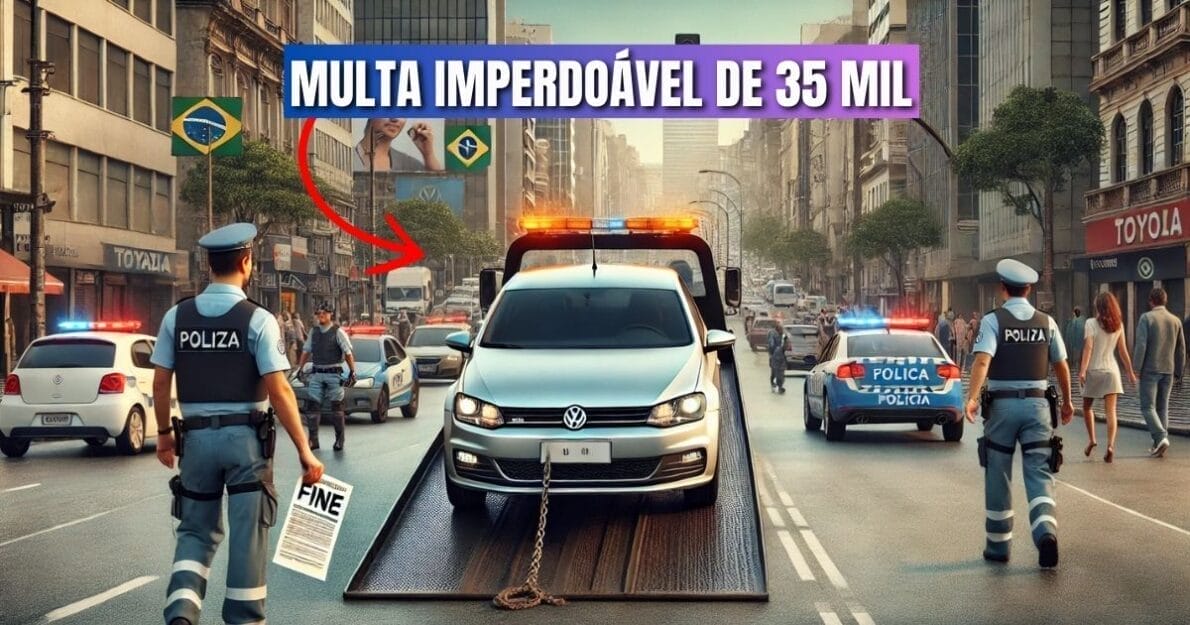

In Brazil, blocking roads without authorization can result in a fine of R$ 35 thousand. The severity of the infraction directly impacts drivers and vehicles of leading manufacturers, including Volkswagen, Toyota, and Chevrolet.
Blocking public roads in Brazil can result in a fine that leaves no one indifferent: R$ 35 thousand is the amount that the offender may end up paying.
With increasingly strict traffic legislation, the country does not tolerate actions that obstruct circulation and threaten safety.
But does this exorbitant amount really make a difference for drivers of Volkswagen, Toyota, Chevrolet, Ford or Fiat?
-
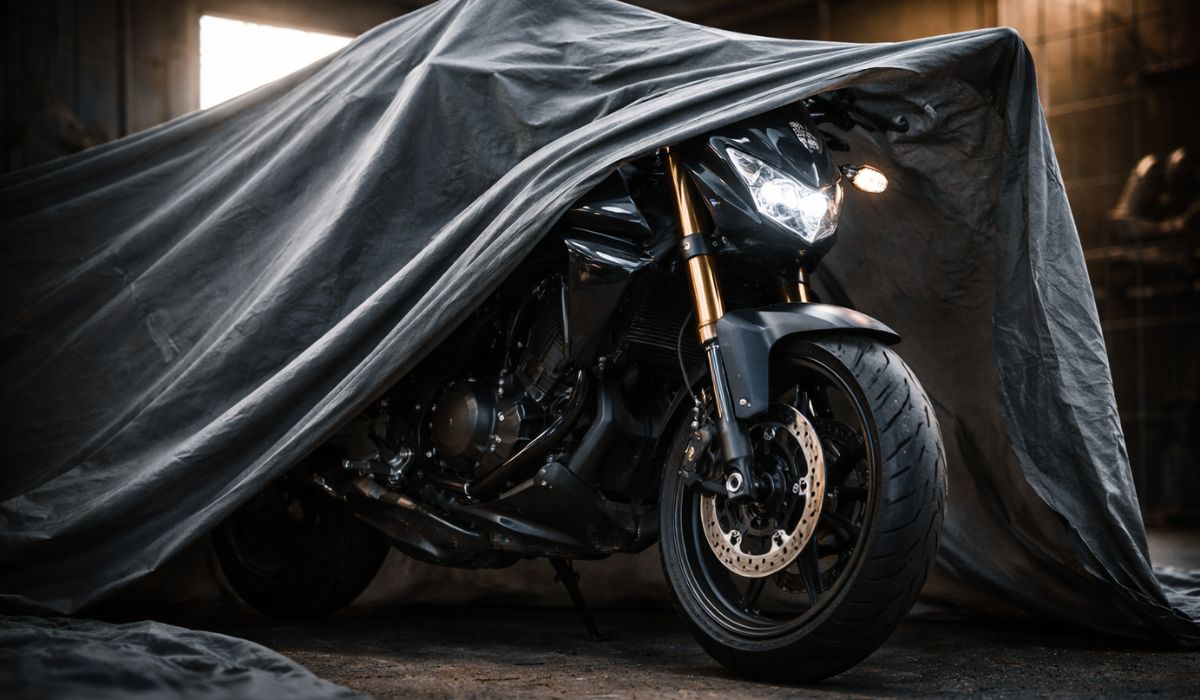
A 250cc motorcycle that can reach 560 km with a 14-liter tank, features disc brakes on both wheels and is among the most well-known in Brazil.
-
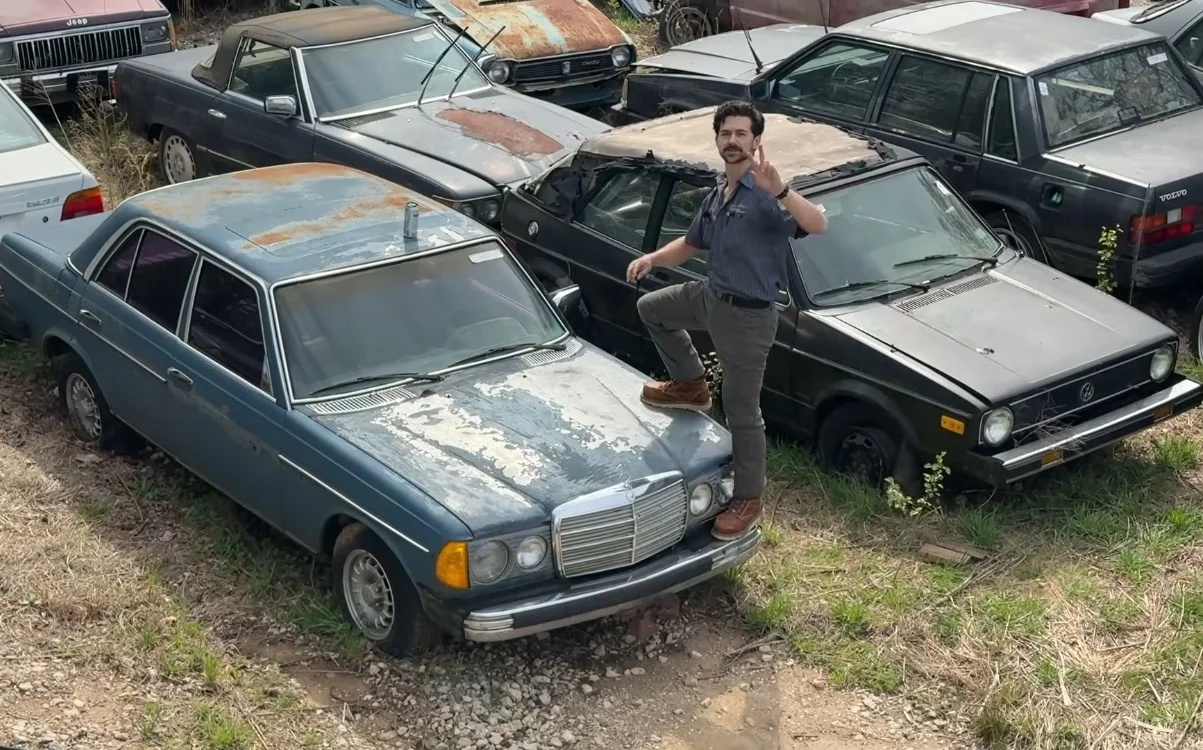
Man finds over 200 rare cars abandoned on a lot and tries to do the impossible in 8 hours with a surprise at the end.
-
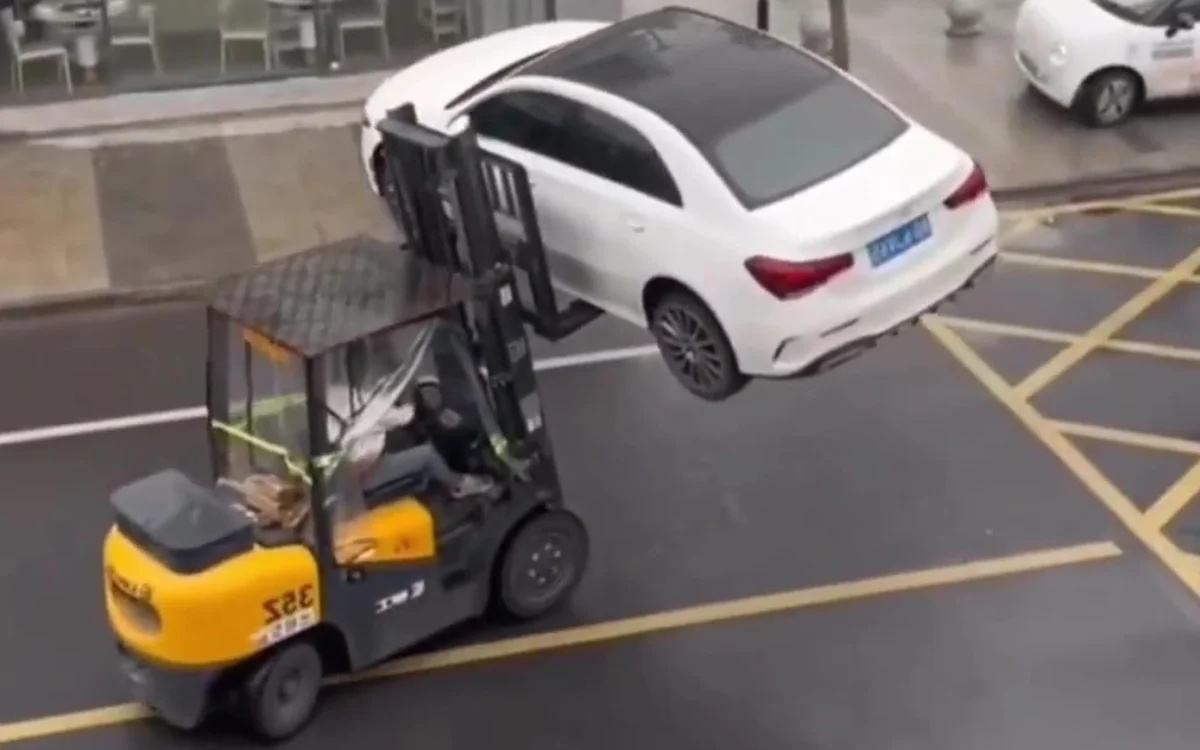
An irregular parking case gains attention after a Mercedes Classe A was removed in such a strange way that it even raised doubts about damage to the car.
-
Costing R$ 16,000, the new Yamaha features a 125 cc hybrid engine with electric assistance, delivers 8.3 hp, includes ABS, optimized fuel consumption, Y-Connect connectivity, 25 liters of storage space, and a surprising 4-year warranty in the urban segment.


Stay here to discover the details and the impact of these fines on national traffic.
In the context of infractions, blocking roads without authorization is classified as a serious infraction, with an initial fine of R$ 17,608.20.
However, for repeat offenders, the amount can double and reach the impressive figure of R$ 35,360.40. And the penalties do not stop there.
According to the Brazilian Traffic Code (CTB), the offender also accumulates 7 points on their driver’s license, and the vehicle can be immediately seized by traffic authorities.
Infractions and Their Classifications
Infractions in Brazil are divided into four categories: mild, moderate, serious, and very serious.
Cars from Volkswagen, Toyota, Chevrolet, Ford, and Fiat are subject to these classifications according to the severity of the infraction committed.
What does this mean in practice? Below are the details of each fine category:
| Type of Infraction | Fine Amount | Points on Driver’s License |
|---|---|---|
| Mild | R$ 88.38 | 3 points |
| Moderate | R$ 130.16 | 4 points |
| Serious | R$ 195.23 | 5 points |
| Very Serious | R$ 293.47 | 7 points |
In the specific case of Article 253A, using vehicles to obstruct roads without authorization is subject to increased penalties. Volkswagen Gol, Fiat Uno, and other popular models do not escape: all are equally subject to strict laws.
Consequences of Blocking Public Roads
The infraction of blocking roads, which reaches the exorbitant amount of up to R$ 35 thousand, is one of the heaviest penalties set forth by the CTB.
According to the article, “no work or event that may disturb or interrupt the free circulation of vehicles and pedestrians, or put their safety at risk, shall be started without prior permission from the traffic authority with jurisdiction over the road.”
In other words, both private events and protests are subject to these sanctions.
The sanctions also apply to pedestrians who, although they do not frequently face fines, may be penalized if they cause disturbances in vehicle circulation.
For many drivers, enforcement may still seem like a mere formality.
However, with the rise in fines, owners of vehicles from manufacturers such as Toyota, Chevrolet, Ford, and Fiat are reconsidering their behavior.
In addition to the fine and points on the driver’s license, penalties for blocking roads include vehicle seizure.
This measure means that the owner must bear the costs of towing and storage of the vehicle in a lot, amounts that add to the already heavy fine.
Fines for Pedestrians
Is it possible for pedestrians to also be fined? Yes, the CTB provides for this situation. Although the amount does not compare to that of automotive infractions, it exists.
“It is prohibited for pedestrians to use the road in groups capable of disturbing traffic, or for the practice of any frolic, sport, parades, and similar activities, except in special cases and with the proper license from the competent authority,” mentions the legislation.
This means that, in extreme situations, pedestrians may be held responsible for causing obstructions.
For those driving a Ford Ranger, Toyota Corolla, or Chevrolet Onix, this news is alarming.
After all, Brazil is increasingly attentive to the behavior of its drivers and the impact of infractions.
Impact of Infractions on Traffic
In addition to financial impacts, this infraction harms the image of manufacturers and their models.
A Volkswagen T-Cross stopped in the middle of an important road with the sticker “seized vehicle” is a visible reminder of the cost of recklessness.
Additionally, the severe penalty seeks to deter drivers of Toyota, Chevrolet, Fiat, and Ford from violating traffic rules.
These manufacturers operate directly in the Brazilian market, and as such, they also end up being involved in the repercussions of their consumers’ actions.
Over the years, they have implemented technologies and awareness campaigns to make traffic safer.
However, it is up to the driver to respect the laws.
What Changes with Such a High Fine?
With the highest fine in the country, the trend is that drivers think twice before committing such serious infractions.
Fiat and Ford, for example, have encouraged responsible driving campaigns aimed at avoiding severe fines like these.
The question that remains is: can manufacturers do more?
Chevrolet already offers defensive driving courses, and Toyota strives to promote sustainability and safety practices.
However, behavior on the road continues to be an individual responsibility.
Are such high fines capable of discouraging infractions, or is more needed to ensure discipline in traffic?







Estas multas incluem os baderneiros do mst? Se sim, porque nunca tivemos notícias sobre este assunto
Que **** de reportagem, porque as marcas de carros foram incluídas? Vou responder só para angariar curiosos uma reportagem e responsável pois nada tem a ver as marcas de carro pois o código de trânsito não estipula marcas de carro para ministrar valores em suas multas o errado é errado e será multado de acordo com o artigo e suas especificações.
Cada dia mais o marketing sujo enganoso **** aparece para confundir e distorcer informações importantes, ao invés de ajudar só atrapalha.