





 Portuguese
  English
  Spanish
  3 min of reading
  1 comment





Utilities Have Imposed Fines of Up to R$ 28 Thousand Just for a Sharp Drop in Energy Consumption, Even in Legal Off-Grid Systems or In Cases of Simple Household Economy.
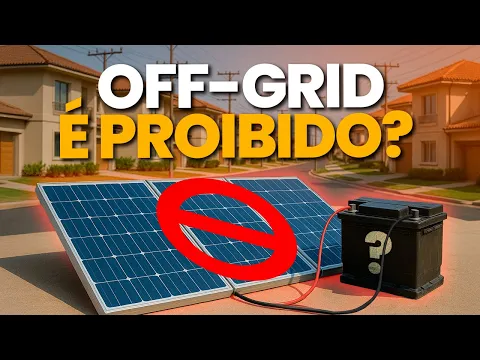
The installation of off-grid solar energy — which operates with its own batteries and does not depend on the electrical grid — is growing across Brazil, but along with it come increasing reports of abuses by utilities. Many consumers who drastically reduced their electricity bills are being fined amounts reaching R$ 28 thousand, unfairly accused of fraud.
According to experts from E4 Renewable Energies, the problem is that utilities treat the sharp drop in consumption as an indication of “theft.” However, by law, off-grid systems do not require certification since they do not inject energy into the grid.
How Off-Grid Systems Work
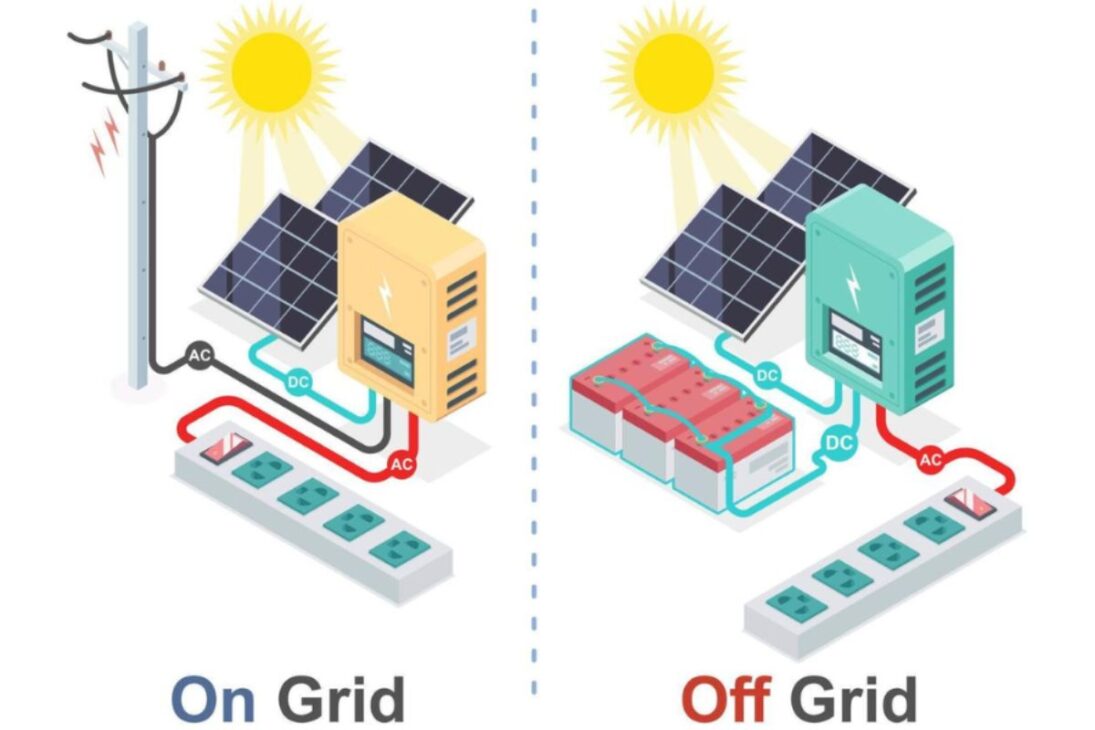
The off-grid model is completely independent of the utility. The energy captured by solar panels is stored in batteries and consumed within the home, without interaction with the grid. This means that electricity bills can drop from 300 to 500 kWh/month to less than 100 kWh, as only a few appliances remain connected to the public grid.
-
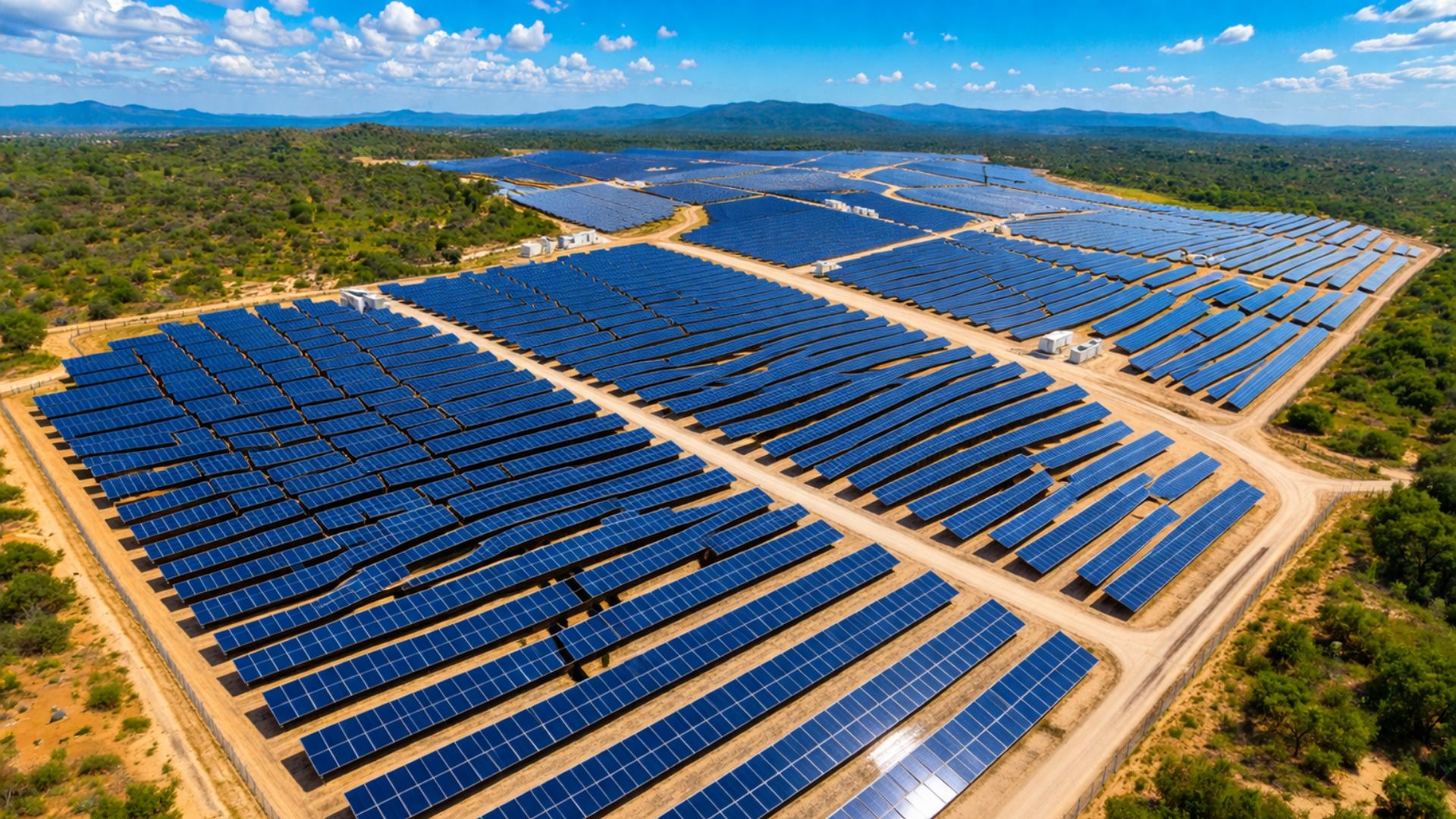
The Sol do Agreste Photovoltaic Complex begins operations in Pernambuco and accelerates the expansion of solar energy in Brazil, directly impacting the reduction of emissions and strengthening the sustainable energy matrix.
-
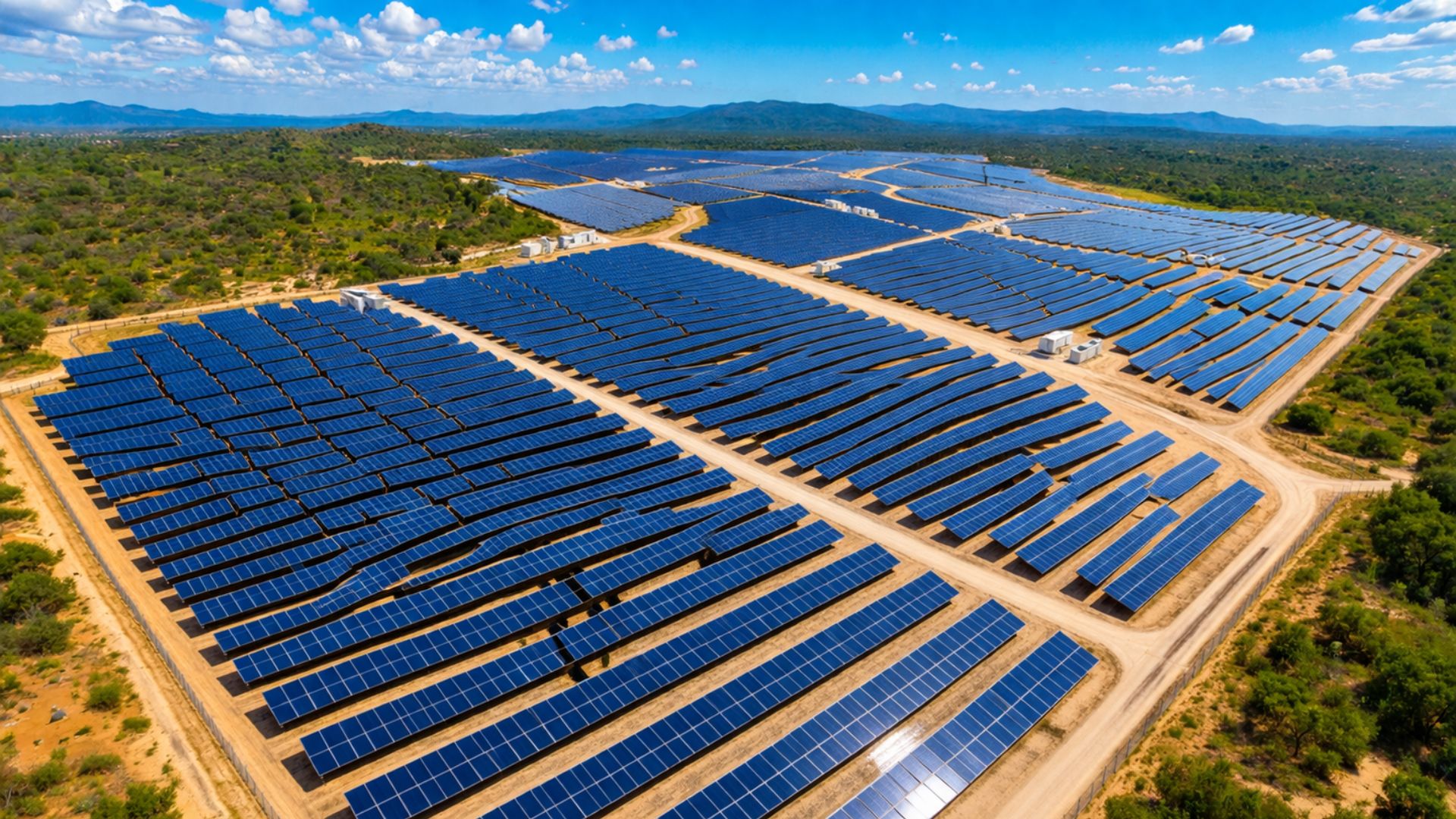
The Sol do Agreste Photovoltaic Complex begins operations in Pernambuco and accelerates the expansion of solar energy in Brazil, directly impacting the reduction of emissions and strengthening the sustainable energy matrix.
-
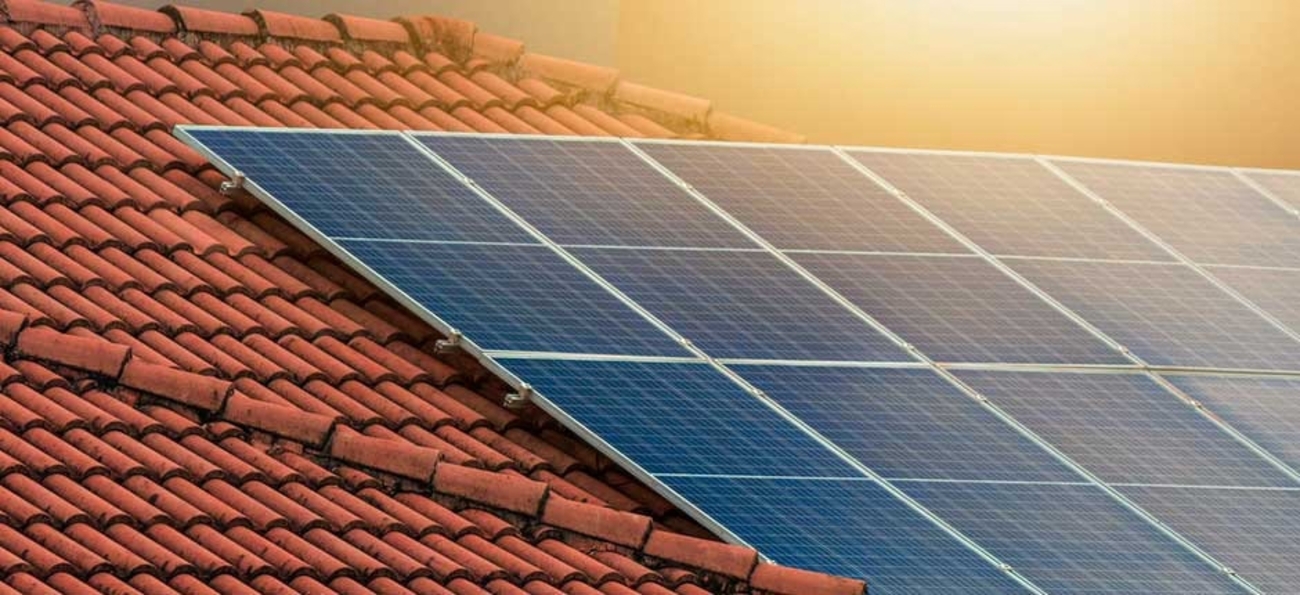
Roraima bets on the sun to escape high tariffs: Amid the energy crisis and price hikes, solar energy is growing in Roraima and transforming consumption in the North region.
-
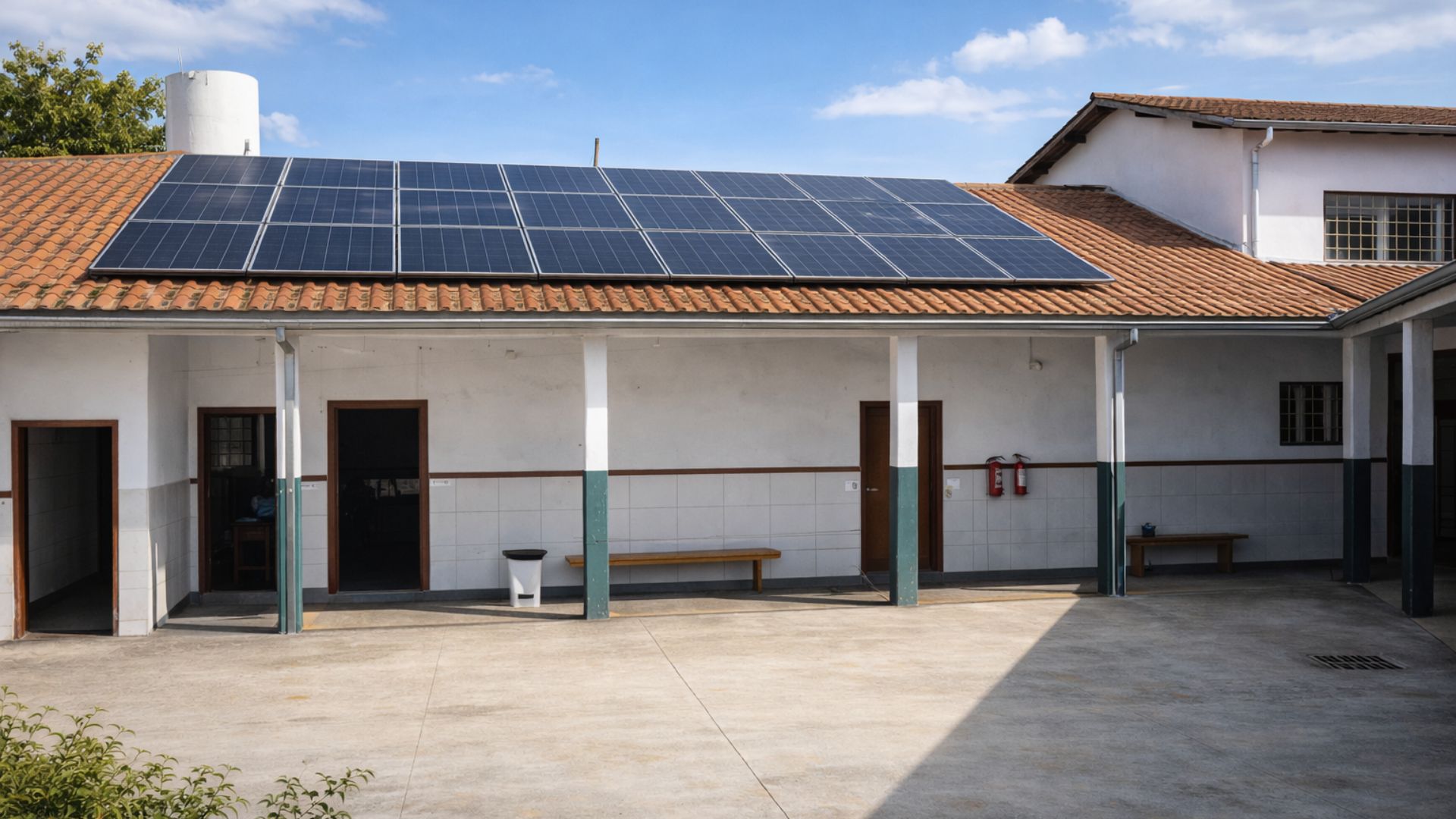
Copel boosts solar energy in Paraná and brings innovation to public schools, promoting savings on electricity bills, energy efficiency, and a direct impact on the quality of education.

This behavior is legitimate and expected in homes that opt for energy self-sufficiency. The problem is that, in many cases, energy companies interpret the drop in consumption as fraud, even without finding any technical irregularities in the meter.
Fines Imposed Without Evidence of Irregularity
There are reports of penalties of R$ 5 thousand, R$ 12 thousand, and even R$ 28 thousand against consumers who did nothing more than save. In some cases, there were not even solar panels: families who traveled for long periods or replaced old appliances with efficient models were also fined.
According to the Consumer Defense Code and recent court decisions, the utility has the obligation to prove fraud, not the other way around. Just the drop in consumption does not justify a penalty. Several customers have already managed, in court, to annul the charges and even obtain compensation for moral damages.
What to Do to Avoid Problems

Experts recommend some preventive measures for those installing off-grid systems:
- Notify the utility in advance about the change in consumption pattern.
- Change the account holder, creating a new consumption history.
- Document the installation of the system and keep invoices and technical reports.
These actions help reduce the risk of incorrect fines and provide evidence in case of judicial dispute.
Courts Have Ruled in Favor of Consumers
When the utility imposes fines without technical proof, the courts have reiterated that no penalty is warranted based on mere presumption. In several rulings, in addition to annulling the charges, courts have ordered financial compensation for affected consumers.
Do you think that utilities act abusively in these cases of off-grid solar energy? Have you been through a similar situation? Share your experience in the comments — your account can help other consumers protect themselves.









Infelizmente quem postou a reportagem não conhece absolutamente NADA do assunto de cobrança de irregularidades de energia, já fiz defesas técnicas e obtive sucessos de cobranças acima de 100 mil, duzentos mil, trezentos mil, quatrocentos mil. As concessionarias do pais depois de colocar equipes terceirizadas, sem nenhum treinamento adequado para desempenhar tarefa com tanta complexidade e tantos procedimentos a serem cumpridos conforme EXIGE a resolução 1.000 ANEEL atualmente vigente, permite o CANCELAMENTO das cobranças do consumidor. O que ocorre é a TOTAL falta do conhecimento técnico na elaboração dos argumentos nos recurso de defesa.
Tenho 40 anos de experiencia nesse segmento, de montagem, de defesas na esfera administrativa, junto a concessionaria, sua ouvidoria e finalmente agencia reguladora (ANEEL)