





 Portuguese
  English
  Spanish
  4 min of reading
  0 comments


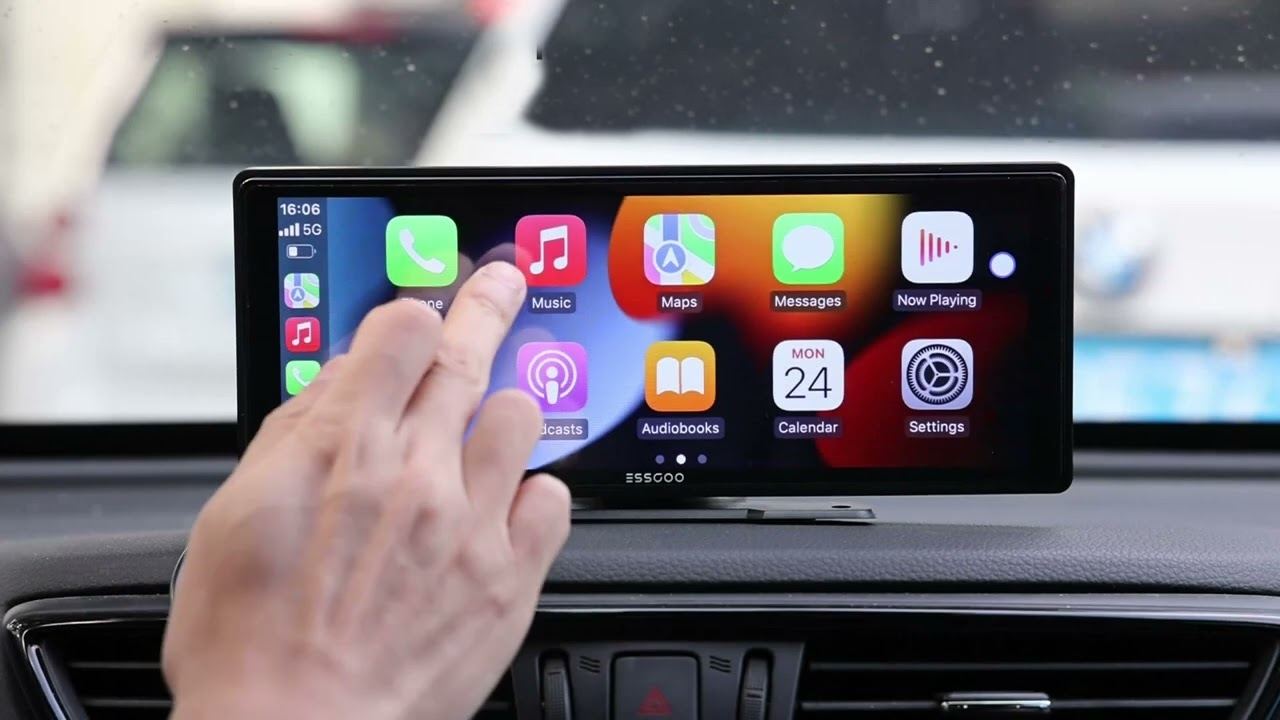
The Demand for Accessible Multimedia Centers Has Grown Among Drivers Who Want to Modernize Their Cars Without Spending Too Much. Among the Most Talked-About Options Is the Multimedia Priced at 400 Reais Sold on Shopee, Equipped with Wireless Apple CarPlay and Extra Features.
After a month of testing, the R$ 400 multimedia sold on Shopee with Wireless Android Auto and Apple CarPlay was evaluated in detail on the PROLife21 channel on YouTube.
The content creator highlighted the main positive and negative points of the device, comparing it with a simpler R$ 200 version.
The complete analysis shows how the equipment performs in everyday use, especially in terms of connectivity, usability, and performance.
-
The car stored for 38 years: when opening the barn door, what appears is breathtaking and looks like a scene from a movie!

-
Fiat works miracles in the Brazilian market, lowers the price of its 0 km hatch to R$ 69,990, reestablishes the model as the cheapest car in the country, and reignites the battle against Kwid and C3.
-
Chevette with cooking gas: How the gas cylinder ends up being used in cars clandestinely and why this makeshift solution can result in leaks, explosions, damaged engines, and seized vehicles.

-
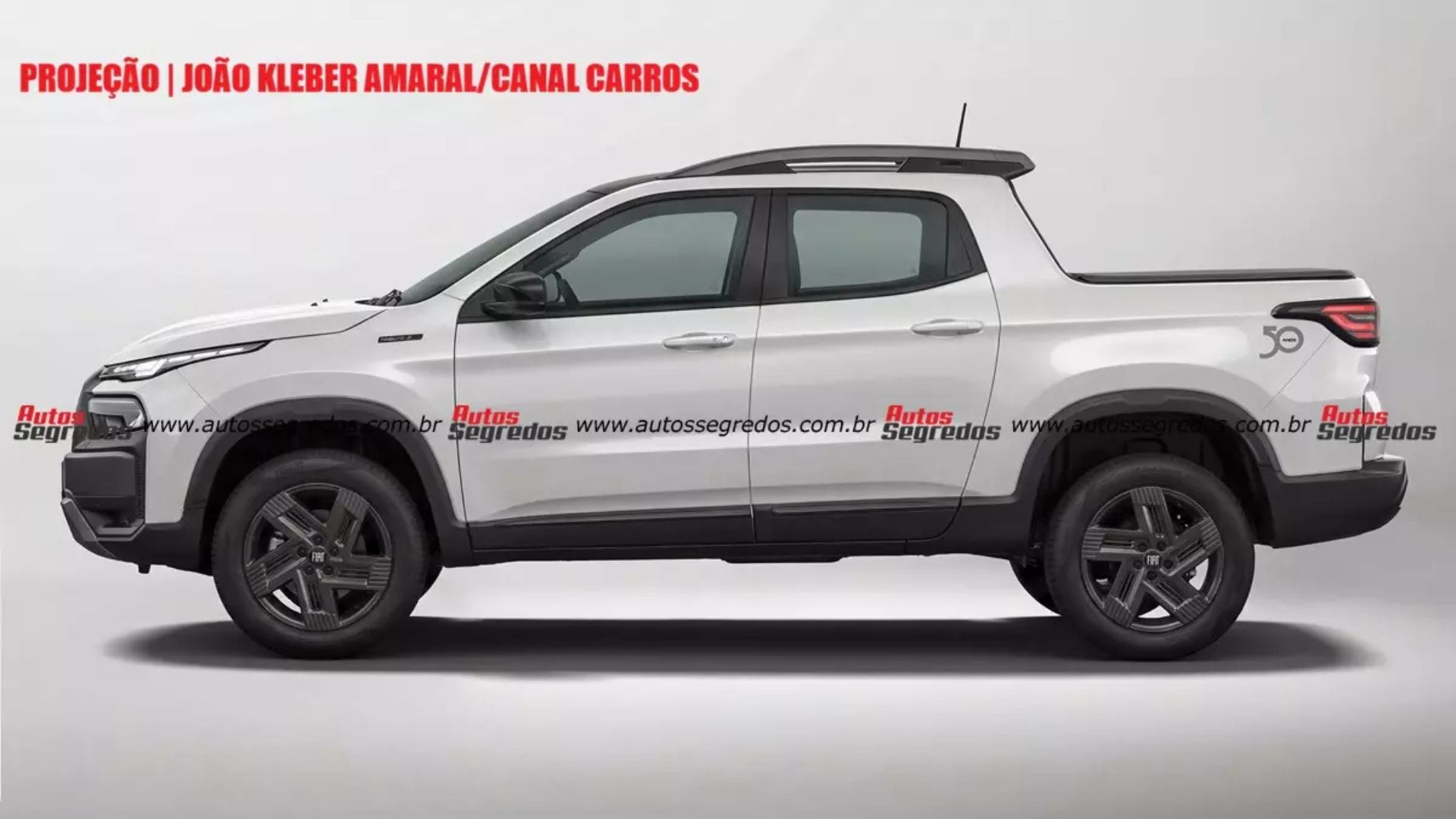
Fiat launches the new 2027 Toro hybrid with 48V, 176 hp, an electric motor of 15.5 hp, a 0.85 kWh battery, up to 7% fuel savings, 8% fewer emissions, and possible exemption from IPVA.

Connectivity as the Main Differential
The standout feature of the R$ 400 multimedia is its connectivity. The equipment powers on automatically as soon as the car is unlocked, immediately searching for the phone to activate Apple CarPlay.
This allows the route to be configured upon entering the vehicle, without the need for manual interaction.
This feature proved to be extremely useful for everyday use, ensuring practicality and speed.
The good performance is due to the synchronization with the car’s USB port, which powers the multimedia as soon as the vehicle is unlocked.
This function provides almost instantaneous integration between the phone and the center, eliminating stages that, in other centers, consume time.
Glass Screen and Touch Response
Another positive point highlighted was the touch quality. The glass screen offers an experience similar to that of a smartphone, with precision and speed.
The user does not need to apply force for the commands to be recognized, making navigation smoother and more pleasant. This detail differentiates the R$ 400 multimedia from the R$ 200 version, whose touch is described as rougher.
Despite the good touch response, the screen reflects light in brighter situations, especially under direct sunlight.
The brightness, even when adjusted to maximum, does not completely eliminate this inconvenience, although maps and routes can still be viewed without major difficulties.
Virtual Assistant Integrated into Daily Life
One of the most used features was the integration with the phone’s virtual assistant. With voice commands, the driver can set routes, check weather information, and even receive notifications from the device. This function ensures more safety for the driver, who can keep their hands on the wheel and eyes on the road.
During testing, the multimedia proved to be effective in interacting with Siri, offering quick and accurate responses. Additionally, the center displays important information on the screen, such as battery level, network signal, and time, reinforcing its practical utility.
Audio with Multiple Connection Options
The multimedia allows different ways to transmit audio.
The main one is the Bluetooth connection, which allows the simultaneous use of Apple CarPlay and the car’s sound system. In tests, this configuration worked flawlessly.
For those with vehicles without Bluetooth, alternatives exist: connection via auxiliary input or synchronization of FM frequencies between the multimedia and the car radio. This variety of options increases the device’s compatibility.
Negative Points Observed in Use
However, not everything was pleasing during the month-long experience. Among the negative points, excessive screen reflection stands out as one of the main annoyances, especially in well-lit external environments.
Additionally, the device is heavier than the R$ 200 version, causing noise in the car’s original mount during travel on uneven surfaces.
Another detail observed was the transition between screens and applications. Despite the good touch response, internal navigation proved to be less smooth than in the R$ 200 multimedia.
This difference, noticed when opening applications and switching between pages, generates the feeling of a slower interface.
Comparison Between the R$ 200 and R$ 400 Versions
The direct comparison between the two versions reveals advantages and disadvantages for each model. While the R$ 400 multimedia delivers a better touch experience, faster integration with the phone, and additional resources like the virtual assistant, the R$ 200 version excels in interface smoothness and lower screen reflection.
In terms of practicality, both offer the feature to power on automatically when unlocking the car and connecting to Apple CarPlay. However, the choice between the models may vary according to the user’s priority: interface fluidity or touch experience and connectivity.
The month-long test showed that the R$ 400 multimedia from Shopee has as its main strengths automatic connectivity, touch quality, and integration with the virtual assistant.
These features make driving more practical and safe. On the other hand, screen reflections, heavy weight, and a less fluid interface than the cheaper version are limitations that deserve attention.
Therefore, the purchasing decision should consider the driver’s profile and the vehicle’s conditions. For those who value voice commands, responsive touch, and direct integration with the phone, the R$ 400 option delivers good advantages. For those who prioritize lightness, lower reflection, and smoother transitions, the R$ 200 multimedia is still an interesting alternative.









Seja o primeiro a reagir!