





 English
  Francês
  Alemão
  Italiano
  Japonês
  Norueguês
  Portuguese
  Spanish
  3 min of reading


After Record Losses in the Second Quarter of 2020 and the First Dividend Cut in a Decade, BP Revealed Parts of Its New Strategy That Would Reshape the Company from an International Oil Firm to an Integrated Energy Company
BP said yesterday that it intends to increase its annual investment in low carbon by tenfold to about US$ 5 billion per year by 2030. It will be “building an integrated portfolio of low-carbon technologies, including renewables, bioenergy, and early positions in hydrogen and CCUS.” The company plans to develop around 50GW of net renewable generation capacity by the end of the decade – a 20-fold increase from 2019 – and double its interactions with consumers to 20 million per day.
Check Out Other News:
- Proquigel Takes Over Petrobras Nitrogen Fertilizer Plants in Bahia and Sergipe for Ten Years (Fafen)
- French Oil and Gas Multinational Total Opens Positions in Rio de Janeiro for Candidates Without Experience in Internship Program
- Pecém Steel Company Hires Technicians, Analysts, Engineers, and More Professionals for Job Openings in Ceará
During the same period, BP plans to reduce oil and gas production by at least one million barrels of oil equivalent per day, or 40% from 2019 levels. The company expects its remaining hydrocarbon portfolio to be more economical and resilient to carbon.
Upstream oil and gas production is expected to decrease from 2.6 mm boepd in 2019 to about 1.5 mm boepd, while refining throughput is projected to drop from 1.7 mm bpd in 2019 to around 1.2 mm bpd. The company also emphasized completing major ongoing projects and halting exploration in countries where it has no upstream activities.
-
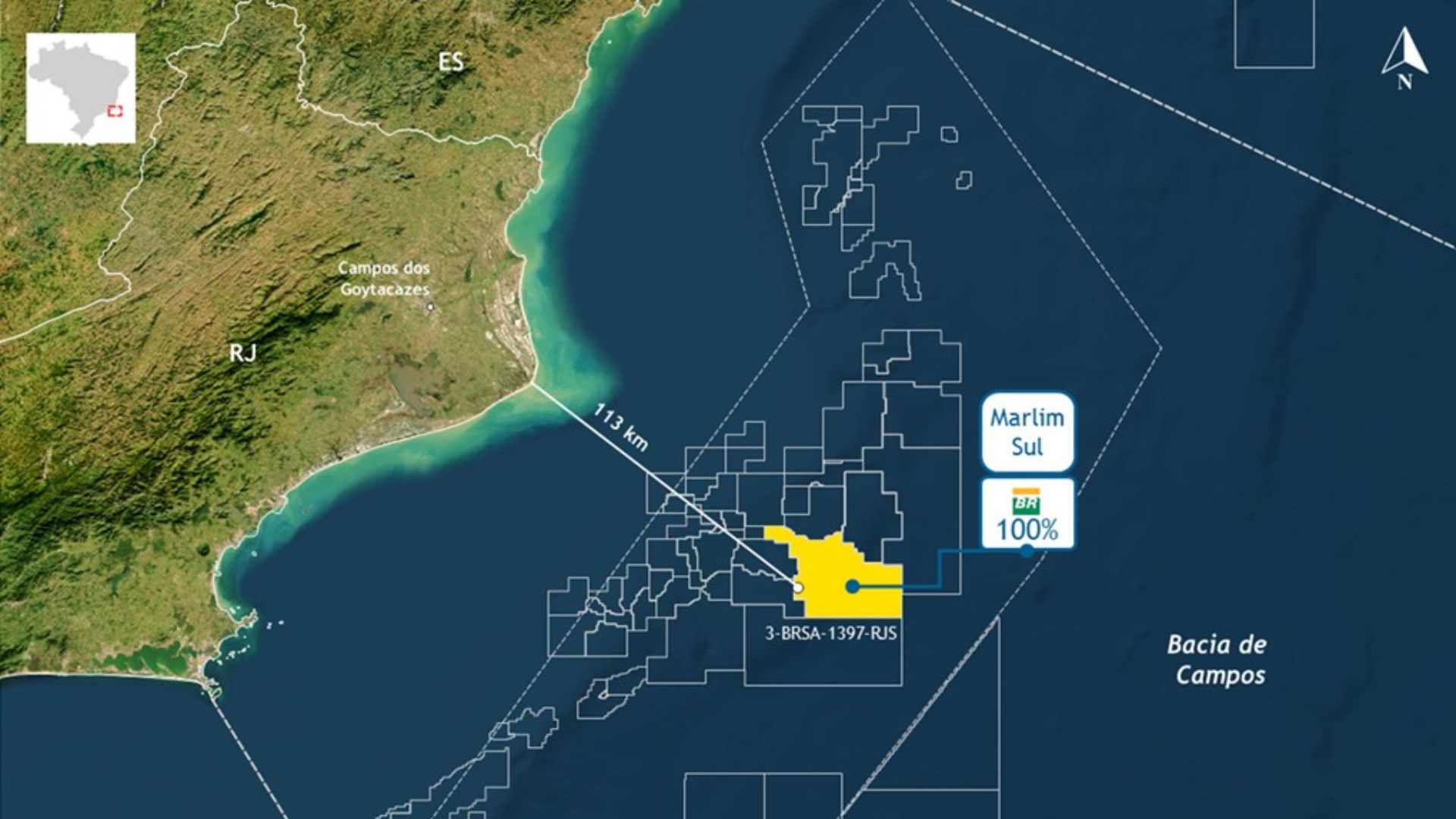
Petrobras finds high-quality oil in the pre-salt at 113 km from RJ and reignites expectations about strategic reserves in the Campos Basin.

-
Ocyan opens registrations for startups focused on innovation in the oil and gas sector and will select projects for Innovation Day with the support of Nexio.

-
Petrobras announces new oil discovery in the pre-salt of the Campos Basin and reinforces Brazil’s prominence with high-quality reserves that can increase production and energy revenues.
-
Alert in the fuel market: Analysts and a former director of ANP warn that oil prices may worsen in the coming months due to global instability.


It noted that it considers its 19.75% stake in Rosneft as a key part of its broader portfolio, providing BP with a strong position in Russia. Furthermore, BP aims for emissions from its operations and those associated with carbon in its upstream oil and gas production to be reduced by 30-35% and 35-40%, respectively, by 2030.
Helge Lund, BP’s chairman, said, “Energy markets are fundamentally changing, shifting toward low carbon, driven by societal expectations, technology, and changing consumer preferences.”
“And in these transforming markets, BP can compete and create value based on our skills, experience, and relationships. We are confident that the decisions we are making and the strategy we are defining today are right for BP, our shareholders, and society at large.”
Bernard Looney, BP’s CEO, Said:
“BP has been an international oil company for over a century – defined by two core commodities produced by two main companies. Now, we are pivoting to become an integrated energy company – from IOC to IEC. From a resource-driven company to one focused on providing energy solutions to our customers.”
“We believe that our new strategy provides a comprehensive and coherent approach to turning our ambition of net zero into action. The next decade is critical for the world in the fight against climate change, and driving the necessary change in global energy systems will require action from everyone.”
“Therefore, in the coming years, BP will significantly expand our low-carbon energy business and transform our mobility and convenience offerings. We will focus on and reduce our portfolio of oil, gas, and refining. And as we reduce emissions on our path to net zero, we are committed to continuing to deliver long-term value to our stakeholders.”
“We bring with us over 100 years of experience immersed in the world of energy. We deeply understand energy markets and have developed unique capabilities in trading, marketing, technology, and innovation.”
Some other targets set in the strategy include increasing bioenergy production from 22,000 b/d to over 100,000 b/d, growing its hydrogen business to achieve a 10% share in key markets, increasing electric vehicle charging points from 7,500 to over 70,000, and establishing energy partnerships with 10 to 15 major cities worldwide and three key sectors. All by the end of the decade.
It is worth mentioning that BP did not disclose the entire strategy on Tuesday. The company reported that it will provide more details about its strategy, business plans, and investor proposition at the Capital Markets Day presentations from September 14 to 16.









Seja o primeiro a reagir!