





 English
  Francês
  Alemão
  Italiano
  Japonês
  Norueguês
  Portuguese
  Spanish
  3 min of reading


New JBS Fertilizer Sector Receives Million-Dollar Investments and Promises to Help in the Company’s Goal of Reducing Pollutant Gases
It was confirmed yesterday, March 18, in a statement released by JBS, that the company specialized in the food industry took the first step toward the start of entirely Brazilian fertilizer production, a product affected by the conflict in Eastern Europe. To operate in this sector, JBS’s New Business division made substantial investments and developed Campo Forte Fertilizantes, which has already begun operating a factory located in the municipality of Guaiçara, in the state of São Paulo.
According to the original article on the Broadcast website, this unit, which will have the capacity to produce 150 thousand tons of fertilizers per year, received million-dollar investments totaling R$ 134 million. According to JBS itself, with these substantial investments in the company’s new branch, it is making progress toward its goal of zeroing its net balance of greenhouse gas emissions over the next 8 years, by 2040.
Thanks to significant investments in research and technology, Campo Forte will manufacture a line of organic, organomineral, and special fertilizers, based on the utilization of organic waste and mineral-origin raw materials. The operation of JBS’s new arm will provide services both to companies (B2B) and directly to end consumers (B2C). Thus, JBS’s fertilizer sales are planned in a technical and consultative manner, supported by analyses conducted by laboratories and assistance at the time of purchase decisions.
-
‘Interlocking brick’ made of earth arrives in the construction industry with cost reductions of up to 40% on the project.
-
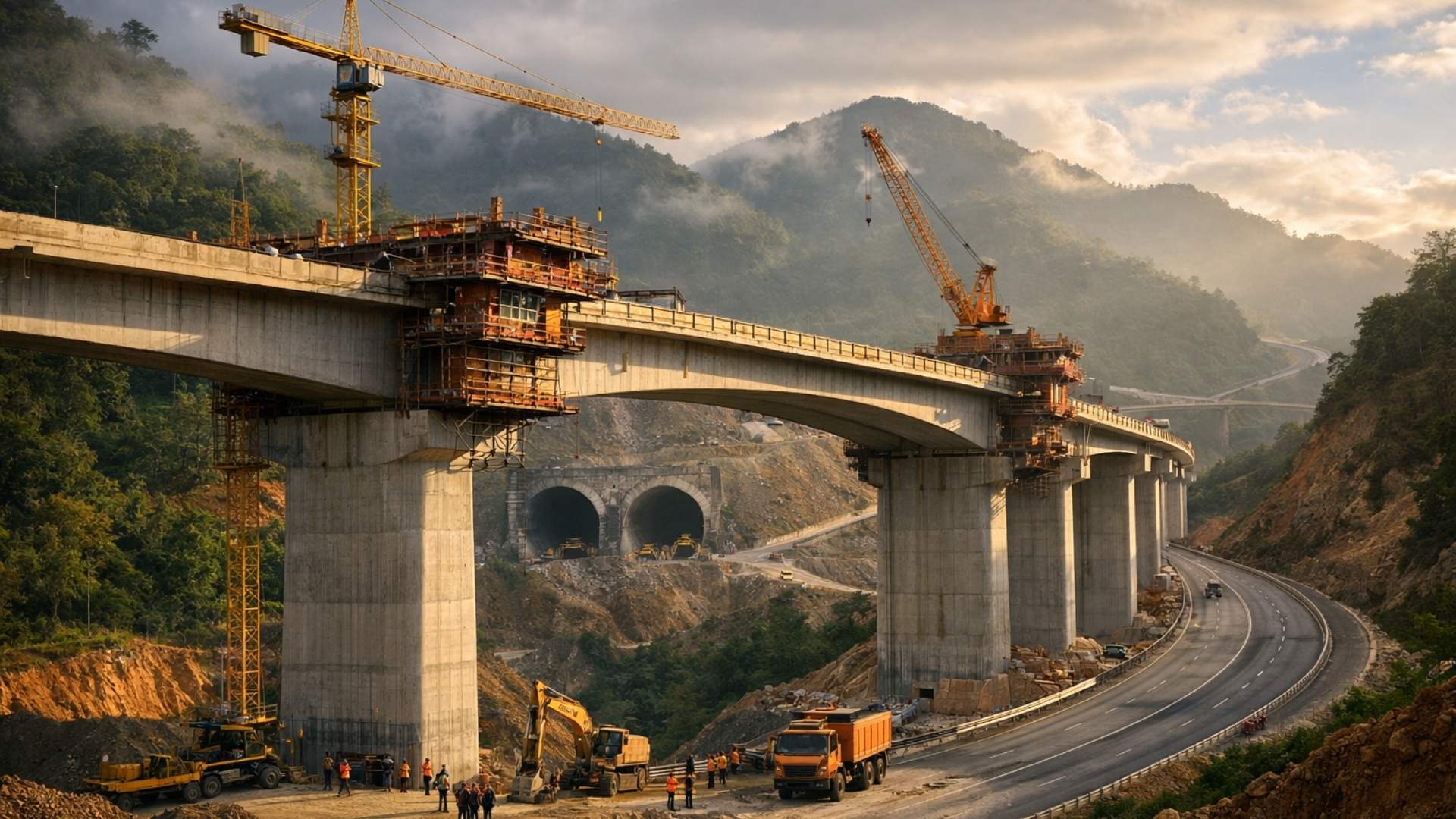
Espírito Santo will receive the largest engineering project in its history with the duplication of BR 262, which will have 50 viaducts, 28 bridges, and 2-kilometer tunnels cutting through the most challenging mountainous region of the entire state.

-
A project of nearly 9 million reais already has the first kilometer paved in Santa Catarina and promises to completely transform the access between Jaraguá do Sul and Rio dos Cedros in an area where tourism is growing at a rapid pace.

-
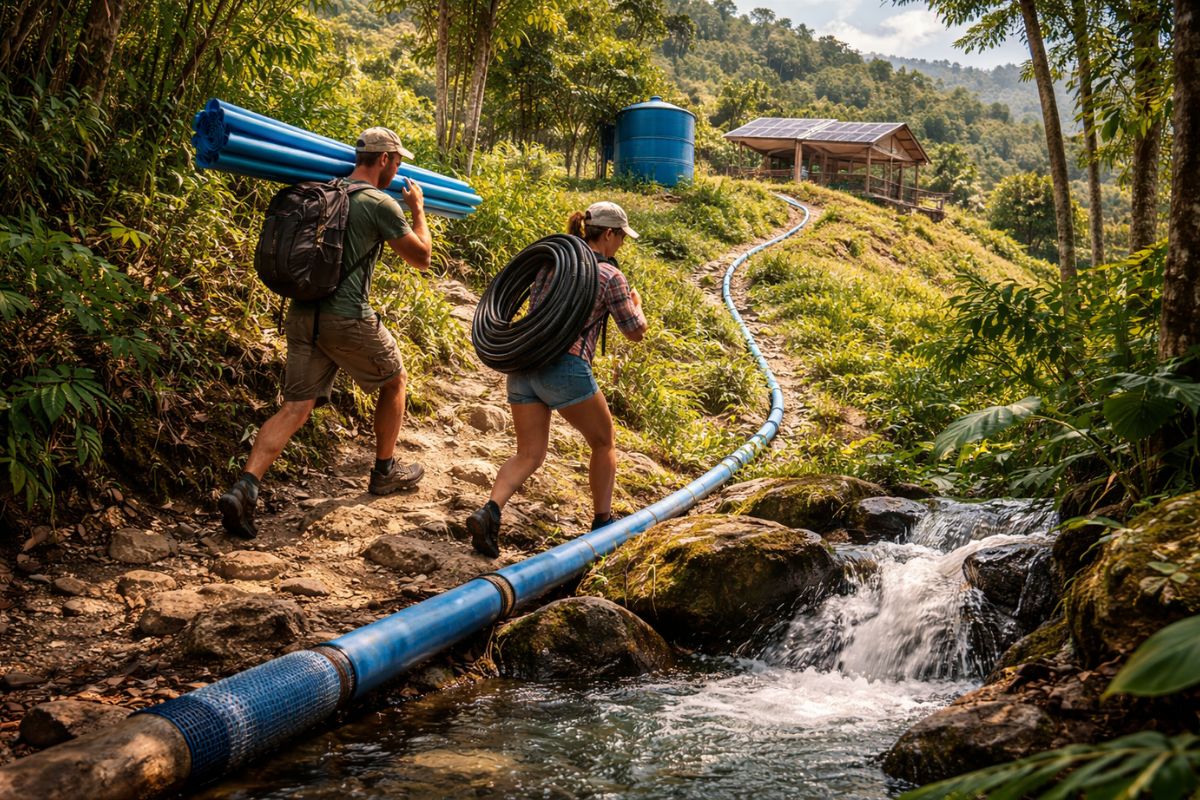
A couple builds a system to bring water from the spring to their land, climbs a hill with materials on their backs, and creates a simple, cheap, and sustainable solution to ensure their own water supply.

In this way, initially, JBS will focus its efforts on selling its fertilizers aimed at the cultivation of soybeans, corn, coffee, sugarcane, fruit and vegetables, as well as forests and pasture fields.
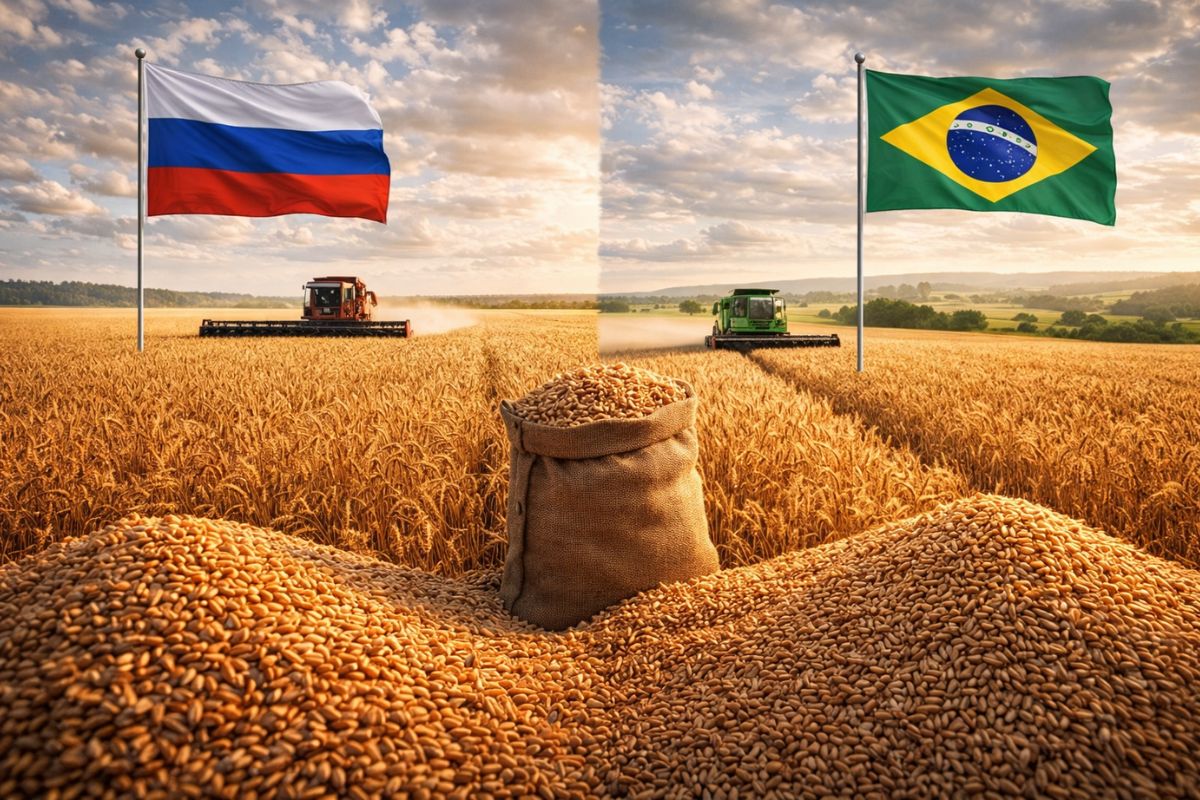
The national production of fertilizers by JBS will certainly contribute to Brazil’s economy, which is heavily dependent on importing Russian and other countries’ inputs.
About JBS
This giant company is a Brazilian multinational that has been operating for nearly 70 years, recognized as one of the global leaders in the food industry. Present in more than 20 countries, its headquarters is located in the city of São Paulo.
In all locations where it operates, over 250,000 employees follow the same guidelines regarding sustainability aspects – economic, social, and environmental – innovation, quality, and food safety, applying the best practices, always based on the same Mission and Values.
JBS has a diverse product portfolio, with options ranging from fresh and frozen meats to ready-to-eat meals, marketed through renowned brands in Brazil and abroad, such as Friboi, Doriana, 1953, Swift, Swift Prepared Foods, Seara, Seara Gourmet, Massa Leve, Pilgrim’s Pride, Primo, among others. The company also invests in related products, such as leather, biodiesel, collagen, natural casings, personal hygiene and cleaning products, metal packaging, transport, and waste management solutions, recycling, innovative operations, and those that also promote the sustainability of the entire value chain of the business.
Watch the short video below to learn more about the so-called New Businesses, which now include investments in fertilizer production:

Why Doesn’t Petrobras Produce Fertilizers in Brazil, Being Dependent on Imports from Russia?
About 80% of the fertilizers used in Brazil’s agricultural production come from abroad, with 23% of these fertilizers being imported from Russia, according to data from the Ministry of Economy. In 2021 alone, around 41.6 million tons were purchased, at a cost of USD 15.1 billion. High values that could be minimized if there were domestic production. However, Petrobras has given up this type of production. To learn more, click here to read the full news.




Seja o primeiro a reagir!