






 Portuguese
  Spanish


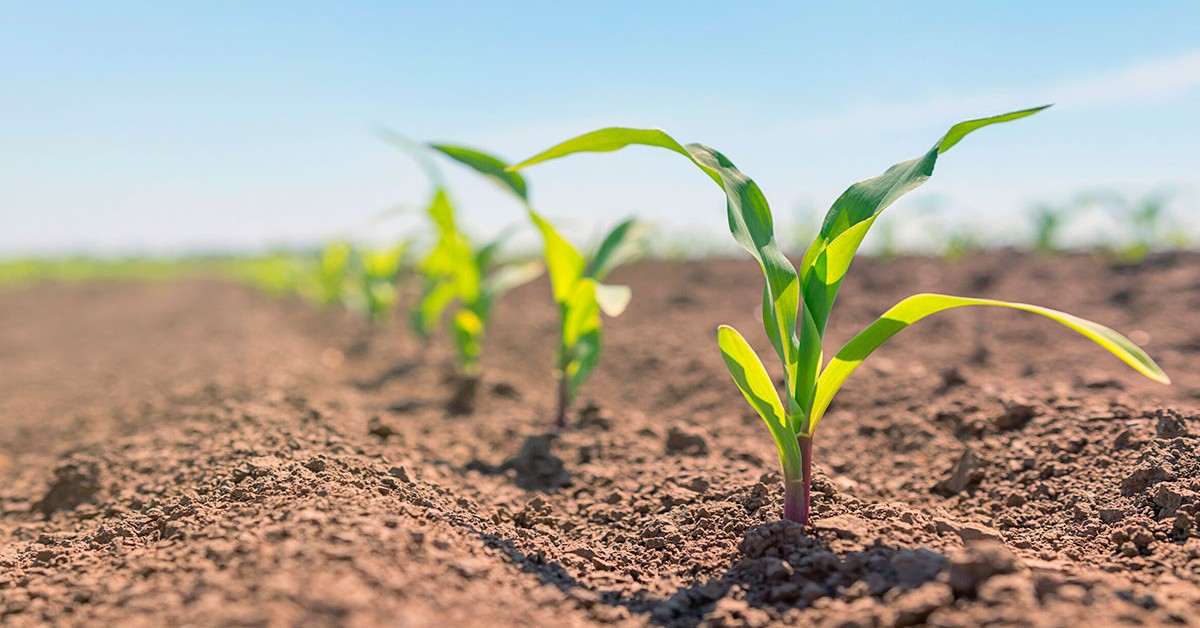
According to UFMG Professor Raoni Rajão, two-thirds of the potassium reserves, a key input used in fertilizers in Brazil, are found in the states of Minas Gerais, Sergipe, and São Paulo, and only 11% are located in indigenous lands
Brazilian agricultural producers are concerned about the consequences for agriculture caused by the war in Ukraine, due to the supply of fertilizers as 50% of potassium imports come from Russia and Belarus, according to Embrapa. In light of this fact, the Federal University of Minas Gerais reports that Brazil has sufficient potassium reserves to supply the country until the year 2100.
Also Read:
In addition to the potassium reserves in Minas Gerais, Sergipe, and São Paulo, there are also reserves in the Amazon; however, 11% of the deposits are located in indigenous lands. The project proposing the mineral exploration of indigenous lands may be discussed again in the House of Representatives after being stalled for two years.
Brazil’s Dependence on Potassium-Based Fertilizer Imports
Currently, Brazil is dependent on the import of phosphorus, nitrogen, and potassium-based fertilizers to ensure agricultural production. Fertilizers serve to correct soil and increase crop yield.
-
Major Brazilian Supermarkets, Including Carrefour and Assaí, May Close Earlier to Prevent Price Increases

-
Coca-Cola Shuts Down 100-Year-Old Factory in the U.S., Impacting 85 Workers and Shaking Local Community with Historic Consequences
-
Bianca Andrade Invests $30 Million of Her Own Money in Boca Rosa, Launches Over 100 Products in a Year, Aiming for $400 Million by 2026
-
Belo Horizonte Becomes First Brazilian City to Fund Housing, Utilities for 100 Homeless Families with $900,000 Initiative


According to Professors Raoni Rajão and Everaldo Zonta, Brazil was self-sufficient in potassium imports until 1990. Both professors agree on the need for a national policy for potassium export. The Ministry of Agriculture, Livestock, and Supply is expected to launch a national fertilizer plan later this month.
Raoni believes the war is highlighting the importance of investing in Brazil’s domestic market but argues that incentives are needed to generate competition with international companies that dominate sales.
“The federal government is preparing a fertilizer plan, but this involves several important points, such as equating tax issues. In Brazil, if you produce, you pay 8% ICMS. If you import, you pay no tax. It does not make sense to have this differential treatment, in addition to the need for a long-term action, with incentives from public banks,” the professor stated in an interview with CNN.
Potassium Stocks for Three Months
According to the National Association for the Diffusion of Fertilizers (Anda), producers have fertilizer stocks for three months. Anda is in dialogue with the government to find a solution to the problem and hopes that the war in Ukraine ends as soon as possible;
The Ministry of Agriculture informed CNN that Brazil has fertilizers to ensure planting until October. It was also reported that a training caravan is being prepared regarding fertilizer efficiency, aiming to save US$ 1 billion on the input.
Decline in Fertilizer Imports May Lead to Excessive Mining in Indigenous Lands of the Amazon
The conflicts between Ukraine and Russia have resulted in a significant fertilizer import deficit in the Brazilian market and a series of discussions about the mineral reserves in the Amazon. Thus, last Wednesday (02/03), President Jair Bolsonaro expressed support for a bill that would allow potassium mining in areas of the region, including indigenous lands, without considering the impacts of such activities. To learn more, check out this article in full by clicking here.






Be the first to react!