





 English
  Francês
  Alemão
  Italiano
  Japonês
  Norueguês
  Portuguese
  Spanish
  2 min of reading


Cargill Wants to Add Giant Wind Energy Sails to Cargo Ships to Reduce Carbon Emissions
Cargill, the world’s largest agricultural commodities trader, plans to harness wind energy by installing enormous sails on part of its fleet of cargo ships to reduce fuel use and greenhouse gas emissions. Shipping is responsible for about 90% of global trade and nearly 3% of anthropogenic carbon dioxide emissions.
Read Also
Cargill Promises to Reduce Carbon Emissions Using Wind Energy on Ships
The industry has pledged to cut greenhouse gas emissions by 50% by 2050, compared to 2008 levels. How it will achieve this and which new fuel technologies it will use to replace traditional oil-based fuels on ships is still in question.
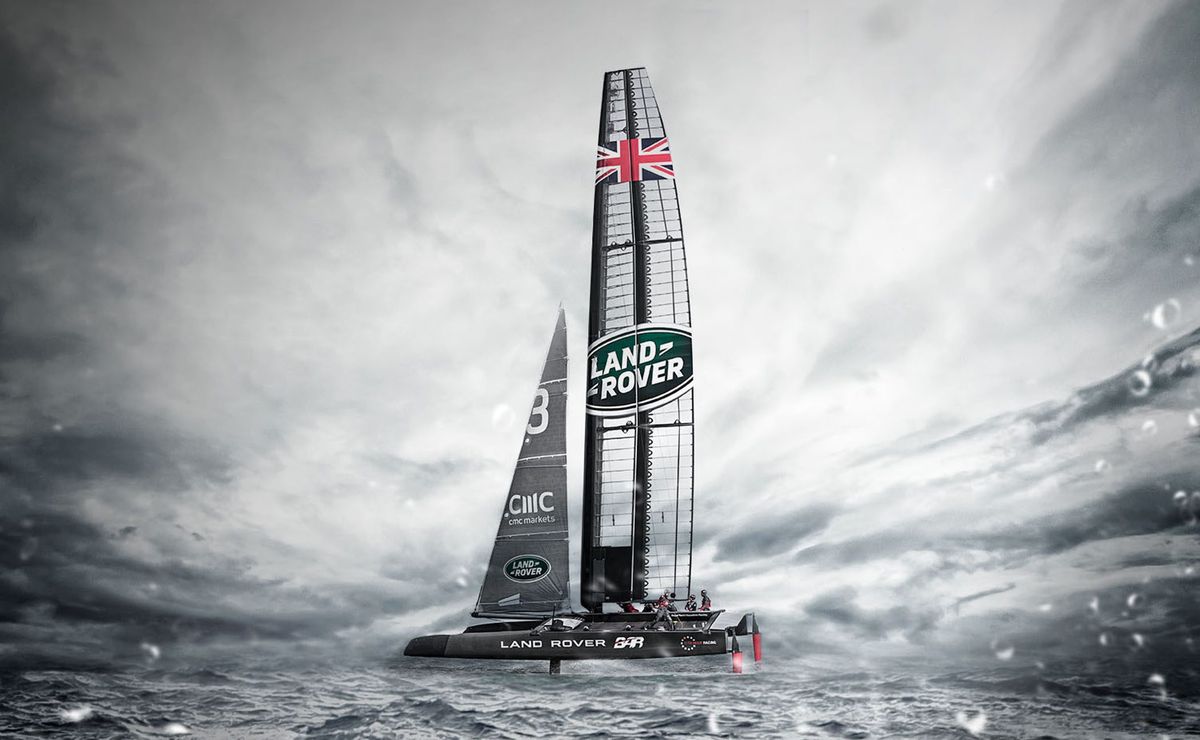
Cargill wants to add – in an untested idea – solid wing sails to harness wind energy, up to 45 meters (148 feet), attached to the decks of specially designed cargo ships that the trader and its partners say can reduce fuel use by up to 30%. Minnesota-based Cargill has about 600 chartered ships at any given time.
-
With 160,000 m² of collectors, an area larger than 20 football fields, Silkeborg, in Denmark, hosts a solar thermal plant that heats 19,500 homes and could become the largest solar heating plant in the world.

-
A study reveals the expansion of renewable energy procurement in Brazil and shows how companies are taking advantage of opportunities to reduce expenses, ensure energy efficiency, and strengthen strategic environmental commitments.

-
Mato Grosso do Sul excels in the sugar-energy sector: the state reaches a milestone of 22 operating mills and accelerates the production of clean energy in MS with a focus on sustainability.

-
National energy dilemma: Brazilians support clean energy but reject increases in tariff costs to finance the sustainable transition.


Carbon Costs
Some of the leading charterers and shipowners, including oil and metals trading giant Trafigura Group, have proposed a carbon dioxide emissions tax to reduce the industry’s footprint and meet climate goals.
The new wind energy sail venture, which could have MR2 tankers each equipped with three wings in the water by 2022, is being completed in partnership with BAR Technologies, a British company spun off from Ben Ainslie Racing (BAR) – the namesake British sailing team of the Olympic medalist and America’s Cup winner. No specific financial details have been disclosed.










Seja o primeiro a reagir!