





 English
  Francês
  Alemão
  Italiano
  Japonês
  Norueguês
  Portuguese
  Spanish
  3 min of reading


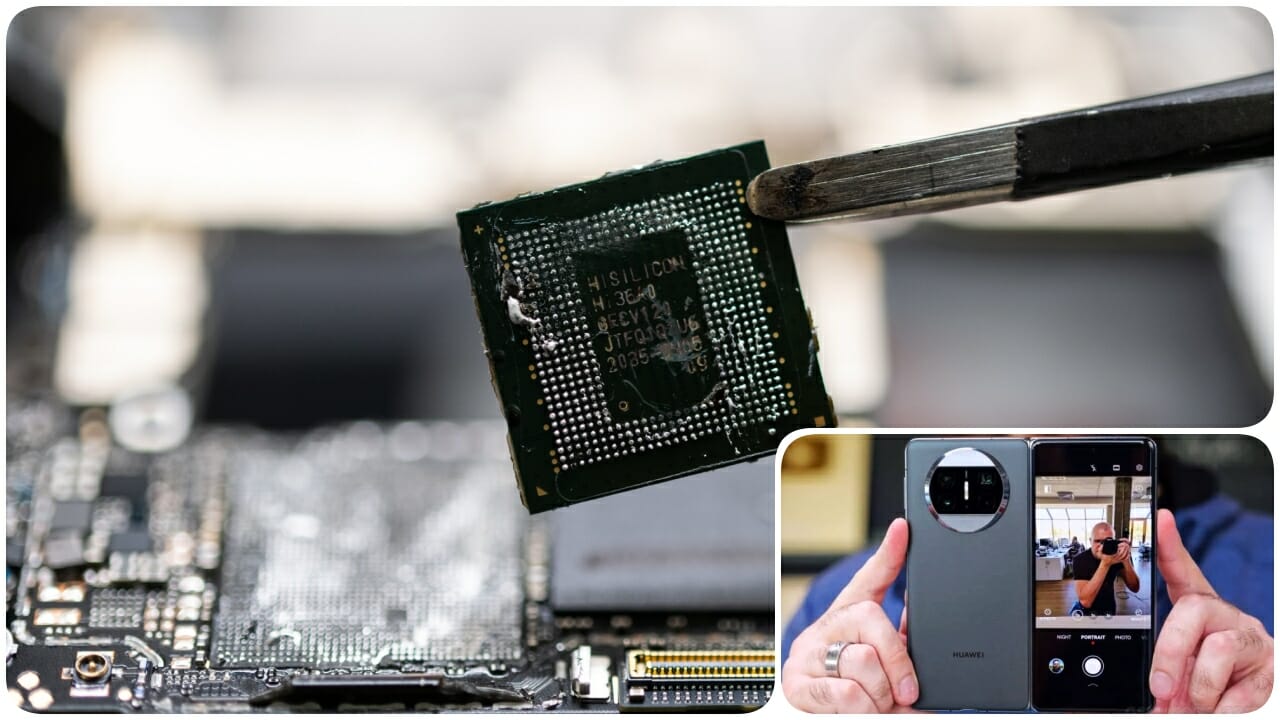
Besides The Fraud And Sanction Violation Accusations Against Iran, The US Claims That Huawei Devices May Be Used For Espionage By The Chinese Government
Since 2018, the beginning of the sanctions, Huawei has been at the center of a global technological battle, with the US alleging national security risks and imposing severe restrictions. The Chinese company has since strived to maintain its position in the global smartphone market and has not been deterred by the sanctions, which include a ban on using technologies from American companies, such as Google and Qualcomm, forcing Huawei to seek internal solutions. The recently launched Mate 60 Pro is a testament to Huawei’s ongoing commitment to innovate and create high-quality products even under pressure.
The Kirin 9000s processor powering the Mate 60 Pro is one of the highlights of this launch. Manufactured using 7nm lithography technology by SMIC, this chip represents a significant advancement in semiconductor manufacturing in China. Smaller lithography chips enable the placement of more transistors in a smaller space, resulting in improved performance and energy efficiency.
Comparing With The iPhone:
An analysis by TechInsights revealed that the 5G connectivity speed on the Mate 60 Pro is comparable to that of the latest iPhones. This is notable, given that Huawei is competing with giants like Apple, even with slightly outdated chip technology. This raises the question: how far Huawei can go with its local chip manufacturing.
-
A “silent skill” is allowing Brazilians to earn up to R$ 22,000 per month without a degree and become indispensable for companies that rely on millions of data to survive.

-
Researchers at the Toyota Research Institute found that if a human uses robotic arms to flip a pancake 300 times in an afternoon, the robot learns to do it on its own the next morning, and this is currently the most promising method to solve the biggest bottleneck in modern robotics.

-
Goodbye iron: a common item in households is starting to lose space to technology that smooths clothes in minutes without an ironing board and with less energy consumption.

-
Antarctica reveals an unusual clue high in the Hudson Mountains, and what appeared to be just an isolated rock began to expose a secret hidden under the ice for ages.


Although a 7nm process may seem outdated compared to 4nm or even 3nm chips, Huawei’s achievement is remarkable. This demonstrates China’s ability to develop a domestic semiconductor ecosystem. With US sanctions in place, Huawei is determined to forge its path toward self-sufficiency. This not only reduces dependence on foreign technologies but also strengthens China’s position as a technological leader.
The Saga Of Huawei Amidst US Sanctions And Its Commitment And Determination To Redefine The Global Technology Market.
Technology is not the only field where Huawei faces challenges. While TSMC, Apple’s supplier, uses extreme ultraviolet lithography in its 4nm processes, China faces technical difficulties in acquiring such machines due to import restrictions. These restrictions hinder China’s ability to remain competitive in the global semiconductor market.
Remembering US Sanctions Against Huawei:
US sanctions against Huawei have deep roots, dating back more than five years. Allegations that Huawei devices could be used for espionage by the Chinese government and accusations of fraud and sanction violations against Iran contributed to this crisis. Huawei’s inclusion on the US’s list of unreliable entities in 2019 cut off its access to essential resources, from the Android operating system to cutting-edge processors.







Seja o primeiro a reagir!