Portuguese
  Spanish



Besides The Fraud And Sanction Violation Accusations Against Iran, The US Claims That Huawei Devices May Be Used For Espionage By The Chinese Government
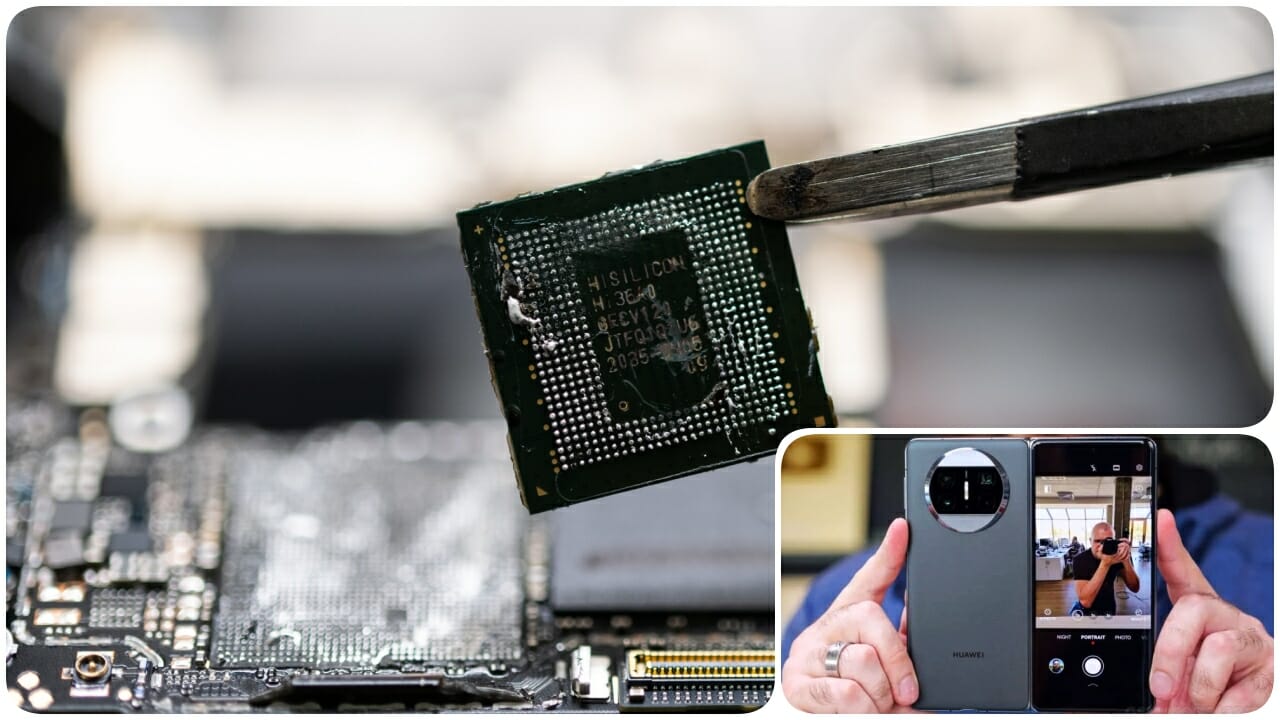
Since 2018, the beginning of the sanctions, Huawei has been at the center of a global technological battle, with the US alleging national security risks and imposing severe restrictions. The Chinese company has since strived to maintain its position in the global smartphone market and has not been deterred by the sanctions, which include a ban on using technologies from American companies, such as Google and Qualcomm, forcing Huawei to seek internal solutions. The recently launched Mate 60 Pro is a testament to Huawei’s ongoing commitment to innovate and create high-quality products even under pressure.
The Kirin 9000s processor powering the Mate 60 Pro is one of the highlights of this launch. Manufactured using 7nm lithography technology by SMIC, this chip represents a significant advancement in semiconductor manufacturing in China. Smaller lithography chips enable the placement of more transistors in a smaller space, resulting in improved performance and energy efficiency.
Comparing With The iPhone:
An analysis by TechInsights revealed that the 5G connectivity speed on the Mate 60 Pro is comparable to that of the latest iPhones. This is notable, given that Huawei is competing with giants like Apple, even with slightly outdated chip technology. This raises the question: how far Huawei can go with its local chip manufacturing.
-
She spent 73 years breathing inside an iron lung, survived the aftereffects of polio, and became the last woman in the United States dependent on the equipment before dying at 78 years old.

-
Brazilian students created a $1 filter using pine bark, cotton, and 3D-printed parts to clean cassava wastewater, reduce the toxicity of a hazardous waste, and transform contaminated water into biofertilizer.

-
Astronaut from Artemis II steps down after mission to the Moon and decision surprises after a record of 406,771 km, a historic 10-day journey, and an unprecedented achievement for Canada.

-
A fossil kept for years in a small museum in Montreal concealed 450-million-year-old soft tissue, a discovery that has only happened once before in history.


Although a 7nm process may seem outdated compared to 4nm or even 3nm chips, Huawei’s achievement is remarkable. This demonstrates China’s ability to develop a domestic semiconductor ecosystem. With US sanctions in place, Huawei is determined to forge its path toward self-sufficiency. This not only reduces dependence on foreign technologies but also strengthens China’s position as a technological leader.
The Saga Of Huawei Amidst US Sanctions And Its Commitment And Determination To Redefine The Global Technology Market.
Technology is not the only field where Huawei faces challenges. While TSMC, Apple’s supplier, uses extreme ultraviolet lithography in its 4nm processes, China faces technical difficulties in acquiring such machines due to import restrictions. These restrictions hinder China’s ability to remain competitive in the global semiconductor market.
Remembering US Sanctions Against Huawei:
US sanctions against Huawei have deep roots, dating back more than five years. Allegations that Huawei devices could be used for espionage by the Chinese government and accusations of fraud and sanction violations against Iran contributed to this crisis. Huawei’s inclusion on the US’s list of unreliable entities in 2019 cut off its access to essential resources, from the Android operating system to cutting-edge processors.